
Find the Best Septic Tank Installation & Replacement Contractors for Your Business
No obligation • Fast responses • Nationwide coverage

Why you can trust Septic Spot
Septic Spot is a leading United States resource for understanding and comparing septic services. Our editors review providers using consistent criteria and verify key business details. Listings and scores are independent, and companies cannot pay to influence our content.
Search providers near you
Top Septic Tank Installation & Replacement Contractors in Gloucester, New Jersey Ranked
Installing or replacing a septic system is a significant home infrastructure project that requires careful planning, professional expertise, and strict adherence to local regulations. For homeowners in Gloucester, NJ, navigating the process for a new septic tank or a full system replacement involves securing permits, conducting soil tests, and passing multiple inspections. This guide explains the key steps, costs, and regulations to help you understand what's involved in finding qualified local professionals for your wastewater treatment needs.
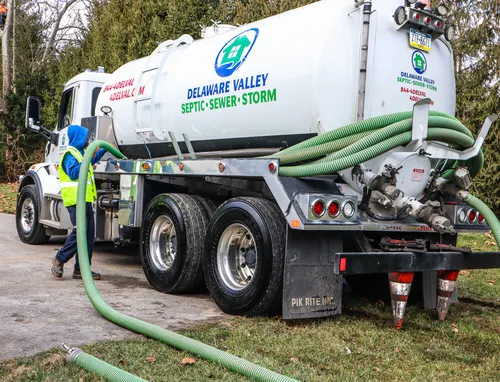
Delaware Valley Septic, Sewer & Storm
504 Eagle Rd STE B, Springfield, PA 19064
Delaware Valley Septic, Sewer & Storm is a family-run business serving Philadelphia, PA, and the surrounding Delaware Valley area. Since 1986, they have provided septic system installation, repair, and maintenance services, including sewer and storm water management. Their expertise covers a wide range of septic systems such as traditional in-ground, sand mound, at-grade, drip irrigation, micro-mound, and pressure dose systems. They serve Chester, Delaware, Montgomery, and Philadelphia counties, offering comprehensive solutions to maintain and improve septic and sewer system performance. The company emphasizes long-term partnerships with homeowners and provides reliable repairs and regular maintenance to extend system lifespan.

Decker Septic
29 Constitution Dr, Vincentown, NJ 08088
Decker Septic is a septic system service provider based near Philadelphia, PA. They offer a range of services including septic tank pumping, inspections, repairs, installations, and drain field replacement. The company is experienced in handling septic pump repairs and replacements, as well as managing system components like collars and manhole covers to prevent flooding issues. Customers have noted their thorough approach to septic system replacement and maintenance, including assistance with engineering and county approvals. Decker Septic is known for working within tight timelines and maintaining property condition during their work.

Joseph Walls Inc
2740 Meetinghouse Rd, Ogden, PA 19061
Joseph Walls Inc is a septic tank installation contractor serving Philadelphia, PA. They focus on wastewater disposal and environmental protection, ensuring all work meets or exceeds state and local regulations. The company specializes in restoring any disturbed areas after installation to maintain the lawn's appearance. They note that septic systems can be installed year-round, including winter, which can be advantageous for some property preparations.
Jack Donnelly Construction LLC
920 Hunt Blvd, Atco, NJ 08004
Jack Donnelly Construction LLC is a family-owned company based near Philadelphia, PA, specializing in septic system design, installation, and repair. They also offer excavation, demolition, and equipment rental services. The company serves residential and commercial clients across South Jersey, including Camden, Burlington, Gloucester, and Atlantic counties. Established in 1976, Jack Donnelly Construction LLC brings over 40 years of experience to their work and provides emergency services as part of their offerings.
South Jersey Engineers LLC
479 Centennial Blvd #3802, Voorhees Township, NJ 08043
South Jersey Engineers LLC is a septic system design and engineering company based near Philadelphia, PA. They specialize in septic tank inspection, repair, and installation services. With a focus solely on septic system matters, they provide services including inspection report analysis, site suitability determination, and expert support for legal issues. The company has completed over 30,000 projects since 1988, offering innovative and cost-effective solutions supervised by licensed engineers.
Understanding the Permit Process in Gloucester County
All septic system work in Gloucester County requires approval from the Gloucester County Department of Health (GCDH) for systems discharging less than 2,000 gallons per day 1. This is not a simple formality; it's a mandatory step to ensure public health and environmental safety. The process begins with a licensed professional, such as a septic system installer or engineer, submitting detailed plans signed by the homeowner.
Permit fees are set by the county. For a new construction project, the permit fee is approximately $600. If you are undertaking a repair or alteration to an existing system, the fee ranges from $300 to $500, while a plan revision costs around $400. These fees are just the start of the administrative costs, which also include soil testing and engineering design.
Critical First Step: Soil Testing and Site Evaluation
Before any design can be finalized, a thorough site evaluation is required. The cornerstone of this is a percolation (perc) test, which measures the soil's absorption rate to properly size the drain field. A certified inspector must perform this test, which involves excavating test pits to identify the seasonal high water table, bedrock, or any impermeable layers.
New Jersey regulations (NJAC 7:9A) mandate that there must be at least two feet of suitable soil beneath the proposed drainfield area. The results of these tests directly inform the engineering design, which must comply with all state standards. This phase of soil testing and design engineering can often cost between $2,000 and $5,000 or more.
System Design and NJ Regulatory Standards
Your septic system design must adhere to New Jersey's strict standards. Key requirements include specific setback distances: at least 10 feet from property lines, 50 to 100 feet from wells and water bodies, and 10 to 25 feet from buildings 2. The septic tank itself must be sized according to the home's bedroom count. The standard is a minimum of 250 gallons of capacity per bedroom, with an absolute minimum tank size of 1,000 gallons for any dwelling 2 3.
There are two primary types of systems you might install:
- Conventional Gravity Systems: These are standard trench or bed systems used in suitable soils.
- Enhanced Treatment Systems (ETS): Also called alternative systems, these are required when soil conditions are poor (e.g., high water table, slow percolation). They include advanced treatment components like aerobic treatment units or sand filters.
Find the perfect septic tank installation & replacement contractors for your needs
Get personalized recommendations and expert advice
The Installation and Inspection Phases
Once permits are secured and designs are approved, installation can begin. This is a multi-stage process that is closely monitored through a series of mandatory inspections conducted by the health department.
- Pre-Installation Inspection: An inspector verifies the staked layout against the approved plan and reviews test pit results on-site before any digging begins.
- During Installation Inspection: After excavation and before the tank and pipes are backfilled, the inspector checks the tank placement, pipe alignment, and overall construction quality 4.
- Final Inspection: Once the system is fully installed and graded, a final inspection ensures everything is complete and covered properly. Only after passing this inspection will the health department issue a License to Operate, which is your official permission to use the new system 5 6.
Cost Breakdown for Septic System Projects
The total cost of a septic system project in Gloucester County is influenced by system type, soil conditions, and property specifics. Here's a general breakdown of what you can expect:
- Permit Fees: $300 - $600, as noted above 7.
- Soil Testing & Engineering Design: $2,000 - $5,000+ 8.
- Conventional System Installation: Typically ranges from $15,000 to $25,000 for a full new installation.
- Enhanced/Alternative System Installation: Due to added technology and components, these systems range from $20,000 to $40,000 or more.
- System Replacement: If you are replacing an existing system with a similar conventional type, costs can be slightly lower, often in the range of $10,000 to $15,000, assuming the drain field location is still viable 9.
Maintenance, Inspections, and System Longevity
A properly installed and maintained conventional septic system can last 25 to 30 years or more. The key to longevity is consistent maintenance, primarily regular pumping. The New Jersey Department of Environmental Protection (NJDEP) recommends pumping your septic tank every 3 to 5 years, depending on usage and household size 10.
For real estate transactions in Gloucester County, a mandatory on-site septic inspection is required. The fee for this transfer inspection is approximately $300 11. This inspection assesses the system's current condition and is a critical step in the home buying and selling process.
Choosing the Right Professional for the Job
Given the complexity and regulatory oversight, selecting an experienced, licensed professional is paramount. Look for installers who are familiar with Gloucester County Health Department procedures and have a track record of passing inspections. They should handle the entire process, from initial site evaluation and permit application to installation and coordinating inspections. Always verify licenses and ask for references from recent projects in the area.
Frequently asked questions
Sources
Footnotes
-
NJDEP| Division of Water Quality | Permitting Information - https://dep.nj.gov/dwq/wastewater/septic-systems/permitting-information/ ↩
-
New Jersey Septic Tank Rules and Regulations - Arrow Sewer & Drain - https://www.arrowsewernj.com/blog/septic-tanks-in-new-jersey-what-you-need-to-know/ ↩ ↩2
-
Submission Requirements for Sewage Disposal System Repairs - https://gloucestercountynj.gov/DocumentCenter/View/1014/Submission-Requirements-for-Septic-System-Repairs-PDF ↩
-
Septic Systems | Gloucester County, NJ - https://www.gloucestercountynj.gov/697/Septic-Systems ↩
-
Importance of Permits and Inspections in Septic Installation NJ - https://earthmoversnj.com/the-importance-of-permits-and-inspections-in-septic-installation-in-new-jersey/ ↩
-
Septic System Inspections in Gloucester County, NJ | SewerMan - https://sewerman.com/gloucester-county-nj/services/oil-to-gas-conversions/ ↩
-
NJ Septic Regulations for 2026: Inspections, Permits & Rules - https://www.atsenvironmental.com/blog/nj-septic-regulations-for-2026/ ↩
-
The Complete Guide to Septic System Installation and ... - https://excavatingnj.com/blog/the-complete-guide-to-septic-system-installation-and-permitting-in-new-jersey/ ↩
-
How Much Does It Cost To Replace A Septic System In Northern NJ? - https://dsepticservice.com/b/septic-system-replacement-cost-new-jersey/ ↩
-
SEPTIC - NJ.gov - https://dep.nj.gov/wp-content/uploads/dwq/pdf/septicmn.pdf ↩
-
Submission Requirements for Wells & Septic Systems | Gloucester ... - https://www.gloucestercountynj.gov/700/Submission-Requirements-for-Wells-Septic ↩