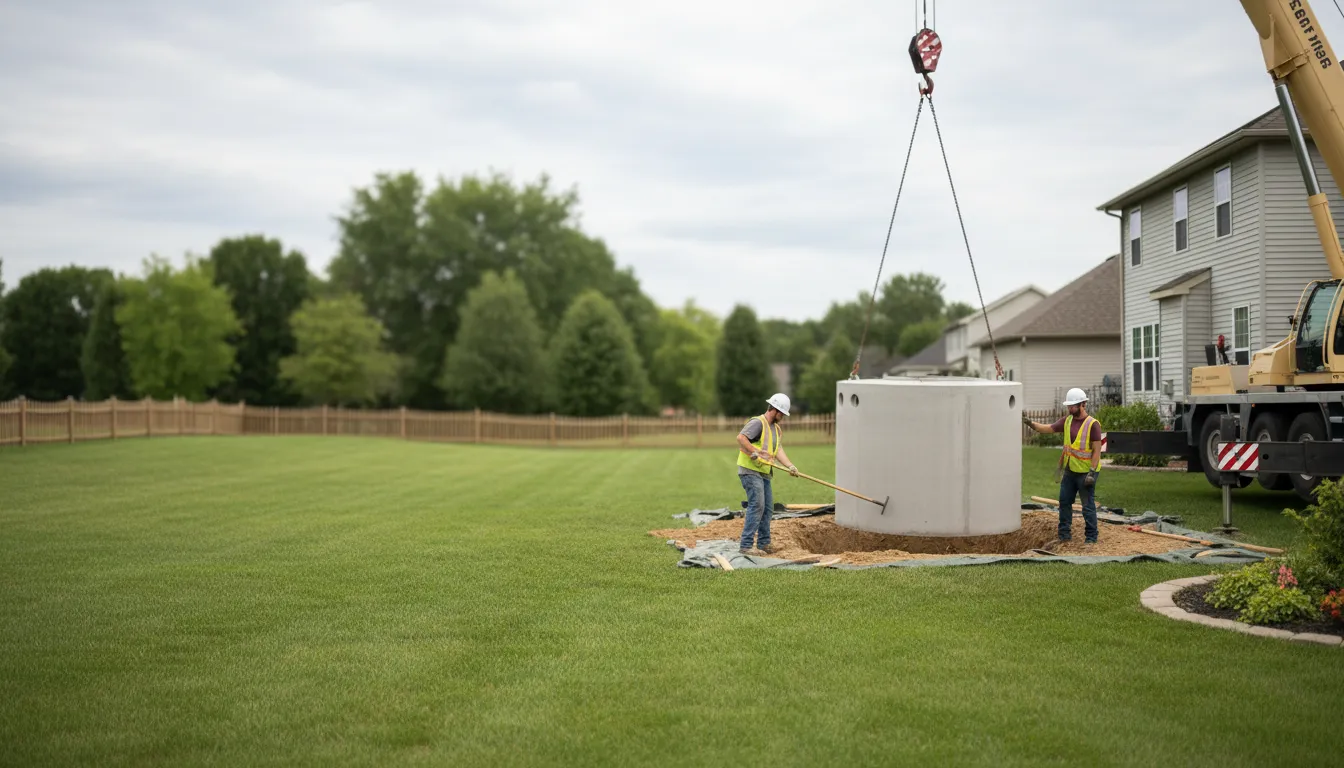
Find the Best Septic Tank Installation & Replacement Contractors for Your Business
No obligation • Fast responses • Nationwide coverage

Why you can trust Septic Spot
Septic Spot is a leading United States resource for understanding and comparing septic services. Our editors review providers using consistent criteria and verify key business details. Listings and scores are independent, and companies cannot pay to influence our content.
Search providers near you
Top Septic Tank Installation & Replacement Contractors in Hackensack, New Jersey Ranked
Installing or replacing a septic system is a significant home improvement project that requires careful planning and adherence to strict local and state regulations. In Hackensack, this process is governed by the New Jersey Department of Environmental Protection (NJDEP) and your local health department to protect public health and groundwater quality. This guide explains the key steps, costs, and regulations for septic system work in Hackensack, helping you understand what to expect and how to find qualified local professionals for your installation or replacement project.
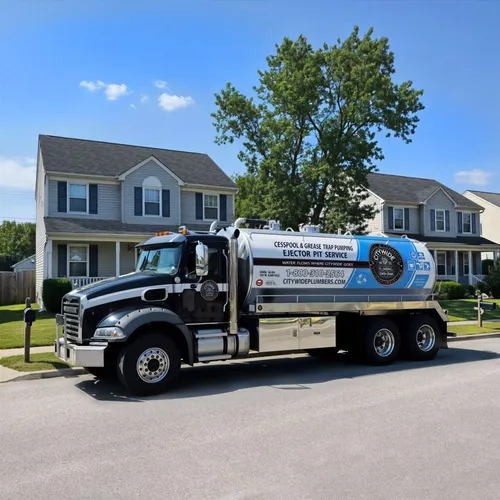
Citywide Grease Trap Maintenance | Cesspool Pumping Service Long Island
110 Voice Rd, Carle Place, NY 11514
Citywide Grease Trap Maintenance | Cesspool Pumping Service Long Island provides septic and cesspool pumping, inspection, repair, and installation services in New York, NY. Serving both residential and commercial clients, they offer comprehensive maintenance and cleaning to prevent system failures. Their skilled technicians use advanced equipment for installations and repairs, including grease trap pumping and sewage ejector pit services. With over 65 years of experience, Citywide operates 24/7 to address emergency needs promptly.
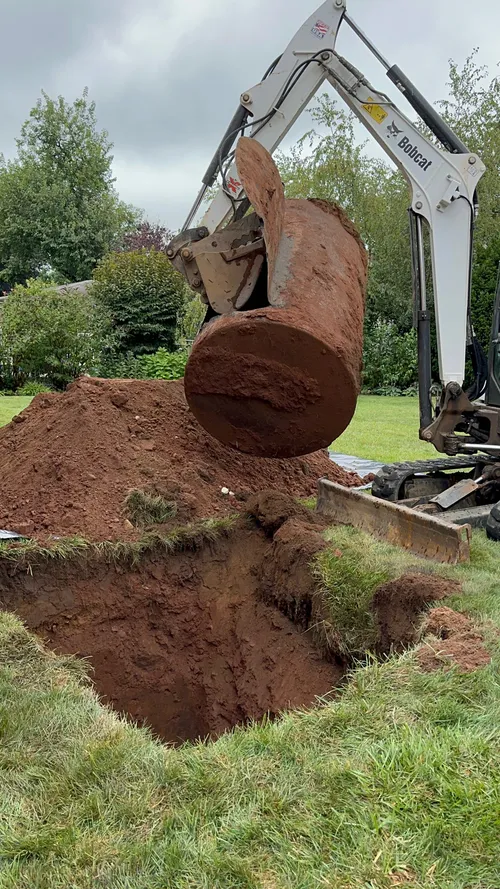
Water Resource Technologies
2 Kanouse Rd, Newfoundland, NJ 07435
Water Resource Technologies is a full-service environmental remediation and consulting company based near New York, NY. They specialize in septic system repair and installation, as well as residential heating oil tank services and environmental site remediation. Their expertise includes environmental drilling and borings, supporting a range of environmental and septic system needs.
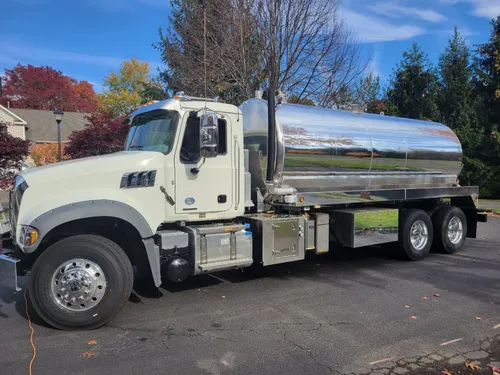
North Shore Cesspool & Drain Corp
231 Lawrence Ln, Glen Cove, NY 11542
North Shore Cesspool & Drain Corp provides cesspool and septic system services in New York, NY. They offer pumping, cleaning, inspections, repairs, and installations for residential and commercial properties. Their capabilities include hydro jetting and sewer line camera inspections. The company serves Long Island and is available 24/7 for emergency flooding response and backups.
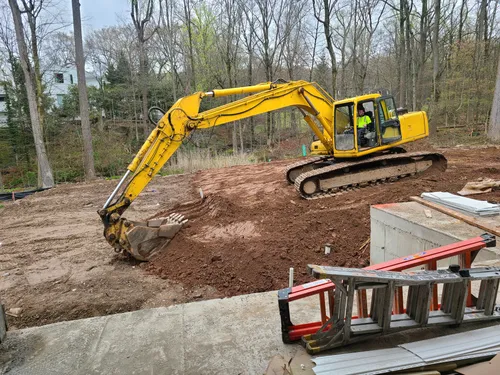
Ken Van Wyk land Improvement
106 Werimus Rd, Woodcliff Lake, NJ 07677
Ken Van Wyk Land Improvement is a septic tank installation contractor based in New York, NY. The company offers a range of excavation services including demolition, residential and commercial excavation, septic system installation, and rock wall installation. With over 40 years of experience, they handle tasks from land clearing to site grading, providing comprehensive site preparation for construction projects.

All Pro Rooter Inc.
New York, NY
All Pro Rooter Inc. is a septic system repair and installation company serving New York, NY, with over 36 years of experience. They provide a range of services including septic tank installation, septic system repair, drain field repair and replacement, land clearing, real estate septic inspections, and general excavation. The company is known for its expertise in septic tank placement and maintenance, and it maintains strong relationships with local health and environmental departments in Westchester County. Their services cover septic tank and drain field maintenance to help ensure proper system function.
Understanding the Regulatory Landscape in New Jersey
All septic system installations and replacements in Hackensack must comply with New Jersey's stringent environmental codes, specifically N.J.A.C. 7:9A. The NJDEP sets the overarching standards, but the Bergen County Department of Health Services (or the Hackensack local health department) is your primary point of contact for permitting and inspections. These rules are designed to ensure that wastewater is treated safely without contaminating wells, streams, or the local aquifer.
The permitting process is not a simple formality; it is a mandatory, multi-step review that validates the engineering and environmental safety of your proposed system. Starting work without the proper approvals can result in hefty fines, orders to cease work, and complications when you eventually try to sell your home. A successful project begins with understanding that regulatory compliance is the foundation, not an obstacle.
The Step-by-Step Process for a New or Replacement System
Whether you're building a new home on a vacant lot or replacing a failing septic system, the journey follows a similar path. It's a collaborative effort between you, a licensed site engineer, and the health department.
1. Initial Site Evaluation and Soil Testing Before any design work can begin, a licensed site engineer must perform a thorough evaluation of your property. The most critical component is the soil percolation (perc) test, which measures the soil's ability to absorb and filter liquid effluent. The engineer will dig deep test pits to examine the soil horizons (A, B, and C layers) and determine the seasonal high water table. State law requires a minimum 2-foot separation between the bottom of your proposed drainfield and the highest point of the groundwater. This testing typically costs between $500 and $1,500 and is essential for determining if your lot can support a conventional system or if an advanced, more expensive treatment system is needed.
2. System Design and Engineering Using the data from the soil tests, a professional engineer will design a system tailored to your property and household size. State regulations mandate a minimum 1,000-gallon tank for a two-to-three bedroom home, with capacity increasing for larger homes 1. The design will include the tank, distribution box, and a leach field (also called a drainfield or absorption area) sized according to the soil's percolation rate. The engineer will also map out all required setbacks-typically at least 50 feet from any well and 100 feet from streams, lakes, or other water bodies 2. These engineering and design fees generally range from $2,000 to $4,000.
3. The Permit Application With the engineered design in hand, you or your contractor will submit a formal application to the local health department. This packet includes the site plan, soil test results, and the engineer's sealed design 3. The health department reviews the application for compliance with all NJDEP standards. Permit fees in New Jersey can vary widely by municipality but often fall between $200 and $1,500. Only after you receive the approved permit can excavation and installation begin.
Find the perfect septic tank installation & replacement contractors for your needs
Get personalized recommendations and expert advice
4. Installation and Mandatory Inspections The physical installation is a multi-day process involving heavy equipment. Crucially, the work must be inspected at specific stages by the health department:
- Pre-Construction Inspection: An inspector will visit after the test pits are dug to verify the soil conditions match the design report.
- During-Installation Inspection: This occurs after the tank is set and the leach field trenches are dug but before any piping is covered. The inspector checks the tank's level, the integrity of pipes, and the quality of the gravel or other aggregate in the trenches.
- Final Inspection: Once the entire system is installed and backfilled, a final inspection is conducted. Upon passing, the health department issues a Certificate of Compliance, a crucial document for your property records and future real estate transactions 4 5.
Cost Breakdown for Septic System Projects in Hackensack
The total investment for a septic system project depends heavily on the scope of work. Here's a breakdown of typical costs in Northern New Jersey:
- Permit and Design Fees: As noted, budget $200-$1,500 for permits and $2,000-$4,000 for engineering 6.
- Soil Percolation Testing: Plan for $500 to $1,500 7 8.
- Full Tank Replacement: If your drainfield is still functional and only the tank needs swapping, costs typically range from $10,000 to $15,000.
- Complete System Replacement: For a failing system that requires both a new tank and a new leach field, total costs can range from $35,000 to $60,000 or more 9 10. Factors that increase cost include poor soil conditions (requiring a larger or engineered leach field), limited space on the property, and the need for advanced nitrogen-reducing technology.
Maintaining Your New Septic System
Protecting your investment starts the day your new system is operational. Proper maintenance is not just recommended; it's essential for longevity and preventing premature, costly failure.
- Regular Pumping: Have the tank pumped by a licensed professional every 3 to 5 years, depending on household size and usage. This prevents solids from overflowing into the drainfield and clogging it.
- Mind What You Flush: Only human waste and toilet paper should go into the system. Avoid flushing chemicals, grease, wipes (even "flushable" ones), and feminine hygiene products.
- Protect the Drainfield: Never drive or park vehicles over the leach field, and do not build structures like sheds or patios on top of it. The pressure can crush pipes and compact the soil, destroying its ability to absorb water 11. Also, divert roof drains and surface runoff away from the area.
- Watch for Warning Signs: Be alert to symptoms of failure, such as slow-draining fixtures, sewage odors indoors or in the yard, unusually lush green grass over the field, or soggy, spongy ground 12. Addressing problems early can save tens of thousands of dollars.
Choosing a Qualified Installation Contractor
Given the complexity and cost, selecting the right contractor is paramount. Look for a licensed, insured professional with extensive experience installing systems in Bergen County. They should be intimately familiar with NJDEP regulations and the local health department's processes. A reputable contractor will handle the permit application process, schedule all required inspections, and provide clear contracts detailing the scope of work, materials, timeline, and payment schedule. Always check references and verify their license status with the state.
Frequently asked questions
Sources
Footnotes
-
Septic System Requirements Based on Home Size & Layout - https://speidelseptic.com/septic-system-requirements-home-size-layout-nj/ ↩
-
New Jersey Septic System Rules - 2026 Guide - https://thesewerkings.com/blog/new-jersey-septic-system-rules/ ↩
-
Title: A Complete Guide to New Septic System Installation in ... - https://earthscapenj.com/title-a-complete-guide-to-new-septic-system-installation-in-new-jersey/ ↩
-
Importance of Permits and Inspections in Septic Installation NJ - https://earthmoversnj.com/the-importance-of-permits-and-inspections-in-septic-installation-in-new-jersey/ ↩
-
How Septic System Inspections Are Performed in New Jersey - https://thesewerkings.com/blog/septic-system-inspections/ ↩
-
New Jersey Septic Tank Rules And Regulations - https://www.arrowsewernj.com/blog/septic-tanks-in-new-jersey-what-you-need-to-know/ ↩
-
NJ Septic Regulations for 2026: Inspections, Permits & Rules - https://www.atsenvironmental.com/blog/nj-septic-regulations-for-2026/ ↩
-
The Complete Guide to Septic System Installation and ... - https://excavatingnj.com/blog/the-complete-guide-to-septic-system-installation-and-permitting-in-new-jersey/ ↩
-
How Much Does It Cost To Replace A Septic System In Northern NJ? - https://dsepticservice.com/b/septic-system-replacement-cost-new-jersey/ ↩
-
The Real Cost of Septic Installation in New Jersey (2025) - https://www.atsenvironmental.com/blog/the-real-cost-of-septic-installation-in-new-jersey-2025/ ↩
-
SEPTIC - NJ.gov - https://dep.nj.gov/wp-content/uploads/dwq/pdf/septicmn.pdf ↩
-
Septic Installation San Antonio: Your 2025 Guide - https://www.vdwws.com/blog/septic-tank-installation-san-antonio-guide ↩