Find the Best Septic Tank Installation & Replacement Contractors for Your Business
No obligation • Fast responses • Nationwide coverage

Why you can trust Septic Spot
Septic Spot is a leading United States resource for understanding and comparing septic services. Our editors review providers using consistent criteria and verify key business details. Listings and scores are independent, and companies cannot pay to influence our content.
Search providers near you
Top Septic Tank Installation & Replacement Contractors in Hoboken, New Jersey Ranked
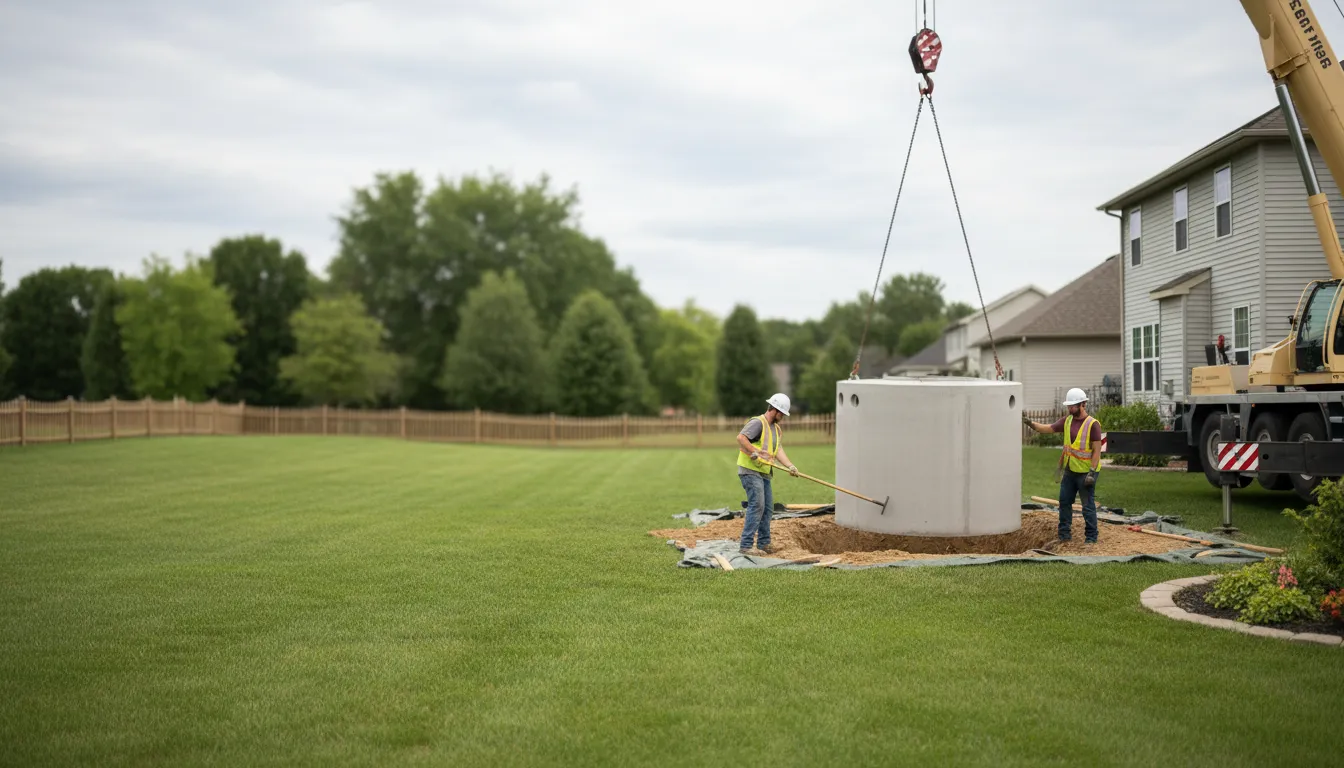
Installing or replacing a septic system is a significant home infrastructure project that requires careful planning, professional expertise, and strict adherence to state and local regulations. For Hoboken homeowners, understanding the process for septic system installation is crucial for ensuring a safe, compliant, and long-lasting wastewater treatment solution. This guide provides a detailed overview of what to expect, from initial soil testing to final inspection, helping you navigate the complexities of septic work in Hudson County.
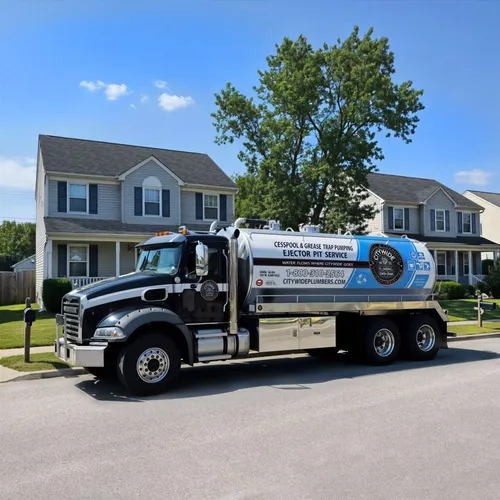
Citywide Grease Trap Maintenance | Cesspool Pumping Service Long Island
110 Voice Rd, Carle Place, NY 11514
Citywide Grease Trap Maintenance | Cesspool Pumping Service Long Island provides septic and cesspool pumping, inspection, repair, and installation services in New York, NY. Serving both residential and commercial clients, they offer comprehensive maintenance and cleaning to prevent system failures. Their skilled technicians use advanced equipment for installations and repairs, including grease trap pumping and sewage ejector pit services. With over 65 years of experience, Citywide operates 24/7 to address emergency needs promptly.
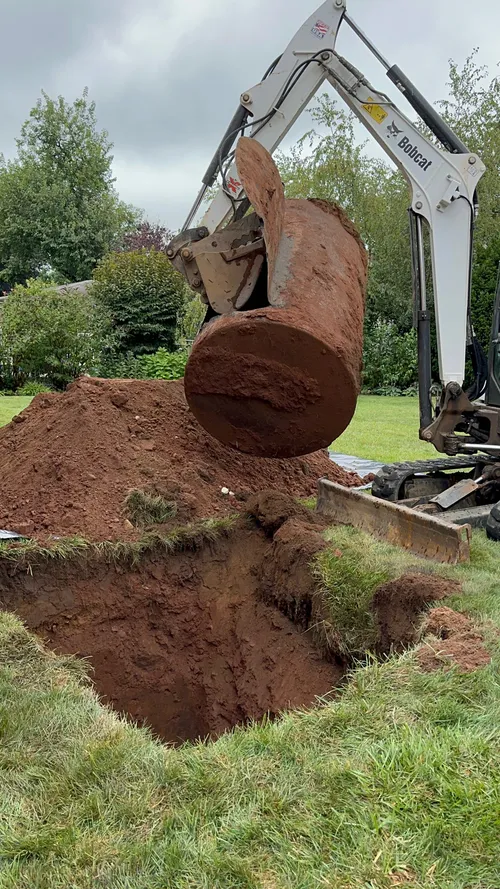
Water Resource Technologies
2 Kanouse Rd, Newfoundland, NJ 07435
Water Resource Technologies is a full-service environmental remediation and consulting company based near New York, NY. They specialize in septic system repair and installation, as well as residential heating oil tank services and environmental site remediation. Their expertise includes environmental drilling and borings, supporting a range of environmental and septic system needs.
A Norton Septic Contracting
3171 US-9, Old Bridge, NJ 08857
A Norton Septic Contracting is a full-service septic company based in New York, NY, offering septic tank pumping, inspections, repairs, and installations. They serve residential and commercial clients and specialize in alternative septic systems like Hoot and Infiltrator. With over 30 years of experience, they provide NJDEP-compliant inspections and have developed effective repair methods for systems that fail prematurely. The company emphasizes proper maintenance and offers consultations to troubleshoot septic issues. They provide personalized service and handle each project from start to finish.
North Shore Cesspool & Drain Corp
231 Lawrence Ln, Glen Cove, NY 11542
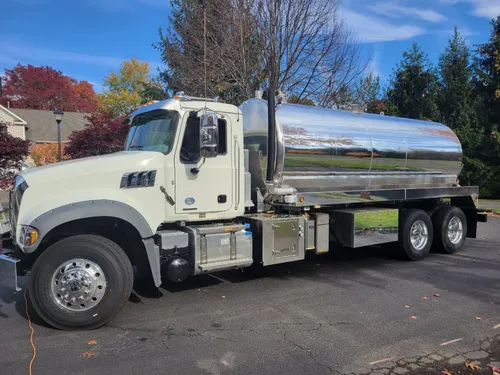
North Shore Cesspool & Drain Corp provides cesspool and septic system services in New York, NY. They offer pumping, cleaning, inspections, repairs, and installations for residential and commercial properties. Their capabilities include hydro jetting and sewer line camera inspections. The company serves Long Island and is available 24/7 for emergency flooding response and backups.
Ken Van Wyk land Improvement
106 Werimus Rd, Woodcliff Lake, NJ 07677
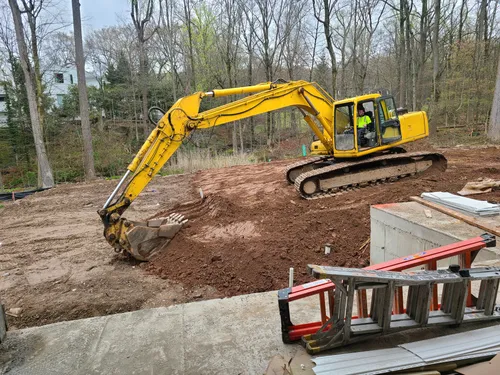
Ken Van Wyk Land Improvement is a septic tank installation contractor based in New York, NY. The company offers a range of excavation services including demolition, residential and commercial excavation, septic system installation, and rock wall installation. With over 40 years of experience, they handle tasks from land clearing to site grading, providing comprehensive site preparation for construction projects.
Understanding Septic Systems and Local Requirements
A septic system is an on-site wastewater treatment structure, typically consisting of a tank and a soil absorption field (drain field). In New Jersey, all new installations or major replacements are governed by the New Jersey Department of Environmental Protection (NJDEP) regulations, specifically NJAC 7:9A. The local health department acts as the primary permitting authority, reviewing and approving all plans before any work can begin. This regulatory framework is designed to protect public health and groundwater quality, making compliance non-negotiable.
For properties in Hoboken, the first step is confirming that a conventional septic system is even feasible. Given the urban environment and potential soil constraints, alternative systems like mound systems may be necessary if there is less than two feet of suitable native soil. This initial determination is made through professional site evaluation.
The Step-by-Step Installation Process
The journey from planning to a fully operational septic tank system involves several distinct phases, each with its own requirements and timelines.
1. Site Evaluation and Soil Testing
This foundational step involves hiring a licensed professional to conduct soil testing. The two primary tests are deep test pits and soil percolation tests (perc tests). Deep test pits analyze soil composition and depth to groundwater or bedrock, while a perc test measures the soil's absorption rate 1. These results directly determine the size, type, and design of the drain field. Soil testing alone can cost between $500 and $1,500.
2. System Design and Engineering
Using the soil data, a licensed professional engineer must design the septic system. The engineering plans must comply with all NJDEP standards and local codes. This design phase includes specifying the tank material (typically concrete or plastic), the layout of the absorption field, and any necessary components for alternative systems. Engineering fees typically range from $2,000 to $4,000.
3. Permit Application and Approval
The engineered plans, along with the site test results, are submitted to the local health department for permit approval. The permit application process itself can take 4 to 8 weeks for review 2. Permit fees in New Jersey generally range from $300 to $1,000. No excavation or installation can legally begin until the permit is in hand.
4. Excavation and Installation
Once permitted, the physical installation begins. This involves excavating for the septic tank and drain field, placing the tank, connecting inlet and outlet pipes, and constructing the gravel-based absorption field. Proper installation is critical for long-term performance.
5. Mandatory Inspections
Local health officials conduct mandatory inspections at key stages to ensure compliance with the approved plans 3. These typically include:
- Pre-Installation Inspection: Verification of staking and site layout.
- During Installation Inspection: Examination of the tank placement, pipe connections, and gravel bed before backfilling.
- Final Inspection: A review of the completed system, including final grading and the installation of access risers.
Find the perfect septic tank installation & replacement contractors for your needs
Get personalized recommendations and expert advice
Cost Factors for Septic System Projects in Hoboken
The total cost for septic tank installation or a full system replacement can vary widely based on system type, soil conditions, and property specifics. Here's a general breakdown of what homeowners might expect:
- System Replacement (in the same location): If the drain field remains viable and only the tank needs replacing, costs can range from approximately $10,000 to $15,000.
- Complete New System Installation: For a brand-new conventional septic system, including all engineering, permitting, and construction, costs typically start between $35,000 and $60,000, and can exceed this for complex sites or alternative systems 4.
- Major Components: As noted, budget for soil testing ($500-$1,500), engineering ($2,000-$4,000), and permits ($300-$1,000) on top of construction costs 5.
Timeline and What to Expect
Patience is essential. From the initial site evaluation to the final inspection, a septic system project in New Jersey generally takes 12 to 20 weeks to complete. This timeline accounts for the sequential nature of the work: waiting for soil test results, engineering design time, the permit review period, scheduling inspections, and the actual construction, which itself can be weather-dependent.
Maintenance and Long-Term Care
After your new wastewater treatment system is installed, proper maintenance is key to its longevity and is required by regulation. The NJDEP mandates periodic pumping of the septic tank, typically every 3 to 5 years, depending on usage and tank size 6. Keeping detailed records of all maintenance, inspections, and pumping is highly recommended for your own reference and for any future property transactions.
Choosing an experienced, licensed contractor who is familiar with Hudson County's specific requirements is the most important decision you can make. They will navigate the permit process, ensure all inspections are scheduled and passed, and install a system designed for reliable performance for years to come.
Frequently asked questions
Sources
Footnotes
-
Importance of Permits and Inspections in Septic Installation NJ - https://earthmoversnj.com/the-importance-of-permits-and-inspections-in-septic-installation-in-new-jersey/ ↩
-
The Complete Guide to Septic System Installation and ... - https://excavatingnj.com/blog/the-complete-guide-to-septic-system-installation-and-permitting-in-new-jersey/ ↩
-
New Jersey Septic Tank Rules And Regulations - https://www.arrowsewernj.com/blog/septic-tanks-in-new-jersey-what-you-need-to-know/ ↩
-
NJ Septic Regulations for 2026: Inspections, Permits & Rules - https://www.atsenvironmental.com/blog/nj-septic-regulations-for-2026/ ↩
-
How Much Does It Cost To Replace A Septic System In Northern NJ? - https://dsepticservice.com/b/septic-system-replacement-cost-new-jersey/ ↩
-
New Jersey Septic System Rules - 2026 Guide - https://thesewerkings.com/blog/new-jersey-septic-system-rules/ ↩