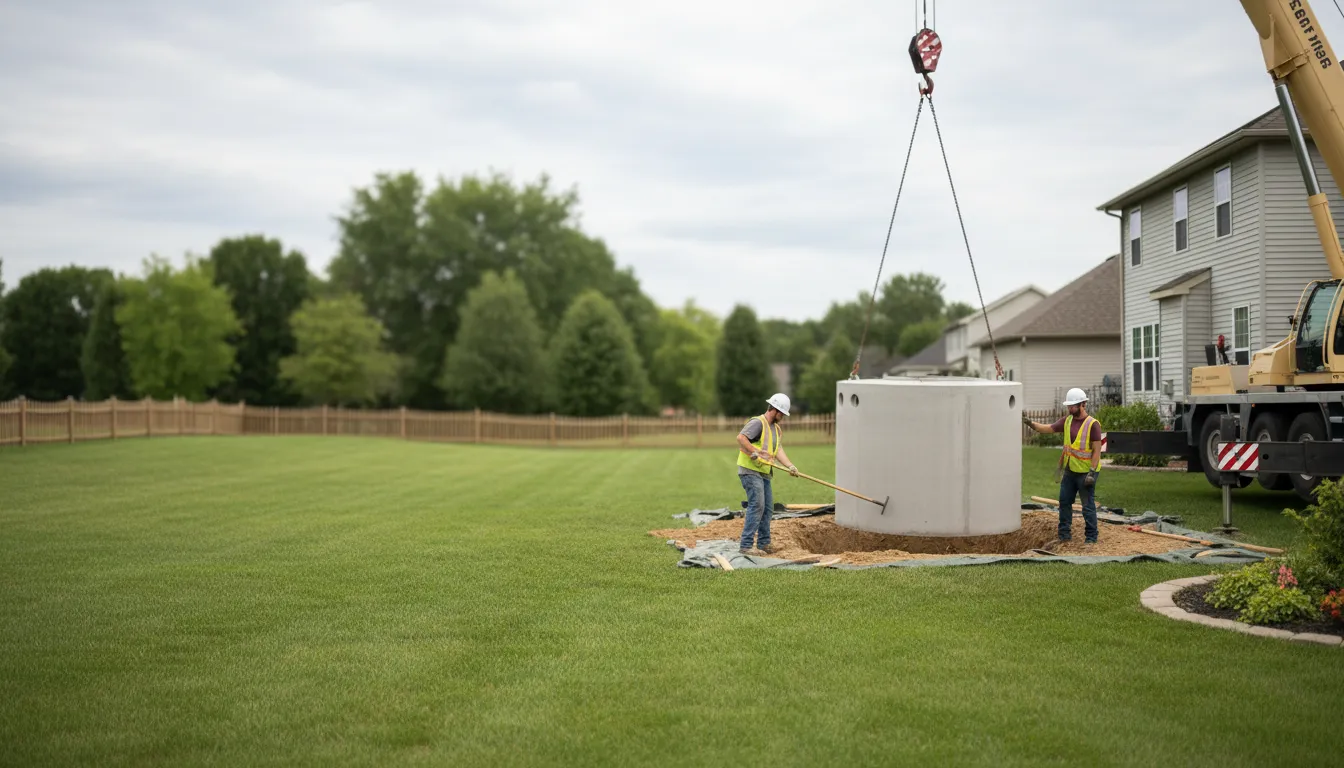
Find the Best Septic Tank Installation & Replacement Contractors for Your Business
No obligation • Fast responses • Nationwide coverage

Why you can trust Septic Spot
Septic Spot is a leading United States resource for understanding and comparing septic services. Our editors review providers using consistent criteria and verify key business details. Listings and scores are independent, and companies cannot pay to influence our content.
Search providers near you
Top Septic Tank Installation & Replacement Contractors in Howell, New Jersey Ranked
Installing or replacing a septic system is a significant investment in your property's long-term health and value. In Howell, this process is governed by strict state and local regulations designed to protect public health and the local environment, including the nearby Manasquan River watershed. Understanding the required steps-from soil testing and engineering to permitting and final inspection-is crucial for a successful project. This guide will help you navigate the local requirements and connect with qualified professionals for your septic system installation or replacement needs.
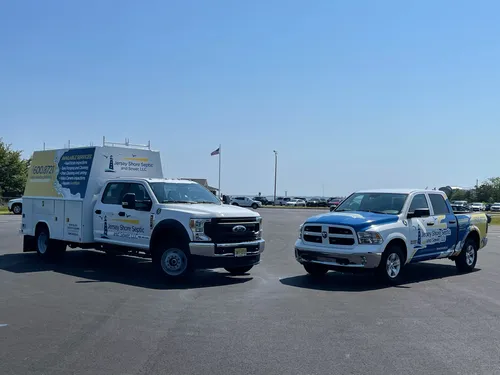
Jersey Shore Septic And Sewer LLC
Lakewood, NJ
Jersey Shore Septic And Sewer LLC is a family-owned and operated business serving Lakewood, NJ, and surrounding counties including Atlantic, Middlesex, Monmouth, and Ocean. With over a decade of experience, they provide residential and commercial septic services such as septic tank pumping, inspections, repairs, replacements, and new installations. Their team holds CDL-A licenses and is trained to perform specialized services like video camera inspections and high-pressure water jetting. The company also offers excavation and commercial snow removal services.
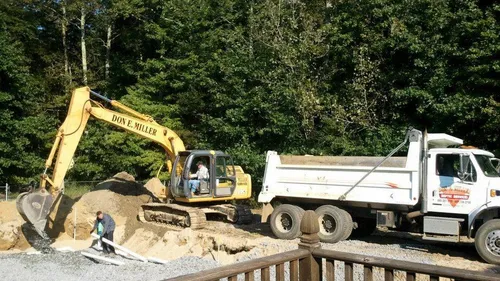
Don E Miller Septic Service Inc & Donny's Potty's
362 Meany Rd, North Hanover, NJ 08562
Don E Miller Septic Service Inc & Donny's Potty's is a family-owned septic service provider based near Philadelphia, PA. They offer a wide range of septic system services including pumping, inspections, repairs, and installations, as well as portable toilet rentals for residential, commercial, and municipal customers. The company has been serving the North Hanover Township area and surroundings since 1963, providing expertise in maintaining and installing various septic system components such as dosing pumps, grease traps, and effluent filters.
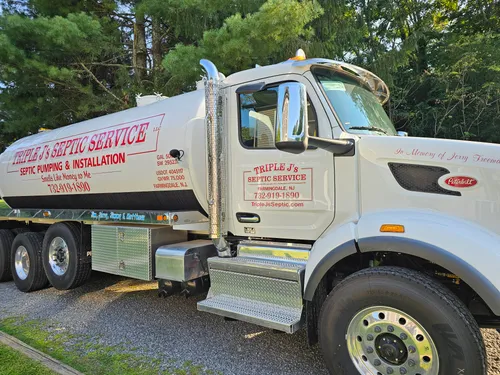
Triple J's Septic Services LLC
34 Asbury Ave, Farmingdale, NJ 07727
Triple J's Septic Services LLC is a family-owned business based in Lakewood, NJ, providing septic tank pumping, repairs, and installation services. Established in the late 1980s by Gerald Freeman, the company holds an A-901 State License, ensuring compliance with New Jersey regulations. They also offer grease trap pumping and manage complex projects involving engineering and additional contractors. With decades of experience, Triple J's supports customers through every step of septic system care and maintenance.
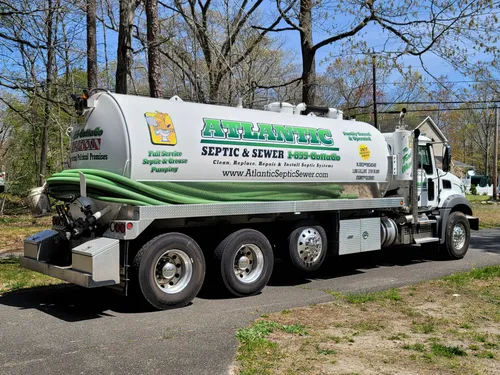
Atlantic Sitton Services, Inc.
647 Herman Rd, Jackson Township, NJ 08527
Atlantic Sitton Services, Inc. provides septic system installation, repair, inspection, and pumping services in Lakewood, NJ. They serve residential, commercial, and government clients across New Jersey, offering additional services such as grease trap cleaning, grease tank pumping, and used cooking oil collection for recycling. Their certified technicians handle septic system jetting, sludge and liquid waste removal, and new construction excavation. With over 30 years of experience, Atlantic Sitton Services emphasizes environmentally conscientious practices and offers emergency services 24/7 to support system functionality and environmental health.
A Norton Septic Contracting
3171 US-9, Old Bridge, NJ 08857
A Norton Septic Contracting is a full-service septic company based in New York, NY, offering septic tank pumping, inspections, repairs, and installations. They serve residential and commercial clients and specialize in alternative septic systems like Hoot and Infiltrator. With over 30 years of experience, they provide NJDEP-compliant inspections and have developed effective repair methods for systems that fail prematurely. The company emphasizes proper maintenance and offers consultations to troubleshoot septic issues. They provide personalized service and handle each project from start to finish.
Understanding the Septic System Installation Process
A septic system installation or replacement is not a simple excavation job; it's a carefully engineered and regulated process. In New Jersey, all septic system work falls under the oversight of the New Jersey Department of Environmental Protection (NJDEP) and your local municipal health department 1. For Howell Township residents, this means the Howell Township Health Department and Board of Health are your primary points of contact for permits and approvals.
The process ensures that wastewater from your home is treated effectively in the soil, preventing contamination of groundwater, which is a critical drinking water source. A failed or improperly installed system can lead to costly repairs, environmental damage, and health hazards. Therefore, working with licensed, experienced professionals who understand Howell's specific codes is non-negotiable.
The Mandatory First Steps: Site Evaluation and Design
Before a single shovel hits the ground, your property must undergo a thorough evaluation. This phase determines the feasibility and design of your new septic system.
Soil Percolation Testing: The cornerstone of any system design is the soil percolation ("perc") test. This test measures how quickly water drains through the soil on your property, which dictates the size and type of drain field required 2. In Howell, these tests must be witnessed by a member of the Howell Township Board of Health or an authorized agent to be valid for permit submission 2. The results are a key component of your engineering plan.
System Design by a Licensed Professional Engineer: New Jersey law requires that a licensed Professional Engineer (PE) design your septic system 3. The engineer uses the soil percolation data, along with a detailed site plan, to create a system that meets all NJDEP and Howell Township standards. This engineered plan specifies the tank size, drain field layout, and all construction details. It's this complete package of documents that you will submit for permits.
Navigating Howell Township Permits and Regulations
Securing the proper permits is a multi-step process that requires patience and precise documentation. Attempting to bypass this process can result in stop-work orders, significant fines, and the requirement to remove non-compliant work.
Permit Submission: You or your contractor must submit the engineered site plans, the official soil percolation test results, and the applicable fees to the Howell Township Health Department 4. Permit fees can range from $300 to over $1,500, depending on the scope and complexity of the project.
Board of Health Approval: The submitted package is reviewed by the Health Department and must be approved by the Howell Township Board of Health before any construction begins 5. This review ensures the design complies with local ordinances, such as Article IV: Standards of Performance, which sets the rules for septic systems in the township. Special approvals or variances may be needed if the property is near wetlands, flood plains, or has other environmental constraints.
Find the perfect septic tank installation & replacement contractors for your needs
Get personalized recommendations and expert advice
The Installation Phase and Required Inspections
Once permits are in hand, the physical installation can proceed. This stage is closely monitored through a series of mandatory inspections to ensure the work matches the approved plans.
Pre-Installation Inspection: An inspector may review the staked-out layout on your property before digging begins to confirm the placement matches the engineered design.
During Installation Inspections: Critical phases of the build are inspected before they are covered. This typically includes inspecting the excavated hole for the septic tank, the tank's placement and leveling, and the network of distribution pipes in the drain field.
Final Inspection: After installation is complete, including final grading and landscaping, a final inspection is conducted. The inspector verifies that the entire system is built to code and functioning as designed. Only after receiving final approval from the Howell Board of Health can the new system be put into service 6.
Cost Breakdown for Septic System Work in Howell
The cost of a septic system is highly variable, depending on soil conditions, system size, and property characteristics. However, homeowners in Howell can expect the following general ranges based on typical projects in the region:
- Complete System Installation/Replacement: For a standard system for a 3-4 bedroom home, total costs typically range from $20,000 to $45,000 or more. This comprehensive price includes engineering, permits, soil testing, materials, and labor.
- Tank-Only Replacement: If the drain field is still functional and only the tank needs replacing, costs are lower, generally between $10,000 and $15,000.
- Engineering and Soil Testing: The upfront design and testing work usually costs between $2,500 and $5,500.
- Permit Fees: As noted, budget $300 to $1,500 for the required township and state permit fees 7 8.
Key Regulations and Maintenance Requirements
Understanding the rules that govern your new system is part of responsible ownership.
- Tank Capacity: New Jersey regulations typically require a minimum 1,000-gallon septic tank or a system sized for 250 gallons per bedroom, whichever is greater.
- System Maintenance: To keep your system functioning properly and avoid premature failure, the NJDEP recommends having your septic tank pumped by a licensed professional every 3 to 5 years 9. Regular inspections are also advised.
- Property Considerations: Be aware of rules regarding well setbacks, proximity to property lines, and the special requirements for systems in environmentally sensitive areas 10 11.
Choosing the right contractor is as important as the system itself. Look for a licensed, insured professional with extensive experience specifically in Howell and Monmouth County. They should be fully familiar with the local Health Department's processes and have a proven track record of securing approvals. A reputable installer will handle the permit application process, schedule all necessary inspections, and ensure your project meets every code requirement from start to finish.
Frequently asked questions
Sources
Footnotes
-
NJDEP| Division of Water Quality | Permitting Information - https://dep.nj.gov/dwq/wastewater/septic-systems/permitting-information/ ↩
-
§ 188-29. Soil percolation test requirements., Article ... - Howell - http://howell-nj.elaws.us/code/coor_ptii_ch188_artiv_sec188-29 ↩ ↩2
-
The Complete Guide to Septic System Installation and ... - https://excavatingnj.com/blog/the-complete-guide-to-septic-system-installation-and-permitting-in-new-jersey/ ↩
-
Article IV: Standards of Performance - Township of Howell, NJ - https://ecode360.com/6670603 ↩
-
Navigating Septic System Regulations: Expert Guidance for New Jersey Property Owners - https://www.mapengineering.net/navigating-septic-system-regulations/ ↩
-
Importance of Permits and Inspections in Septic Installation NJ - https://earthmoversnj.com/the-importance-of-permits-and-inspections-in-septic-installation-in-new-jersey/ ↩
-
The Real Cost of Septic Installation in New Jersey (2025) - https://www.atsenvironmental.com/blog/the-real-cost-of-septic-installation-in-new-jersey-2025/ ↩
-
NJ Septic Regulations for 2026: Inspections, Permits & Rules - https://www.atsenvironmental.com/blog/nj-septic-regulations-for-2026/ ↩
-
SEPTIC - NJ.gov - https://dep.nj.gov/wp-content/uploads/dwq/pdf/septicmn.pdf ↩
-
New Jersey Septic Tank Rules And Regulations - https://www.arrowsewernj.com/blog/septic-tanks-in-new-jersey-what-you-need-to-know/ ↩
-
Watershed & Land Management | Septic System - NJDEP - https://dep.nj.gov/wlm/lrp/common-projects/septic-system/ ↩