Find the Best Septic Tank Installation & Replacement Contractors for Your Business
No obligation • Fast responses • Nationwide coverage

Why you can trust Septic Spot
Septic Spot is a leading United States resource for understanding and comparing septic services. Our editors review providers using consistent criteria and verify key business details. Listings and scores are independent, and companies cannot pay to influence our content.
Search providers near you
Top Septic Tank Installation & Replacement Contractors in Jersey City, New Jersey Ranked
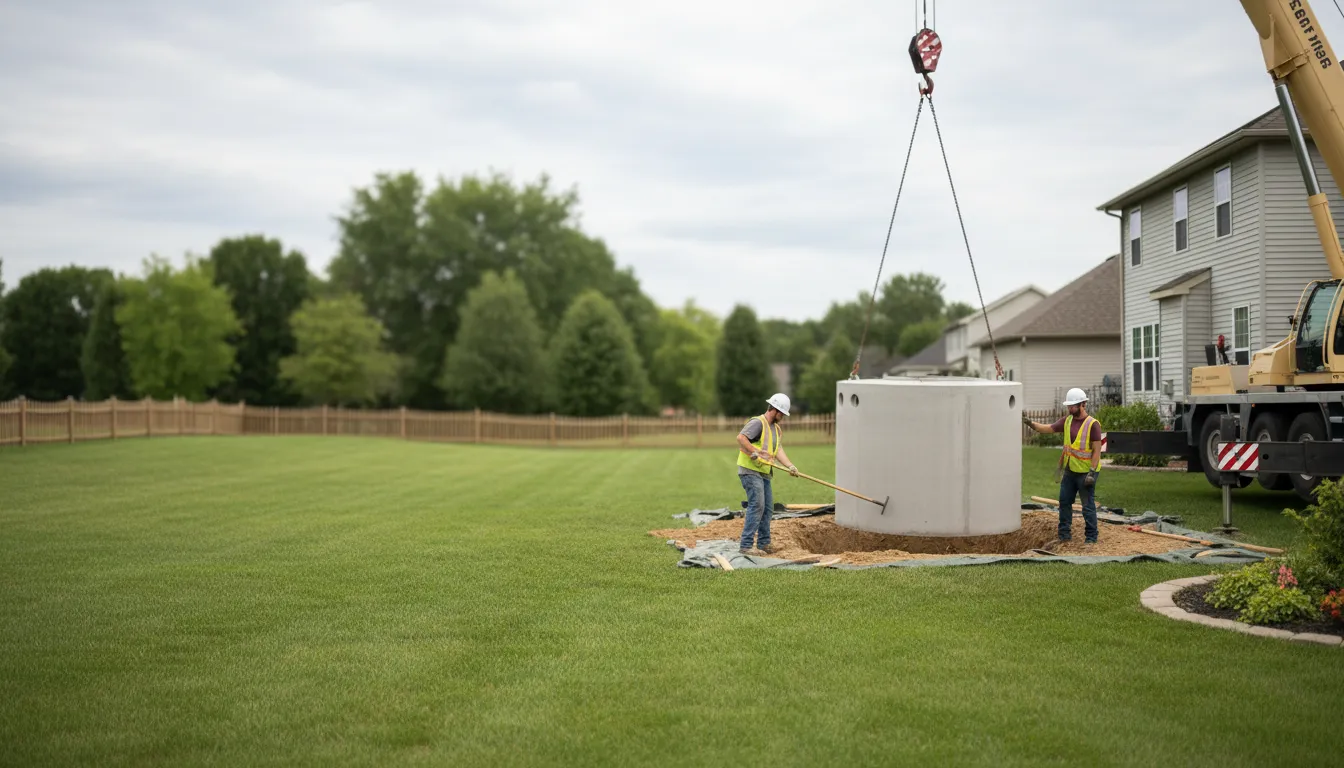
Installing or replacing a septic system is a significant project that requires careful planning, professional expertise, and strict adherence to state and local regulations. For Jersey City homeowners, understanding the process for septic tank installation and system replacement is essential for maintaining property value and environmental health. This guide provides a detailed overview of the steps, costs, and regulatory requirements to help you navigate your project with confidence and connect with qualified local professionals.
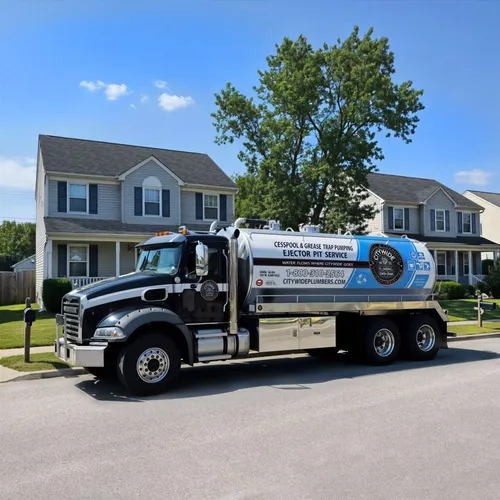
Citywide Grease Trap Maintenance | Cesspool Pumping Service Long Island
110 Voice Rd, Carle Place, NY 11514
Citywide Grease Trap Maintenance | Cesspool Pumping Service Long Island provides septic and cesspool pumping, inspection, repair, and installation services in New York, NY. Serving both residential and commercial clients, they offer comprehensive maintenance and cleaning to prevent system failures. Their skilled technicians use advanced equipment for installations and repairs, including grease trap pumping and sewage ejector pit services. With over 65 years of experience, Citywide operates 24/7 to address emergency needs promptly.
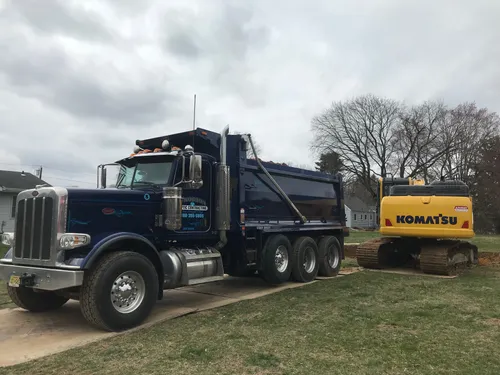
A Norton Septic Contracting
3171 US-9, Old Bridge, NJ 08857
A Norton Septic Contracting is a full-service septic company based in New York, NY, offering septic tank pumping, inspections, repairs, and installations. They serve residential and commercial clients and specialize in alternative septic systems like Hoot and Infiltrator. With over 30 years of experience, they provide NJDEP-compliant inspections and have developed effective repair methods for systems that fail prematurely. The company emphasizes proper maintenance and offers consultations to troubleshoot septic issues. They provide personalized service and handle each project from start to finish.
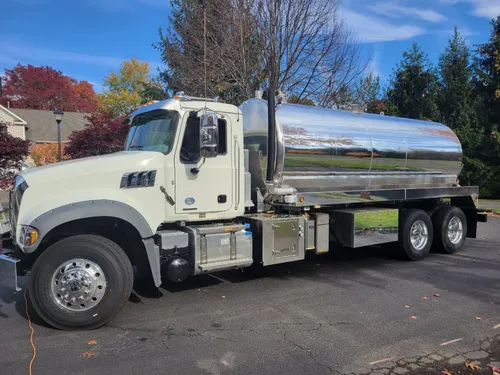
North Shore Cesspool & Drain Corp
231 Lawrence Ln, Glen Cove, NY 11542
North Shore Cesspool & Drain Corp provides cesspool and septic system services in New York, NY. They offer pumping, cleaning, inspections, repairs, and installations for residential and commercial properties. Their capabilities include hydro jetting and sewer line camera inspections. The company serves Long Island and is available 24/7 for emergency flooding response and backups.
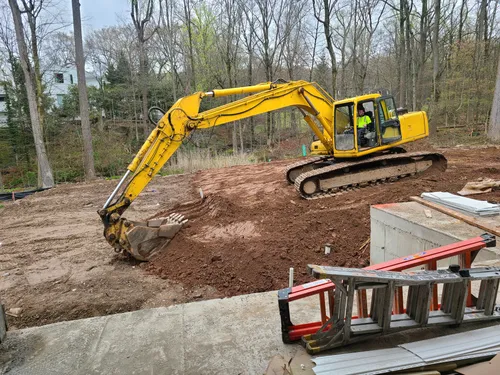
Ken Van Wyk land Improvement
106 Werimus Rd, Woodcliff Lake, NJ 07677
Ken Van Wyk Land Improvement is a septic tank installation contractor based in New York, NY. The company offers a range of excavation services including demolition, residential and commercial excavation, septic system installation, and rock wall installation. With over 40 years of experience, they handle tasks from land clearing to site grading, providing comprehensive site preparation for construction projects.
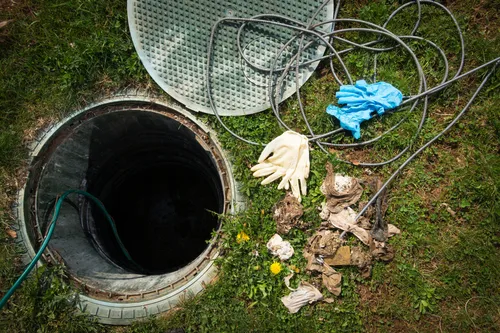
WHERE OLD MEETS NEW LLC
2a Great Meadow Ln, East Hanover, NJ 07936
WHERE OLD MEETS NEW LLC is a family-operated septic service company based near New York, NY, serving the communities of Northern New Jersey. They provide full-service septic system maintenance, repair, and installation for both residential and commercial properties. With over 50 years of experience, the company offers expertise in all aspects of septic systems, including planning and permitting for new installations. WHERE OLD MEETS NEW LLC is licensed and insured, continuing a legacy that began with B Horstmann Septic Service founded in 1978.
Understanding Septic System Regulations in New Jersey
All septic system work in New Jersey is governed by the New Jersey Department of Environmental Protection (NJDEP) under N.J.A.C. 7:9A, with additional oversight from local county and township health departments. These regulations are designed to protect groundwater and public health by ensuring systems are properly sited, designed, and installed.
Key state standards include a minimum 1,000-gallon tank capacity for a single-family home (or 250 gallons per bedroom) and a required separation of at least 2 feet between the bottom of the drainfield and the seasonal high water table or bedrock. Because Jersey City is part of Hudson County, you must also comply with any specific requirements from the Hudson County Health Department. All installation and replacement work must be performed by a licensed professional 1.
The Step-by-Step Process for Installation and Replacement
Whether you're building on a new lot or replacing a failing system, the journey from concept to completion follows a structured path. Replacement is typically required for malfunctioning systems, those that are undersized for the home's current use, or when a property is being significantly renovated.
1. Initial Site Evaluation and Soil Testing
This is the critical first step. A licensed professional engineer or certified soil scientist must conduct a thorough site evaluation. This includes a soil percolation test (often called a "perc test") to measure the soil's absorption rate, which directly determines the size and design of the drainfield. The evaluator also determines the depth to groundwater and bedrock to ensure the mandatory 2-foot separation can be met 2. This testing phase typically takes 1-2 weeks and costs between $500 and $1,500.
2. System Design and Engineering
Using the data from the soil analysis, a professional engineer creates a detailed septic system design. This plan includes the layout, tank specifications, drainfield size and configuration, and all other components, ensuring full compliance with NJAC 7:9A 3. Engineering and design fees generally range from $2,000 to $4,000.
3. Permit Application and Approval
The engineered plans, along with the soil report and application forms, are submitted to the local health department (Hudson County) for review and approval. Permit fees can range from $300 to over $1,500. This approval process is not quick; you should anticipate a timeline of 4 to 8 weeks for permits to be processed 4.
4. Professional Installation
Once permits are secured, the physical installation can begin. This involves excavation, placement of the septic tank and distribution box, and construction of the leach field or other advanced treatment component. The entire installation process is subject to multiple inspections by the health department.
Find the perfect septic tank installation & replacement contractors for your needs
Get personalized recommendations and expert advice
Required Inspections During Installation
Rigorous inspections are mandated at key stages to ensure the work matches the approved plans and meets all standards. Failing an inspection can cause significant delays, so working with an experienced installer is crucial.
- Soil/Perc Test Verification: An inspector verifies the soil characteristics and the results of the percolation test.
- Tank Inspection: Before the tank is buried, an inspector checks it for watertight seals, proper inlet/outlet placement, and structural integrity 5.
- Leach Field Inspection: During the drainfield construction, the installation of distribution pipes, gravel, and geotextile fabric is inspected.
- Final Inspection: A comprehensive site inspection is conducted upon project completion to grant final approval, usually within 1-2 weeks after installation finishes 6.
Cost Breakdown and Project Timeline
The total investment for a new septic system or a full system replacement in the Jersey City area is substantial and varies based on site conditions, soil type, and system complexity.
- Permit Fees: $300 - $1,500+
- Soil Testing & Evaluation: $500 - $1,500
- Engineering & Design: $2,000 - $4,000
- Installation/Replacement: $15,000 - $35,000+
For a standard conventional system, the total cost often falls between $15,000 and $35,000. More complex systems for challenging sites (like those with poor soil or high water tables) can exceed this range 7 8 9.
From the initial site evaluation to the final inspection, the entire project typically takes 12 to 20 weeks. Most of this time is spent on the design, permit approval, and inspection phases, with the actual installation taking a matter of days to a couple of weeks once the crew is on site.
Choosing the Right Professional for Your Project
Given the regulatory complexity and long-term importance of your septic system, selecting the right contractor is paramount. Look for a company licensed in New Jersey with extensive experience in Hudson County. They should be familiar with local health department officials and processes. Always verify insurance and ask for references from recent projects. A reputable professional will handle the permit application process, coordinate inspections, and ensure every phase meets code, providing you with a system that functions properly for decades.
Frequently asked questions
Sources
Footnotes
-
NJDEP| Division of Water Quality | Permitting Information - https://dep.nj.gov/dwq/wastewater/septic-systems/permitting-information/ ↩
-
New Jersey Septic Tank Rules And Regulations - https://www.arrowsewernj.com/blog/septic-tanks-in-new-jersey-what-you-need-to-know/ ↩
-
The Complete Guide to Soil Testing for Septic System Design - https://www.mapengineering.net/the-complete-guide-to-soil-testing-for-septic-system-design/ ↩
-
New Jersey Septic System Rules - 2026 Guide - https://thesewerkings.com/blog/new-jersey-septic-system-rules/ ↩
-
Untitled - https://www.townofwappingerny.gov/wp-content/uploads/2021/05/5-MEYERS-RUN-042721-FOR-SUBMISSION-sheet-5-sds-details-2.pdf ↩
-
How Septic System Inspections Are Performed in New Jersey - https://thesewerkings.com/blog/septic-system-inspections/ ↩
-
NJ Septic Regulations for 2026: Inspections, Permits & Rules - https://www.atsenvironmental.com/blog/nj-septic-regulations-for-2026/ ↩
-
New Jersey Septic System Replacement & Installation | ATS - https://www.atsenvironmental.com/residential/septic-system-installation-replacement/ ↩
-
How Much Does a Septic Tank Cost? - NerdWallet - https://www.nerdwallet.com/home-ownership/home-improvement/learn/septic-tank-cost ↩