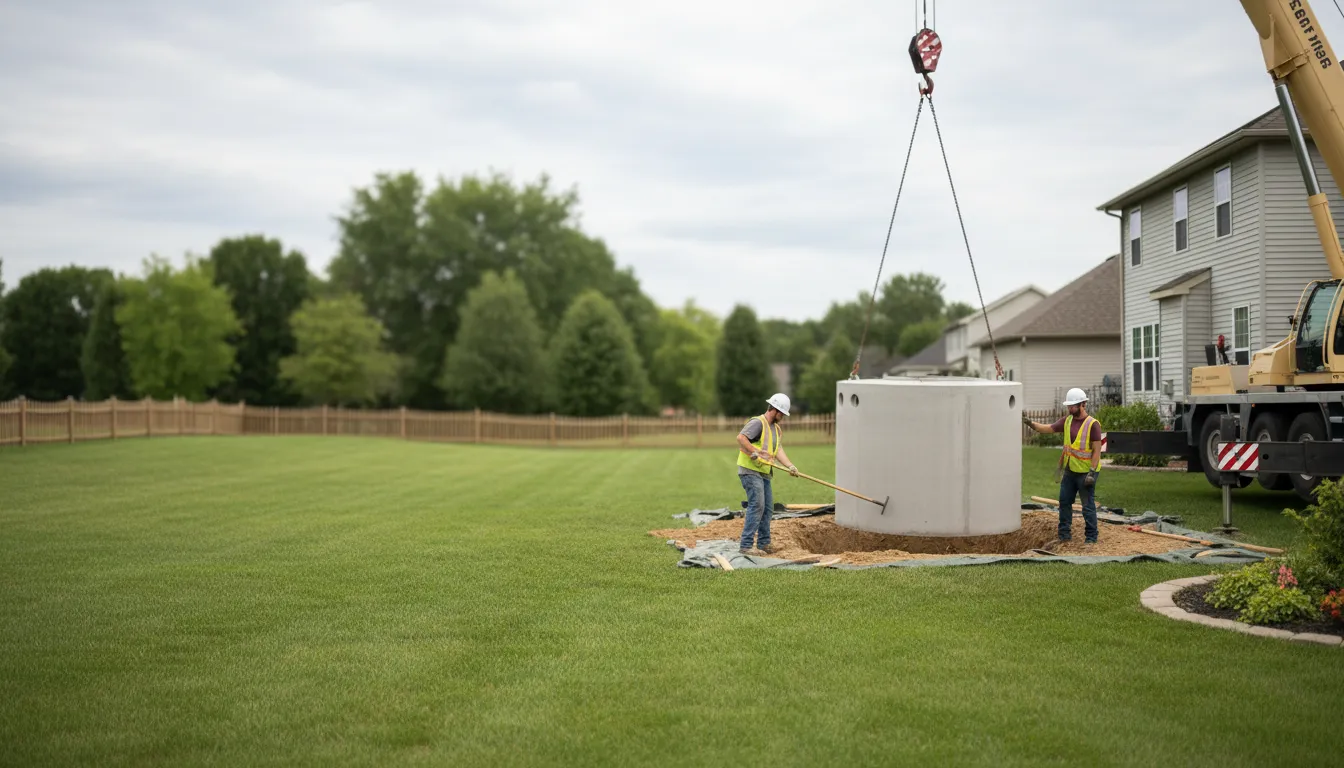
Find the Best Septic Tank Installation & Replacement Contractors for Your Business
No obligation • Fast responses • Nationwide coverage

Why you can trust Septic Spot
Septic Spot is a leading United States resource for understanding and comparing septic services. Our editors review providers using consistent criteria and verify key business details. Listings and scores are independent, and companies cannot pay to influence our content.
Search providers near you
Top Septic Tank Installation & Replacement Contractors in Mount Laurel, New Jersey Ranked
Installing or replacing a septic system is a significant investment and a critical component of your property's infrastructure. In Mount Laurel, this process is governed by strict New Jersey Department of Environmental Protection (NJDEP) standards and requires careful coordination with the Burlington County Health Department. A properly designed and permitted system protects your home, your health, and the local environment. This guide will help you understand the local requirements, process, and costs, empowering you to find qualified local professionals for your project.
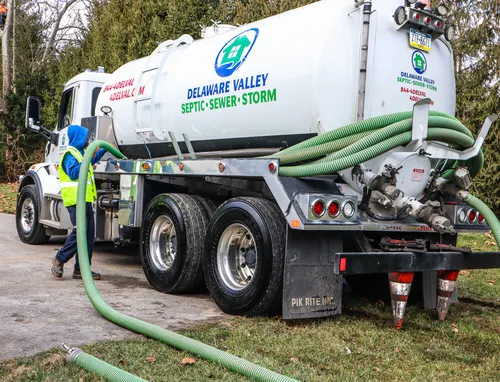
Delaware Valley Septic, Sewer & Storm
504 Eagle Rd STE B, Springfield, PA 19064
Delaware Valley Septic, Sewer & Storm is a family-run business serving Philadelphia, PA, and the surrounding Delaware Valley area. Since 1986, they have provided septic system installation, repair, and maintenance services, including sewer and storm water management. Their expertise covers a wide range of septic systems such as traditional in-ground, sand mound, at-grade, drip irrigation, micro-mound, and pressure dose systems. They serve Chester, Delaware, Montgomery, and Philadelphia counties, offering comprehensive solutions to maintain and improve septic and sewer system performance. The company emphasizes long-term partnerships with homeowners and provides reliable repairs and regular maintenance to extend system lifespan.
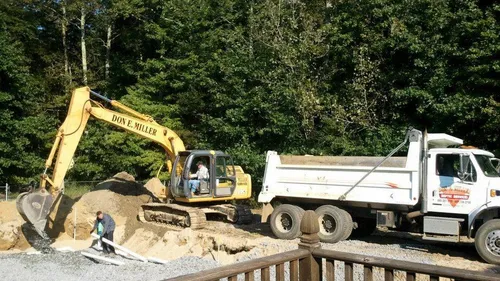
Don E Miller Septic Service Inc & Donny's Potty's
362 Meany Rd, North Hanover, NJ 08562
Don E Miller Septic Service Inc & Donny's Potty's is a family-owned septic service provider based near Philadelphia, PA. They offer a wide range of septic system services including pumping, inspections, repairs, and installations, as well as portable toilet rentals for residential, commercial, and municipal customers. The company has been serving the North Hanover Township area and surroundings since 1963, providing expertise in maintaining and installing various septic system components such as dosing pumps, grease traps, and effluent filters.

Decker Septic
29 Constitution Dr, Vincentown, NJ 08088
Decker Septic is a septic system service provider based near Philadelphia, PA. They offer a range of services including septic tank pumping, inspections, repairs, installations, and drain field replacement. The company is experienced in handling septic pump repairs and replacements, as well as managing system components like collars and manhole covers to prevent flooding issues. Customers have noted their thorough approach to septic system replacement and maintenance, including assistance with engineering and county approvals. Decker Septic is known for working within tight timelines and maintaining property condition during their work.
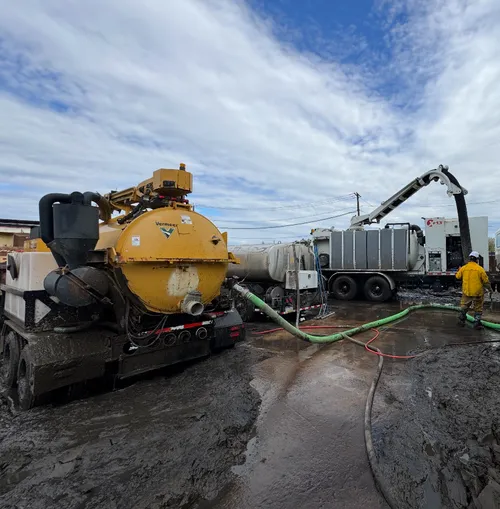
John's Septic & Excavation
Philadelphia, PA
John's Septic & Excavation provides septic system installations, repairs, and inspections along with site excavation services in Philadelphia, PA. They serve residential and commercial properties throughout Southeastern Pennsylvania, including Montgomery, Chester, Berks, Bucks, and Delaware Counties. The company specializes in engineered septic system installations compliant with current regulations and offers hydro excavation and stormwater system solutions. Their approach emphasizes proper site preparation and engineered wastewater systems designed for long-term use.

Jack Donnelly Construction LLC
920 Hunt Blvd, Atco, NJ 08004
Jack Donnelly Construction LLC is a family-owned company based near Philadelphia, PA, specializing in septic system design, installation, and repair. They also offer excavation, demolition, and equipment rental services. The company serves residential and commercial clients across South Jersey, including Camden, Burlington, Gloucester, and Atlantic counties. Established in 1976, Jack Donnelly Construction LLC brings over 40 years of experience to their work and provides emergency services as part of their offerings.
Understanding Local Regulations and Jurisdiction
In Mount Laurel, as in all of New Jersey, septic system work is not a simple DIY project. The state's regulations, codified under NJAC 7:9A, are among the most stringent in the country to protect groundwater quality. For nearly all single-family homes, the local health department-in this case, the Burlington County Health Department-is the primary permitting authority for systems designed to handle less than 2,000 gallons per day 1.
Key regulatory concepts you'll encounter include:
- Engineered Design Mandate: New Jersey requires a licensed Professional Engineer (PE) to design your septic system. This is not optional for new installations or major replacements.
- Minimum Capacity: Systems are sized based on the number of bedrooms. A standard minimum is a 1,000-gallon tank, with a baseline of 250 gallons required per bedroom 2.
- Setback Requirements: Strict rules dictate how far the tank and drain field must be from wells, property lines, streams, and buildings. These distances are determined by the site's specific conditions and are non-negotiable.
The Step-by-Step Installation Process
Navigating a septic system installation or replacement involves a multi-stage process with mandatory checkpoints.
1. Site Evaluation and Soil Testing
Before any design work begins, a licensed site evaluator must conduct a thorough site assessment. This includes a deep soil profile investigation (deep-pit test) and a percolation ("perc") test. The perc test measures how quickly water drains through the soil, which directly determines the size and type of drain field needed. This step is crucial, as soil conditions in Mount Laurel can vary, and a high seasonal water table is a common challenge that influences system design.
2. System Design and Engineering
Using the data from the soil tests, a licensed Professional Engineer will create engineered plans for your specific property. This design will specify the tank size, the type of system (conventional trench, advanced treatment, or mound system), and the exact layout of the drain field. Engineered design fees typically range from $2,000 to $4,000.
3. Permit Application and Approval
The complete application package, including the engineered plans, application forms, and fees, is submitted to the Burlington County Health Department for review 3. Permit fees themselves can range from $250 to $1,500. No construction can legally begin until you have received written approval from the health department. The permitting timeline can take 4 to 8 weeks, so factor this into your project schedule 4.
4. Installation and Critical Inspections
Once permitted, a licensed installer can begin construction. The installation process is closely monitored through a series of mandatory inspections conducted by the health department and/or the project engineer 5:
- Open Hole Inspection: Before the tank is set and the drain field trenches are dug, an inspector verifies the soil conditions and placement.
- Installation Inspection: After the tank, piping, and drain field aggregate are placed but before they are covered, everything is checked for proper installation and alignment with the approved plans.
- Final Inspection: After backfilling and site restoration, a final inspection ensures the system is complete. The installer must often submit an "as-built" plan showing the final installation details 6 7.
Find the perfect septic tank installation & replacement contractors for your needs
Get personalized recommendations and expert advice
Cost Breakdown for Septic System Projects
The total cost for a new residential septic system in the Mount Laurel area is highly variable but typically falls between $15,000 and over $35,000. Several factors contribute to this range:
- Pre-Installation Costs: Soil testing and percolation tests cost $500-$1,500. The mandatory engineered design adds $2,000-$4,000 8.
- Permit Fees: As noted, local health department fees are typically $250-$1,500.
- Installation Costs: This is the largest variable. A conventional system for a favorable site is on the lower end of the range. If your soil fails a standard perc test and requires an advanced treatment system or a constructed sand mound, costs can quickly rise to $30,000 or more 9 10.
- Replacement vs. New Installation: Replacing a failed system in the same location can sometimes be less expensive if the existing drain field area is still suitable. However, if new regulations require a different type of system or a new location, costs will mirror a new installation.
Choosing the Right System for Your Property
Not all septic systems are the same. The type installed on your Mount Laurel property will be dictated by the results of the soil evaluation.
- Conventional Systems: These are the most common where soil conditions are ideal-well-draining soil with a deep water table. They consist of a tank and a subsurface trench drain field.
- Mound Systems: In areas with high water tables, shallow bedrock, or poorly draining soil, a mound system is often required. These are above-ground, engineered sand filters that provide the necessary treatment before effluent reaches the natural soil. They are more complex and costly to install.
- Advanced Treatment Systems (ATS): Also known as alternative or innovative systems, these use mechanical components, filters, or aerobic processes to provide a higher level of treatment. They may be required on environmentally sensitive lots or very small properties.
Working with Local Professionals
Given the complexity, your choice of contractor is paramount. Look for a licensed installer with extensive experience in Burlington County. They should be familiar with the local health department inspectors and processes. A reputable professional will handle or coordinate the soil testing, engineering, permitting, and inspections, providing you with a clear timeline and contract. Always verify licenses and ask for references from recent projects in the area.
Frequently asked questions
Sources
Footnotes
-
NJDEP| Division of Water Quality | Permitting Information - https://dep.nj.gov/dwq/wastewater/septic-systems/permitting-information/ ↩
-
New Jersey Septic Tank Rules And Regulations - https://www.arrowsewernj.com/blog/septic-tanks-in-new-jersey-what-you-need-to-know/ ↩
-
The Complete Guide to Septic System Installation and ... - https://excavatingnj.com/blog/the-complete-guide-to-septic-system-installation-and-permitting-in-new-jersey/ ↩
-
New Jersey Septic System Rules - 2026 Guide - https://thesewerkings.com/blog/new-jersey-septic-system-rules/ ↩
-
The Real Cost of Septic Installation in New Jersey (2025) - https://www.atsenvironmental.com/blog/the-real-cost-of-septic-installation-in-new-jersey-2025/ ↩
-
Septic System Installation in South Jersey - https://usasepticanddrain.com/septic-system-installation-in-south-jersey/ ↩
-
How Septic System Inspections Are Performed in New Jersey - https://thesewerkings.com/blog/septic-system-inspections/ ↩
-
Navigating Septic System Regulations: Expert Guidance for New Jersey Property Owners - https://www.mapengineering.net/navigating-septic-system-regulations/ ↩
-
NJ Septic Regulations for 2026: Inspections, Permits & Rules - https://www.atsenvironmental.com/blog/nj-septic-regulations-for-2026/ ↩
-
How Much Does It Cost To Replace A Septic System In Northern NJ? - https://dsepticservice.com/b/septic-system-replacement-cost-new-jersey/ ↩