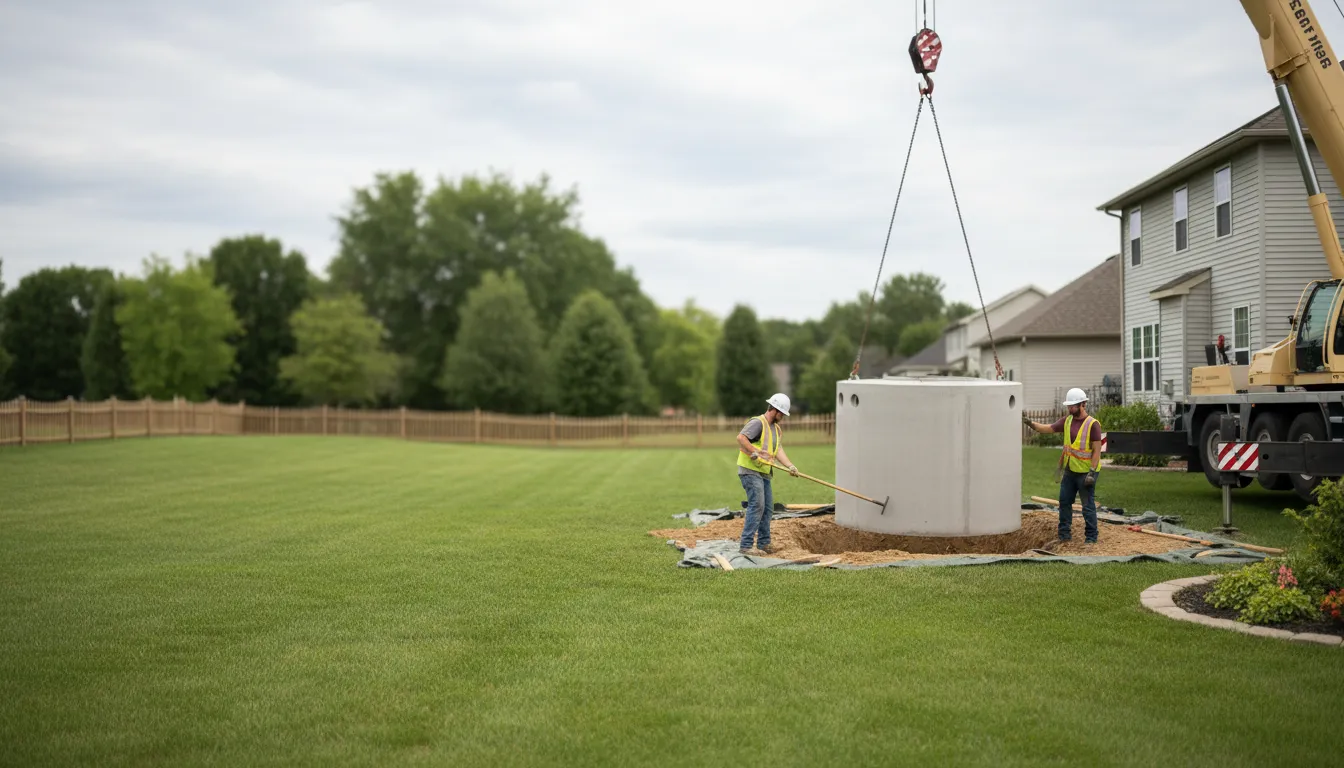
Find the Best Septic Tank Installation & Replacement Contractors for Your Business
No obligation • Fast responses • Nationwide coverage

Why you can trust Septic Spot
Septic Spot is a leading United States resource for understanding and comparing septic services. Our editors review providers using consistent criteria and verify key business details. Listings and scores are independent, and companies cannot pay to influence our content.
Search providers near you
Top Septic Tank Installation & Replacement Contractors in North Brunswick, New Jersey Ranked
Installing or replacing a septic system is a significant project that requires careful planning, professional expertise, and strict adherence to local and state regulations. For homeowners in North Brunswick, this means navigating New Jersey's specific environmental codes to ensure a safe, functional, and long-lasting wastewater treatment solution. This guide explains the critical steps, costs, and considerations for septic system work in the area, helping you understand the process and connect with qualified local professionals.
Don E Miller Septic Service Inc & Donny's Potty's
362 Meany Rd, North Hanover, NJ 08562
Don E Miller Septic Service Inc & Donny's Potty's is a family-owned septic service provider based near Philadelphia, PA. They offer a wide range of septic system services including pumping, inspections, repairs, and installations, as well as portable toilet rentals for residential, commercial, and municipal customers. The company has been serving the North Hanover Township area and surroundings since 1963, providing expertise in maintaining and installing various septic system components such as dosing pumps, grease traps, and effluent filters.
Triple J's Septic Services LLC
34 Asbury Ave, Farmingdale, NJ 07727
Triple J's Septic Services LLC is a family-owned business based in Lakewood, NJ, providing septic tank pumping, repairs, and installation services. Established in the late 1980s by Gerald Freeman, the company holds an A-901 State License, ensuring compliance with New Jersey regulations. They also offer grease trap pumping and manage complex projects involving engineering and additional contractors. With decades of experience, Triple J's supports customers through every step of septic system care and maintenance.
Atlantic Sitton Services, Inc.
647 Herman Rd, Jackson Township, NJ 08527
Atlantic Sitton Services, Inc. provides septic system installation, repair, inspection, and pumping services in Lakewood, NJ. They serve residential, commercial, and government clients across New Jersey, offering additional services such as grease trap cleaning, grease tank pumping, and used cooking oil collection for recycling. Their certified technicians handle septic system jetting, sludge and liquid waste removal, and new construction excavation. With over 30 years of experience, Atlantic Sitton Services emphasizes environmentally conscientious practices and offers emergency services 24/7 to support system functionality and environmental health.
A Norton Septic Contracting
3171 US-9, Old Bridge, NJ 08857
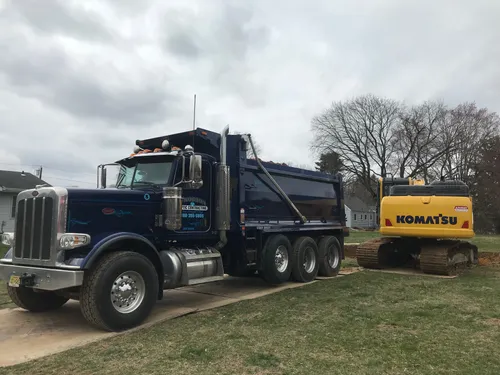
A Norton Septic Contracting is a full-service septic company based in New York, NY, offering septic tank pumping, inspections, repairs, and installations. They serve residential and commercial clients and specialize in alternative septic systems like Hoot and Infiltrator. With over 30 years of experience, they provide NJDEP-compliant inspections and have developed effective repair methods for systems that fail prematurely. The company emphasizes proper maintenance and offers consultations to troubleshoot septic issues. They provide personalized service and handle each project from start to finish.
WHERE OLD MEETS NEW LLC
2a Great Meadow Ln, East Hanover, NJ 07936
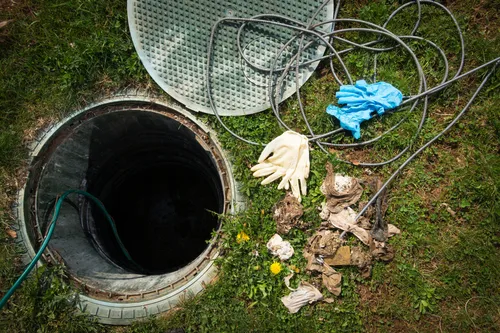
WHERE OLD MEETS NEW LLC is a family-operated septic service company based near New York, NY, serving the communities of Northern New Jersey. They provide full-service septic system maintenance, repair, and installation for both residential and commercial properties. With over 50 years of experience, the company offers expertise in all aspects of septic systems, including planning and permitting for new installations. WHERE OLD MEETS NEW LLC is licensed and insured, continuing a legacy that began with B Horstmann Septic Service founded in 1978.
Understanding Septic System Regulations in New Jersey
In North Brunswick, all septic system installations and replacements are governed by the New Jersey Department of Environmental Protection (NJDEP) under Title 7, Chapter 9A of the New Jersey Administrative Code (N.J.A.C. 7:9A). These regulations are designed to protect public health and groundwater quality. The process is managed locally by the North Brunswick Township Health Department or a municipal engineer, who must review and approve all system designs before any permits are issued. Attempting to proceed without the proper permits and inspections can result in significant fines, stop-work orders, and an unusable property.
The core of these regulations focuses on ensuring the soil on your property can properly treat and disperse wastewater. This is not a simple DIY project; it requires a coordinated effort between licensed site evaluators, professional engineers, and certified installers. The goal is to design a system that matches your household's needs while safeguarding the local environment from contamination.
The Critical First Step: Soil Testing and Site Evaluation
Before any design work can begin, a comprehensive site evaluation is mandatory. This is the most crucial factor determining the feasibility, type, and cost of your septic system.
- Soil Percolation Test ("Perc Test"): A licensed site evaluator must conduct a percolation test to measure the rate at which water drains through your soil. This involves excavating several test holes (typically 6 to 12 inches in diameter) to specific depths, saturating them for hours, and then timing the water drop. The results, measured in minutes per inch, directly dictate the size of the required drain field.
- Determining Soil Suitability: The evaluator also analyzes soil texture, structure, and consistency. A major regulatory constraint is the required separation distance-there must be at least two feet between the bottom of the proposed drain field and the seasonal high water table 1. Properties with high water tables or impermeable clay soils may require more complex (and expensive) alternative system designs.
- Site Constraints: The evaluator will note other factors like slope, proximity to wells, property lines, and surface water. All these elements influence the final system design and placement.
Design and Engineering: Turning Test Results into a Plan
Once the site evaluation is complete, a New Jersey-licensed professional engineer (PE) must use the data to design the septic system. This formal design plan, or "septic design," is submitted to the local health department for permit approval.
Key components the engineer specifies include:
- Septic Tank Size: New Jersey regulations typically require a minimum tank capacity of 1,000 gallons 2. The engineer will size the tank appropriately based on the number of bedrooms in the home.
- Drain Field Layout: The design will detail the exact dimensions, depth, and layout of the leach field based on the perc test results.
- System Type: For most properties with suitable soil, a conventional gravity-fed system is designed. For challenging sites, the engineer may design an alternative system, such as a pressure-dosed mound system or an aerobic treatment unit (ATU), which require pumps, electrical components, and more maintenance.
- Construction Specifications: The plan includes technical details on materials, pipe slopes, gravel specifications, and other construction requirements.
Securing Permits and Scheduling Inspections
You cannot break ground without the proper permits. Your installer or engineer will typically handle the permit application process with the North Brunswick Township Health Department. Permit fees can range from $250 to $1,500, depending on the project's complexity.
Inspections are required at multiple stages to ensure the installation matches the approved design 3:
- Pre-Installation: Verification of the staked-out site location.
- During Installation: Inspection of the excavated tank hole, the tank placement, and the drain field trenches before any pipes are covered.
- Final Inspection: After the system is fully installed and backfilled, a final inspection ensures everything is properly sealed, vented, and graded.
Passing these inspections is essential for obtaining a Certificate of Approval, which is necessary for closing on a new home or finalizing a major renovation.
Find the perfect septic tank installation & replacement contractors for your needs
Get personalized recommendations and expert advice
Understanding the Costs of Installation and Replacement
The cost for a new septic system or a full replacement in North Brunswick varies widely based on soil conditions, system type, and property accessibility. It's important to budget for the entire process, not just the physical installation.
- Soil Testing & Site Evaluation: $500 - $1,500 4
- Engineering & Design Fees: $2,000 - $4,000
- Local Permit Fees: $250 - $1,500 5
- Conventional System Installation: $15,000 - $35,000+ 6. This covers excavation, a 1,000+ gallon concrete or plastic tank, distribution boxes, piping, and the gravel-based drain field.
- Full System Replacement or Complex Site: $35,000 - $60,000+ 7 8. This higher range applies to complete replacements where old systems must be demolished, or for sites requiring alternative technologies like mound systems or advanced treatment units.
These are significant investments, underscoring the importance of proper maintenance once your system is installed to maximize its lifespan, which can be 25-40 years for a well-cared-for system.
Choosing the Right Professional for the Job
Given the technical and regulatory complexity, selecting the right team is paramount. Look for professionals with specific experience in Middlesex County and North Brunswick.
- Licensed Site Evaluator: Conducts the mandatory soil testing.
- Professional Engineer (PE): Creates the stamped design plans required for permits.
- Certified Installer: A contractor experienced in installing systems per NJDEP code and engineered plans. They should handle permitting and coordinate inspections.
- System Manufacturer: For alternative systems, some companies provide design-support and certified installers.
Always verify licenses, ask for references from similar local projects, and ensure they carry adequate insurance. A reputable professional will be transparent about the entire process, from initial evaluation to final inspection.
Maintaining Your New Septic System
After a successful installation, protecting your investment begins. Proper maintenance is required by law and is essential for system longevity.
- Regular Pumping: Have the tank pumped every 3-5 years by a licensed pumper.
- Water Conservation: Spread out water use and fix leaks to avoid overloading the drain field.
- Mind What You Flush: Only human waste and toilet paper should go down the drain. Avoid chemicals, grease, wipes, and other solids.
- Protect the Drain Field: Never drive or park over it, and keep roof drains and sump pumps directed away from the area.
A well-maintained system is a reliable and cost-effective wastewater solution for your North Brunswick home for decades to come.
Frequently asked questions
Sources
Footnotes
-
The Complete Guide to Septic System Installation and ... - https://excavatingnj.com/blog/the-complete-guide-to-septic-system-installation-and-permitting-in-new-jersey/ ↩
-
N.J. Admin. Code § 7:9A-8.2 - Septic tanks | State Regulations - https://www.law.cornell.edu/regulations/new-jersey/N-J-A-C-7-9A-8-2 ↩
-
Importance of Permits and Inspections in Septic Installation NJ - https://earthmoversnj.com/the-importance-of-permits-and-inspections-in-septic-installation-in-new-jersey/ ↩
-
The Complete Guide to Soil Testing for Septic System Design - https://www.mapengineering.net/the-complete-guide-to-soil-testing-for-septic-system-design/ ↩
-
Navigating Septic System Regulations: Expert Guidance for New Jersey Property Owners - https://www.mapengineering.net/navigating-septic-system-regulations/ ↩
-
NJ Septic Regulations for 2026: Inspections, Permits & Rules - https://www.atsenvironmental.com/blog/nj-septic-regulations-for-2026/ ↩
-
The Real Cost of Septic Installation in New Jersey (2025) - https://www.atsenvironmental.com/blog/the-real-cost-of-septic-installation-in-new-jersey-2025/ ↩
-
How Much Does It Cost To Replace A Septic System In Northern NJ? - https://dsepticservice.com/b/septic-system-replacement-cost-new-jersey/ ↩