
Find the Best Septic Tank Installation & Replacement Contractors for Your Business
No obligation • Fast responses • Nationwide coverage

Why you can trust Septic Spot
Septic Spot is a leading United States resource for understanding and comparing septic services. Our editors review providers using consistent criteria and verify key business details. Listings and scores are independent, and companies cannot pay to influence our content.
Search providers near you
Top Septic Tank Installation & Replacement Contractors in Passaic, New Jersey Ranked
Installing or replacing a septic system is a significant home improvement project that ensures the safe and effective treatment of household wastewater. In Passaic, this process is governed by strict state and county health regulations designed to protect public health and the local environment. This guide will help you understand the steps, costs, and key considerations for a new septic system installation or a full system replacement, empowering you to find qualified local professionals for the job.
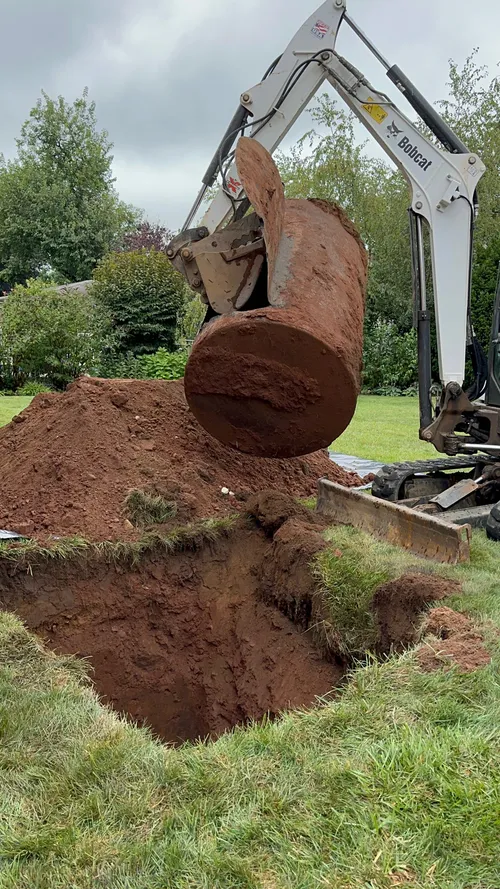
Water Resource Technologies
2 Kanouse Rd, Newfoundland, NJ 07435
Water Resource Technologies is a full-service environmental remediation and consulting company based near New York, NY. They specialize in septic system repair and installation, as well as residential heating oil tank services and environmental site remediation. Their expertise includes environmental drilling and borings, supporting a range of environmental and septic system needs.
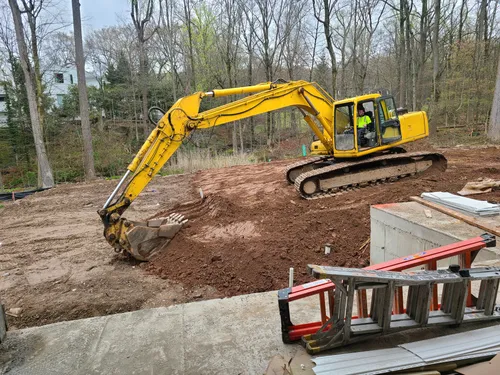
Ken Van Wyk land Improvement
106 Werimus Rd, Woodcliff Lake, NJ 07677
Ken Van Wyk Land Improvement is a septic tank installation contractor based in New York, NY. The company offers a range of excavation services including demolition, residential and commercial excavation, septic system installation, and rock wall installation. With over 40 years of experience, they handle tasks from land clearing to site grading, providing comprehensive site preparation for construction projects.
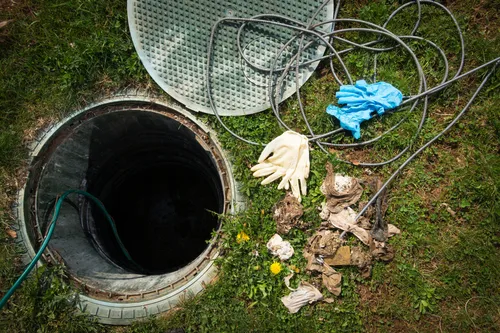
WHERE OLD MEETS NEW LLC
2a Great Meadow Ln, East Hanover, NJ 07936
WHERE OLD MEETS NEW LLC is a family-operated septic service company based near New York, NY, serving the communities of Northern New Jersey. They provide full-service septic system maintenance, repair, and installation for both residential and commercial properties. With over 50 years of experience, the company offers expertise in all aspects of septic systems, including planning and permitting for new installations. WHERE OLD MEETS NEW LLC is licensed and insured, continuing a legacy that began with B Horstmann Septic Service founded in 1978.
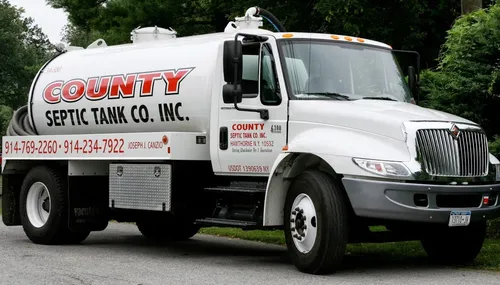
County Septic Tank Co
1 Broadway, Hawthorne, NY 10532
County Septic Tank Co is a family-owned business based in New York, NY, specializing in septic tank pumping, inspection, installation, and repair services. Serving Westchester County since 1956, the company brings over 70 years of experience in maintaining and servicing septic systems. Their expertise includes environmentally friendly septic products and comprehensive septic system maintenance to help prevent soil and water contamination. County Septic Tank Co emphasizes regular system checks and offers full septic consulting services to support system longevity and functionality.
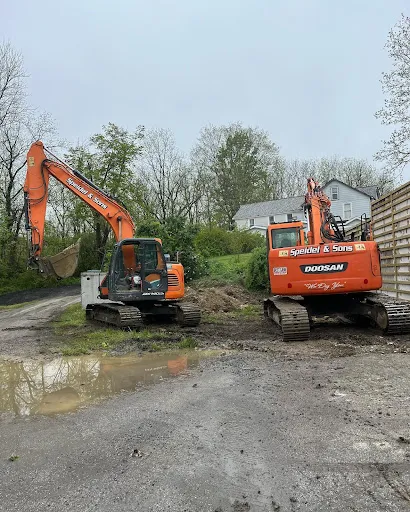
Speidel & Sons Septic Service
99 NJ-94, Vernon Township, NJ 07462
Speidel & Sons Septic Service provides comprehensive septic system services in New York, NY. They offer septic tank inspections, professional installation tailored to property needs, and prompt repairs by skilled technicians. Their services include thorough site assessments and regular maintenance to support efficient wastewater management.
Understanding the Need for a New Septic System
A properly functioning septic system is crucial for any home not connected to a municipal sewer line. You may be considering a new septic system installation for a new construction project, an addition to your home, or because your current onsite wastewater treatment system has failed. Common signs of failure include slow drains, sewage backups, soggy ground or foul odors in your yard, and persistently high levels of nitrates in well water tests. In New Jersey, a failing system is not just an inconvenience; it's a public health concern that requires prompt septic system replacement to avoid potential penalties and environmental contamination.
The Regulatory Landscape in Passaic County
All septic tank installations and replacements in Passaic are overseen by the Passaic County Department of Health Services, which enforces the New Jersey Administrative Code (N.J.A.C.) 7:9A standards 1. You cannot simply hire an excavator and begin digging. The process is designed to ensure the system is sized correctly for your household and installed in suitable soil conditions to prevent groundwater pollution.
The first and most critical step is obtaining the necessary permits. This requires submitting a design prepared by a licensed professional engineer for approval. The county will not issue a permit without this engineered plan, which is based on specific site and soil data.
Step 1: Professional Site Evaluation & Soil Testing
Before any design can be created, a detailed analysis of your property must be conducted. This is where soil percolation tests ("perc tests") come in. A licensed engineer or qualified soil evaluator will dig test pits or borings, typically 6 to 12 inches in diameter, to examine the soil profile and determine the water absorption rate.
During a perc test, water is introduced into a prepared hole, and the time it takes for the water level to drop a specific distance is meticulously measured. New Jersey standards require a percolation rate between 3 and 60 minutes per inch (MPI) for a conventional septic system to be viable 2. The entire testing process can take a full day or even span two days, depending on site conditions 3. This test is non-negotiable; it dictates the size and type of leach field or alternative system your property can support.
Step 2: System Design & Permit Acquisition
With the soil data in hand, a professional engineer designs the complete wastewater treatment system. The design will specify the septic tank capacity, the layout and dimensions of the absorption area (drain field), and any necessary pumps or advanced treatment components. This engineered plan is then submitted to the Passaic County Department of Health Services for review.
The permit approval timeline typically ranges from 4 to 8 weeks. You will need to pay permit fees to the health department, which generally range from $200 to $1,500, and may also require a separate building permit from your local municipality 4. It's important to factor this timeline into your overall project schedule, whether you're building a new home or replacing an old system.
Step 3: The Installation Process & Inspections
Once permits are in hand, the physical septic tank installation can begin. A reputable contractor will handle the excavation, placement of the septic tank (often concrete or plastic), and construction of the leach field according to the exact specifications of the approved plan.
The installation is closely monitored through a series of mandatory inspections conducted by the county health department 5:
- Initial Inspection: Verifies the site and soil conditions before major work begins.
- Open Pit Inspection: This crucial inspection occurs after the tank and leach field trenches are excavated but before any components are buried. The inspector checks the setup, materials, and layout for compliance.
- Final Inspection: After the system is fully installed and backfilled, a final inspection ensures everything is complete and operational.
Passing these inspections is essential for closing out the permit and legally putting your new system into use 6 7.
Find the perfect septic tank installation & replacement contractors for your needs
Get personalized recommendations and expert advice
Understanding the Costs of Septic System Installation
The total investment for a new septic system installation in Passaic can vary widely based on soil conditions, system size, and property complexity. It's helpful to break down the costs into two main categories: pre-construction and construction.
Pre-Construction & Soft Costs:
- Engineering Design & Soil Testing: $2,000 - $4,000
- Permit Fees (Health & Building): $300 - $1,500
- Total for Design/Permitting Phase: Approximately $3,700 - $8,300
Construction & Installation Costs:
This covers excavation, the septic tank, piping, gravel, leach field construction, and labor. The wide range accounts for a standard drain field for favorable soil versus more complex systems like mound systems or aerobic treatment units (ATUs) required for poor-draining soils or small lots, which can drive costs significantly higher.
Choosing Between Repair and Full Replacement
Not all system problems require a full septic system replacement. Sometimes, issues are isolated to a clogged pipe, a damaged baffle, or a small section of the drain field. A thorough inspection by a professional can diagnose the problem. However, if the tank is structurally compromised, the drain field is completely saturated (a condition known as "failure"), or the system is undersized for the current home's needs, replacement is the only viable long-term solution 10.
Investing in a proper replacement resolves health hazards, protects your property value, and brings your system up to current code standards. It's also an opportunity to install a more efficient, modern system.
Maintaining Your New Septic Investment
After completing a major septic tank replacement or new installation, proper maintenance is key to ensuring its longevity. This includes regular pumping every 3-5 years, conserving water to avoid overloading the system, and being mindful of what goes down the drains. Avoid flushing chemicals, grease, and non-biodegradable materials. A well-maintained system can last for decades, protecting your investment and the environment.
Frequently asked questions
Sources
Footnotes
-
New Jersey Septic System Rules - 2026 Guide - https://thesewerkings.com/blog/new-jersey-septic-system-rules/ ↩
-
N.J. Admin. Code § 7:9A-6.4 - Percolation test | State Regulations - https://www.law.cornell.edu/regulations/new-jersey/N-J-A-C-7-9A-6-4 ↩
-
Understanding Your Septic System Design and Installation ... - https://www.mapengineering.net/understanding-your-septic-system-design-and-installation-timeline/ ↩
-
New Jersey Septic Tank Rules And Regulations - https://www.arrowsewernj.com/blog/septic-tanks-in-new-jersey-what-you-need-to-know/ ↩
-
Registered Environmental Health Services | Passaic County, NJ - https://www.passaiccountynj.org/departments/health/environmental-health-division/registered-environmental-health-division ↩
-
Septic System Install Timeline | RCI Septic Service - https://www.rciseptic.com/complete-step-by-step-timeline-septic-system-installation-from-permit-to-finish ↩
-
The Complete Guide to Soil Testing for Septic System Design - https://www.mapengineering.net/the-complete-guide-to-soil-testing-for-septic-system-design/ ↩
-
The Real Cost of Septic Installation in New Jersey (2025) - https://www.atsenvironmental.com/blog/the-real-cost-of-septic-installation-in-new-jersey-2025/ ↩
-
NJ Septic Regulations for 2026: Inspections, Permits & Rules - https://www.atsenvironmental.com/blog/nj-septic-regulations-for-2026/ ↩
-
New Jersey Septic System Replacement & Installation | ATS - https://www.atsenvironmental.com/residential/septic-system-installation-replacement/ ↩