Find the Best Septic Tank Installation & Replacement Contractors for Your Business
No obligation • Fast responses • Nationwide coverage

Why you can trust Septic Spot
Septic Spot is a leading United States resource for understanding and comparing septic services. Our editors review providers using consistent criteria and verify key business details. Listings and scores are independent, and companies cannot pay to influence our content.
Search providers near you
Top Septic Tank Installation & Replacement Contractors in Perth Amboy, New Jersey Ranked
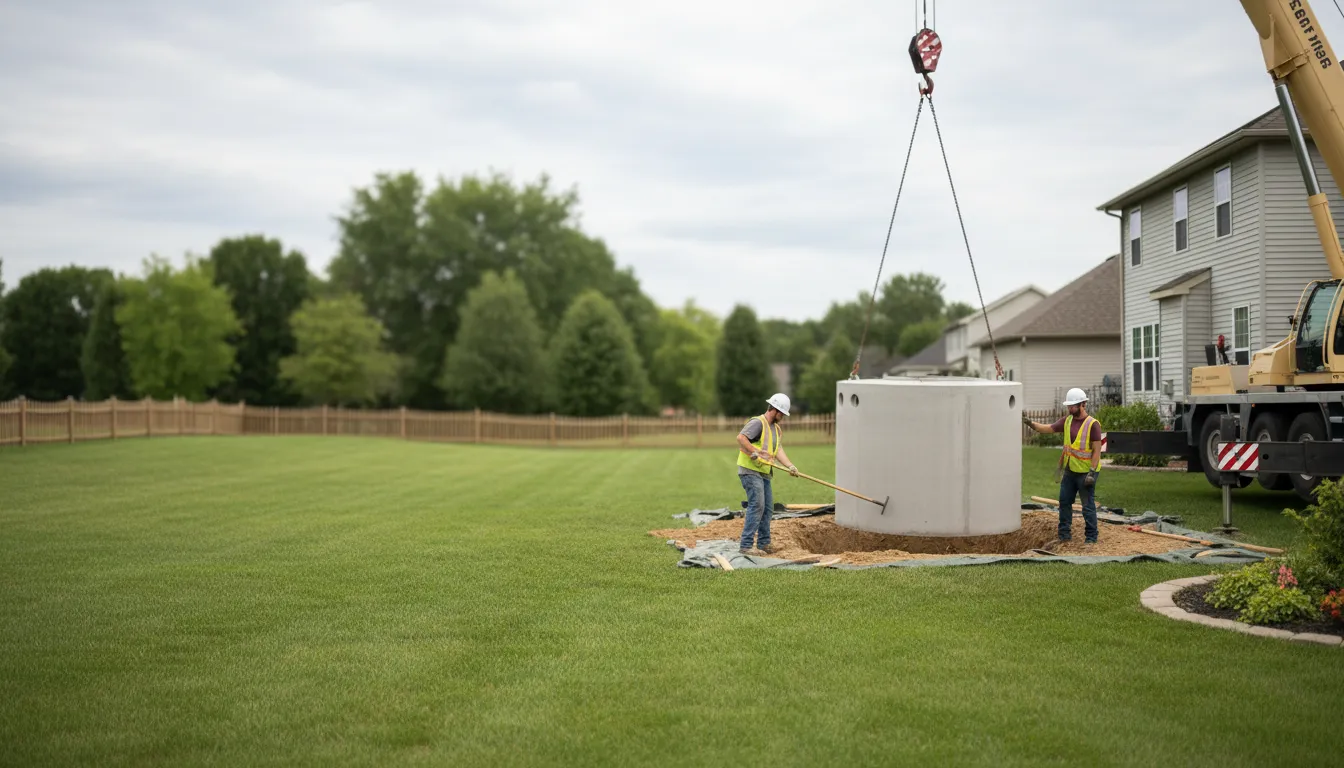
Installing or replacing a septic system is a significant investment in your property's infrastructure and environmental health. In Perth Amboy, this process is governed by strict state and local regulations to protect groundwater and public safety. Whether you're building a new home, replacing a failing system, or upgrading an existing one, understanding the required steps, permits, and costs is crucial. This guide provides a clear overview of the septic system installation and replacement process, helping you navigate the journey from soil testing to final inspection with confidence.
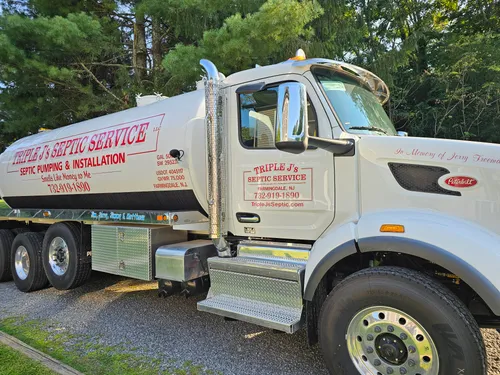
Triple J's Septic Services LLC
34 Asbury Ave, Farmingdale, NJ 07727
Triple J's Septic Services LLC is a family-owned business based in Lakewood, NJ, providing septic tank pumping, repairs, and installation services. Established in the late 1980s by Gerald Freeman, the company holds an A-901 State License, ensuring compliance with New Jersey regulations. They also offer grease trap pumping and manage complex projects involving engineering and additional contractors. With decades of experience, Triple J's supports customers through every step of septic system care and maintenance.
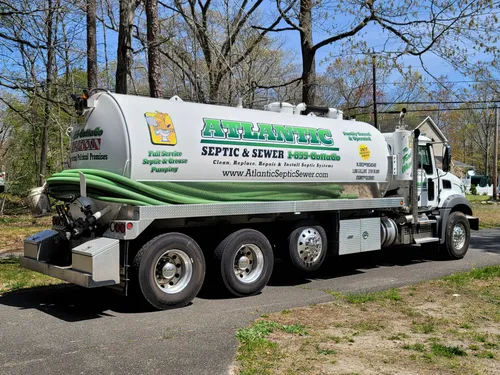
Atlantic Sitton Services, Inc.
647 Herman Rd, Jackson Township, NJ 08527
Atlantic Sitton Services, Inc. provides septic system installation, repair, inspection, and pumping services in Lakewood, NJ. They serve residential, commercial, and government clients across New Jersey, offering additional services such as grease trap cleaning, grease tank pumping, and used cooking oil collection for recycling. Their certified technicians handle septic system jetting, sludge and liquid waste removal, and new construction excavation. With over 30 years of experience, Atlantic Sitton Services emphasizes environmentally conscientious practices and offers emergency services 24/7 to support system functionality and environmental health.
A Norton Septic Contracting
3171 US-9, Old Bridge, NJ 08857
A Norton Septic Contracting is a full-service septic company based in New York, NY, offering septic tank pumping, inspections, repairs, and installations. They serve residential and commercial clients and specialize in alternative septic systems like Hoot and Infiltrator. With over 30 years of experience, they provide NJDEP-compliant inspections and have developed effective repair methods for systems that fail prematurely. The company emphasizes proper maintenance and offers consultations to troubleshoot septic issues. They provide personalized service and handle each project from start to finish.
WHERE OLD MEETS NEW LLC
2a Great Meadow Ln, East Hanover, NJ 07936
WHERE OLD MEETS NEW LLC is a family-operated septic service company based near New York, NY, serving the communities of Northern New Jersey. They provide full-service septic system maintenance, repair, and installation for both residential and commercial properties. With over 50 years of experience, the company offers expertise in all aspects of septic systems, including planning and permitting for new installations. WHERE OLD MEETS NEW LLC is licensed and insured, continuing a legacy that began with B Horstmann Septic Service founded in 1978.
Michael Smith Excavating & Septic Systems LLC
205 Bordentown Turnpike, Monroe Township, NJ 08831
Michael Smith Excavating & Septic Systems LLC is a locally owned company based in Monroe Township, NJ, serving New York, NY, and surrounding areas. Established in 1970, the company specializes in septic system installation, repair, inspection, and excavation services for both residential and commercial properties. Their expertise includes comprehensive septic system repairs, drain field replacement, and land excavation tailored to client needs. With over 55 years of experience, they hold certification as septic professionals and are members of the New Jersey Septic Management Association.
Understanding Septic System Basics in New Jersey
A septic system is an on-site wastewater treatment system, typically consisting of a tank and a soil absorption area (drainfield). In New Jersey, all septic system work, including new installations, repairs, and replacements, must comply with the New Jersey Department of Environmental Protection (NJDEP) standards, specifically NJAC 7:9A. These rules are enforced locally by the Perth Amboy Health Department or the relevant local health authority, which issues all necessary permits.
The design of your system is not one-size-fits-all. It is based on a professional site evaluation that determines the soil's ability to absorb and treat wastewater. For a residence, the septic tank itself must have a minimum capacity of 1,000 gallons, with an additional 250 gallons required for each bedroom in the home. This ensures adequate retention time for solids to settle before effluent flows to the drainfield.
The Critical First Step: Site Evaluation and Soil Testing
Before any design can be created, a licensed professional engineer or a certified soil scientist must perform a comprehensive site evaluation. This is the most important phase, as the soil conditions dictate the type and size of the entire wastewater treatment system.
The evaluation involves digging test pits to create soil logs, which detail the composition and layers of soil on your property1 2. The key test is a percolation (or "perc") test, which measures the rate at which water drains through the soil1 3. This absorption rate, along with the determination of the seasonal high water table, directly calculates the required size of the drainfield. Poor soil percolation or a high water table may necessitate a more complex (and costly) engineered system, such as a mound or sand filter system.
Navigating the Permit Process
Once the site evaluation is complete and a system design has been drafted by a licensed professional, the formal permit application begins. This process can take approximately 4 to 8 weeks for approval.
- Application Submission: The detailed design plans, including the site plan and soil test results, are submitted to the local Health Department for review.
- Plan Review: Local authorities meticulously review the submission for compliance with NJDEP technical standards (NJAC 7:9A) and any local ordinances.
- Permit Issuance: Upon approval, a construction permit is issued, authorizing the installation to begin. It's crucial to understand that all work must be performed according to the approved plans 4.
Permit fees in New Jersey can range from $200 to $1,500, depending on the jurisdiction and complexity of the project.
Key Regulations and Setback Requirements
New Jersey's septic code includes specific setback distances that must be maintained to protect water sources and structures. While exact distances can vary slightly by municipality, common requirements include:
- 50 to 100 feet from private wells or water supply lines.
- 10 to 25 feet from building foundations and property lines.
- Specific distances from streams, lakes, and wetlands 5.
These setbacks are non-negotiable and are a primary factor in determining where a new septic system or replacement drainfield can be located on your lot.
The Installation & Inspection Phases
With permit in hand, the physical installation can commence. This process is closely monitored through mandatory inspections at critical stages.
- Pre-Installation Inspection: The inspector reviews the staked-out site to ensure it matches the approved plans.
- During Installation: Key inspections occur when the excavation is open. The inspector will check the tank's placement, level, and integrity, the layout and slope of distribution pipes, and the gravel bed in the drainfield before it is covered.
- Final Inspection: After the system is fully installed and the site is graded, a final inspection ensures everything is sealed, functioning, and that the ground surface directs rainwater away from the system area.
Passing these inspections is required for the system to be officially approved for use.
Find the perfect septic tank installation & replacement contractors for your needs
Get personalized recommendations and expert advice
Understanding the Costs of Septic Work
The total cost for septic tank installation or replacement in the Perth Amboy area varies widely based on soil conditions, system type, and property accessibility. It's important to budget for both professional services and construction.
- Professional Services (Engineering & Soil Testing): $3,000 - $7,000+.
- Excavation & Labor: $3,000 - $6,000 for excavation, plus $2,500 - $5,000 for labor 6.
- System Installation:
- Replacement of an existing conventional system: $10,000 - $15,0007.
- New conventional system installation: $15,000 - $25,0008.
These figures are estimates, and obtaining multiple detailed quotes from licensed installers is essential.
Choosing Between Repair and Full Replacement
If you're experiencing issues with an existing system, a professional assessment is needed to determine the best course of action. Sometimes, problems like a clogged pipe or a malfunctioning pump can be repaired. However, if the drainfield has failed due to age, compaction, or biomat buildup, a full system replacement is often the only permanent solution. A replacement typically requires a new permit and a new site evaluation, as the replacement field must often be located in a different area of the yard than the original.
Maintaining Your New Septic Investment
After a successful installation, proper maintenance is key to a long system life. This includes regular pumping of the tank (typically every 3-5 years), conserving water to avoid overloading the system, and avoiding flushing harmful chemicals or non-biodegradable materials. Protecting the drainfield area from vehicle traffic and deep-rooted plants is also critical.
Frequently asked questions
Sources
Footnotes
-
New Jersey Septic System Rules - 2026 Guide - https://thesewerkings.com/blog/new-jersey-septic-system-rules/ ↩ ↩2
-
The Complete Guide to Septic System Installation and ... - https://excavatingnj.com/blog/the-complete-guide-to-septic-system-installation-and-permitting-in-new-jersey/ ↩
-
Importance of Permits and Inspections in Septic Installation NJ - https://earthmoversnj.com/the-importance-of-permits-and-inspections-in-septic-installation-in-new-jersey/ ↩
-
NJDEP| Division of Water Quality | Permitting Information - https://dep.nj.gov/dwq/wastewater/septic-systems/permitting-information/ ↩
-
Title: A Complete Guide to New Septic System Installation in ... - https://earthscapenj.com/title-a-complete-guide-to-new-septic-system-installation-in-new-jersey/ ↩
-
Navigating Septic System Regulations: Expert Guidance for New Jersey Property Owners - https://www.mapengineering.net/navigating-septic-system-regulations/ ↩
-
How Much Does It Cost To Replace A Septic System In Northern NJ? - https://dsepticservice.com/b/septic-system-replacement-cost-new-jersey/ ↩
-
New Jersey Septic Tank Rules And Regulations - https://www.arrowsewernj.com/blog/septic-tanks-in-new-jersey-what-you-need-to-know/ ↩
-
NJ Septic Regulations for 2026: Inspections, Permits & Rules - https://www.atsenvironmental.com/blog/nj-septic-regulations-for-2026/ ↩
-
The Real Cost of Septic Installation in New Jersey (2025) - https://www.atsenvironmental.com/blog/the-real-cost-of-septic-installation-in-new-jersey-2025/ ↩