Find the Best Septic Tank Installation & Replacement Contractors for Your Business
No obligation • Fast responses • Nationwide coverage

Why you can trust Septic Spot
Septic Spot is a leading United States resource for understanding and comparing septic services. Our editors review providers using consistent criteria and verify key business details. Listings and scores are independent, and companies cannot pay to influence our content.
Search providers near you
Top Septic Tank Installation & Replacement Contractors in Plainfield, New Jersey Ranked
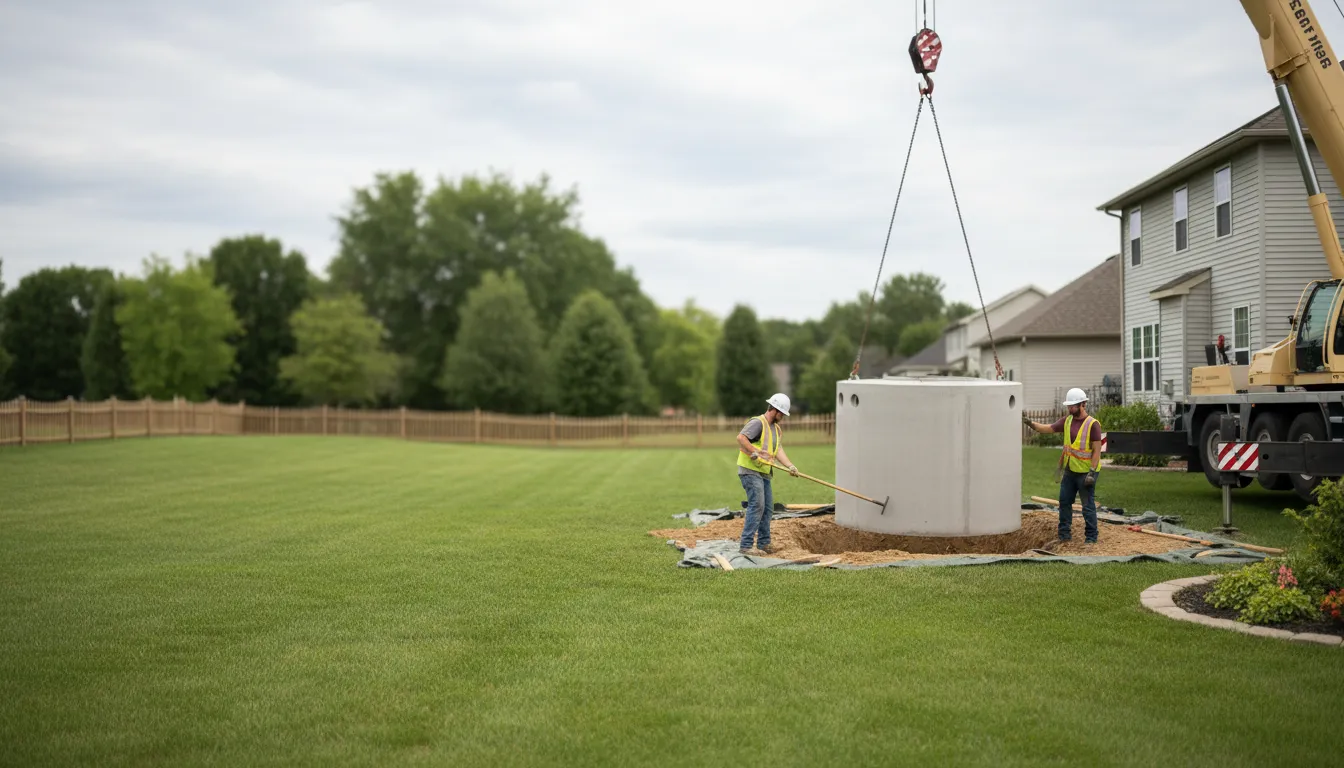
Installing or replacing a septic system is a significant investment in your property's long-term functionality and environmental health. In Plainfield, this process is governed by strict state and local regulations designed to protect groundwater and public safety. This guide explains the critical steps, costs, and requirements for septic system work in Plainfield, helping you understand the process and connect with qualified local professionals to manage your project successfully.
Water Resource Technologies
2 Kanouse Rd, Newfoundland, NJ 07435
Water Resource Technologies is a full-service environmental remediation and consulting company based near New York, NY. They specialize in septic system repair and installation, as well as residential heating oil tank services and environmental site remediation. Their expertise includes environmental drilling and borings, supporting a range of environmental and septic system needs.
A Norton Septic Contracting
3171 US-9, Old Bridge, NJ 08857
A Norton Septic Contracting is a full-service septic company based in New York, NY, offering septic tank pumping, inspections, repairs, and installations. They serve residential and commercial clients and specialize in alternative septic systems like Hoot and Infiltrator. With over 30 years of experience, they provide NJDEP-compliant inspections and have developed effective repair methods for systems that fail prematurely. The company emphasizes proper maintenance and offers consultations to troubleshoot septic issues. They provide personalized service and handle each project from start to finish.
WHERE OLD MEETS NEW LLC
2a Great Meadow Ln, East Hanover, NJ 07936
WHERE OLD MEETS NEW LLC is a family-operated septic service company based near New York, NY, serving the communities of Northern New Jersey. They provide full-service septic system maintenance, repair, and installation for both residential and commercial properties. With over 50 years of experience, the company offers expertise in all aspects of septic systems, including planning and permitting for new installations. WHERE OLD MEETS NEW LLC is licensed and insured, continuing a legacy that began with B Horstmann Septic Service founded in 1978.
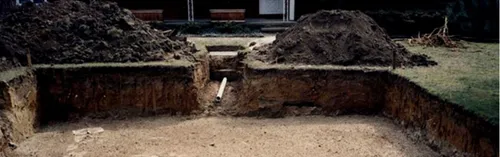
Michael Smith Excavating & Septic Systems LLC
205 Bordentown Turnpike, Monroe Township, NJ 08831
Michael Smith Excavating & Septic Systems LLC is a locally owned company based in Monroe Township, NJ, serving New York, NY, and surrounding areas. Established in 1970, the company specializes in septic system installation, repair, inspection, and excavation services for both residential and commercial properties. Their expertise includes comprehensive septic system repairs, drain field replacement, and land excavation tailored to client needs. With over 55 years of experience, they hold certification as septic professionals and are members of the New Jersey Septic Management Association.
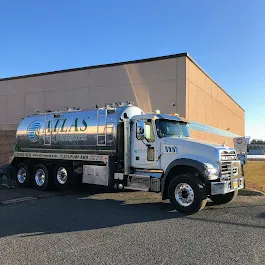
Atlas Septic Inc.
243 Throckmorton St, Freehold, NJ 07728
Atlas Septic Inc. is a licensed septic service provider based near New York, NY, serving Monmouth, NJ and surrounding counties. The company offers a range of septic system services including installation, pumping, inspection, and repair. They utilize advanced equipment such as high-pressure jet vac technology to clear clogs and grease trap pumping to maintain system health. With over 35 years of experience, Atlas Septic Inc. provides 24/7 emergency services and same-day repair estimates to address urgent needs promptly.
Understanding the Regulatory Landscape in Plainfield
All new septic system installations, replacements, and major repairs in Plainfield require a permit from the local health department, which enforces the New Jersey Department of Environmental Protection (NJDEP) standards (NJAC 7:9A). These regulations are not mere suggestions; they are legally binding codes that dictate everything from system design to final inspection. The primary goal is to ensure wastewater is treated effectively without contaminating groundwater, which is why the rules include specific requirements for soil permeability and separation distances from groundwater (typically a minimum of 2 feet) 1 2. Before any digging begins, you must navigate this approval process, which is why working with licensed experts is non-negotiable.
The Step-by-Step Process for System Installation
A septic system project is a multi-stage endeavor that can take several months from start to finish. Understanding this timeline helps set realistic expectations.
1. Initial Site Evaluation and Soil Testing The first technical step is a comprehensive site evaluation. A licensed soil scientist must perform percolation (perc) tests to determine how quickly water drains through your property's soil 3. This test is crucial as it dictates the size and type of drainfield needed. In Plainfield, soil tests typically cost between $500 and $1,500. This evaluation will also note the property's topography, water table depth, and proximity to wells or water bodies.
2. Engineering Design and Plan Submission Once the soil data is collected, a licensed professional engineer must design the septic system 4. This engineered plan specifies the tank size, drainfield layout, and all components, ensuring compliance with NJDEP codes. The design fee generally ranges from $2,000 to $4,000. This plan, along with the soil test report and a completed application, is then submitted to the Plainfield Health Department for review.
3. Permit Approval and Fees The health department will review the submitted plans. This permit approval phase alone can take 4 to 8 weeks. Permit fees in New Jersey can vary widely, from $250 to $1,500, depending on the scope of the project and local fee schedules 5. Do not proceed with any work until you have the permit in hand.
Find the perfect septic tank installation & replacement contractors for your needs
Get personalized recommendations and expert advice
4. Installation and Critical Inspections With permit secured, installation can begin. A crucial milestone is the pre-cover inspection. Before the septic tank and drainfield are backfilled, a health department inspector must visit the site to verify the installation matches the approved plans 6. This inspection is mandatory-covering the system before it is approved will result in violations and costly rework.
5. Final Inspection and Certificate of Compliance After installation is complete and the site is restored, a final inspection is conducted. Once the system passes, the health department issues a Certificate of Compliance. This certificate is an essential document for your property records and is often required during real estate transactions. From initial testing to this final approval, the entire project timeline often spans 12 to 20 weeks.
Key Factors Influencing System Cost and Design
The total cost for a standard septic system installation or full replacement in Plainfield typically falls between $15,000 and $35,000 or more 7. Several variables directly impact the final price.
- System Capacity and Tank Size: Residential systems are sized based on the number of bedrooms in a home, not the number of bathrooms. New Jersey often requires a minimum 1,000-gallon tank for a 2-3 bedroom home. Larger homes require larger tanks and more extensive drainfields, increasing material and labor costs.
- Soil Conditions and Site Work: Poor-draining soil may require a larger, more complex drainfield or an advanced treatment system, which can significantly increase costs. Difficult site access, rocky terrain, or extensive tree clearing also add to excavation expenses.
- System Type: While a conventional gravity-fed system is most common, alternative systems like mound systems, aerobic treatment units (ATUs), or sand filters may be necessary for challenging sites. These advanced systems have higher upfront costs for both equipment and installation.
- Professional Services: Remember to budget for the required professional services outside of excavation and installation: soil testing ($500-$1,500), engineering design ($2,000-$4,000), and permit fees ($250-$1,500) 8.
When is Septic System Replacement Necessary?
Understanding when to repair versus replace your onsite wastewater system can save you money and prevent emergencies. Consider replacement if you experience:
- Persistent Drainfield Failure: Sewage surfacing in your yard, chronically soggy soil over the drainfield, or plumbing backups that persist after tank pumping are strong indicators of drainfield failure.
- Major Component Failure: A cracked or collapsed septic tank, which often requires full excavation and replacement.
- Home Expansion: If you're adding bedrooms to your home, local regulations will likely require you to upgrade your septic system to handle the increased wastewater flow.
- Failed Inspection: During a real estate transaction or routine maintenance inspection, a severe issue may be flagged that necessitates a new system to obtain a Certificate of Compliance.
Choosing a Qualified Professional in Plainfield
Given the regulatory complexity, your choice of contractor is paramount. Look for a licensed installer with extensive experience in Union County and a proven track record of securing approvals from the Plainfield Health Department. They should work seamlessly with licensed soil scientists and professional engineers. Always verify insurance and ask for references from recent projects in the area. A reputable professional will handle the permit process, schedule all required inspections, and ensure the job is done to code.
Maintenance: Protecting Your Investment Post-Installation
A new septic system is a long-term asset. Protect it with proper care:
- Regular Pumping: Have the tank pumped every 3-5 years by a licensed service.
- Water Conservation: Spread out water use and fix leaks to avoid overloading the drainfield.
- Mind What You Flush: Only human waste and toilet paper should go down the drain. Avoid chemicals, grease, and non-biodegradable items.
- Protect the Drainfield: Never drive or park vehicles over it, and keep large plants and trees with deep roots away from the area.
Disclaimer: Local requirements can change. It is always advisable to consult directly with the Plainfield Health Department for the most current rules and any locally adopted regulations that may be stricter than state standards 9.
Frequently asked questions
Sources
Footnotes
-
New Jersey Septic Tank Rules And Regulations - https://www.arrowsewernj.com/blog/septic-tanks-in-new-jersey-what-you-need-to-know/ ↩
-
The Complete Guide to Septic System Installation and ... - https://excavatingnj.com/blog/the-complete-guide-to-septic-system-installation-and-permitting-in-new-jersey/ ↩
-
New Jersey Septic System Rules - 2026 Guide - https://thesewerkings.com/blog/new-jersey-septic-system-rules/ ↩
-
Navigating Septic System Regulations: Expert Guidance for New Jersey Property Owners - https://www.mapengineering.net/navigating-septic-system-regulations/ ↩
-
Septic System Requirements Based on Home Size & Layout - https://speidelseptic.com/septic-system-requirements-home-size-layout-nj/ ↩
-
How Septic System Inspections Are Performed in New Jersey - https://thesewerkings.com/blog/septic-system-inspections/ ↩
-
The Real Cost of Septic Installation in New Jersey (2025) - https://www.atsenvironmental.com/blog/the-real-cost-of-septic-installation-in-new-jersey-2025/ ↩
-
NJ Septic Regulations for 2026: Inspections, Permits & Rules - https://www.atsenvironmental.com/blog/nj-septic-regulations-for-2026/ ↩
-
NJDEP| Division of Water Quality | Permitting Information - https://dep.nj.gov/dwq/wastewater/septic-systems/permitting-information/ ↩