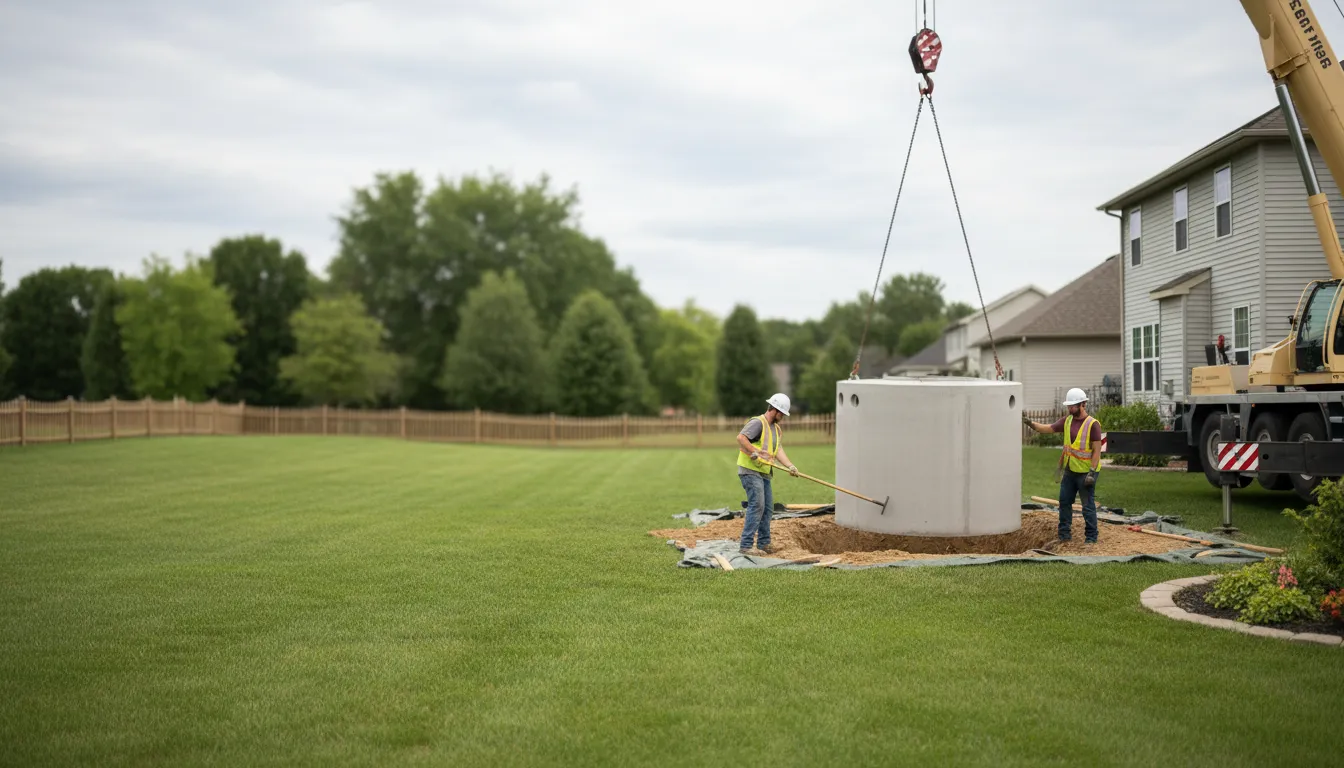
Find the Best Septic Tank Installation & Replacement Contractors for Your Business
No obligation • Fast responses • Nationwide coverage

Why you can trust Septic Spot
Septic Spot is a leading United States resource for understanding and comparing septic services. Our editors review providers using consistent criteria and verify key business details. Listings and scores are independent, and companies cannot pay to influence our content.
Search providers near you
Top Septic Tank Installation & Replacement Contractors in Toms River, New Jersey Ranked
Installing or replacing a septic system in Toms River is a significant project that requires careful planning and strict adherence to state and local regulations. A properly designed and permitted septic system is crucial for protecting your property, your family's health, and the sensitive coastal environment of the Barnegat Bay watershed. This guide outlines the key steps, costs, and regulatory requirements to help you navigate the process of finding qualified local professionals for your septic system project.
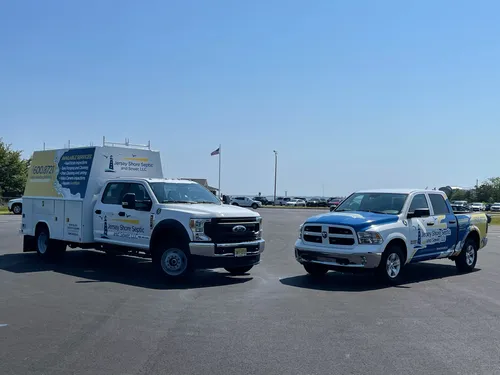
Jersey Shore Septic And Sewer LLC
Lakewood, NJ
Jersey Shore Septic And Sewer LLC is a family-owned and operated business serving Lakewood, NJ, and surrounding counties including Atlantic, Middlesex, Monmouth, and Ocean. With over a decade of experience, they provide residential and commercial septic services such as septic tank pumping, inspections, repairs, replacements, and new installations. Their team holds CDL-A licenses and is trained to perform specialized services like video camera inspections and high-pressure water jetting. The company also offers excavation and commercial snow removal services.
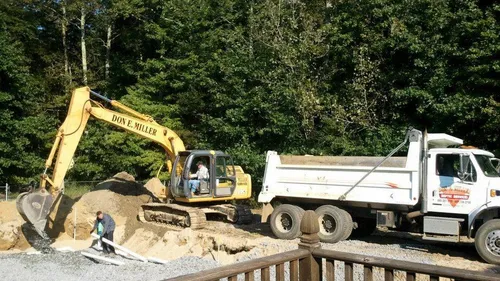
Don E Miller Septic Service Inc & Donny's Potty's
362 Meany Rd, North Hanover, NJ 08562
Don E Miller Septic Service Inc & Donny's Potty's is a family-owned septic service provider based near Philadelphia, PA. They offer a wide range of septic system services including pumping, inspections, repairs, and installations, as well as portable toilet rentals for residential, commercial, and municipal customers. The company has been serving the North Hanover Township area and surroundings since 1963, providing expertise in maintaining and installing various septic system components such as dosing pumps, grease traps, and effluent filters.
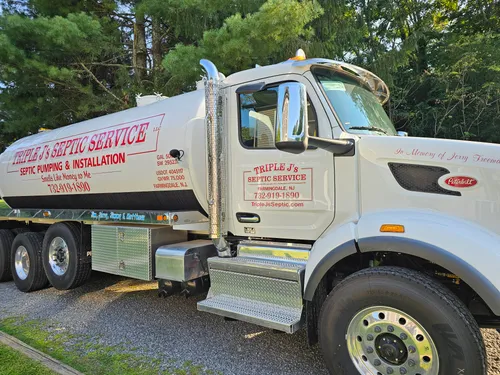
Triple J's Septic Services LLC
34 Asbury Ave, Farmingdale, NJ 07727
Triple J's Septic Services LLC is a family-owned business based in Lakewood, NJ, providing septic tank pumping, repairs, and installation services. Established in the late 1980s by Gerald Freeman, the company holds an A-901 State License, ensuring compliance with New Jersey regulations. They also offer grease trap pumping and manage complex projects involving engineering and additional contractors. With decades of experience, Triple J's supports customers through every step of septic system care and maintenance.
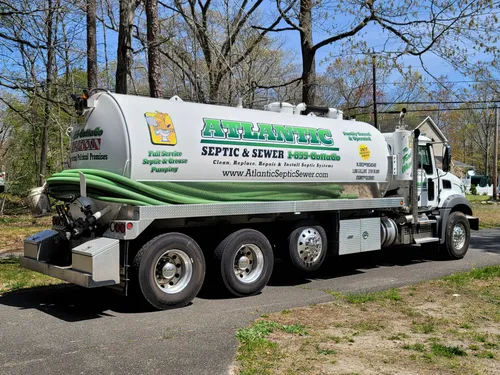
Atlantic Sitton Services, Inc.
647 Herman Rd, Jackson Township, NJ 08527
Atlantic Sitton Services, Inc. provides septic system installation, repair, inspection, and pumping services in Lakewood, NJ. They serve residential, commercial, and government clients across New Jersey, offering additional services such as grease trap cleaning, grease tank pumping, and used cooking oil collection for recycling. Their certified technicians handle septic system jetting, sludge and liquid waste removal, and new construction excavation. With over 30 years of experience, Atlantic Sitton Services emphasizes environmentally conscientious practices and offers emergency services 24/7 to support system functionality and environmental health.
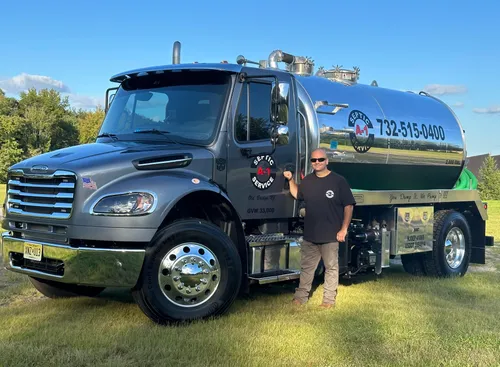
A-1 Septic Service,LLC
New York, NY
A-1 Septic Service, LLC is a family-owned septic service provider based in New York, NY, with a history dating back to 1956. They offer a range of services including septic pumping, inspection, cleaning, repair, and installation for residential and commercial systems. The company uses advanced tools and technology to maintain and service all types of septic tank systems. A-1 Septic Service is licensed, insured, and provides emergency services with 24/7 availability.
Understanding Toms River's Septic System Landscape
Toms River, situated in Ocean County, presents unique challenges for onsite wastewater treatment. The area's high water table, sandy soils, and proximity to coastal waterways mean that most new installations require engineered designs rather than conventional systems. The New Jersey Department of Environmental Protection (NJDEP) and the local Toms River/Ocean County Health Department enforce regulations under NJAC 7:9A to ensure systems function correctly and do not contaminate groundwater or surface water. Whether you're building a new home on a vacant lot or facing a mandatory system replacement, understanding this regulated process is the first step toward a successful project.
The Regulatory Framework: Permits and Engineering
In New Jersey, you cannot simply hire an excavator to install a septic tank. The process is overseen by licensed professionals and government agencies at multiple stages.
Permitting Authority: For residential systems with a design flow of less than 2,000 gallons per day, the Toms River/Ocean County Health Department is the primary permitting and inspection authority 1. For properties in coastal zones, additional NJDEP permits under CAFRA (Coastal Area Facility Review Act), Coastal Wetlands, or Waterfront Development rules may be required 2.
Mandatory Engineering Design: A cornerstone of New Jersey's approach is the requirement for a licensed professional engineer (PE) or a licensed land surveyor (LLS) with proper certification to design the septic system. The engineer conducts the initial site evaluation, designs the system based on soil data, submits the formal application, and oversees critical inspections during construction. This professional is your guide through the regulatory maze.
Key Setback Requirements: State law mandates minimum distances, or setbacks, between system components and other features. Generally, the septic tank and disposal field must be at least 50 feet from any well and 100 feet from streams, lakes, or other water bodies. Your engineer will ensure the design complies with all setback rules for your specific property.
Step-by-Step: From Soil Test to Final Inspection
The journey to a new septic system follows a defined sequence. Skipping or rushing any step can lead to permit denials, failed inspections, or a malfunctioning system.
1. Site Evaluation and Percolation Testing
The process begins with a comprehensive site evaluation by your hired engineer or a certified soil scientist. They will dig deep test pits to assess soil composition, depth to seasonal high groundwater, and bedrock. A percolation (perc) test measures the soil's ability to absorb water. The results of these tests determine the absorption rate, which dictates whether a standard trench system or a more advanced alternative system (like a sand filter or mound system) is necessary-a common requirement in Toms River's challenging soils 3.
2. System Design and Plan Submission
Using the soil data, the engineer creates detailed construction plans. These plans specify the tank size (typically a minimum of 1,000 gallons or 250 gallons per bedroom, whichever is greater), the type and dimensions of the disposal field, pipe layouts, and all other components 4. The complete application package, including the design plans, is then submitted to the Toms River/Ocean County Health Department for review 5.
3. Obtaining the Construction Permit
Once the health department approves the plans, they will issue a construction permit. This permit is your legal authorization to begin physical work. It will list the approved contractor (if specified in the application) and outline the required inspection stages. Do not start excavation before this permit is in hand.
4. The Installation Process and Critical Inspections
The licensed septic installer will follow the engineered plans exactly. Inspections are not just a formality; they are mandatory checkpoints that ensure the system is built to code.
- Pre-construction/Site Prep Inspection: An inspector verifies the staked layout and may examine open test pits before any major excavation begins.
- During Installation Inspection: This is the most critical stage. The inspector will examine the excavated hole, check the septic tank for proper placement and watertightness, inspect pipe connections and gradients, and examine the stone and piping in the disposal bed before it is covered with soil.
- Final Inspection: After backfilling and site restoration, a final inspection ensures the system is properly sealed, the ground is correctly graded to divert surface water, and the installation is complete and functional 6.
Find the perfect septic tank installation & replacement contractors for your needs
Get personalized recommendations and expert advice
Understanding Costs for Installation and Replacement
The investment for a septic system in Toms River is substantial, reflecting the engineering requirements and complex site conditions. Costs are highly variable and depend on soil type, system size, and the technology required.
Breakdown of Typical Costs:
- Soil Testing & Percolation Test: $500 - $1,500
- Engineering Design & Fees: $2,000 - $4,000
- Local Permit Fees: $200 - $1,500 7
- Installation (Labor & Materials): $15,000 - $35,000+
Total New System Installation: Given the frequent need for engineered alternative systems in the area, homeowners should budget an estimated $35,000 to $60,000 or more for a completely new septic system installation 8 9.
System Replacement Cost: If you are replacing a failed system in the same general location (a "repair in kind"), costs can be lower because some of the design work and permitting may be streamlined. However, if new regulations apply or the soil conditions have changed, a full redesign may be needed. A typical replacement range is $10,000 to $15,000 or more 10.
Choosing the Right Septic System Professional
Given the complexity, your choice of professionals is paramount. You will need a team typically consisting of:
- A licensed Professional Engineer (PE) specializing in wastewater to design the system and shepherd the permits.
- A licensed and insured septic installation contractor to perform the excavation and construction. Many firms offer both engineering and installation services. Look for extensive local experience in Toms River and Ocean County, proper state licenses, and a portfolio of successfully permitted systems. Always verify their standing with the local health department.
Maintaining Your New Septic Investment
Once your new system is operational, protect your investment with proper care. Pump the tank every 2-3 years, conserve water to avoid overloading the system, and avoid flushing harmful chemicals or non-biodegradable materials. Keep detailed records of inspections, pumping, and any maintenance for future reference and if you sell your property.
Frequently asked questions
Sources
Footnotes
-
NJDEP| Division of Water Quality | Permitting Information - https://dep.nj.gov/dwq/wastewater/septic-systems/permitting-information/ ↩
-
Watershed & Land Management | Septic System - NJDEP - https://dep.nj.gov/wlm/lrp/common-projects/septic-system/ ↩
-
Septic Tank - Understanding Septic Tank Permits and Regulations - https://westcoastsanitationinc.com/understanding-septic-tank-permits-and-regulations/ ↩
-
New Jersey Septic System Rules - 2026 Guide - https://thesewerkings.com/blog/new-jersey-septic-system-rules/ ↩
-
The Complete Guide to Septic System Installation and ... - https://excavatingnj.com/blog/the-complete-guide-to-septic-system-installation-and-permitting-in-new-jersey/ ↩
-
Importance of Permits and Inspections in Septic Installation NJ - https://earthmoversnj.com/the-importance-of-permits-and-inspections-in-septic-installation-in-new-jersey/ ↩
-
New Jersey Septic Tank Rules And Regulations - https://www.arrowsewernj.com/blog/septic-tanks-in-new-jersey-what-you-need-to-know/ ↩
-
NJ Septic Regulations for 2026: Inspections, Permits & Rules - https://www.atsenvironmental.com/blog/nj-septic-regulations-for-2026/ ↩
-
The Real Cost of Septic Installation in New Jersey (2025) - https://www.atsenvironmental.com/blog/the-real-cost-of-septic-installation-in-new-jersey-2025/ ↩
-
How Much Does It Cost To Replace A Septic System In Northern NJ? - https://dsepticservice.com/b/septic-system-replacement-cost-new-jersey/ ↩