Find the Best Septic Tank Installation & Replacement Contractors for Your Business
No obligation • Fast responses • Nationwide coverage

Why you can trust Septic Spot
Septic Spot is a leading United States resource for understanding and comparing septic services. Our editors review providers using consistent criteria and verify key business details. Listings and scores are independent, and companies cannot pay to influence our content.
Search providers near you
Top Septic Tank Installation & Replacement Contractors in Trenton, New Jersey Ranked
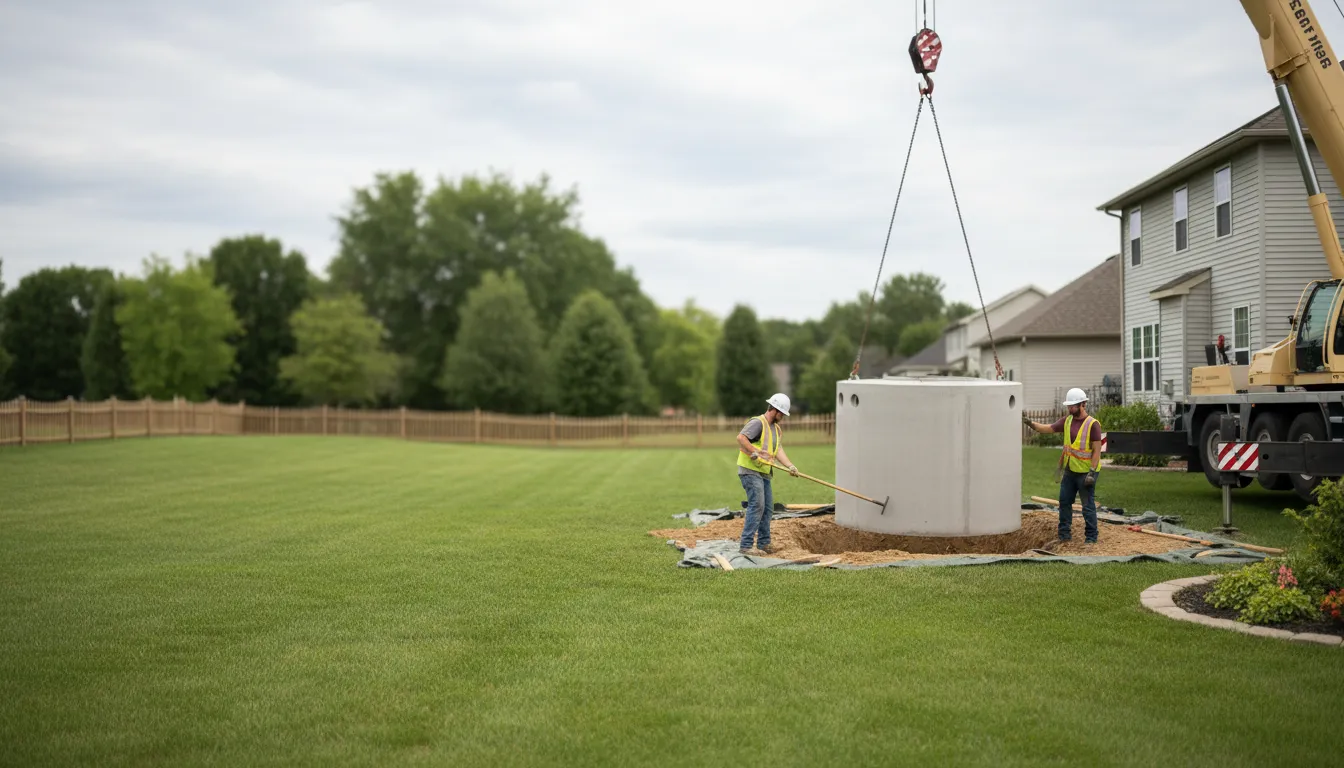
Installing or replacing a septic system is a significant investment in your Trenton property's infrastructure and environmental health. This process involves navigating strict state and local regulations, detailed site evaluations, and professional engineering to ensure a safe, long-lasting wastewater treatment solution. This guide explains the critical steps, costs, and local requirements for septic system work in Mercer County, helping you understand what to expect and how to connect with qualified local professionals for your project.
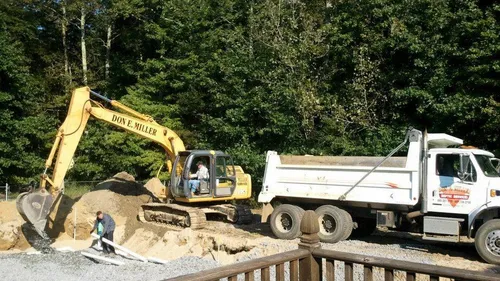
Don E Miller Septic Service Inc & Donny's Potty's
362 Meany Rd, North Hanover, NJ 08562
Don E Miller Septic Service Inc & Donny's Potty's is a family-owned septic service provider based near Philadelphia, PA. They offer a wide range of septic system services including pumping, inspections, repairs, and installations, as well as portable toilet rentals for residential, commercial, and municipal customers. The company has been serving the North Hanover Township area and surroundings since 1963, providing expertise in maintaining and installing various septic system components such as dosing pumps, grease traps, and effluent filters.
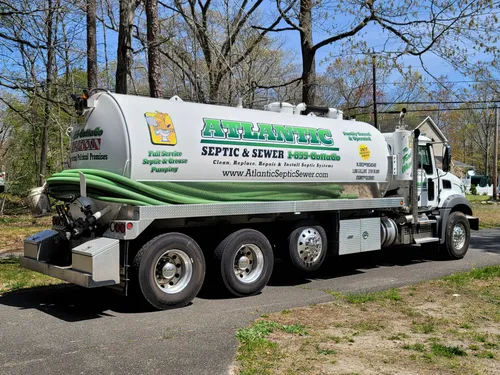
Atlantic Sitton Services, Inc.
647 Herman Rd, Jackson Township, NJ 08527
Atlantic Sitton Services, Inc. provides septic system installation, repair, inspection, and pumping services in Lakewood, NJ. They serve residential, commercial, and government clients across New Jersey, offering additional services such as grease trap cleaning, grease tank pumping, and used cooking oil collection for recycling. Their certified technicians handle septic system jetting, sludge and liquid waste removal, and new construction excavation. With over 30 years of experience, Atlantic Sitton Services emphasizes environmentally conscientious practices and offers emergency services 24/7 to support system functionality and environmental health.
A Norton Septic Contracting
3171 US-9, Old Bridge, NJ 08857
A Norton Septic Contracting is a full-service septic company based in New York, NY, offering septic tank pumping, inspections, repairs, and installations. They serve residential and commercial clients and specialize in alternative septic systems like Hoot and Infiltrator. With over 30 years of experience, they provide NJDEP-compliant inspections and have developed effective repair methods for systems that fail prematurely. The company emphasizes proper maintenance and offers consultations to troubleshoot septic issues. They provide personalized service and handle each project from start to finish.

Decker Septic
29 Constitution Dr, Vincentown, NJ 08088
Decker Septic is a septic system service provider based near Philadelphia, PA. They offer a range of services including septic tank pumping, inspections, repairs, installations, and drain field replacement. The company is experienced in handling septic pump repairs and replacements, as well as managing system components like collars and manhole covers to prevent flooding issues. Customers have noted their thorough approach to septic system replacement and maintenance, including assistance with engineering and county approvals. Decker Septic is known for working within tight timelines and maintaining property condition during their work.
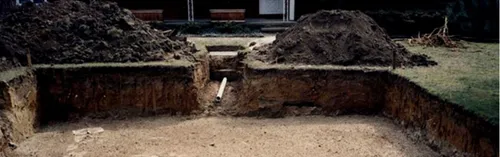
Michael Smith Excavating & Septic Systems LLC
205 Bordentown Turnpike, Monroe Township, NJ 08831
Michael Smith Excavating & Septic Systems LLC is a locally owned company based in Monroe Township, NJ, serving New York, NY, and surrounding areas. Established in 1970, the company specializes in septic system installation, repair, inspection, and excavation services for both residential and commercial properties. Their expertise includes comprehensive septic system repairs, drain field replacement, and land excavation tailored to client needs. With over 55 years of experience, they hold certification as septic professionals and are members of the New Jersey Septic Management Association.
Understanding Septic System Basics in New Jersey
A septic system is an on-site wastewater treatment system for properties not connected to a municipal sewer line. In New Jersey, these systems are heavily regulated under NJAC 7:9A standards, known as the Standards for Individual Subsurface Sewage Disposal Systems. The system typically consists of a watertight septic tank, which separates solids from liquids, and a drainfield (or leach field), where the treated liquid effluent is dispersed into the soil for final purification.
For Trenton and Mercer County residents, all new installations and replacements fall under the oversight of the New Jersey Department of Environmental Protection (NJDEP), but the actual permitting and inspection authority is your local health department. Adherence to these codes is not optional; it's mandatory for protecting groundwater and public health.
The Trenton & Mercer County Permitting Process
Before any digging begins, you must secure the proper permits. This is a multi-step process that starts with a site evaluation.
- Initial Site Evaluation and Soil Testing: A licensed site evaluator or professional engineer must assess your property. The cornerstone of this evaluation is the soil percolation test (often called a "perc test"). This test measures how quickly water drains through your soil, which directly determines the size and type of drainfield required 1. The test involves pre-soaking test holes and measuring the water drop rate over time, a process that can take 1-2 weeks to complete 1.
- System Design by a Licensed Professional: Based on the soil test results and property survey, a licensed professional engineer designs a system that complies with all state and local regulations. The design must account for:
- System Capacity: New Jersey requires a minimum 1,000-gallon septic tank or 250 gallons per bedroom, whichever is higher, for residential systems 2.
- Site Constraints: Strict setbacks from wells, property lines, and buildings must be maintained. Crucially, there must be a minimum 2-foot vertical separation between the bottom of the drainfield and the seasonal high water table.
- Special Conditions: Properties with high water tables, poor soil, or limited space may require an engineered or alternative system, such as a mound or aerobic treatment unit (ATU), which can be more complex and costly.
- Submission and Approval: The engineered design plans, along with the application and fees, are submitted to the Trenton/Mercer County Health Department for review and approval 3 4.
Key Steps in Installation and Inspection
Once permits are secured, the physical installation can proceed. This stage is closely monitored through a series of mandatory inspections.
- Excavation and Installation: Contractors will excavate for the septic tank and the designed drainfield. The tank is set and leveled, and distribution lines are laid in the drainfield trenches according to the approved plans.
- Critical Inspections: A local health department inspector must be present at key stages:
- Pre-Installation/Design Inspection: Verifies the site and soil conditions match the plan.
- Installation Inspection: Occurs after the tank and drainfield are placed but before they are buried. The inspector checks for proper placement, construction, and alignment with the approved design.
- Final Inspection: After the system is covered, a final sign-off verifies the installation is complete, watertight, and ready for use.
Skipping or failing an inspection can lead to costly rework, fines, or an invalid permit. Always ensure your contractor schedules these inspections.
Find the perfect septic tank installation & replacement contractors for your needs
Get personalized recommendations and expert advice
Cost Breakdown for Septic System Projects in Trenton
The total cost for a new septic system installation or full system replacement in the Trenton area is highly variable, primarily driven by soil conditions and system type. Here's a typical breakdown:
- Soil Percolation Test & Site Evaluation: $500-$1,500. This can be higher for complex properties with difficult access or unclear soil conditions 5 6.
- Engineering Design & Permitting: $3,700-$8,300. This fee covers the licensed engineer's work to create the system design and navigate the health department permit application, including all associated fees.
- System Installation: $15,000-$35,000+. This is the cost for the excavation, materials (tank, piping, gravel, etc.), and labor to install the system. A standard conventional gravity system for a typical home tends to fall in this range.
- Total Project Cost: For a standard installation, total costs often range from $15,000 to $35,000. However, if your site requires an alternative or engineered system due to poor soil or a high water table, the total project cost can easily exceed $40,000 to $50,000 7 8.
When is Septic System Replacement Necessary?
Understanding when to repair versus completely replace your system is crucial. Replacement follows the same rigorous permitting and installation process as a new installation 9. Consider replacement if you experience:
- Persistent Drainage Problems: Frequent backups, slow drains, or surfacing sewage in the yard.
- Drainfield Failure: Soggy ground or foul odors over the leach field area, even after pumping the tank.
- Major Component Failure: A cracked or collapsed septic tank, or severely compromised drainfield lines.
- Property Expansion: Adding bedrooms or increasing wastewater flow beyond the existing system's designed capacity.
Regular maintenance, including pumping the tank every 3-5 years, is the best way to extend the life of your system and avoid a premature, costly replacement 10 11.
Maintaining Your New or Replaced System
A new septic system is a long-term investment that requires proper care. After installation or replacement:
- Follow the Maintenance Schedule: Adhere to the recommended pumping schedule based on household size and usage. Keep detailed records of all service.
- Practice Water Efficiency: Spread out laundry loads, fix leaks promptly, and consider water-saving fixtures to avoid overloading the drainfield.
- Protect the Drainfield: Never drive or park vehicles over it. Keep roof drains, sump pumps, and other surface water away from the area. Plant only grass over the drainfield; tree and shrub roots can cause damage.
- Mind What You Flush: Only human waste and toilet paper should go into the system. Avoid chemicals, grease, diapers, wipes (even "flushable" ones), and medications.
For some advanced systems, the NJDEP or your local health department may require monthly or quarterly inspections by a licensed operator to ensure continued proper function 12.
Choosing a Qualified Contractor in Mercer County
Given the complexity and regulatory nature of this work, selecting the right professional is paramount. Look for contractors who:
- Are fully licensed and insured for septic system work in New Jersey.
- Have extensive experience with the Trenton and Mercer County Health Department's specific processes and inspectors.
- Can provide references for recent, similar projects in the area.
- Will handle the entire process, including coordinating soil tests, engineering, permits, and inspections.
- Offer clear, detailed written contracts with a defined scope of work and payment schedule.
A reputable contractor will be transparent about costs, timelines, and potential challenges based on your specific property conditions.
Frequently asked questions
Sources
Footnotes
-
N.J. Admin. Code § 7:9A-6.4 - Percolation test - Law.Cornell.Edu - https://www.law.cornell.edu/regulations/new-jersey/N-J-A-C-7-9A-6-4 ↩ ↩2
-
New Jersey Septic Tank Rules And Regulations - https://www.arrowsewernj.com/blog/septic-tanks-in-new-jersey-what-you-need-to-know/ ↩
-
NJDEP| Division of Water Quality | Permitting Information - https://dep.nj.gov/dwq/wastewater/septic-systems/permitting-information/ ↩
-
The Complete Guide to Septic System Installation and ... - https://excavatingnj.com/blog/the-complete-guide-to-septic-system-installation-and-permitting-in-new-jersey/ ↩
-
Title: A Complete Guide to New Septic System Installation in ... - https://earthscapenj.com/title-a-complete-guide-to-new-septic-system-installation-in-new-jersey/ ↩
-
Septic System Design Basics - High Plains Engineering & Consulting - https://hp-eng.com/2021/07/septic-system-design-basics/ ↩
-
NJ Septic Regulations for 2026: Inspections, Permits & Rules - https://www.atsenvironmental.com/blog/nj-septic-regulations-for-2026/ ↩
-
The Real Cost of Septic Installation in New Jersey (2025) - https://www.atsenvironmental.com/blog/the-real-cost-of-septic-installation-in-new-jersey-2025/ ↩
-
New Jersey Septic System Replacement & Installation | ATS - https://www.atsenvironmental.com/residential/septic-system-installation-replacement/ ↩
-
SEPTIC - NJ.gov - https://dep.nj.gov/wp-content/uploads/dwq/pdf/septicmn.pdf ↩
-
Compliance Advisory - NJ.gov - https://www.nj.gov/dep/enforcement/advisories/2022-11.pdf ↩
-
Watershed & Land Management | Septic System - NJDEP - https://dep.nj.gov/wlm/lrp/common-projects/septic-system/ ↩