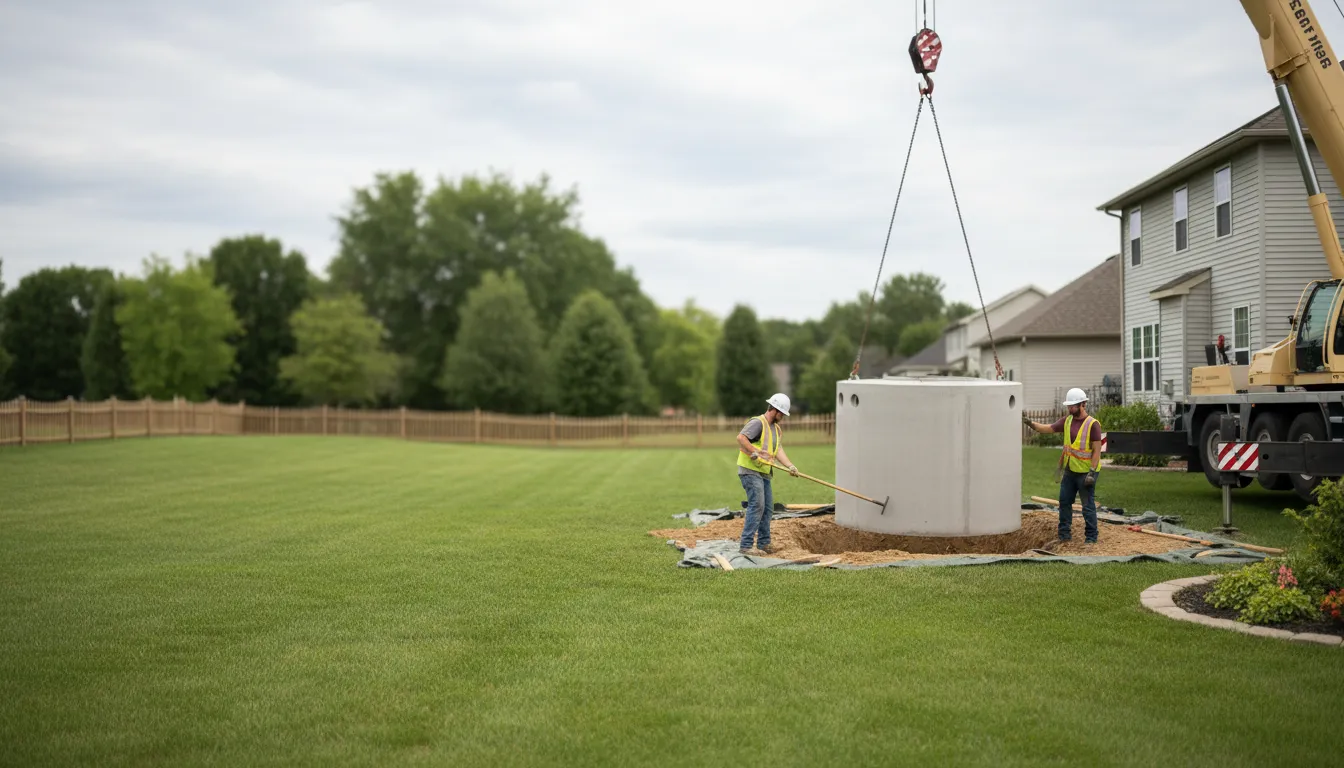
Find the Best Septic Tank Installation & Replacement Contractors for Your Business
No obligation • Fast responses • Nationwide coverage

Why you can trust Septic Spot
Septic Spot is a leading United States resource for understanding and comparing septic services. Our editors review providers using consistent criteria and verify key business details. Listings and scores are independent, and companies cannot pay to influence our content.
Search providers near you
Top Septic Tank Installation & Replacement Contractors in Union, New Jersey Ranked
Installing or replacing a septic system is a significant project that requires careful planning, professional expertise, and strict adherence to local and state regulations. For homeowners in Union, NJ, this process is governed by New Jersey's detailed standards for individual subsurface sewage disposal systems. A properly designed and installed septic system is crucial for protecting your property value, ensuring public health, and safeguarding the local environment. This guide will help you understand the key steps, costs, and regulations involved in septic system work in Union, so you can make informed decisions when selecting a qualified professional for your project.
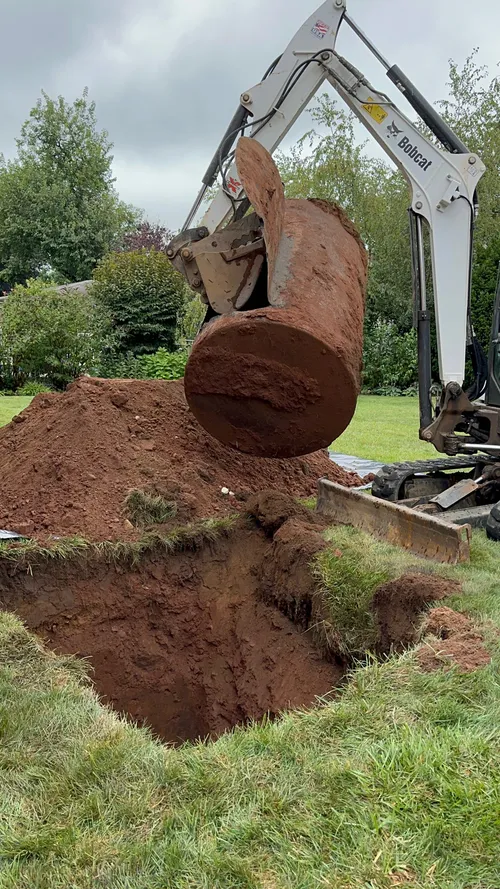
Water Resource Technologies
2 Kanouse Rd, Newfoundland, NJ 07435
Water Resource Technologies is a full-service environmental remediation and consulting company based near New York, NY. They specialize in septic system repair and installation, as well as residential heating oil tank services and environmental site remediation. Their expertise includes environmental drilling and borings, supporting a range of environmental and septic system needs.
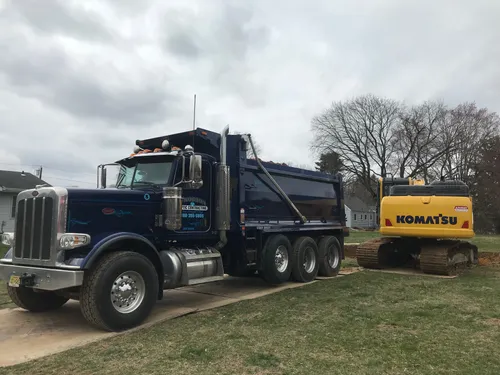
A Norton Septic Contracting
3171 US-9, Old Bridge, NJ 08857
A Norton Septic Contracting is a full-service septic company based in New York, NY, offering septic tank pumping, inspections, repairs, and installations. They serve residential and commercial clients and specialize in alternative septic systems like Hoot and Infiltrator. With over 30 years of experience, they provide NJDEP-compliant inspections and have developed effective repair methods for systems that fail prematurely. The company emphasizes proper maintenance and offers consultations to troubleshoot septic issues. They provide personalized service and handle each project from start to finish.
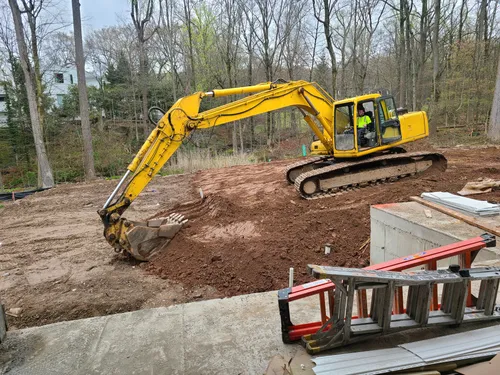
Ken Van Wyk land Improvement
106 Werimus Rd, Woodcliff Lake, NJ 07677
Ken Van Wyk Land Improvement is a septic tank installation contractor based in New York, NY. The company offers a range of excavation services including demolition, residential and commercial excavation, septic system installation, and rock wall installation. With over 40 years of experience, they handle tasks from land clearing to site grading, providing comprehensive site preparation for construction projects.
WHERE OLD MEETS NEW LLC
2a Great Meadow Ln, East Hanover, NJ 07936
WHERE OLD MEETS NEW LLC is a family-operated septic service company based near New York, NY, serving the communities of Northern New Jersey. They provide full-service septic system maintenance, repair, and installation for both residential and commercial properties. With over 50 years of experience, the company offers expertise in all aspects of septic systems, including planning and permitting for new installations. WHERE OLD MEETS NEW LLC is licensed and insured, continuing a legacy that began with B Horstmann Septic Service founded in 1978.
Michael Smith Excavating & Septic Systems LLC
205 Bordentown Turnpike, Monroe Township, NJ 08831
Michael Smith Excavating & Septic Systems LLC is a locally owned company based in Monroe Township, NJ, serving New York, NY, and surrounding areas. Established in 1970, the company specializes in septic system installation, repair, inspection, and excavation services for both residential and commercial properties. Their expertise includes comprehensive septic system repairs, drain field replacement, and land excavation tailored to client needs. With over 55 years of experience, they hold certification as septic professionals and are members of the New Jersey Septic Management Association.
Understanding New Jersey's Septic System Regulations
In Union, all septic system installations and replacements must comply with the New Jersey Administrative Code (NJAC) 7:9A standards. These rules cover everything from system design and sizing to construction and inspection. For residential systems handling less than 2,000 gallons per day, the permitting authority is the local health department-in this case, the Union Township Health Department-rather than the state directly 1. This local oversight means your project must satisfy both state-wide technical rules and any additional township requirements.
Key regulatory points for Union property owners include:
- System Sizing: The minimum tank capacity is typically 1,000 gallons, with the overall system design based primarily on the number of bedrooms in the home, including any finished attic space intended for expansion.
- Site Suitability: A critical rule is the required separation distance. There must be a minimum of 2 feet between the bottom of the proposed drainfield and the seasonal high-water table or impermeable bedrock 2.
- Professional Design: All systems must be designed by a licensed professional engineer or scientist who will create a site-specific plan.
The Step-by-Step Installation Process
Replacing an old septic tank or installing a new onsite wastewater treatment system is not a single-day job. It's a multi-stage process that can take from 12 to 20 weeks from start to finish.
1. Site Evaluation and Soil Testing
The first and most critical step is a professional site evaluation, which includes a soil percolation test. A licensed engineer or soil scientist will visit your property to:
- Assess the topography, soil types, and location relative to wells, property lines, and structures.
- Conduct percolation ("perc") tests by digging test holes, pre-soaking them to simulate saturation, and measuring how quickly water drains out of the hole. The result is reported in minutes per inch (MPI) and directly determines the size and type of drainfield needed.
2. Engineering Design
Using the soil test data, a professional engineer will create a detailed design plan. This plan includes the layout of the septic tank, distribution box, and drainfield, along with all the supporting soil data and calculations required for permit submission.
3. Permit Application and Approval
The completed design, test results, and application forms are submitted to the Union Township Health Department along with permit fees, which typically range from $250 to $1,500. The review and approval process can take anywhere from 4 to 8 weeks.
4. Installation and Inspections
Once the permit is secured, the physical installation can begin. This phase is heavily inspected to ensure compliance with the approved plans:
- Site/Excavation Inspection: Officials inspect the excavated pit before any components are placed 3.
- Component Inspection: The tank, pipes, and other materials are inspected before they are buried.
- Final Inspection: A comprehensive check is performed after the system is fully installed but before the area is backfilled, ensuring everything is watertight and correctly positioned 4 5.
Find the perfect septic tank installation & replacement contractors for your needs
Get personalized recommendations and expert advice
Cost Breakdown for Septic System Projects in Union
The total cost for a septic system installation or replacement in Union can vary widely based on soil conditions, system size, and site complexity. Here's a typical breakdown of expenses:
- Soil Percolation Testing & Site Evaluation: $500 - $2,000
- Engineering Design & Plans: $2,000 - $4,000
- Local Health Department Permit Fees: $250 - $1,500 6
- Excavation, Equipment, and Installation Labor: $15,000 - $35,000+
Total Project Cost: For a standard residential system, homeowners can expect to invest between $15,000 and $35,000. For complex sites with poor soil or requiring advanced treatment technology, the total cost can exceed $40,000 7 8. It's important to get detailed quotes from licensed installers that itemize all these components.
Maintaining Your New Septic System
After investing in a new septic tank installation or system replacement, proper maintenance is essential for longevity and compliance. The New Jersey Department of Environmental Protection recommends pumping your septic tank every 3 to 5 years and having the system inspected every 1 to 3 years 9. Failure to maintain your system or attempting unauthorized repairs can lead to malfunctions, environmental contamination, and significant fines ranging from $500 to $50,000 10 9.
Choosing the Right Professional in Union
Given the technical and regulatory complexity, selecting the right team is paramount. Look for licensed, insured professionals with specific experience in Union and Union County. They should be familiar with the local health department's processes and have a track record of designing systems that pass inspection on the first try. Always verify licenses and ask for references from recent, similar projects in the area.
Frequently asked questions
Sources
Footnotes
-
NJDEP| Division of Water Quality | Permitting Information - https://dep.nj.gov/dwq/wastewater/septic-systems/permitting-information/ ↩
-
The Complete Guide to Septic System Installation and ... - https://excavatingnj.com/blog/the-complete-guide-to-septic-system-installation-and-permitting-in-new-jersey/ ↩
-
Untitled - https://mde.maryland.gov/programs/water/bayrestorationfund/onsitedisposalsystems/documents/onsite%20systems/site_evaluation_doc.pdf ↩
-
New Jersey Septic System Rules - 2026 Guide - https://thesewerkings.com/blog/new-jersey-septic-system-rules/ ↩
-
The Complete Guide to Soil Testing for Septic System Design - https://www.mapengineering.net/the-complete-guide-to-soil-testing-for-septic-system-design/ ↩
-
New Jersey Septic Tank Rules And Regulations - https://www.arrowsewernj.com/blog/septic-tanks-in-new-jersey-what-you-need-to-know/ ↩
-
NJ Septic Regulations for 2026: Inspections, Permits & Rules - https://www.atsenvironmental.com/blog/nj-septic-regulations-for-2026/ ↩
-
The Real Cost of Septic Installation in New Jersey (2025) - https://www.atsenvironmental.com/blog/the-real-cost-of-septic-installation-in-new-jersey-2025/ ↩
-
SEPTIC - NJ.gov - https://dep.nj.gov/wp-content/uploads/dwq/pdf/septicmn.pdf ↩ ↩2
-
Navigating Septic System Regulations: Expert Guidance for New Jersey Property Owners - https://www.mapengineering.net/navigating-septic-system-regulations/ ↩