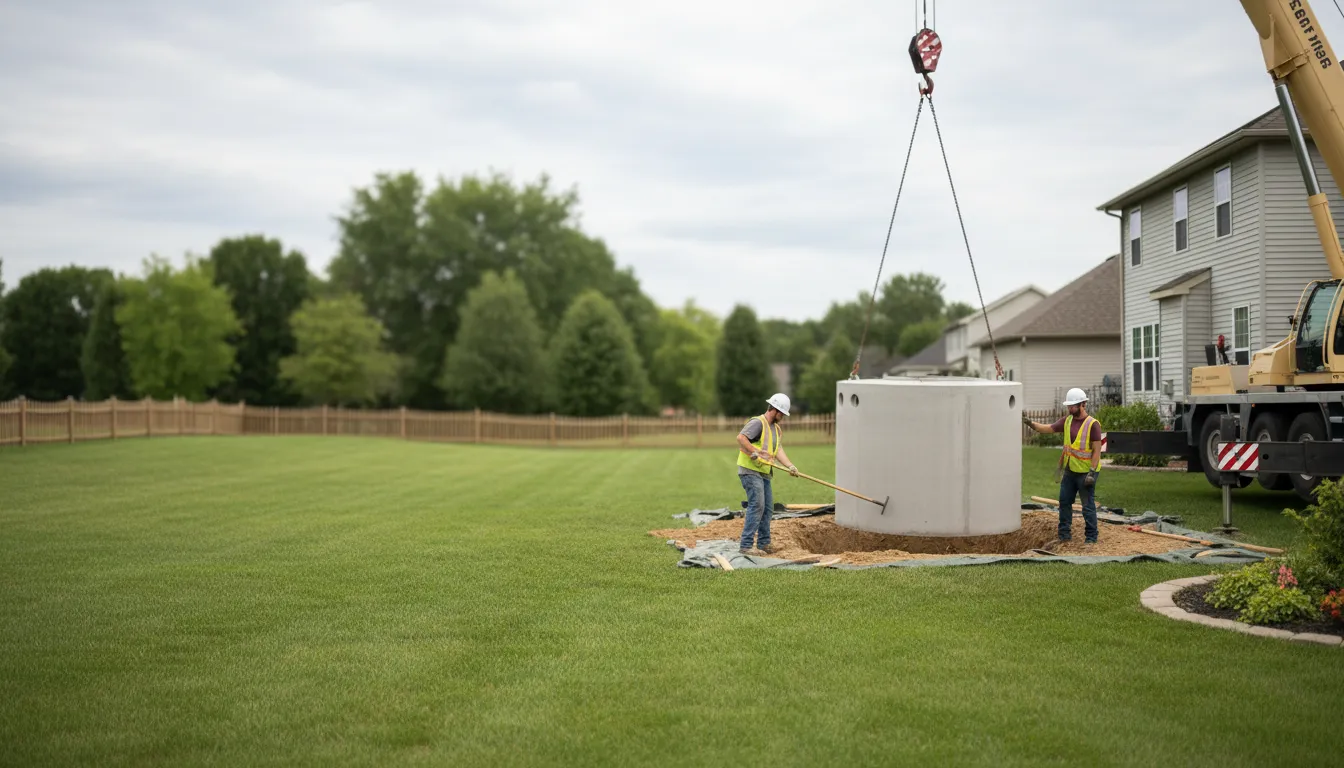
Find the Best Septic Tank Installation & Replacement Contractors for Your Business
No obligation • Fast responses • Nationwide coverage

Why you can trust Septic Spot
Septic Spot is a leading United States resource for understanding and comparing septic services. Our editors review providers using consistent criteria and verify key business details. Listings and scores are independent, and companies cannot pay to influence our content.
Search providers near you
Top Septic Tank Installation & Replacement Contractors in Wayne, New Jersey Ranked
Installing or replacing a septic system is a significant undertaking that requires careful planning, professional engineering, and strict adherence to local and state regulations. In Wayne, this process is governed by the New Jersey Department of Environmental Protection (NJDEP) and administered by the local health department. A properly designed and permitted system is crucial for protecting your property value, your family's health, and the local environment. This guide outlines the key steps, costs, and regulations to help you understand the process for finding qualified local professionals for your septic system project.
Water Resource Technologies
2 Kanouse Rd, Newfoundland, NJ 07435
Water Resource Technologies is a full-service environmental remediation and consulting company based near New York, NY. They specialize in septic system repair and installation, as well as residential heating oil tank services and environmental site remediation. Their expertise includes environmental drilling and borings, supporting a range of environmental and septic system needs.
Ken Van Wyk land Improvement
106 Werimus Rd, Woodcliff Lake, NJ 07677
Ken Van Wyk Land Improvement is a septic tank installation contractor based in New York, NY. The company offers a range of excavation services including demolition, residential and commercial excavation, septic system installation, and rock wall installation. With over 40 years of experience, they handle tasks from land clearing to site grading, providing comprehensive site preparation for construction projects.
WHERE OLD MEETS NEW LLC
2a Great Meadow Ln, East Hanover, NJ 07936
WHERE OLD MEETS NEW LLC is a family-operated septic service company based near New York, NY, serving the communities of Northern New Jersey. They provide full-service septic system maintenance, repair, and installation for both residential and commercial properties. With over 50 years of experience, the company offers expertise in all aspects of septic systems, including planning and permitting for new installations. WHERE OLD MEETS NEW LLC is licensed and insured, continuing a legacy that began with B Horstmann Septic Service founded in 1978.
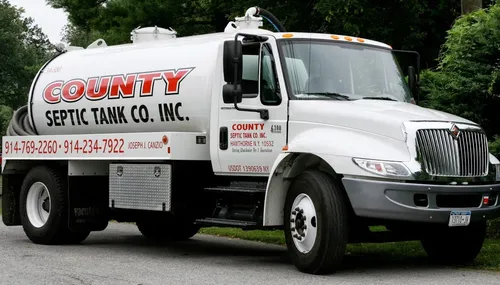
County Septic Tank Co
1 Broadway, Hawthorne, NY 10532
County Septic Tank Co is a family-owned business based in New York, NY, specializing in septic tank pumping, inspection, installation, and repair services. Serving Westchester County since 1956, the company brings over 70 years of experience in maintaining and servicing septic systems. Their expertise includes environmentally friendly septic products and comprehensive septic system maintenance to help prevent soil and water contamination. County Septic Tank Co emphasizes regular system checks and offers full septic consulting services to support system longevity and functionality.
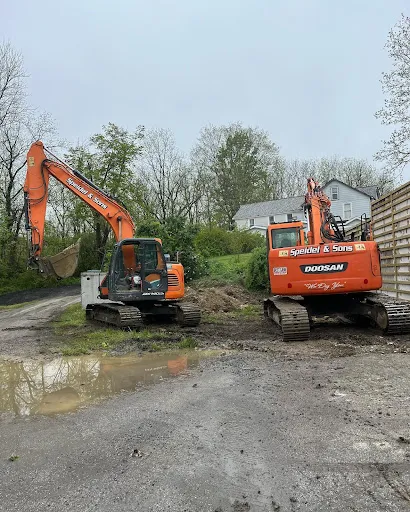
Speidel & Sons Septic Service
99 NJ-94, Vernon Township, NJ 07462
Speidel & Sons Septic Service provides comprehensive septic system services in New York, NY. They offer septic tank inspections, professional installation tailored to property needs, and prompt repairs by skilled technicians. Their services include thorough site assessments and regular maintenance to support efficient wastewater management.
Understanding the Regulatory Framework in Wayne
All septic system work in Wayne, New Jersey, falls under the New Jersey Administrative Code (N.J.A.C. 7:9A), which sets the standards for individual subsurface sewage disposal systems. The Wayne Township Health Department is the local authority that reviews designs, conducts site evaluations, and issues the necessary permits for installation, replacement, or major alteration 1 2.
A critical first step is understanding that a permit is required for any new installation, major repair (like a full tank replacement), or modification to an existing leach field 3. Working without the proper approvals can lead to substantial fines and even a mandate to remove the non-compliant system. For property transfers, while New Jersey state law does not universally require a septic inspection, many municipalities do, and the NJDEP strongly recommends one be conducted during any sale 4.
The Step-by-Step Process for System Installation
1. Initial Site Evaluation and Soil Testing
Before any design work can begin, a professional must conduct a thorough site evaluation, which includes mandatory soil testing. This is not a mere formality; it determines your property's fundamental suitability for a septic system and directly informs the engineering design.
The cornerstone of this evaluation is the percolation test (often called a "perc test"). This test measures the rate at which water drains through the soil, reported in minutes per inch (MPI). A test hole is excavated, pre-soaked to simulate saturated conditions, and then carefully timed as the water level drops 5 6. According to NJDEP regulations, conventional system designs are generally not approved if the soil drains slower than 60 minutes per inch or faster than 3 minutes per inch 5 7 8. At least two tests must be performed within the proposed disposal field area, and the design must use the most restrictive (slowest) rate obtained 6.
2. Professional Engineering and Design
All septic system designs in New Jersey must be prepared by a licensed professional engineer. You cannot simply hire an installer to dig a hole; the process is highly technical. The engineer will use the soil test results, property survey, and local regulations to create detailed plans that specify:
- Tank size and type: The minimum tank size is 1,000 gallons, with capacity calculated based on the number of bedrooms (typically 250 gallons per bedroom).
- Leach field layout and size: This is sized according to the perc rate and daily wastewater flow.
- Precise placement: The plans must account for mandatory setbacks, such as being at least 25 feet from property lines, 50 feet from wells, and 100 feet from water bodies 9.
3. Permit Application and Approval
With the engineered plans in hand, you or your contractor will submit a permit application to the Wayne Township Health Department. This package includes the site plan, soil test reports, and the complete engineering design. Permit review times can vary, but you should anticipate this stage taking 4 to 8 weeks. It's important to note that once issued, a permit may be valid for up to 60 months or may not expire, depending on the completeness of the submitted documentation 10.
4. Installation and Critical Inspections
Once the permit is secured, installation can begin. The local health department will schedule inspections at several critical points to ensure the work matches the approved plans exactly 11. These typically include:
- Pre-Installation Inspection: A review of the staked-out site before any digging begins.
- During Installation Inspection: This occurs after the tank and trenches are excavated but before they are backfilled. The inspector checks the depth, pipe placement, slope, and tank positioning 12.
- Final Inspection: After the system is fully installed and backfilled, a final inspection confirms all components are properly sealed, vented, and graded. Passing this inspection results in the issuance of a Certificate of Compliance or Operation Permit, which is your official record that the system was installed correctly 13 14.
Find the perfect septic tank installation & replacement contractors for your needs
Get personalized recommendations and expert advice
Cost Breakdown for Septic System Projects in New Jersey
A complete residential septic system replacement in New Jersey is a significant investment, with typical total costs ranging from $15,000 to $35,000 for the installation itself 15 16. When you factor in all the required preliminary work, the total project cost can range from approximately $17,800 to over $41,500. Here is a more detailed breakdown of the costs and timelines involved 15 16:
| Service Component | Estimated Cost | Estimated Timeline |
|---|---|---|
| Soil & Percolation Testing | $500 - $1,500 | 1 - 2 Weeks |
| Engineering Design & Plans | $2,000 - $4,000 | 2 - 4 Weeks |
| Local Permit Fees | $300 - $1,000 | 4 - 8 Weeks |
| System Installation (Labor & Materials) | $15,000 - $35,000 | 1 - 2 Weeks |
| Concrete Tank (1000 gallon) | $500 - $900 | Part of installation |
| Total Project | $17,800 - $41,500+ | 12 - 20 Weeks |
These figures are estimates. Your final cost will depend on your specific property conditions (soil type, accessibility), the size and complexity of the system required, and the contractor you select. For example, a property with poor soil conditions may require a more advanced (and expensive) alternative treatment system instead of a conventional leach field.
Long-Term Care and Maintenance
Your responsibility doesn't end once the system is installed. Proper maintenance is required by both common sense and NJDEP guidelines to ensure longevity and compliance. The NJDEP recommends having your septic tank pumped by a licensed professional every 3 to 5 years, and the entire system inspected every 1 to 3 years 17. Keeping detailed records of all maintenance, inspections, and pumping is essential, especially if you plan to sell your property in the future.
Frequently asked questions
Sources
Footnotes
-
PERMIT APPLICATION - Wayne Township - https://waynetownship.com/wp-content/uploads/2023/11/IPP-Permit-Application-NEW-Other.pdf ↩
-
sewage system site review requirements for permit approval ... - https://www.wayne-health.org/sites/default/files/2025-08/Site%20review%20Application_rev%20081825_fillable.pdf ↩
-
New Jersey Septic System Rules - 2026 Guide - The Sewer Kings - https://thesewerkings.com/blog/new-jersey-septic-system-rules/ ↩
-
New Jersey Septic System Rules - 2026 Guide - https://thesewerkings.com/blog/new-jersey-septic-system-rules/ ↩
-
The Complete Guide to Soil Testing for Septic System Design - https://www.mapengineering.net/the-complete-guide-to-soil-testing-for-septic-system-design/ ↩ ↩2
-
N.J. Admin. Code § 7:9A-6.4 - Percolation test - Law.Cornell.Edu - https://www.law.cornell.edu/regulations/new-jersey/N-J-A-C-7-9A-6-4 ↩ ↩2
-
N.J. Admin. Code § 7:9A-6.1 - General provisions for permeability ... - https://www.law.cornell.edu/regulations/new-jersey/N-J-A-C-7-9A-6-1 ↩
-
N.Y. Comp. Codes R. & Regs. Tit. 10, app 75-A § 75-A.4 - Soil and ... - https://www.law.cornell.edu/regulations/new-york/10-NYCRR-app-75-A-SS-75-A-4 ↩
-
New Jersey Septic Tank Rules And Regulations - https://www.arrowsewernj.com/blog/septic-tanks-in-new-jersey-what-you-need-to-know/ ↩
-
New Jersey Septic System Rules - 2026 Guide - https://thesewerkings.com/blog/new-jersey-septic-system-rules/ ↩
-
Understanding Septic Tank Permits and Regulations - https://westcoastsanitationinc.com/understanding-septic-tank-permits-and-regulations/ ↩
-
Importance of Permits and Inspections in Septic Installation NJ - https://earthmoversnj.com/the-importance-of-permits-and-inspections-in-septic-installation-in-new-jersey/ ↩
-
NJ Septic Regulations for 2026: Inspections, Permits & Rules - https://www.atsenvironmental.com/blog/nj-septic-regulations-for-2026/ ↩
-
The Complete Guide to Septic System Installation and ... - https://excavatingnj.com/blog/the-complete-guide-to-septic-system-installation-and-permitting-in-new-jersey/ ↩
-
NJ Septic Regulations for 2026: Inspections, Permits & Rules - https://www.atsenvironmental.com/blog/nj-septic-regulations-for-2026/ ↩ ↩2
-
NJ Septic Regulations for 2026: Inspections, Permits & Rules - https://www.atsenvironmental.com/blog/nj-septic-regulations-for-2026/ ↩ ↩2
-
SEPTIC - NJ.gov - https://dep.nj.gov/wp-content/uploads/dwq/pdf/septicmn.pdf ↩