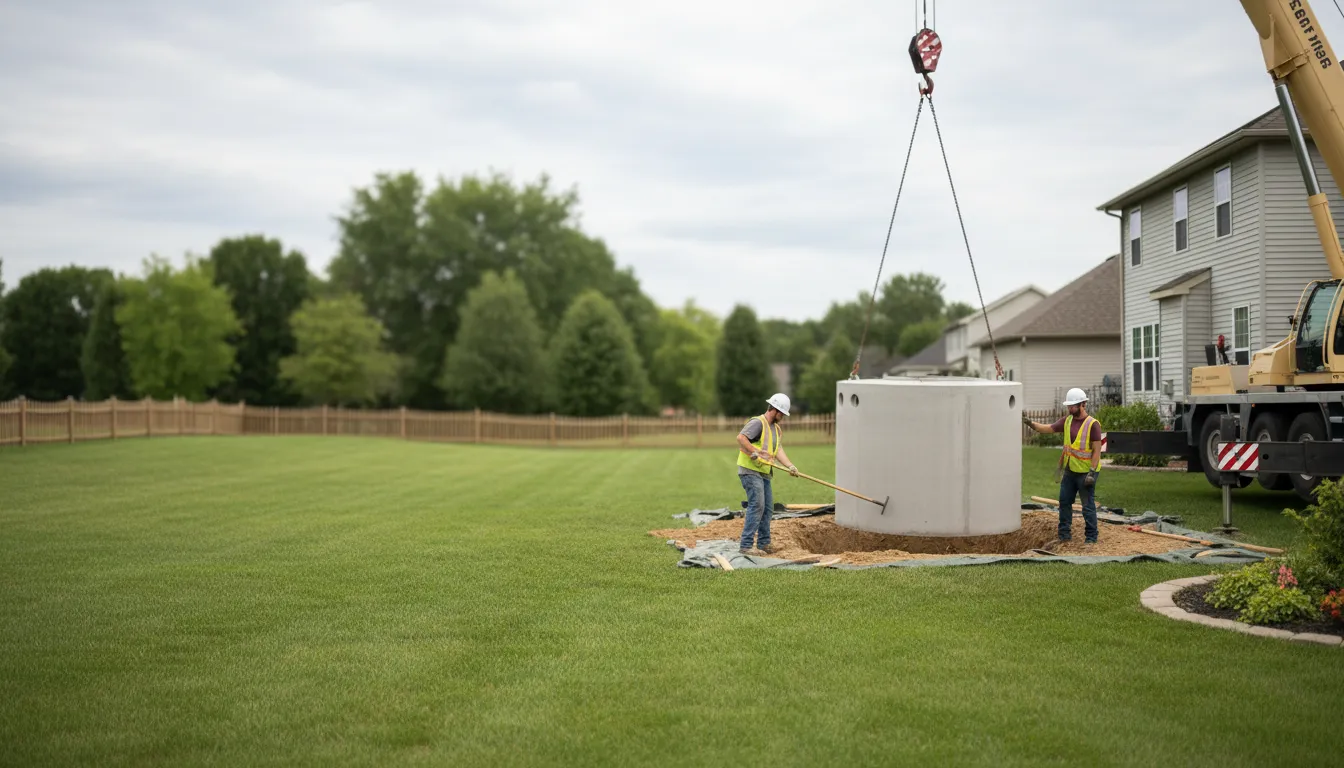
Find the Best Septic Tank Installation & Replacement Contractors for Your Business
No obligation • Fast responses • Nationwide coverage

Why you can trust Septic Spot
Septic Spot is a leading United States resource for understanding and comparing septic services. Our editors review providers using consistent criteria and verify key business details. Listings and scores are independent, and companies cannot pay to influence our content.
Search providers near you
Top Septic Tank Installation & Replacement Contractors in West New York, New Jersey Ranked
Installing or replacing a septic system is a significant investment in your property's infrastructure and environmental health. In West New York and the surrounding North Jersey area, this process is governed by strict state and local regulations designed to protect groundwater and public safety. This guide explains the critical steps, from initial soil testing to final inspection, and helps you understand how to connect with qualified local professionals who can navigate the complex permitting and engineering requirements for a compliant and durable system.
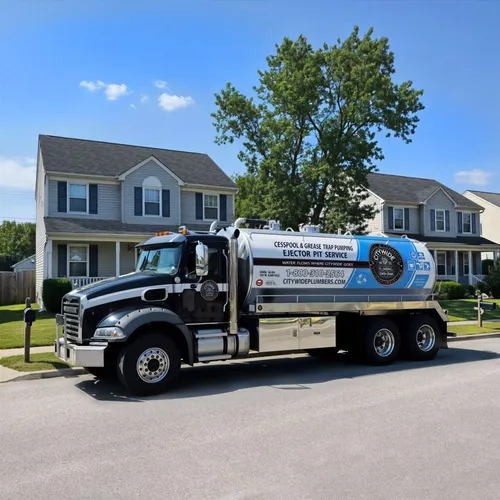
Citywide Grease Trap Maintenance | Cesspool Pumping Service Long Island
110 Voice Rd, Carle Place, NY 11514
Citywide Grease Trap Maintenance | Cesspool Pumping Service Long Island provides septic and cesspool pumping, inspection, repair, and installation services in New York, NY. Serving both residential and commercial clients, they offer comprehensive maintenance and cleaning to prevent system failures. Their skilled technicians use advanced equipment for installations and repairs, including grease trap pumping and sewage ejector pit services. With over 65 years of experience, Citywide operates 24/7 to address emergency needs promptly.
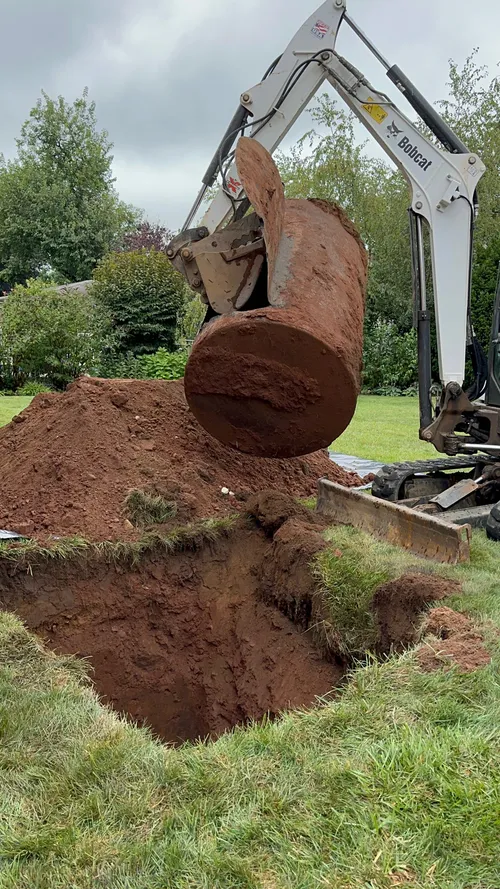
Water Resource Technologies
2 Kanouse Rd, Newfoundland, NJ 07435
Water Resource Technologies is a full-service environmental remediation and consulting company based near New York, NY. They specialize in septic system repair and installation, as well as residential heating oil tank services and environmental site remediation. Their expertise includes environmental drilling and borings, supporting a range of environmental and septic system needs.
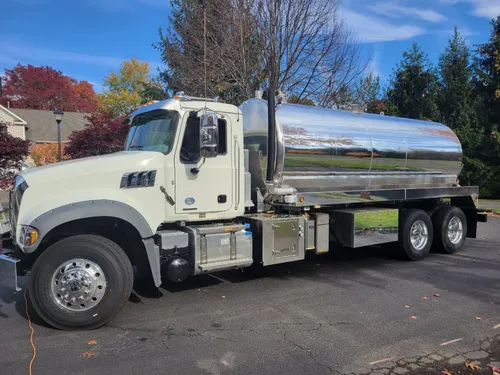
North Shore Cesspool & Drain Corp
231 Lawrence Ln, Glen Cove, NY 11542
North Shore Cesspool & Drain Corp provides cesspool and septic system services in New York, NY. They offer pumping, cleaning, inspections, repairs, and installations for residential and commercial properties. Their capabilities include hydro jetting and sewer line camera inspections. The company serves Long Island and is available 24/7 for emergency flooding response and backups.
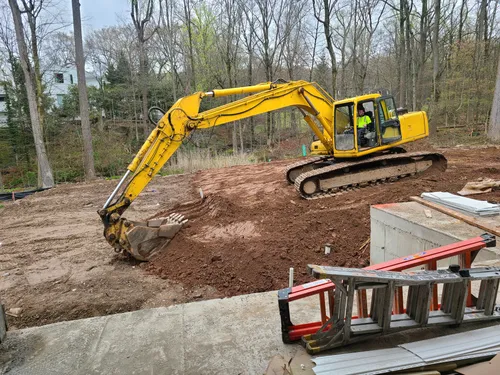
Ken Van Wyk land Improvement
106 Werimus Rd, Woodcliff Lake, NJ 07677
Ken Van Wyk Land Improvement is a septic tank installation contractor based in New York, NY. The company offers a range of excavation services including demolition, residential and commercial excavation, septic system installation, and rock wall installation. With over 40 years of experience, they handle tasks from land clearing to site grading, providing comprehensive site preparation for construction projects.
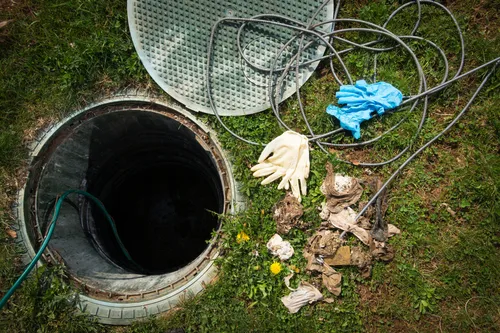
WHERE OLD MEETS NEW LLC
2a Great Meadow Ln, East Hanover, NJ 07936
WHERE OLD MEETS NEW LLC is a family-operated septic service company based near New York, NY, serving the communities of Northern New Jersey. They provide full-service septic system maintenance, repair, and installation for both residential and commercial properties. With over 50 years of experience, the company offers expertise in all aspects of septic systems, including planning and permitting for new installations. WHERE OLD MEETS NEW LLC is licensed and insured, continuing a legacy that began with B Horstmann Septic Service founded in 1978.
Understanding the Regulatory Landscape in New Jersey
Septic system work in New Jersey is not a simple DIY project. The New Jersey Department of Environmental Protection (NJDEP) enforces comprehensive standards under the NJAC 7:9A code, often referred to as the "Standards for Individual Subsurface Sewage Disposal Systems." These rules dictate everything from system design and materials to placement and ongoing maintenance. In Hudson and Bergen Counties, including West New York, the local health department acts as the enforcing agent, requiring permits and inspections at multiple stages. 1 The primary goal is to prevent untreated wastewater from contaminating soil and groundwater, which is especially important in densely populated regions.
Key regulatory hurdles include mandatory setback distances. Your septic tank and drainage field must be located a specific distance from property lines, wells, streams, and buildings. Typical setbacks require tanks to be 10-25 feet from property lines and water sources. These rules are non-negotiable and can significantly impact where a new system or replacement can be placed on your lot. Failure to comply can result in fines, orders to cease work, or a system that fails inspection and cannot be used.
The Critical First Step: Soil Evaluation and Percolation Testing
Before any design can be created, a professional must evaluate your property's soil. This is a two-part process essential for determining if the land can support a septic system and what type of system is suitable.
- Soil Logs (Deep Test Pits): An excavator digs deep pits in the proposed absorption area to examine the soil profile. The inspector is looking for the depth to bedrock and, most critically, the seasonal high water table (SHWT). The drainage field must be placed above the SHWT to function properly.
- Percolation Tests (Perc Tests): This test measures the soil's ability to absorb water, reported in minutes per inch (MPI). The process involves pre-soaking holes in the proposed leach field area and then measuring how quickly water drains. At least two percolation tests are required by code. 2 3 4 The results directly influence the size and design of the necessary drainage field.
These tests are typically observed and approved by a representative from the local health department. The data gathered is then provided to a licensed professional engineer (PE) to design a system that meets both the site conditions and NJDEP standards.
System Design and Engineering: The Blueprint for Compliance
In New Jersey, a licensed professional engineer (PE) must design your septic system. 5 6 You cannot simply install a standard tank and field; the design must be site-specific, based on the soil logs and perc test results, and conform to all NJAC 7:9A regulations.
The engineer's design plan will specify:
- The type and size of the septic tank.
- The layout, dimensions, and construction of the leach field (absorption area).
- The types of materials to be used.
- The exact location, respecting all setbacks.
This engineered design package is submitted to your local health department as part of the permit application. The design and engineering phase typically costs between $2,000 and $4,000.
Navigating Permits and Approvals
The permitting process is where your project gets official authorization to proceed. You will apply for permits through the West New York or Hudson County health department. The required permit fees can range from $250 to $1,500, depending on the scope and locality.
The health department reviews the engineered design for compliance. This review period can take 4 to 8 weeks, so it's crucial to factor this into your project timeline. Only after the permit is issued can physical installation work begin. Skipping this step or beginning work without a permit can lead to costly stop-work orders and legal complications.
Find the perfect septic tank installation & replacement contractors for your needs
Get personalized recommendations and expert advice
Installation and Inspection Phases
Once permits are secured, the physical installation can begin. For a full system, this involves excavation, placing the tank and distribution boxes, constructing the leach field with gravel and piping, and connecting everything to your home's plumbing.
Crucial Inspection Points:
- Pre-Backfill Inspection: After the tank and leach field components are placed in the ground but before they are covered with soil, the health department inspector must visit the site. They verify that the installation matches the approved design in terms of location, materials, and construction. 7 8 This is arguably the most important inspection.
- Final Inspection: Once the system is fully installed and backfilled, a final inspection is conducted to ensure the site has been properly restored and the system is ready for use. 9
Passing these inspections is mandatory to receive final approval to operate your system. Your installer should coordinate these inspections with the health department.
Cost Breakdown for Septic System Projects
Costs can vary widely based on soil conditions, system type, property access, and local permit fees. Here is a general cost framework for the North Jersey area:
- Soil Testing & Engineering Design: $2,000 - $4,000 10
- Permit Fees: $250 - $1,500 11
- Septic Tank Replacement (in existing location): $10,000 - $15,000 This is typically less expensive because it may reuse the existing leach field if it is still functional.
- Complete New System Installation: $20,000 - $45,000+ 12 13 14 This includes a new tank and a completely new leach field. Complex sites or alternative system designs (like mound systems for poor soil) can drive costs toward the higher end or beyond $60,000.
Maintaining Your New System and Recognizing Failure
A new system is a major investment that requires proper care. In New Jersey, it is recommended that systems be inspected every 1 to 3 years and pumped out as needed, typically every 3-5 years for an average household. 15 Regular maintenance prevents solids from clogging the drain field, which is the most common cause of premature system failure.
Be aware of the signs of a failing system:
- Sewage effluent pooling on the ground above the drain field.
- Slow-draining sinks, tubs, or toilets.
- Sewage odors in the yard or home.
- Unusually lush, green grass over the drain field.
If your existing system shows these signs, it may have failed, and a full septic system replacement is often the only solution. 16 17 This underscores the importance of starting the process with a qualified professional who can accurately diagnose the problem.
Frequently asked questions
Sources
Footnotes
-
New Jersey Septic Tank Rules And Regulations - https://www.arrowsewernj.com/blog/septic-tanks-in-new-jersey-what-you-need-to-know/ ↩
-
The Complete Guide to Soil Testing for Septic System Design - https://www.mapengineering.net/the-complete-guide-to-soil-testing-for-septic-system-design/ ↩
-
Percolation Test Data - New York State Department of Health - https://www.health.ny.gov/forms/doh-1327.pdf ↩
-
N.J. Admin. Code § 7:9A-6.4 - Percolation test | State Regulations - https://www.law.cornell.edu/regulations/new-jersey/N-J-A-C-7-9A-6-4 ↩
-
Pinelands Alternate Design Wastewater Treatment System Pilot Program - https://rucore.libraries.rutgers.edu/rutgers-lib/27909/PDF/1/ ↩
-
Navigating Septic System Regulations: Expert Guidance for New Jersey Property Owners - https://www.mapengineering.net/navigating-septic-system-regulations/ ↩
-
The Complete Guide to Septic System Installation and ... - https://excavatingnj.com/blog/the-complete-guide-to-septic-system-installation-and-permitting-in-new-jersey/ ↩
-
Perc Test Cost | Septic Perc Test Cost - https://www.fixr.com/costs/perc-test ↩
-
How Long Does It Take to Replace a Septic Tank? - Mineo Bros Septic - https://www.mineobrosseptic.com/news/how-long-does-it-take-to-replace-a-septic-tank/ ↩
-
Navigating Septic System Regulations: Expert Guidance for New Jersey Property Owners - https://www.mapengineering.net/navigating-septic-system-regulations/ ↩
-
Understanding Septic Tank Permits and Regulations - https://westcoastsanitationinc.com/understanding-septic-tank-permits-and-regulations/ ↩
-
NJ Septic Regulations for 2026: Inspections, Permits & Rules - https://www.atsenvironmental.com/blog/nj-septic-regulations-for-2026/ ↩
-
The Real Cost of Septic Installation in New Jersey (2025) - https://www.atsenvironmental.com/blog/the-real-cost-of-septic-installation-in-new-jersey-2025/ ↩
-
How Much Does It Cost To Replace A Septic System In Northern NJ? - https://dsepticservice.com/b/septic-system-replacement-cost-new-jersey/ ↩
-
New Jersey Septic System Rules - 2026 Guide - https://thesewerkings.com/blog/new-jersey-septic-system-rules/ ↩
-
How Septic System Inspections Are Performed in New Jersey - https://thesewerkings.com/blog/septic-system-inspections/ ↩
-
Township of Freehold, NJ Sewage Disposal Systems - https://ecode360.com/9107935 ↩