
Find the Best Septic Tank Installation & Replacement Contractors for Your Business
No obligation • Fast responses • Nationwide coverage

Why you can trust Septic Spot
Septic Spot is a leading United States resource for understanding and comparing septic services. Our editors review providers using consistent criteria and verify key business details. Listings and scores are independent, and companies cannot pay to influence our content.
Search providers near you
Top Septic Tank Installation & Replacement Contractors in Rio Rancho, New Mexico Ranked
Installing or replacing a septic system is a significant investment in your property's long-term functionality and environmental health. In Rio Rancho, this process is governed by specific state and local regulations to protect groundwater and public safety. This guide explains the key steps, costs, and regulatory requirements for septic system installation and replacement in our area, helping you navigate the process and connect with qualified local professionals.
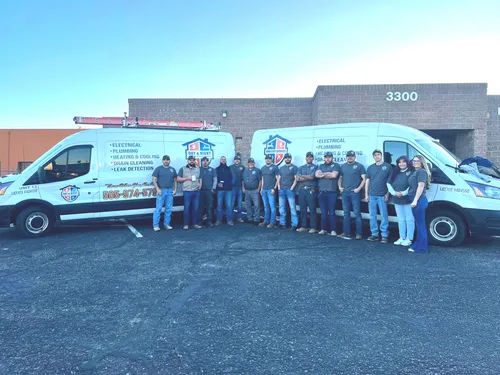
Day & Night Plumbing
2100 Aztec Rd NE, Albuquerque, NM 87107
Day & Night Plumbing is a family-run plumbing, heating, and cooling company based in Albuquerque, NM. They provide a wide range of services including septic tank installation, residential and commercial plumbing repairs, HVAC services, and drain cleaning. Serving Albuquerque and surrounding communities such as Rio Rancho, Placitas, and Edgewood, the company offers 24/7 emergency service to address urgent plumbing and HVAC needs. With over 25 years of experience, Day & Night Plumbing is licensed, bonded, and insured, focusing on delivering reliable plumbing and heating solutions.
RC Septic Installation & Repair
131 Bowers Rd SW, Albuquerque, NM 87105
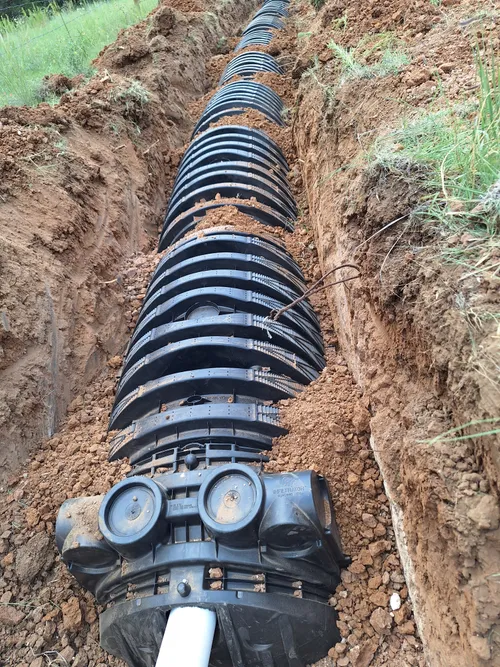
RC Septic Installation & Repair provides septic tank installation, repair, and pumping services in Albuquerque, NM. The company handles various septic system needs to help maintain proper function and avoid common issues. Their services include septic tank pumping and system repairs to ensure reliable operation.
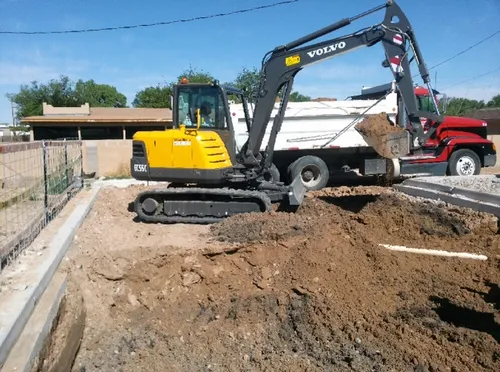
Black Bear Septics LLC
Albuquerque, NM
Black Bear Septics LLC is a septic tank inspection, repair, and installation company based in Albuquerque, NM. The business is run by a father-son team with a combined 30 years of experience, including seven years working together installing septic systems. They offer services that include system installations, repairs, and inspections. One notable capability is expert backhoe operation, led by Octavio Manriquez Garcia, who has over 20 years of experience in the industry. The company emphasizes hands-on expertise and detailed knowledge of septic system plumbing.
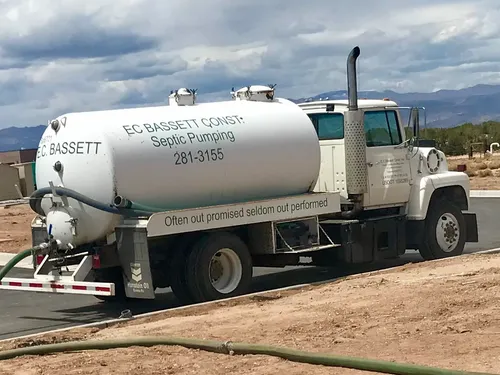
EC Bassett Construction
34 NM-344, Edgewood, NM 87015
EC Bassett Construction is a locally owned septic system company serving Albuquerque, NM, and nearby areas. Established in 1982, the company offers a full range of septic services including tank pumping, cleaning, maintenance, installation, and repair. Their expertise includes custom septic system design, drain field installation, and emergency repairs, addressing both residential and commercial needs.
American Pumping Service
4500 Paseo Del Norte NE Suite B, Albuquerque, NM 87113
American Pumping Service provides septic tank pumping, inspection, installation, and repair services in Albuquerque, NM. They offer certified maintenance solutions and NAWT-certified septic system inspections for home buyers and sellers. Established in 1996, the company serves customers throughout New Mexico and is available 24/7 for emergency and same-day services.
Understanding Rio Rancho's Septic System Requirements
Before any digging begins, understanding the local regulatory landscape is crucial. In New Mexico, all septic system installations and replacements are regulated by the New Mexico Environment Department (NMED) under state liquid waste rules (20.7.3 NMAC). For Rio Rancho homeowners, this means your project starts with NMED, not just the city. However, if your property is within Rio Rancho's city limits, it's wise to check with the local Building Division for any additional municipal requirements 1.
A primary rule for a conventional septic system is lot size. NMED generally requires a minimum of 3/4 of an acre for a standard septic tank and leach field 2 3. This ensures adequate soil area for proper wastewater treatment. If your property is smaller, don't lose hope-you will likely need an advanced treatment system (like an aerobic treatment unit) or a holding tank, though these options come with higher costs and more maintenance 2 4. Setbacks are another critical factor; for instance, leach fields must be at least 100 feet from any well or stream 3 4.
The Step-by-Step Installation & Replacement Process
Navigating a new septic system installation or a full system replacement follows a defined path. Skipping steps can lead to failed inspections, fines, or a malfunctioning system.
1. Site Evaluation and Soil Percolation Test
The entire system design hinges on your property's soil conditions. A licensed professional must conduct a soil percolation (perc) test to determine how quickly water drains through the earth. The results dictate the size and type of drain field required. This test is the non-negotiable first step in designing a system that will function properly for decades.
2. System Design and Permit Application
With perc test results in hand, a detailed system plan is created. This site plan must show property lines, buildings, wells, and the proposed location of the tank and leach field 5. You or your contractor then submits this plan, along with the application, to NMED for review. Approval times can vary widely, from 10 business days to three months, depending on the complexity of the project and agency workload.
3. Securing the Right Contractor
Installation must be performed by a qualified professional. In New Mexico, this means a contractor holding specific licenses (such as MM-1, MM-98, MS-1, or MS-3). Homeowners can perform their own installation only after passing a state-administered test. For most, hiring a licensed installer is the safest and most efficient route, as they understand the nuances of local soil, regulations, and inspection requirements.
4. Installation and Critical Inspections
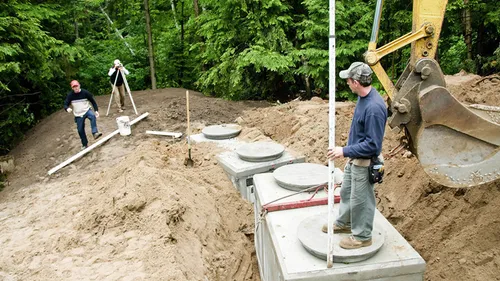
Once the permit is issued, installation can begin. It's vital to follow the approved plan exactly. The inspection process is multi-stage and must be completed before the system is covered with soil.
- Tank Inspection: The inspector will verify the correct tank size, material (often concrete), and proper placement.
- Drainfield Inspection: Before the leach field trenches are backfilled, the inspector checks the line slope, gravel bed, and construction integrity 6.
- Final Inspection: After full installation, a final check ensures inspection ports and tank covers are correctly placed and accessible for future maintenance 7.
Find the perfect septic tank installation & replacement contractors for your needs
Get personalized recommendations and expert advice
Cost Breakdown for Septic System Projects
Budgeting for a septic system requires considering both regulatory and construction costs. Total project costs in the Rio Rancho area typically range from $5,000 to $15,000 for a conventional system, though advanced systems on small lots can be significantly more expensive 8.
- Permit Fees: NMED permit fees generally range from $225 to $500 for conventional systems and can be up to $750 for advanced treatment systems 9.
- Tank Costs: The septic tank itself is a major component. For example, a standard 1,000-gallon concrete tank can cost roughly $500 to $900 10.
- Installation Labor & Materials: The bulk of the cost comes from excavation, plumbing, drainfield construction (gravel, piping), and the labor of your licensed installer. Site difficulty, system size, and soil conditions all influence this figure.
When is a Full Septic System Replacement Needed?
Understanding the signs that indicate a need for replacement, rather than repair, can save you from repeated expenses and property damage.
- System Age: Most conventional septic systems have a lifespan of 20-40 years. If yours is approaching or exceeding this age, replacement planning is prudent.
- Persistent Drainfield Failure: If sewage is surfacing, there is persistent soggy ground over the leach field, or plumbing backups continue despite pump-outs, the drainfield may be clogged beyond repair.
- Changes in Property Use: Adding bedrooms or a significant increase in daily wastewater flow may require a larger system to meet code.
- Failed Inspections: During a home sale or evaluation, a septic inspector may deem the system irreparable or non-compliant with current codes, necessitating a full replacement.
Replacing a system follows the same permit and installation process as a new installation. It often involves carefully removing the old components and designing a new system that may be located in a different area of your yard, known as a "repair area" 11.
Choosing Between Repair and Replacement
Not every problem requires a full system overhaul. Minor issues like a damaged baffle, a clogged outlet pipe, or a small tank leak can often be repaired. A professional assessment is key. They can determine if the problem is isolated to the tank or if it indicates a total system failure originating in the drainfield. Investing in a repair for a fundamentally failing system is often a temporary fix.
Maintaining Your New or Replaced System
A properly installed system is just the beginning. Protecting your investment requires regular maintenance. This includes having the tank pumped every 3-5 years, conserving water to avoid overloading the system, and avoiding flushing harmful chemicals or non-biodegradable materials. Proper maintenance extends the life of your system and helps prevent premature, costly failures.
Frequently asked questions
Sources
Footnotes
-
Residential Inspection | The Official Site of Rio Rancho, NM - https://rrnm.gov/158/Residential-Inspection ↩
-
FACTSHEET NEW MEXICAN LIQUID WASTE AND SEPTIC ... - https://www.amigosbravos.org/wp-content/uploads/2020/07/Fact-Sheet-Liquid-Waste-Septic-Tanks.pdf ↩ ↩2
-
New Mexico Septic Regulations, A Guide For Homeowners - https://www.swanrealtyinc.com/blog/new-mexico-septic-regulations/ ↩ ↩2
-
Aprill 2022: New Mexico Septic Regulations Area Big Deal! - https://questanews.com/aprill-2022-new-mexico-septic-regulations-area-big-deal/ ↩ ↩2
-
Liquid Waste Permitting Process - https://www.env.nm.gov/septic/liquid-waste-permitting-process/ ↩
-
Understanding Your Septic System Design and Installation Timeline: A Comprehensive Guide - https://www.mapengineering.net/understanding-your-septic-system-design-and-installation-timeline/ ↩
-
Homeowners Information - New Mexico Environment Department - https://www.env.nm.gov/septic/information-for-homeowners/ ↩
-
Septic Tank Installation - Rio Rancho, NM - https://riograndeseptic.com/septic-tank-installations/ ↩
-
Understanding Septic Tank Permits and Regulations - https://westcoastsanitationinc.com/understanding-septic-tank-permits-and-regulations/ ↩
-
Residential Septic Tank Pricing | Homeowner's Guide to Costs - https://www.ntotank.com/blog/residential-septic-tank-pricing ↩
-
What to Expect During a Septic System Replacement - Townes Septic Service - https://www.townesseptic.com/blog/what-to-expect-during-a-septic-system-replacement ↩