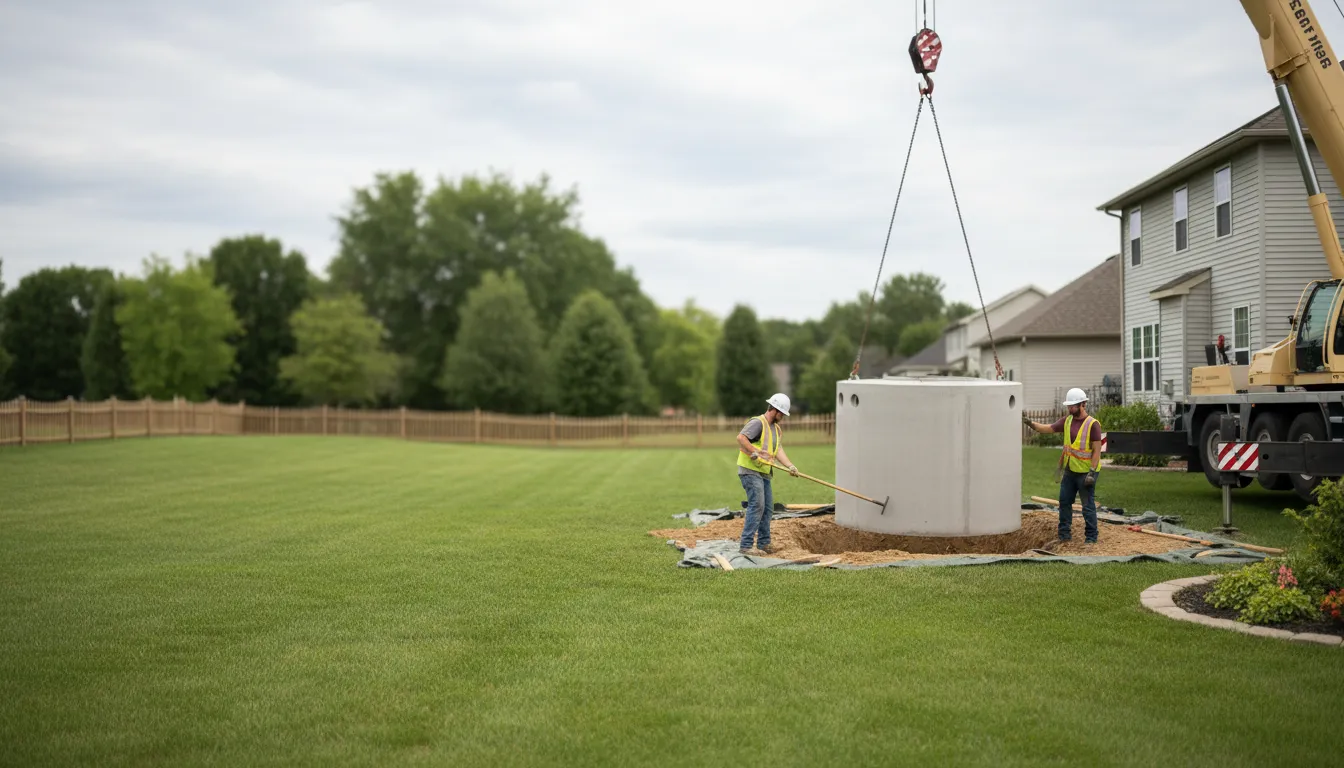
Find the Best Septic Tank Installation & Replacement Contractors for Your Business
No obligation • Fast responses • Nationwide coverage

Why you can trust Septic Spot
Septic Spot is a leading United States resource for understanding and comparing septic services. Our editors review providers using consistent criteria and verify key business details. Listings and scores are independent, and companies cannot pay to influence our content.
Search providers near you
Best Septic Tank Installation & Replacement Contractors in Rhode Island Ranked
Installing or replacing a septic system in Rhode Island is a significant project governed by strict state regulations. A properly designed and permitted onsite wastewater treatment system (OWTS) is essential for protecting your property value, public health, and Rhode Island's sensitive environment, particularly its groundwater and coastal waters. This guide outlines the key steps, costs, and regulatory requirements to help you understand the process and connect with licensed professionals who can ensure your system is compliant and reliable.

Green Wastewater Solutions
80 Kilvert St, Warwick, RI 02886
Green Wastewater Solutions is a septic tank installation contractor based in Providence, RI. They specialize in the sales, installation, operation, and maintenance of Orenco AdvanTex Innovative/Alternative Treatment Systems for both residential and commercial septic systems. Established in 1998, the company has grown from a small family operation focused on septic system maintenance to an authorized dealer and installer of advanced septic treatment systems. Green Wastewater Solutions also offers engineered septic system designs and maintenance plans.
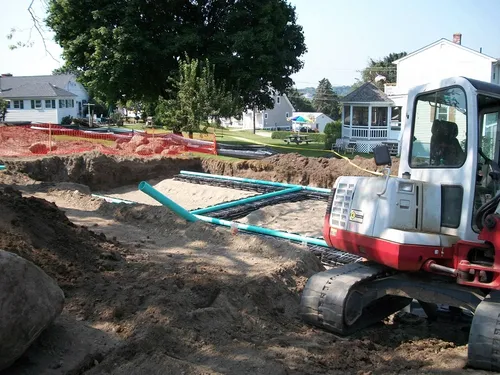
Michael Perri & Sons Septic Service, Inc.
Providence, RI
Michael Perri & Sons Septic Service, Inc. is a family-owned and operated septic company serving Providence, RI, and the entire state of Rhode Island. They provide a full range of septic services including routine pumping, cleaning, inspections, repairs, and new system installations. Their skilled team also offers hydro-jetting, backhoe services, enzyme bacteria treatments, and drainage installation to maintain and protect septic systems. With over 50 years of experience and licenses for underground utility work, they handle both residential and commercial septic needs across multiple Rhode Island communities.
Understanding Rhode Island's Septic System Regulations
All septic system work in Rhode Island is regulated by the Rhode Island Department of Environmental Management (RIDEM). The state's rules are designed to ensure systems function correctly and prevent contamination. You cannot simply install a tank; the entire system must be designed by a licensed professional and approved by RIDEM before any work begins.
The core regulatory document is the Rules Establishing Minimum Standards Relating to Location, Design, Construction and Maintenance of Onsite Wastewater Treatment Systems. These rules cover everything from soil suitability and system sizing to construction materials and mandatory inspections. Failure to comply can result in fines, system failure, and complications when selling your property.
The Role of Licensing: Designers and Installers
A critical first step is hiring the right professionals. Rhode Island law requires that:
- System Design: Must be completed by a RIDEM-licensed Class II or Class III Designer 1 2. These professionals evaluate your site, conduct necessary tests, and create engineered plans that meet all state codes.
- System Installation: Must be performed by a licensed installer. Licensed professionals understand the specific construction standards and can ensure the build matches the approved design, which is crucial for passing inspections.
Step-by-Step: The Installation & Replacement Process
1. Initial Site Evaluation and Soil Testing
Before any design can be created, a licensed designer must perform a site evaluation. This almost always includes a soil evaluation (perc test) to determine the soil's absorption rate and depth to seasonal high groundwater or bedrock. The results of this test dictate what type of system can be installed and where the drain field can be located.
2. System Design and Sizing
Using the site evaluation data, your designer will create a detailed system design for permit submission. Sizing is based primarily on the number of bedrooms in the home (a proxy for daily wastewater flow).
- The minimum tank capacity is 1,000 gallons for a three-bedroom home 3.
- For each additional bedroom, add 250 gallons of tank capacity.
- If the home will have a garbage grinder or large-capacity whirlpool tubs, an additional 250 gallons is typically required 4.
The design will also specify the system type (e.g., conventional gravity, pressure-dosed, mound, or advanced nitrogen-reducing system) based on soil conditions and location.
3. Obtaining Permits
You cannot start digging without the proper permits. Your designer will typically handle the permit application process, which includes:
- RIDEM Construction Permit: The primary permit for a new or replacement system. For a system replacement, an Alteration Permit is required 5.
- Local Municipal Permits: Often, a building permit from your town or city is also necessary.
- Coastal Assent: If your property is located in a coastal zone, you will likely need an additional assent from the Rhode Island Coastal Resources Management Council (CRMC) before RIDEM will issue its permit.
4. Installation and Construction
Once permits are in hand, the licensed installer can begin work. The process involves:
- Excavation for the septic tank and drain field.
- Placement and leveling of the tank (typically concrete or plastic).
- Installation of distribution piping and the drain field (stone and pipe or chamber systems).
- Connection to the home's plumbing.
5. Mandatory Inspections and Final Approval
RIDEM or a local authorized inspector will conduct inspections at critical stages, such as after the tank is set and before the drain field is covered. A final inspection is required to verify the system was built according to the approved design. Upon passing, you will receive documentation necessary for a Certificate of Compliance.
Find the perfect septic tank installation & replacement contractors for your needs
Get personalized recommendations and expert advice
Key Factors Influencing Cost
The cost for a new septic system or a full replacement in Rhode Island is highly variable. A typical range is $10,000 to $30,000 or more 6 7. Several major factors drive the final price:
- Soil and Site Conditions: This is the largest variable. Poorly draining soils or high groundwater require more complex (and expensive) engineered systems like mounds or pressure-dosed fields. Easy sites with good percolation can use standard gravity systems, which are less costly.
- System Type: A conventional gravity system is the most economical. If you are in a Nitrogen Sensitive Area (NSA)-common in coastal regions-state regulations may require an advanced treatment system designed to remove nitrogen, which can significantly increase the cost 8.
- System Size: Larger homes requiring larger tanks and drain fields cost more.
- Site Accessibility and Layout: Steep slopes, rocky terrain, long distances from the home, or limited access for heavy machinery can increase excavation and labor costs.
- Permitting and Design Fees: Professional design work and permit fees are separate, upfront costs.
Inspections: For Installation and Property Transfer
Inspections are a non-negotiable part of Rhode Island's septic system oversight.
- Construction Inspections: As noted, inspections during installation are mandatory to obtain final approval 9 10.
- Property Transfer Inspection: Rhode Island has a mandatory inspection requirement for the transfer of property. Before selling a home with a septic system, the owner must have it inspected and obtain a Certificate of Compliance from RIDEM 11. This ensures the system is functional and protects the buyer.
- Routine Maintenance Inspections: While not always mandated by law for all systems, RIDEM and industry professionals strongly recommend having your system inspected every 2-5 years to catch issues early and avoid costly failures 12.
Replacing an Existing Failing System
The process for replacing a failed system follows the same permitting and design path as a new installation. Often, the need for replacement is discovered during a property transfer inspection or after signs of failure like soggy ground or sewage backups. The replacement design must meet current codes, which may be stricter than when the original system was installed, potentially requiring a different system type or location on your property 13 14.
Planning for Success
A successful septic system project in Rhode Island hinges on proper planning:
- Start Early: The process from design to final inspection can take several months, especially if permits require additional reviews.
- Budget Appropriately: Get detailed quotes from licensed designers and installers. Remember to factor in design fees, permit costs, and potential expenses for advanced treatment if you're in a sensitive area.
- Choose Licensed Professionals: Always verify that the designer and installer you hire hold current RIDEM licenses. This is your assurance of competence and compliance.
- Understand Your System: Once installed, obtain the "as-built" diagram from your installer and keep all maintenance and inspection records. This is invaluable for future repairs and property sales.
Frequently asked questions
Sources
Footnotes
-
Rhode Island Septic Inspections: What's Included - Rockhouse Construction ↩
-
Rhode Island Code of Regulations, Part 6, Section 250-RICR ... - Justia ↩
-
250 R.I. Code R. 250-RICR-150-10-6.27 - Septic Tanks - Cornell Law ↩
-
Rhode Island Septic System Regulations for Homeowners - Rockhouse Construction ↩
-
Cost of Replacing a Septic System in Rhode Island - Rockhouse Construction ↩
-
Navigating Septic System Regulations: Expert Guidance for New Jersey Property Owners - MAP Engineering ↩
-
Considering a New Septic System in RI? What to Expect - Rockhouse Construction ↩
-
Do I Need a Septic Inspection to Sell My House: Rhode Island - Rockhouse Construction ↩
-
Rhode Island Septic Inspection Requirements: What to Know - Rockhouse Construction ↩
-
Considering a New Septic System in RI? What to Expect - Rockhouse Construction ↩