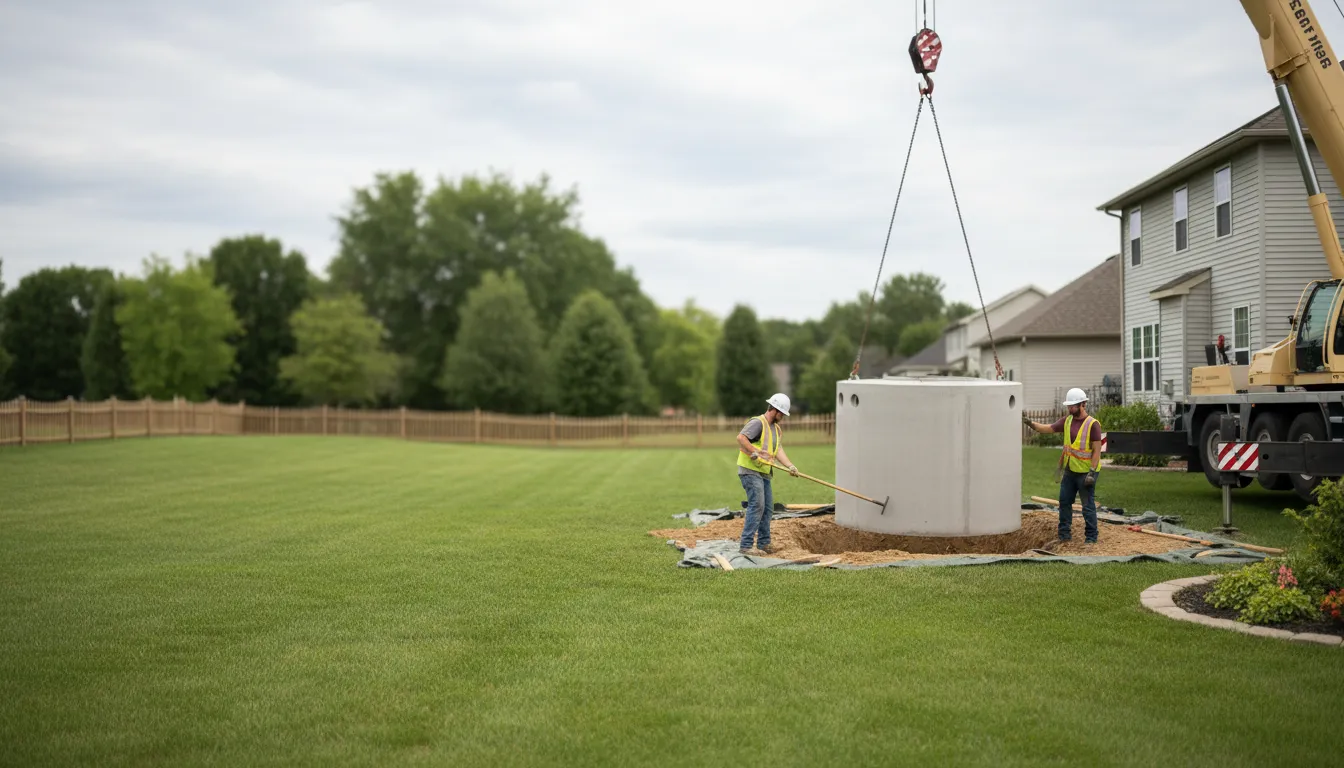
Find the Best Septic Tank Installation & Replacement Contractors for Your Business
No obligation • Fast responses • Nationwide coverage

Why you can trust Septic Spot
Septic Spot is a leading United States resource for understanding and comparing septic services. Our editors review providers using consistent criteria and verify key business details. Listings and scores are independent, and companies cannot pay to influence our content.
Search providers near you
Best Septic Tank Installation & Replacement Contractors in West Virginia Ranked
Installing or replacing a septic system in West Virginia is a significant project that requires careful planning and adherence to state and local health regulations. A properly functioning septic system is essential for protecting your property value, your family's health, and the local groundwater. This guide provides a clear overview of the process, costs, and key regulations to help you understand what's involved in finding a qualified professional for your project.
Understanding the Permit Process
Before any digging begins, you must secure the proper permits. In West Virginia, all septic system installations and major replacements require approval from your local county health department. The process is designed to ensure systems are built correctly and safely.
- Application Submission: You or your installer will need to submit an "Application for a Permit to Install or Modify an Onsite Sewage Disposal System" to your county health department 1.
- Approval to Start: Construction cannot legally begin until the health department has reviewed and approved your permit application 2.
- Tank Registration: A unique state requirement is the septic tank seal. A one-time $30 registration fee per tank is paid to the West Virginia Department of Environmental Protection, and the seal is valid for the life of the tank 3.
Key Pre-Installation Requirements
Your permit application will need to include specific plans and test results. These steps are critical for designing a system that will function properly for years.
Soil Evaluation and Site Planning
The most important factor in system design is your property's soil. A soil percolation (or "perk") test is required to determine how quickly water absorbs, which directly dictates the size and type of drain field needed. A site plan must be developed showing the proposed location of the tank, distribution box, and drain field, often based on data from a minimum of four soil test pits.
System Sizing and Design
Septic systems in West Virginia are primarily sized based on the number of bedrooms in a home, which estimates daily wastewater flow. A standard 1,000-gallon tank is common for smaller homes, but local health regulations provide specific sizing tables. The design must comply with West Virginia Code of State Rules (64CSR47), which covers everything from tank materials (approved concrete or plastic) to the precise construction of the drain field.
Working with Certified Professionals
State law mandates that septic systems must be installed by a West Virginia-certified installer 4. Hiring a certified professional is non-negotiable for a compliant installation. These installers understand the local soil conditions, can navigate the permit process, and ensure the construction meets all code requirements.
Find the perfect septic tank installation & replacement contractors for your needs
Get personalized recommendations and expert advice
The Installation and Inspection Phases
Once your permit is approved and you've hired a certified installer, the physical work can begin. However, the health department remains involved to provide oversight.
- Pre-Installation Inspection: In many counties, a sanitarian from the health department will inspect the open soil test pits before final design approval.
- Final Inspection: This is a critical step. After the tank and drain field are installed but before they are covered with soil, your installer must contact the local health department for a final inspection 5.
- Approval to Cover: The inspector will check that the installation matches the approved plans. Only after they issue a "Certificate of Inspection" can the system be backfilled and covered 6.
Cost Considerations for West Virginia Homeowners
The total cost of a septic system installation or replacement can vary widely based on soil conditions, system type, and property layout.
- Tank Costs: The septic tank itself is a major component. A standard 1,000-gallon concrete tank may cost between $500 and $900, with price increasing by $50-$150 for each additional 100 gallons of capacity.
- Total Project Cost: When you factor in the drain field, distribution box, piping, labor, and permit fees, a full conventional system installation in West Virginia typically ranges from $3,000 to over $10,000 7 8. Alternative systems (like mound or aerobic systems), required for poor soil, are generally more expensive than conventional trench systems.
- Replacement Costs: Replacing a failed system often costs as much as or more than a new installation, as it may involve additional excavation and disposal of the old components.
Maintaining Your New System
After a successful installation, proper maintenance is key to longevity. This includes having the tank pumped regularly (typically every 3-5 years), conserving water, and avoiding flushing harmful chemicals or non-biodegradable materials. Your installer and local health department can provide specific maintenance guidelines for your system type.
Important Disclaimer: Regulations are subject to change. For example, some rules cited here are effective until July 1, 2025 9 10. Always confirm the latest requirements with your local West Virginia county health department before starting any project.
Frequently asked questions
Sources
Footnotes
-
Design Standards for Small Septic Tank Systems - https://apps.sos.wv.gov/adlaw/csr/readfile.aspx?DocId=8133&Format=PDF ↩
-
Sewage and Water - Preston County Health Department - https://prestoncountyhealthdepartment.com/sewage-and-water ↩
-
Septic Tank Seal Registration - https://dep.wv.gov/WWE/permit/septictankseal/Pages/default.aspx ↩
-
Onsite Sewage Disposal Systems - Nicholas County Health Department - https://nicholashealthwv.com/onsite-sewage-disposal-systems/ ↩
-
Water & Septic - Greenbrier County Health Department - https://greenbrierhealth.wv.gov/environmental-health/water-septic/ ↩
-
Sewage/Septic Systems - Lewis County WV Health Department - https://www.lewishealthwv.com/environmental/sewageseptic-systems/38 ↩
-
Residential Septic Tank Pricing | Homeowner's Guide to Costs - https://www.ntotank.com/blog/residential-septic-tank-pricing ↩
-
West Virginia Septic License & Certification - ServiceTitan - https://www.servicetitan.com/licensing/septic/west-virginia ↩
-
W. Va. Code R. § 64-47-6 - [Effective until 7/1/2025] Individual ... - https://www.law.cornell.edu/regulations/west-virginia/W-Va-C-S-R-SS-64-47-6 ↩
-
[Effective until 7/1/2025] Sewage Treatment Works | State Regulations - https://www.law.cornell.edu/regulations/west-virginia/W-Va-C-S-R-SS-64-47-5 ↩