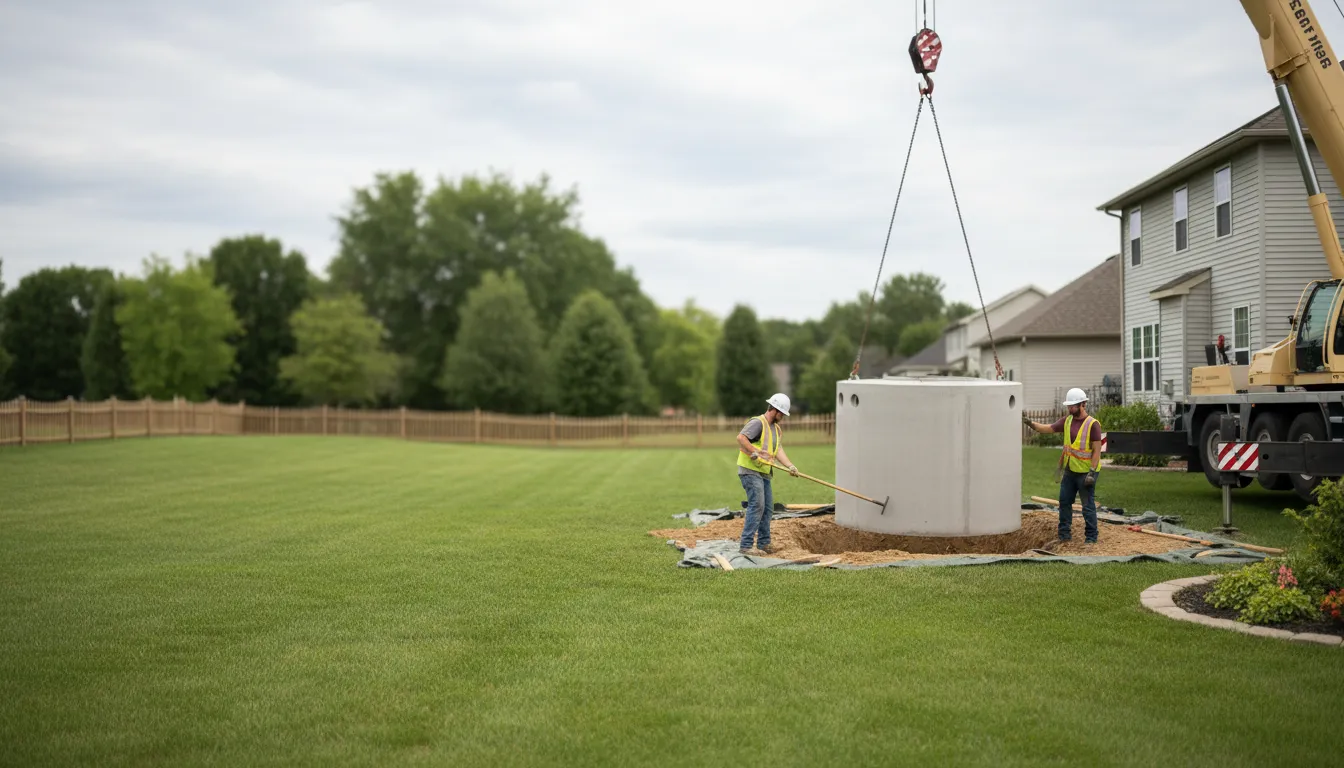
Find the Best Septic Tank Installation & Replacement Contractors for Your Business
No obligation • Fast responses • Nationwide coverage

Why you can trust Septic Spot
Septic Spot is a leading United States resource for understanding and comparing septic services. Our editors review providers using consistent criteria and verify key business details. Listings and scores are independent, and companies cannot pay to influence our content.
Search providers near you
Top Septic Tank Installation & Replacement Contractors in Casper, Wyoming Ranked
Installing or replacing a septic system is a significant project that requires careful planning and adherence to local regulations. For homeowners in Casper and Natrona County, this process is governed by specific rules to protect public health and the environment. This guide explains the key steps, requirements, and considerations for septic system installation and replacement, helping you understand the process and connect with qualified local professionals for your wastewater treatment needs.
Understanding Local Septic System Regulations
All septic system installations and replacements in unincorporated Natrona County require a permit from the Casper-Natrona County Health Department 1. These regulations are based on Wyoming Department of Environmental Quality (DEQ) Chapter 25 rules, which set the statewide standard for onsite wastewater treatment 2. The primary goal is to ensure systems are designed and installed correctly to safely treat household wastewater without contaminating groundwater or creating a public nuisance.
Before any digging begins, you must submit a complete application package. This isn't just a formality; it's a critical review process where health department experts evaluate your property's suitability for a conventional septic system. The regulations apply to systems treating less than 2,000 gallons of wastewater per day, which covers virtually all residential properties.
The Permit Application Process
The first and most crucial step is obtaining the proper permit. You must submit a Conventional Septic System Application Package to the Casper-Natrona County Health Department. This package is comprehensive and requires detailed information about your property and proposed system.
Key components of the application include:
- A detailed site plan showing the proposed location of the tank, absorption field, and all relevant setbacks from wells, property lines, and structures.
- The results of mandatory soil percolation tests.
- The system design, including tank size and absorption field dimensions, calculated based on your home's bedroom count and soil conditions.
For system replacement or repair, the same permitting process applies. A failing septic system must be replaced with a new system that meets all current regulations, and a permit must be secured before any installation work commences. Attempting to install or replace a septic tank or drain field without this permit can result in enforcement actions, fines, and the requirement to remove non-compliant work.
Critical Site and Soil Evaluation: The Perc Test
The feasibility and design of your septic system hinge entirely on your soil's ability to absorb and treat effluent. This is determined through a soil percolation test, often called a "perc test."
Requirements for Testing: A minimum of three test holes are required, spaced uniformly over the proposed absorption system area. These holes must be dug to the planned depth of the system's trench bottom.
Proper Procedure: Test holes should be 12 inches in diameter with vertical, scarified (roughened) walls to accurately simulate soil absorption. The soil must be pre-soaked to ensure consistent water absorption rates. The test measures how many minutes it takes for water to drop one inch (minutes per inch, or mpi). For a conventional system in Wyoming, the acceptable range is between 5 and 60 mpi.
Important Restrictions: Perc tests cannot be conducted in frozen ground, bedrock, or where groundwater is present in the hole. The results of this test directly dictate the size and type of absorption field needed.
System Design and Sizing Requirements
Once your soil has passed the perc test, your system can be designed to match your household's needs and local codes.
Tank Capacity: Wyoming regulations mandate a minimum 1,000-gallon septic tank for a residence with up to four bedrooms 3. System design is based on a flow rate of 150 gallons of wastewater per day, per bedroom. For homes with more than four bedrooms, an additional 150 gallons of tank capacity is required for each extra bedroom.
Absorption Field Design: The size of your drain field or leach field is calculated based on the soil's percolation rate and the daily wastewater flow. Slower-absorbing soils require a larger absorption area. Standard designs in the Casper area typically use gravel-filled trenches or modern plastic chamber systems.
Site Requirements: A key design parameter is maintaining at least 4 feet of vertical separation between the bottom of the absorption trench and any limiting condition, such as seasonal high groundwater, bedrock, or dense clay layers 4 5. This unsaturated soil zone is essential for final treatment of the wastewater before it reaches groundwater.
Find the perfect septic tank installation & replacement contractors for your needs
Get personalized recommendations and expert advice
Installation, Inspection, and Costs
With a permit in hand and a design finalized, a licensed contractor can begin the physical installation of your onsite wastewater system.
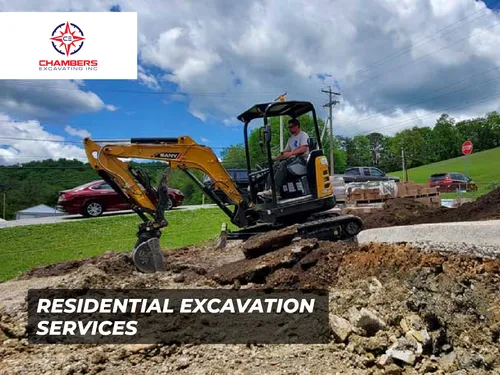
The Installation Process: This involves excavating the tank location and the series of trenches for the absorption field. The septic tank is set, connected to the home's plumbing, and linked to the distribution box and lateral lines. It's critical that all components are level, properly connected, and installed according to the approved design plans.
Mandatory Final Inspection: Before the system is covered with backfill, a final inspection by the Casper-Natrona County Health Department is required 6 7. This inspection typically occurs after the tank and lateral lines are installed but before they are buried. The inspector verifies that the installation matches the permitted plans and meets all code requirements. Do not backfill the system until this inspection is passed.
Understanding Project Costs: The total cost for a new septic system installation or full system replacement can vary widely. While specific contractor prices in Casper differ, a conventional gravity-fed system typically ranges from $5,000 to $15,000 or more 8 9. The final price depends on several factors:
- System Size: Larger tanks and drain fields for bigger homes cost more.
- Soil Conditions: Difficult soil or a high water table may require more extensive excavation or a specialized system, increasing cost.
- System Type: A standard gravel trench system is often the most economical, while chamber systems or alternative technologies may have different price points.
- Site Accessibility: Easy access for heavy equipment helps control costs.
Always obtain multiple detailed quotes from licensed, insured contractors and ensure the quoted price includes all permitting, design, installation, and inspection coordination.
Maintaining Your New Septic System
After a successful installation, proper maintenance is key to a long system life. Pump your tank every 3-5 years, depending on usage. Conserve water to avoid overloading the drain field, and never flush chemicals, grease, or non-biodegradable materials. Keep detailed records of inspections, pumping, and any repairs. A well-maintained system can function effectively for decades, protecting your property value and the local environment.
Frequently asked questions
Sources
Footnotes
-
Licensing - Casper-Natrona County Health Department - https://casperpublichealth.org/licensing/ ↩
-
Chapter 25 SEPTIC TANK AND/OR SOIL ABSORPTION ... - http://eqc.state.wy.us/orders/Water%20Closed%20Cases/12-3101%20WQD%20Chapter%2011%20Rules/Chapter%2025%20for%20PN.pdf ↩
-
020-25 Wyo. Code R. §§ 25-10 - Septic Tanks and Other Treatment ... - https://www.law.cornell.edu/regulations/wyoming/020-25-Wyo-Code-R-SS-25-10 ↩
-
NATRONA COUNTY SMALL WASTEWATER SYSTEM ... - https://casperpublichealth.org/wp-content/uploads/2024/09/natrona-county-wastewater-regulations-v-2017.pdf ↩
-
Small Wastewater Systems - Park County Wyoming - https://parkcounty-wy.gov/planning-and-zoning/small-wastewater-systems/ ↩
-
Conventional Septic Systems Application Package For a ... - https://casperpublichealth.org/wp-content/uploads/2025/05/Conventional-Septic-System-Application-Pkg_2024-1.pdf ↩
-
Wyoming Administrative Code, Chapter 25, Appendix A - https://regulations.justia.com/states/wyoming/agency-020/sub-agency-0011/chapter-25/appendix-a/ ↩
-
Understanding and Maintaining Your Septic System - https://www.uwyo.edu/barnbackyard/_files/documents/magazine/2012guide/0712guideseptic.pdf ↩
-
Septic Tank - Understanding Septic Tank Permits and Regulations - https://westcoastsanitationinc.com/understanding-septic-tank-permits-and-regulations/ ↩