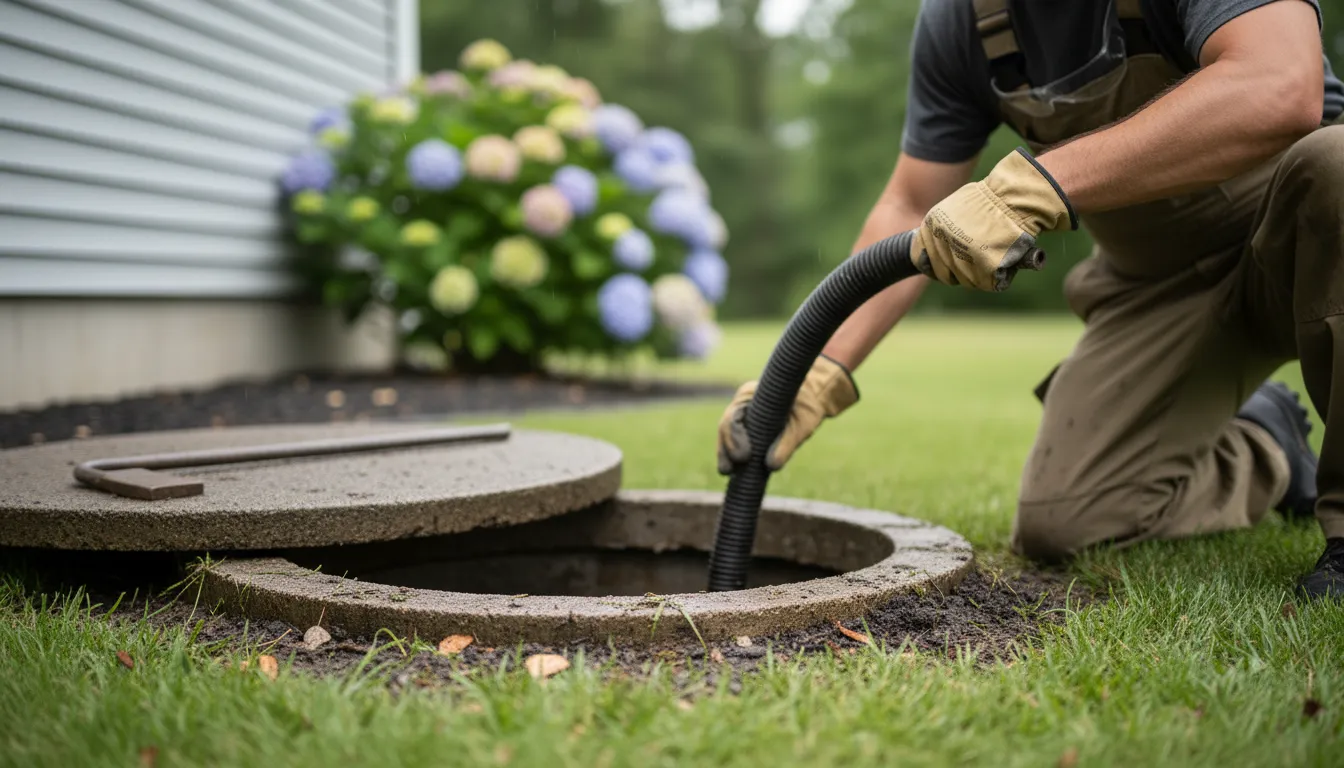
Find the Best Septic Tank Pumping Contractors for Your Business
No obligation • Fast responses • Nationwide coverage

Why you can trust Septic Spot
Septic Spot is a leading United States resource for understanding and comparing septic services. Our editors review providers using consistent criteria and verify key business details. Listings and scores are independent, and companies cannot pay to influence our content.
Search providers near you
Best Septic Tank Pumping Contractors in Alaska Ranked
Maintaining your septic system is a critical responsibility for homeowners across Alaska. Proper septic tank pumping removes accumulated solids, preventing system failure, environmental contamination, and costly repairs. In Alaska's unique climate, with its cold temperatures and challenging ground conditions, a proactive maintenance schedule is especially important. This guide provides the essential information you need to understand local regulations, recommended service intervals, and best practices for finding qualified professionals to service your system.

Septic Services
5662 E Fireweed Rd, Palmer, AK 99645
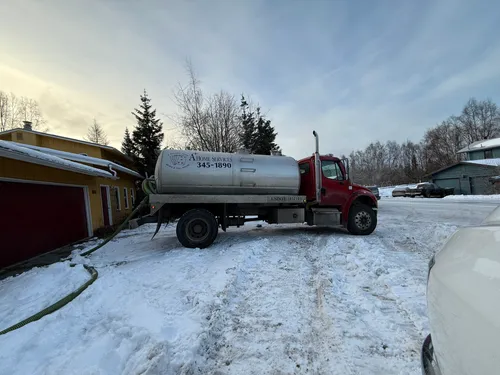
Septic Services, operated by Summit Property Services LLC and Paul Denison LLC, is a family-owned business specializing in septic maintenance and troubleshooting in Anchorage, AK. They offer a range of services including septic tank pumping, high pressure water jetting, lift station and bio filter cleaning, commercial grease trap pumping, floor drain pumping, water hauling for engineered septic tank testing, and small debris removal. Their expertise covers both residential and commercial septic system needs.
Alaska Quality Septic
12243 Center St, Eagle River, AK 99577
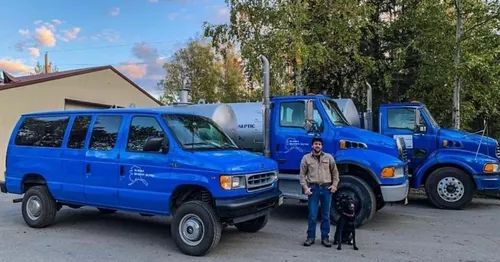
Alaska Quality Septic is a full-service septic company based in Anchorage, AK, offering septic pumping, inspections, maintenance, and installations. They serve a wide range of locations including Anchorage, Eagle River, Wasilla, Palmer, and many remote areas across Alaska. The company provides engineered septic system installations and general excavation services such as land clearing and drainage solutions. Alaska Quality Septic operates with 24/7 support to handle septic emergencies and ongoing system needs.
Royal Flush Septic Pumping
7241 Sunrise Dr, Wasilla, AK 99623
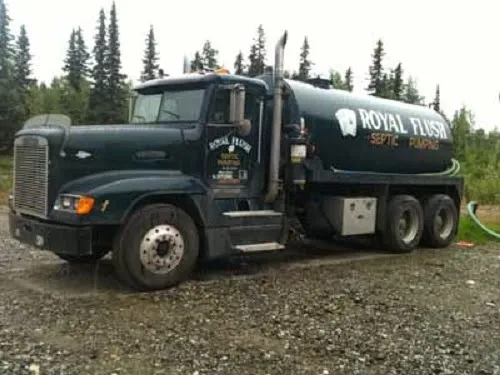
Royal Flush Septic Pumping provides a full range of septic services in Anchorage, AK, including septic tank pumping, inspection, repair, and installation. They also handle drain field repair and replacement, septic pump repair or replacement, and offer commercial sewer repair and pipe video inspection. The company is equipped with vacuum trucks and provides year-round service to manage the challenges posed by Alaska's harsh weather conditions. Royal Flush offers 24/7 emergency septic and sewer services to address urgent needs promptly.
A-Two Septic
Anchorage, AK
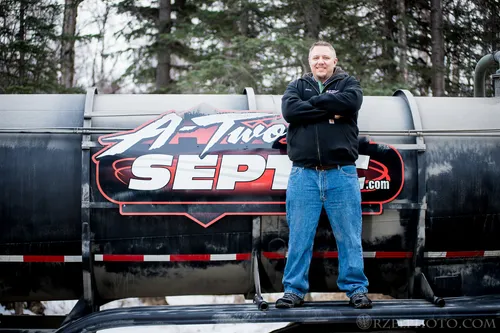
A-Two Septic is a septic tank pumping company serving Anchorage, AK. They provide regular septic system maintenance to help manage sludge build-up and maintain a healthy liquid balance in septic tanks. Their services include septic tank pumping to prevent system failures and identify potential issues early. The company also offers advice on improving septic system efficiency, such as diverting water away from leach fields and conserving water usage.
A+ Home Services, Inc.
700 W 41st Ave STE 201, Anchorage, AK 99503
A+ Home Services, Inc. provides septic system installation, pumping, inspection, repair, and drain field services in Anchorage, AK. With over 30 years of experience, they also offer excavation services including site preparation and drainage system installation for residential and commercial properties. The company specializes in a variety of septic systems, including advanced treatment options like Orenco and Advantex, and uses modern equipment to complete projects efficiently while adhering to local regulations.
Understanding Alaska's Septic System Regulations
Septic systems in Alaska are regulated by the Alaska Department of Environmental Conservation (ADEC) under 18 AAC 72, the state's wastewater disposal code 1. These regulations are designed to protect public health and Alaska's sensitive environment. Homeowners are legally responsible for ensuring their onsite wastewater system is properly maintained, functions correctly, and does not create a nuisance or public health hazard 2.
A key local requirement, particularly in the Municipality of Anchorage, is the Certificate of On-Site Systems Approval (COSA). Before selling a home with a septic system, the seller must obtain a COSA, which verifies the system has been inspected and is in proper working order 3. This underscores the importance of regular maintenance not just for system health, but also for property transactions.
Recommended Pumping Frequency for Alaskan Homes
While a common national guideline is to pump a septic tank every 3 to 5 years, Alaska's conditions often necessitate more frequent attention. The ADEC specifically recommends pumping every 2 years as a general rule. However, the ideal schedule for your home depends on several factors:
- Tank Size and Household Size: A smaller tank serving a large family will fill with solids faster than a large tank serving a couple.
- Usage Habits: The use of a garbage disposal, frequent laundry loads, or having a hot tub can significantly increase the solid waste and water entering the system, potentially requiring annual pumping.
- The Alaska Climate Factor: Cold temperatures slow down the microbial activity essential for breaking down waste in the tank. This "cold climate effect" can lead to faster sludge and scum accumulation, which is why annual inspections are often recommended to monitor levels and determine the precise need for pumping 4 5.
The most reliable method is to have your tank inspected annually. A professional can measure the sludge and scum layers; pumping is recommended when the sludge layer fills one-third of the tank or the scum layer becomes too thick 6 7.
The Cost of Maintenance vs. Repair
Investing in routine septic tank pumping is one of the most cost-effective home maintenance tasks. In Alaska, a standard pumping service typically ranges from $250 to $500, depending on tank size, accessibility, and location 8.
Neglecting this service, however, can lead to catastrophic and expensive failures. When solids overflow from the tank into the drainfield, they can clog the soil, causing sewage to back up into your home or pool on your lawn. Repairing or replacing a failed drainfield or entire conventional septic system in Alaska can cost between $5,000 and $15,000 or more9. Regular pumping is a small price to pay to avoid this major financial burden and health hazard.
Find the perfect septic tank pumping contractors for your needs
Get personalized recommendations and expert advice
What to Expect During a Professional Pumping Service
Hiring a licensed and insured professional is crucial. A proper service involves more than just removing waste. A reputable provider will:
- Locate and uncover the tank access lids.
- Inspect the tank interior, baffles, and the effluent filter (if present) for damage.
- Pump out all solids and liquids from the tank.
- Properly dispose of the septage at an approved facility.
- Conduct a basic inspection of the drainfield area for signs of failure, such as soggy soil or unpleasant odors.
- Provide you with a service report detailing what was done and any observations or recommendations.
This comprehensive approach ensures your entire system is assessed, not just emptied.
Homeowner Maintenance Best Practices
Between professional pumpings, you play a vital role in your system's health. Follow these guidelines to extend its lifespan:
- Conserve Water: Fix leaky faucets and toilets promptly. Spread out laundry loads over the week to avoid hydraulically overloading the system.
- Mind What You Flush: Only human waste and toilet paper should go down the drain. Never flush wipes (even "flushable" ones), feminine hygiene products, dental floss, cat litter, coffee grounds, cooking grease, or chemicals like paint, pesticides, or excessive bleach.
- Avoid Additives: Commercial septic tank additives are not necessary for a well-maintained system and are not recommended by the ADEC. They do not eliminate the need for pumping and can sometimes harm the system 10.
- Protect the Drainfield: Never drive or park vehicles, or place heavy structures like sheds, over your drainfield. Keep roof drains, sump pumps, and other surface water away from the area. Plant only grass over the drainfield; tree and shrub roots can cause severe damage 11 12.
Signs Your Septic Tank Needs Immediate Attention
Don't wait for your scheduled inspection if you notice any of these warning signs:
- Slow drains or gurgling pipes throughout the house.
- Sewage backups in toilets, showers, or sinks.
- Unpleasant odors around the tank or drainfield area.
- Unusually lush, green grass or soggy, spongy ground over the drainfield.
- Standing water or surfacing sewage in your yard.
If you observe any of these issues, contact a professional immediately to prevent further damage and environmental contamination.
Finding a Qualified Service Provider in Alaska
When searching for septic services, prioritize licensed professionals familiar with Alaska's specific regulations and climate challenges. Look for companies with good local reputations, proper insurance, and clear service descriptions. Ask potential providers about their inspection process, how they determine pumping need, and where they dispose of waste. A trustworthy professional will be happy to answer your questions and provide references.
Frequently asked questions
Sources
Footnotes
-
18 AAC 72 Wastewater Disposal - https://dec.alaska.gov/media/k3zjcdo4/18-aac-72.pdf ↩
-
Register __, _____ 2022 DEPARTMENT OF ENVIRONMENTAL ... - https://dec.alaska.gov/media/24733/wastewater-treatment-and-disposal-amendments.pdf ↩
-
Wells & Septic Systems - Anchorage - Muni.org - https://www.muni.org/Departments/OCPD/development-services/wells-septic/Pages/default.aspx ↩
-
Alaska Septic Tank Requirements | Onsite Disposal Systems - https://www.ntotank.com/blog/alaska-septic-tank-requirements ↩
-
Are you an Anchorage homeowner with a septic tank? You're going ... - https://www.adn.com/business-economy/2019/01/25/are-you-an-anchorage-homeowner-with-a-septic-tank-youre-going-to-want-to-know-about-this/ ↩
-
Frequent Questions on Septic Systems | US EPA - https://www.epa.gov/septic/frequent-questions-septic-systems ↩
-
Residential Septic Tank Pumping in AK: A Homeowner's Guide - https://www.aksewer.com/residential-septic-tank-pumping-in-anchorage-ak-a-homeowners-guide/ ↩
-
How Much Does It Cost to Pump Septic Tank: A Detailed Pricing Guide - https://www.benjaminfranklinplumbing.com/league-city/blog/2025/march/how-much-does-it-cost-to-pump-septic-tank-a-detailed-pricing-guide/ ↩
-
Why Maintain Your Septic System | US EPA - https://www.epa.gov/septic/why-maintain-your-septic-system ↩
-
How to Maintain Your Septic System | AK Dept. of Environmental Conservation - https://dec.alaska.gov/water/wastewater/engineering/maintain-septic/ ↩
-
SEpTIC SYSTEmS 101 - Ketchikan Gateway Borough - https://www.kgbak.us/DocumentCenter/View/2059/Septic-Flyer-PDF ↩
-
Homeowner's Guide to Septic Systems - https://marionhealth.org/wp-content/uploads/2024/02/EPA_Homeowner_Guide_Septic_Systems.pdf ↩