Find the Best Septic Tank Pumping Contractors for Your Business
No obligation • Fast responses • Nationwide coverage

Why you can trust Septic Spot
Septic Spot is a leading United States resource for understanding and comparing septic services. Our editors review providers using consistent criteria and verify key business details. Listings and scores are independent, and companies cannot pay to influence our content.
Search providers near you
Top Septic Tank Pumping Contractors in Anchorage, Alaska Ranked
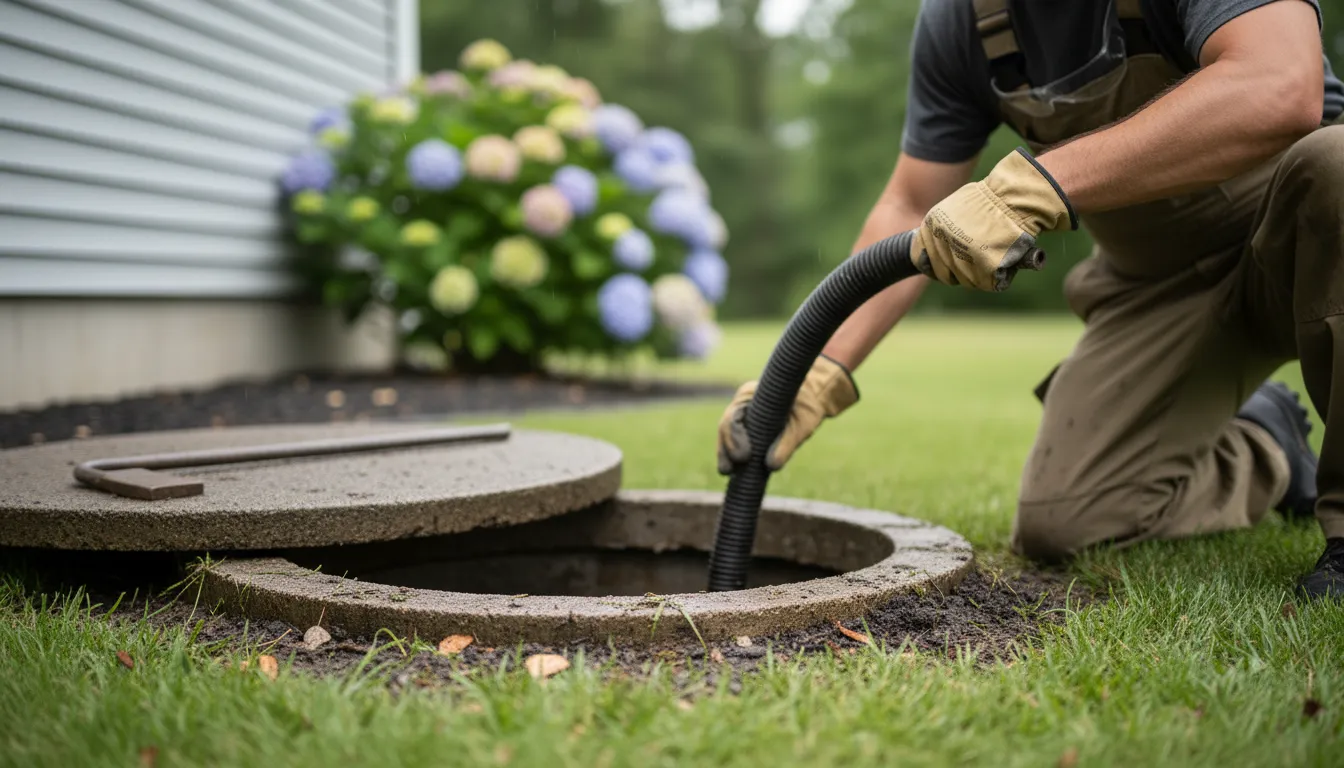
For homeowners in Anchorage, maintaining a septic system is a critical responsibility. Septic tank pumping is the essential process of removing accumulated solids-sludge and scum-from your tank to prevent system failure, backups, and environmental contamination. In Alaska's unique climate, this service is even more vital, as cold temperatures slow the bacterial activity needed for waste breakdown. This guide will help you understand the local requirements, recommended schedules, and what to look for when finding a qualified professional to service your on-site wastewater system.

Septic Services
5662 E Fireweed Rd, Palmer, AK 99645
Septic Services, operated by Summit Property Services LLC and Paul Denison LLC, is a family-owned business specializing in septic maintenance and troubleshooting in Anchorage, AK. They offer a range of services including septic tank pumping, high pressure water jetting, lift station and bio filter cleaning, commercial grease trap pumping, floor drain pumping, water hauling for engineered septic tank testing, and small debris removal. Their expertise covers both residential and commercial septic system needs.
Alaska Quality Septic
12243 Center St, Eagle River, AK 99577
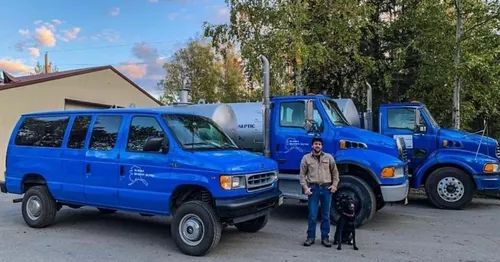
Alaska Quality Septic is a full-service septic company based in Anchorage, AK, offering septic pumping, inspections, maintenance, and installations. They serve a wide range of locations including Anchorage, Eagle River, Wasilla, Palmer, and many remote areas across Alaska. The company provides engineered septic system installations and general excavation services such as land clearing and drainage solutions. Alaska Quality Septic operates with 24/7 support to handle septic emergencies and ongoing system needs.
Royal Flush Septic Pumping
7241 Sunrise Dr, Wasilla, AK 99623
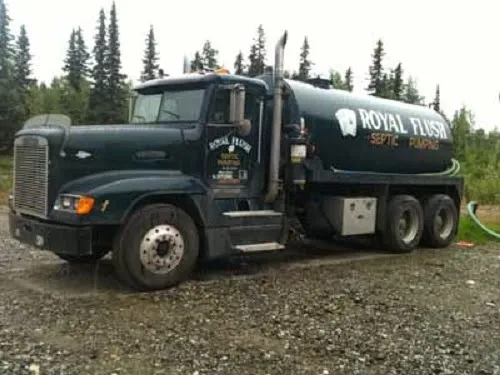
Royal Flush Septic Pumping provides a full range of septic services in Anchorage, AK, including septic tank pumping, inspection, repair, and installation. They also handle drain field repair and replacement, septic pump repair or replacement, and offer commercial sewer repair and pipe video inspection. The company is equipped with vacuum trucks and provides year-round service to manage the challenges posed by Alaska's harsh weather conditions. Royal Flush offers 24/7 emergency septic and sewer services to address urgent needs promptly.
A-Two Septic
Anchorage, AK
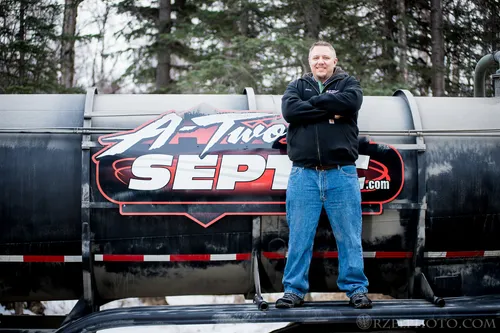
A-Two Septic is a septic tank pumping company serving Anchorage, AK. They provide regular septic system maintenance to help manage sludge build-up and maintain a healthy liquid balance in septic tanks. Their services include septic tank pumping to prevent system failures and identify potential issues early. The company also offers advice on improving septic system efficiency, such as diverting water away from leach fields and conserving water usage.
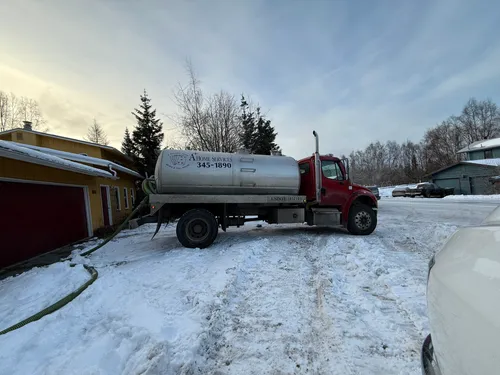
A+ Home Services, Inc.
700 W 41st Ave STE 201, Anchorage, AK 99503
A+ Home Services, Inc. provides septic system installation, pumping, inspection, repair, and drain field services in Anchorage, AK. With over 30 years of experience, they also offer excavation services including site preparation and drainage system installation for residential and commercial properties. The company specializes in a variety of septic systems, including advanced treatment options like Orenco and Advantex, and uses modern equipment to complete projects efficiently while adhering to local regulations.
Why Septic System Maintenance is Critical in Anchorage
Unlike municipal sewer connections, a private septic system treats household wastewater on your property. When functioning correctly, it safely disperses treated effluent into the soil. However, when solids build up beyond the tank's capacity, they can flow into the drain field, clogging the soil and causing costly, unsanitary failures. In Anchorage, proper maintenance isn't just about convenience; it's about protecting your property value, your family's health, and the sensitive Alaskan environment. Regular septic tank cleaning is the cornerstone of this preventative care.
How Often Should You Pump Your Septic Tank in Anchorage?
The standard recommendation for most households is to schedule septic pumping every 2 to 3 years 1. Due to the colder climate, which slows microbial decomposition, some Anchorage homeowners may find they need service more frequently than those in warmer states. However, the exact interval depends heavily on your household's specific conditions.
Here are key factors that influence your pumping schedule:
- Household Size and Usage: A family of five will fill a tank much faster than a single occupant. More water use means more frequent pumping is necessary.
- Garbage Disposal Use: Using a garbage disposal significantly increases the amount of solids entering the tank, often necessitating annual pumping 2.
- Tank Size: Older homes may have smaller tanks (e.g., 500-750 gallons) that require more frequent service than modern 1,000-1,500 gallon systems.
- System Age and Condition: Older systems or those with a history of issues may need more vigilant maintenance.
For new homeowners, it's highly advisable to schedule an inspection and potential pumping immediately upon moving in to establish a baseline for your system's health3.
Understanding Anchorage's Septic System Regulations
The Municipality of Anchorage has specific codes designed to ensure systems are safe and accessible for maintenance. Being aware of these can help you during an inspection or when hiring a service provider.
A crucial regulation requires that septic tanks installed or upgraded after May 1, 2019, must have an access manway riser (minimum 20-inch diameter) on the first compartment and a 4-inch minimum cleanout on the second compartment 4. These features bring the tank lids to the surface, making locating, inspecting, and pumping the tank far easier and less disruptive to your yard.
Furthermore, if you've recently had a new system installed or a major repair, you must obtain a Certificate of On-Site System Approval (COSA). A key condition is that the septic tank must be pumped within 12 months of the COSA submittal date5. The Alaska Department of Environmental Conservation (ADEC) also recommends checking and cleaning the tank's effluent filter annually-a task often performed during a routine pumping visit6.
What to Expect During a Professional Pumping Service
A thorough septic service involves more than just removing waste. A reputable provider will follow a comprehensive process:
- Locating and Accessing the Tank: Using plans or probes, the technician will find the tank lids. If you have risers, this step is instantaneous.
- Inspecting the System: Before pumping, they should inspect the tank's inlet and outlet baffles, check the effluent filter, and look for signs of cracks or leaks.
- Pumping the Tank: Using a large vacuum truck, all liquid and solid waste is removed from the tank. A complete job ensures the sludge layer at the bottom is fully removed.
- Post-Pumping Inspection: After the tank is empty, a final inspection can reveal structural issues that were previously hidden.
- Reporting and Advice: You should receive a report on the tank's condition, the level of solids found, and a recommendation for your next service date.
Find the perfect septic tank pumping contractors for your needs
Get personalized recommendations and expert advice
The Impact of Alaska's Climate on Your Septic System
Alaska's prolonged cold presents unique challenges for septic systems. The ground freezes deeply, which can affect drain field performance if the system is not properly insulated or used heavily in winter. More importantly, the bacteria responsible for breaking down waste in the tank are less active in cold temperatures7. This reduced biological activity means solids accumulate faster than in temperate climates, underscoring why adhering to a 2-3 year pumping schedule is not just a suggestion-it's a necessity for reliable operation.
Cost of Septic Tank Pumping in Anchorage
The price for residential septic pumping in Anchorage can vary. Generally, you can expect a range from $200 to over $5008 9. Several factors influence the final cost:
- Tank Size and Capacity: Pumping a 1,500-gallon tank costs more than a 1,000-gallon tank.
- Accessibility: Tanks without risers that require digging, or those located far from where the truck can park, will incur higher labor charges.
- Season: Winter pumping, which may require thawing frozen ground or lids, can be more expensive.
- Additional Services: Costs will increase if you also need an effluent filter cleaned, a detailed inspection report, or minor repairs.
Always get a clear, upfront estimate that details what is included before work begins.
Choosing a Qualified Septic Service Provider
Not all pumpers are equal. For your safety and your system's longevity, it's essential to choose a licensed, knowledgeable professional. Look for a company that:
- Is licensed and insured to work in the Municipality of Anchorage.
- Has experience with local soil conditions and regulations.
- Provides a detailed invoice that notes the gallons pumped and the condition of tank components.
- Is willing to answer questions and explain their process.
- Can provide references from other local homeowners.
A proper pumping is an investment in your home. Cutting corners with an unqualified service can lead to incomplete pumping, damaged components, and premature system failure.
Beyond Pumping: Comprehensive Septic System Care
While pumping is the most critical maintenance task, overall system health involves more. Protect your investment by:
- Conserving Water: Spread out laundry loads and fix leaky fixtures to avoid hydraulically overloading the system.
- Mindful Flushing: Only human waste and toilet paper should go down the drain. Avoid chemicals, grease, wipes (even "flushable" ones), and feminine hygiene products.
- Protecting the Drain Field: Never park vehicles or build structures over the drain field. Keep rainwater drainage systems away from it.
- Regular Inspections: Have a professional inspection every 1-3 years, even in the years between pumpings, to catch small issues early.
Frequently asked questions
Sources
Footnotes
-
Residential Septic Tank Pumping in AK: A Homeowner's Guide - https://www.aksewer.com/residential-septic-tank-pumping-in-anchorage-ak-a-homeowners-guide/ ↩
-
How Often to Pump a Septic Tank 2026 - Clear River Environmental - https://clearriverenvironmental.com/how-often-to-pump-a-septic-tank/ ↩
-
How Often Should You Pump Your Septic Tank? - https://tlsepticpumper.com/septic-system-education/how-often-pump-septic-tank/ ↩
-
CHAPTER 15.65 WASTEWATER DISPOSAL - Anchorage - Muni.org - https://www.muni.org/departments/ocpd/development-services/codes-handouts/code%20archive%202018/amc%2015.65_adopted%20jan%2023%202018.pdf ↩
-
Municipality of Anchorage - https://www.muni.org/departments/ocpd/development-services/wells-septic/documents/cosa%20guidelines_2018.pdf ↩
-
How to Maintain Your Septic System | AK Dept. of Environmental ... - https://dec.alaska.gov/water/wastewater/engineering/maintain-septic/ ↩
-
Are you an Anchorage homeowner with a septic tank? You're going ... - https://www.adn.com/business-economy/2019/01/25/are-you-an-anchorage-homeowner-with-a-septic-tank-youre-going-to-want-to-know-about-this/ ↩
-
Alaska Septic Tank Requirements | Onsite Disposal Systems - https://www.ntotank.com/blog/alaska-septic-tank-requirements ↩
-
Residential Septic Tank Pricing | Homeowner's Guide to Costs - https://www.ntotank.com/blog/residential-septic-tank-pricing ↩