Find the Best Septic Tank Pumping Contractors for Your Business
No obligation • Fast responses • Nationwide coverage

Why you can trust Septic Spot
Septic Spot is a leading United States resource for understanding and comparing septic services. Our editors review providers using consistent criteria and verify key business details. Listings and scores are independent, and companies cannot pay to influence our content.
Search providers near you
Top Septic Tank Pumping Contractors in Mobile, Alabama Ranked
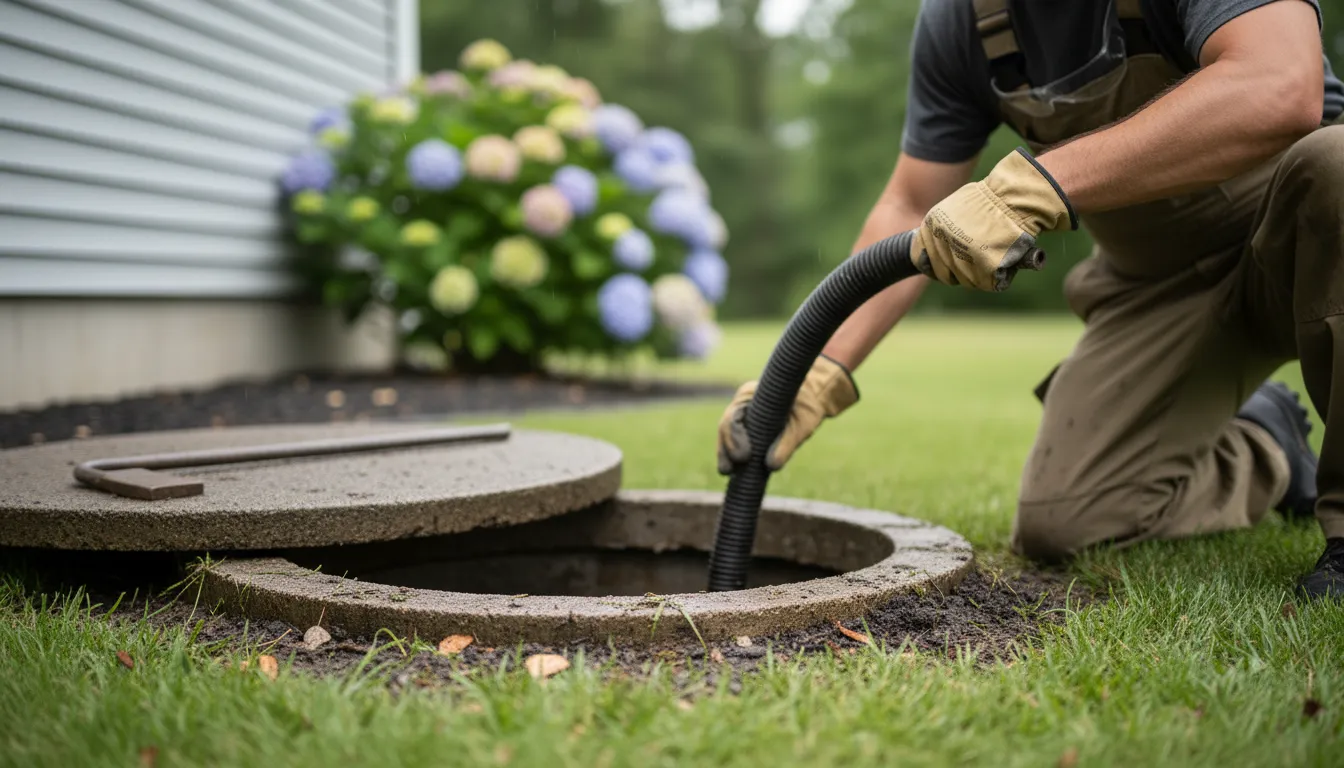
Maintaining your septic system is a critical responsibility for any homeowner not connected to a municipal sewer line. Septic tank pumping is the essential process of removing accumulated sludge and scum from your tank to prevent system failure, protect your property, and safeguard local groundwater. This guide provides Mobile residents with the key information needed to understand this vital service, including local recommendations, costs, and how to find qualified professionals for your maintenance needs.
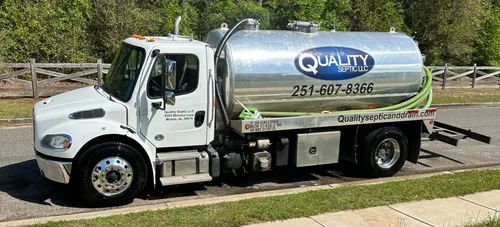
Quality Septic LLC
8503 Mimosa Ln, Mobile, AL 36619
Quality Septic LLC is a septic service provider based in Mobile, AL. Founded in 2017 with a focus on integrity, the company offers septic tank pumping, inspection, installation, and drain field repair services. They also provide septic pump replacement and grease trap pumping. Quality Septic LLC uses sewer jetting technology to clear clogs safely and effectively, ensuring thorough cleaning of pipes. The company serves residential customers in Mobile and surrounding areas.
DrainBusters Plumbing
6490 Carol Plantation Rd, Theodore, AL 36582
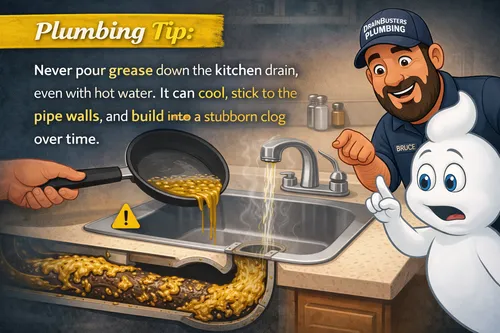
DrainBusters Plumbing is a full-service plumbing and septic company serving Mobile, AL, and surrounding communities. They offer plumbing repairs, drain cleaning, sewer services, and comprehensive septic system care, including inspections, pumping, and repairs. The company is licensed and insured, providing professional, code-compliant work. DrainBusters Plumbing offers 24/7 emergency service and same-day appointments when possible, covering a wide area within Mobile County including Theodore and nearby towns.
DrainBusters Plumbing
701-A Schillinger Rd N, Mobile, AL 36608
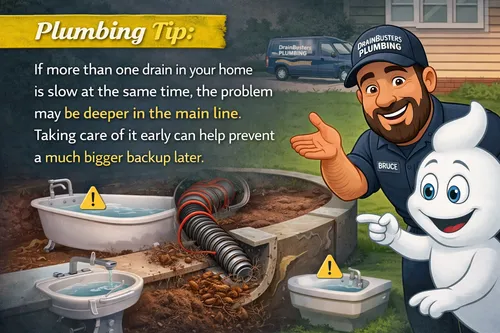
DrainBusters Plumbing is a full-service plumbing and septic company based in Mobile, AL. They serve homeowners and businesses throughout Mobile, Theodore, and surrounding communities, offering plumbing repairs, drain cleaning, sewer services, and comprehensive septic system care including inspections, pumping, and repairs. The company is licensed and insured, providing code-compliant work with upfront pricing and respectful technicians. DrainBusters Plumbing offers same-day service when possible and 24/7 emergency response to address urgent plumbing and septic needs.
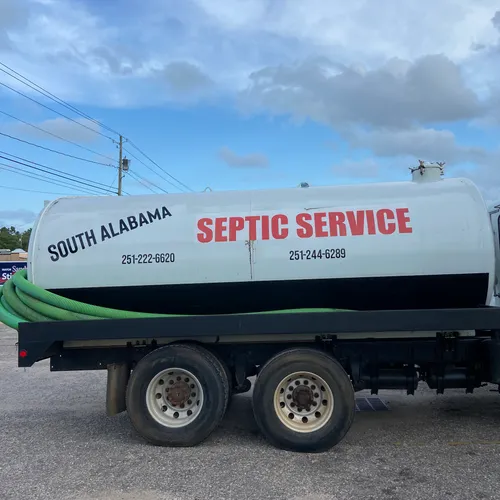
South Alabama Septic Service
7775 Avenue E, Mobile, AL 36608
South Alabama Septic Service is a septic tank pumping and repair company located in Mobile, AL. They provide services including septic tank pumping, grinder pump repair and replacement, septic tank cleaning, effluent pump repair and replacement, and drain field repair or replacement. With 28 years of experience since 1992, they focus on understanding customer needs and building personal relationships.
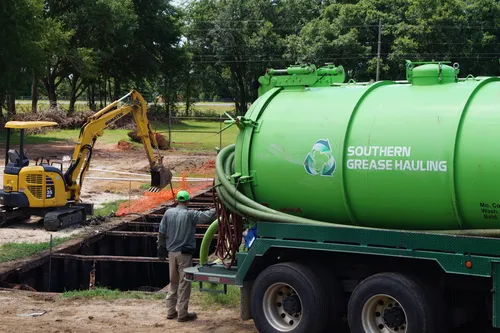
Southern Grease Hauling
2001 W I-65 Service Rd N suite b, Mobile, AL 36618
Southern Grease Hauling is a septic tank pumping company based in Mobile, AL. They offer a range of commercial and industrial services including grease trap installation, pumping, and inspections, as well as lift station pumping, inspection, and repairs. Their capabilities include large volume hauling of septic waste using industrial vacuum trucks operated by certified and insured staff. The company emphasizes safety and compliance with OSHA standards.
Understanding Your Septic System and Why Pumping is Essential
A septic system is an on-site wastewater treatment structure, typically consisting of a tank and a drain field. When wastewater from your home enters the tank, solids settle to the bottom as sludge, and fats and oils float to the top as scum. The clarified liquid in the middle, called effluent, flows out to the drain field for further treatment by the soil. Over time, the sludge and scum layers build up. If they aren't removed through regular septic system pumping, they can flow into and clog the drain field, leading to a costly and unsanitary system failure 1.
Proper maintenance is not just about convenience; it's an environmental and financial necessity. A failing system can contaminate nearby wells, streams, and Mobile Bay with harmful bacteria and nutrients. It can also cause sewage to back up into your home or create soggy, foul-smelling patches in your yard. Regular septic tank servicing is the most effective way to prevent these problems and ensure your system functions for its full intended lifespan.
Recommended Pumping Frequency for Mobile Homes
How often should you schedule a septic pump-out? The general rule for most households in Mobile is every 3 to 5 years. However, this is a guideline, not a one-size-fits-all schedule. Several factors specific to your household can necessitate more frequent septic tank cleaning:
- Household Size: More people generate more wastewater and solids.
- Tank Size: A smaller tank will fill with solids faster than a larger one.
- Garbage Disposal Use: Using a garbage disposal significantly increases the amount of solids entering the tank.
- Water Usage: High-volume activities like frequent laundry loads or long showers can push solids through the tank too quickly.
Homes with garbage disposals, larger families, or smaller tanks may need septic maintenance as often as every 1 to 2 years 2. The most accurate way to determine your schedule is to have the sludge and scum levels inspected by a professional.
The Importance of Regular Inspections
While pumping removes the accumulated waste, an inspection tells you when it's needed and identifies other potential issues. Experts recommend having your entire system inspected every 1 to 3 years 3. A thorough inspection by a licensed contractor will:
- Measure the sludge and scum layers to determine if pumping is needed.
- Check for leaks in the tank, inlet, and outlet pipes.
- Inspect baffles and tees (which prevent solids from exiting the tank) for damage.
- Examine the drain field for signs of failure, such as surfacing effluent or overly lush grass.
- Assess mechanical components like pumps and alarms, if present.
This proactive approach is far less expensive than dealing with an emergency repair after a failure has occurred.
Find the perfect septic tank pumping contractors for your needs
Get personalized recommendations and expert advice
Recognizing Signs You Need Service Sooner
Don't wait for a full-blown disaster. Be aware of these warning signs that your system may need immediate attention from a septic pumping service:
- Slow Drains: Sinks, showers, and toilets that drain slowly, especially throughout the entire house.
- Gurgling Sounds: Unusual gurgling noises coming from your plumbing.
- Sewage Odors: Foul smells inside your home or around the tank and drain field area.
- Wet Spots: Soggy, spongy, or unusually green and lush grass over the drain field, even during dry weather.
- Sewage Backup: The most severe sign, where wastewater backs up into household drains.
If you notice any of these signs, contact a professional immediately to assess the situation 4.
What to Expect: The Septic Pumping Process
When you hire a professional for septic tank emptying, a standard service visit typically includes:
- Locating and Uncovering: The technician will locate your tank and access ports, which may require some digging.
- Inspecting: Before pumping, they will often check the sludge and scum levels and look for visible damage.
- Pumping: Using a large tank truck (vacuum truck), they will pump out all the contents (sludge, scum, and liquid) from your tank.
- Cleaning & Re-inspecting: High-pressure water may be used to clean the tank walls. The technician will then inspect the empty tank for cracks, baffle integrity, and other issues.
- Final Steps: The access lids are securely replaced, and the area is tidied up. The waste is transported to a licensed treatment facility for proper disposal.
It's a good practice to be present during the service to ask questions and see any issues the technician points out.
Cost of Septic Tank Pumping in Mobile
The cost for septic pumping in Mobile can vary based on tank size, accessibility, and the extent of the service. Based on recent local data:
- The average cost for a standard residential pumping job in Mobile is around $380.
- Most homeowners can expect to pay between $280 and $520 for this essential service.
- Prices can range from as low as $190 for a simple, accessible pump-out to over $890 for larger tanks, difficult access, or additional repairs 5.
Always get a detailed estimate before work begins. The lowest price isn't always the best value; ensure the company is licensed and insured.
Choosing a Licensed Professional in Mobile County
This is one of the most important decisions for your system's health. In Alabama, septic system contractors and pumpers must be licensed by the Alabama Onsite Wastewater Board 6. Additionally, local regulations in Mobile County require septic tank pumpers to be licensed, and the Mobile County Health Department oversees permitting for system installations and repairs 7 8.
Always verify a contractor's state license. Hiring a licensed professional ensures they have the required training, follow state codes for waste disposal, and carry the necessary insurance. Don't hesitate to ask for proof of license and references.
Daily Habits for a Healthy Septic System
Your daily actions greatly impact how often you'll need septic tank maintenance. Follow these best practices:
- Conserve Water: Fix leaking toilets and faucets immediately. Spread out laundry loads over the week instead of doing many loads in one day.
- Mind What You Flush: Only flush human waste and toilet paper. Never flush wipes (even "flushable" ones), feminine hygiene products, dental floss, diapers, or cooking grease.
- Use Garbage Disposals Sparingly: Compost food scraps when possible. If you use a disposal, expect more frequent pumping.
- Protect Your Drain Field: Never park vehicles or build structures over it. Keep roof drains, sump pumps, and other surface water away from the area.
- Install and Maintain an Effluent Filter: These filters, installed on the tank's outlet, prevent solids from entering the drain field and are a highly recommended upgrade. They need to be cleaned regularly (typically during your inspection) 9.
Proper care extends your system's life, protects your investment, and keeps your local environment clean.
Frequently asked questions
Sources
Footnotes
-
Septic Tanks - Preventative Routine Maintenance - https://des.sc.gov/permits-regulations/septic-tanks/homeowner-resources/septic-tanks-preventative-routine-maintenance ↩
-
Septic Systems | Department of Environmental Protection - https://www.pa.gov/agencies/dep/residents/my-water/septic-systems ↩
-
Caring for Septic Systems - Alabama Extension - https://www.aces.edu/blog/topics/fish-water/caring-for-septic-systems/ ↩
-
Septic Tank Pumping Frequency: Crucial Maintenance Guide - https://septic911.com/septic-tank-pumping-frequency/ ↩
-
Septic Pumping in Mobile, AL - Costs 02 / 2026 - Homeyou - https://www.homeyou.com/al/septic-pumping-mobile-costs ↩
-
Septic Tank Maintenance | Alabama Department of Public ... - https://www.alabamapublichealth.gov/onsite/maintenance.html ↩
-
Environmental Health - Mobile County Health Department - https://mchd.org/environmental-health/ ↩
-
Alabama Septic Tank Requirements - https://www.ntotank.com/blog/alabama-septic-tank-requirements ↩
-
Septic Tank Maintenance | Alabama Department of Public Health ( ... - https://www.alabamapublichealth.gov/baldwin/septic-tank-maintenance.html ↩