Find the Best Septic Tank Pumping Contractors for Your Business
No obligation • Fast responses • Nationwide coverage

Why you can trust Septic Spot
Septic Spot is a leading United States resource for understanding and comparing septic services. Our editors review providers using consistent criteria and verify key business details. Listings and scores are independent, and companies cannot pay to influence our content.
Search providers near you
Top Septic Tank Pumping Contractors in Buckeye, Arizona Ranked
Maintaining a healthy septic system is a critical responsibility for homeowners in Buckeye. Regular septic tank pumping and inspection are essential services that prevent costly system failures, protect your property value, and ensure environmental safety. This guide provides detailed information on septic system maintenance, including recommended schedules, local costs, and key considerations, to help you connect with qualified local professionals for this vital home care task.
Reddi Services
12268 92nd Dr, Peoria, AZ 85381
Reddi Services is a family-owned plumbing and HVAC company serving Phoenix, AZ, and the Kansas City metro areas. Since 1957, they have provided full-service plumbing, drain cleaning, cooling, and heating solutions for residential and commercial customers. Their services include septic tank pumping and inspection, along with comprehensive plumbing inspections to diagnose issues. Reddi Services maintains licensed and insured technicians and offers 24/7 emergency service without after-hours charges, ensuring help is available whenever needed.
Septic Technologies, Inc.
Phoenix, AZ
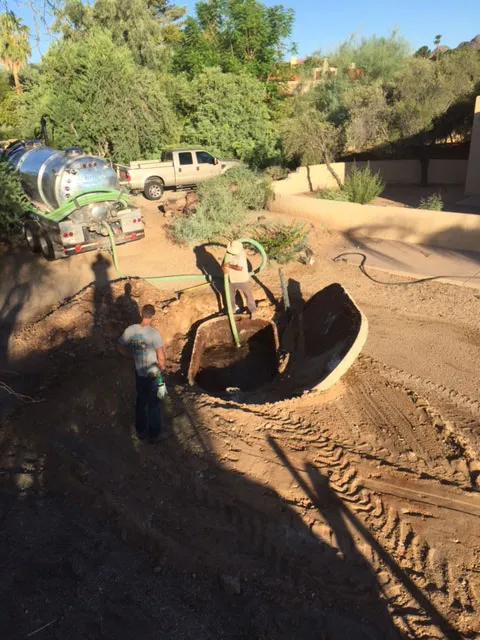
Septic Technologies, Inc. is a family-owned septic service company based in Phoenix, AZ, serving a wide range of nearby communities including Buckeye, Scottsdale, and Glendale. They offer comprehensive septic system services such as pumping, inspection, and repair, with certified technicians experienced in on-site wastewater treatment. The company has nearly three decades of experience and provides thorough ADEQ inspection reports to assist with property transactions. Septic Technologies, Inc. is fully licensed, bonded, and insured, focusing on routine maintenance to keep septic systems functioning properly.
AZ Septic Works
220 N 4th St Suite 2, Buckeye, AZ 85326
AZ Septic Works is a licensed and ADEQ-certified septic service provider based near Phoenix, AZ. They offer a range of services including septic tank pumping, inspections, repairs, and full system installations for both residential and commercial properties. The company understands local soil conditions and regulations, ensuring compliance and effective system management. AZ Septic Works emphasizes clear communication and tailored maintenance plans to help prevent system failures and maintain long-term functionality. Their expertise covers everything from routine inspections to emergency pumping and new system design and installation.
Ducks Septic Pump & Install
826 Monroe Ave #2908, Buckeye, AZ 85326
Ducks Septic Pump & Install is a septic service company based in Phoenix, AZ. They offer a range of services including septic tank pumping, inspection, repair, and installation. Their pumping services cover septic tanks, sand traps, grease traps, sewer plants, cooling towers, ponds, pools, storm drains, and other water collection areas. They also handle septic system design, maintenance, repairs, sewer tie-ins, and excavation services.

Eco Septic Tank Pumping Phoenix
Phoenix, AZ
Eco Septic Tank Pumping Phoenix provides a full range of septic services including pumping, inspection, repair, and installation in Phoenix, AZ. They handle routine septic system cleaning, emergency sewer cleaning, and biological treatments to maintain system health. Their process includes thorough tank inspection and safe waste disposal to licensed facilities. The company also offers septic system repairs and new installations, ensuring compliance with local regulations. Serving Phoenix and surrounding areas, Eco Septic Tank Pumping Phoenix emphasizes regular maintenance to prevent system failures and extend septic system lifespan.
Understanding Your Septic System's Needs
A septic system is an on-site wastewater treatment structure, typically consisting of a tank and a drain field. Solid waste settles as sludge at the bottom of the tank, while fats and oils float as scum on top. The clarified liquid in the middle, called effluent, flows out to the drain field for further treatment. Over time, the sludge and scum layers accumulate, and if not removed, they can clog the system and cause backups or drain field failure. This is why periodic septic tank cleaning is non-negotiable.
In Buckeye and across Maricopa County, the arid climate and specific soil conditions make proper maintenance even more crucial. A failing system can contaminate groundwater and create significant health hazards. Adhering to local guidelines helps ensure your system functions efficiently for decades.
Recommended Pumping Frequency for Buckeye Homes
The standard recommendation for septic tank service is to have your tank professionally pumped every 3 to 5 years. However, this is a general guideline, and several factors specific to your household can necessitate more frequent septic system pumping.
- Household Size: A larger number of residents increases wastewater flow. Households with six or more people may need pumping every 1 to 2 years 1.
- Tank Size: A smaller tank will fill with solids more quickly than a larger one.
- Garbage Disposal Use: Using a garbage disposal significantly increases the amount of solids entering the tank, shortening the time between necessary pump-outs.
- Water Usage Habits: Excessive water use from long showers, frequent laundry loads, or leaking fixtures can overwhelm the system.
A licensed professional can assess your specific situation during an inspection to recommend the ideal pumping schedule for your home.
The Importance of Regular Septic Inspections
Alongside pumping, routine septic system inspection is a cornerstone of responsible ownership. It is recommended to have your system inspected every 1 to 3 years. An inspection is much more than just checking the sludge level. A qualified inspector will:
- Measure sludge and scum layers to determine if pumping is needed.
- Check the tank's structural integrity for cracks or leaks.
- Inspect inlet and outlet baffles to ensure they are intact and functioning.
- Examine the drain field for signs of surfacing effluent or soggy ground.
- Look for any signs of backflow or system distress 2 3.
Furthermore, if you are planning to sell your Buckeye home, Arizona law requires a formal "Notice of Transfer" inspection to be completed by an ADEQ-certified inspector before the property changes hands 4. This protects both the buyer and the seller.
What to Expect: The Pumping and Inspection Process
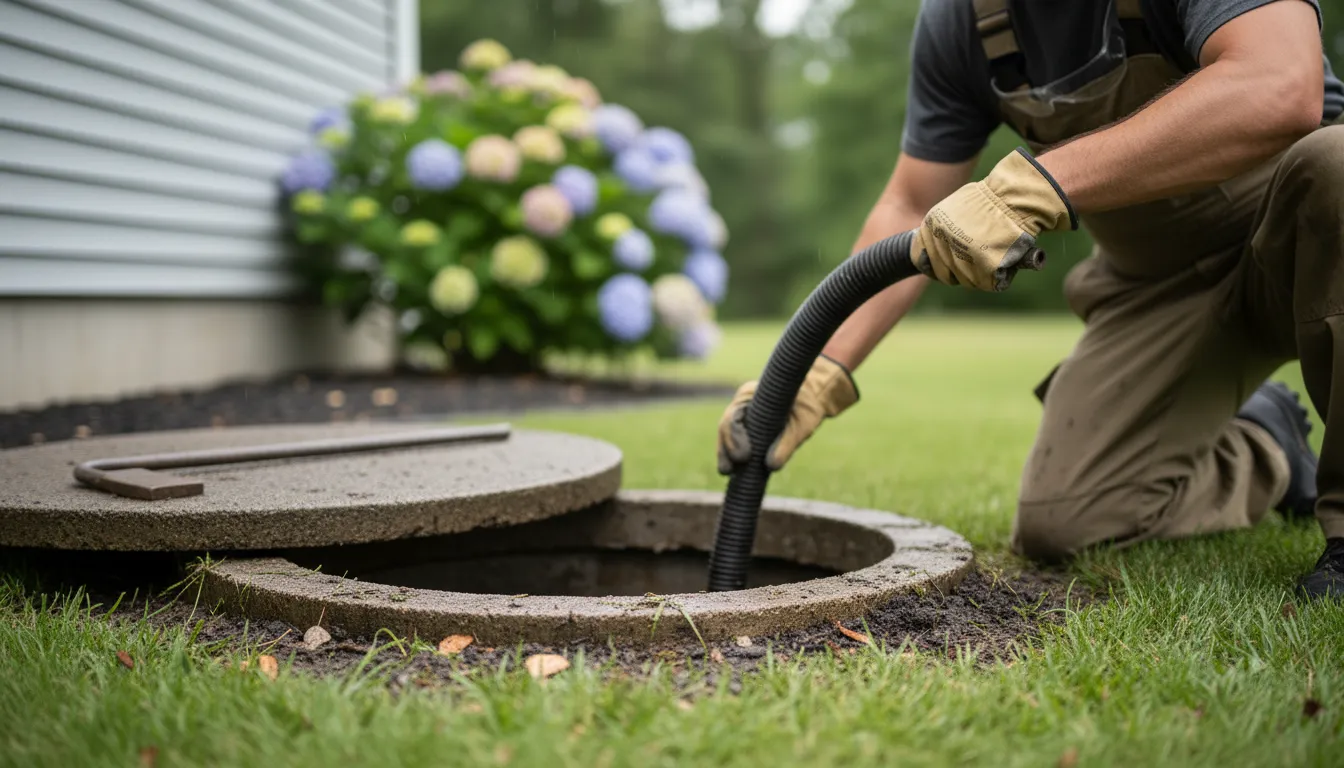
When you hire a professional for septic tank maintenance, you should expect a thorough process. For a standard pump-out, the technician will locate and uncover the tank's access lids. Using a vacuum truck, they will remove all the contents from every compartment of the tank. It's crucial that all compartments are fully evacuated to be effective.
A comprehensive inspection often accompanies pumping. A basic visual inspection typically costs between $200 and $300, while a full inspection that includes pumping can range from $400 to over $650. This service provides a complete picture of your system's health and can identify minor issues before they become expensive repairs.
Find the perfect septic tank pumping contractors for your needs
Get personalized recommendations and expert advice
Cost of Septic Services in Buckeye
Understanding the potential costs helps homeowners budget for this essential maintenance. Prices can vary based on tank size, accessibility, and the scope of service.
- Pumping Costs: The average cost for septic tank pumping in Arizona generally ranges from $300 to $500 5 6. For a standard 1,250 to 1,500-gallon tank common in many homes, you can expect to pay in the $400-$500 range. Larger tanks, such as those over 2,000 gallons, can cost between $700 and $1,000 or more to pump 6.
- Inspection Costs: As noted, a basic inspection starts around $200-$300. The price increases if the inspection is more detailed or if it is the legally required transfer inspection 7.
- Additional Costs: If the inspection reveals problems like a damaged baffle, a clogged effluent filter (which should be cleaned annually 8), or issues with the drain field, repair costs will be additional. However, these are far less than the cost of a full system replacement, which underscores the value of regular check-ups.
Proactive Maintenance Tips
Beyond scheduling regular service, homeowners can take steps to extend their system's life.
- Conserve Water: Fix leaky faucets and toilets promptly. Spread out laundry loads over the week instead of doing many loads in one day.
- Mind What You Flush: Only human waste and toilet paper should go down the drain. Avoid flushing wipes (even "flushable" ones), feminine hygiene products, dental floss, cooking grease, or chemicals.
- Protect Your Drain Field: Never park vehicles or place heavy structures on the drain field. Keep roof drains and sump pumps directed away from it.
- Avoid Additives: Commercial septic system additives are not necessary for a properly functioning system and do not eliminate the need for pumping. In some cases, they can harm the bacterial balance or mask problems until they become severe.
- Keep Records: Maintain a log of all pumping, inspections, and repairs. This is valuable for troubleshooting and is essential documentation if you sell your home.
Most importantly, do not wait for a backup or a foul odor to schedule service. By the time a problem is apparent inside your home, the damage to the drain field may already be done, leading to repairs that are exponentially more expensive than routine maintenance 9. Always hire a licensed, insured, and professional septic service company for any work on your system.
Frequently asked questions
Sources
Footnotes
-
Maintaining Your Septic System in Arizona How Often Should ... - https://www.duckspumping.com/single-post/maintaining-your-septic-system-in-arizona-how-often-should-you-pump-your-tank-for-optimal-performanc ↩
-
Arizona Septic Tank Requirements - https://www.ntotank.com/blog/arizona-septic-tank-requirements ↩
-
Septic Tanks - Preventative Routine Maintenance - https://des.sc.gov/permits-regulations/septic-tanks/homeowner-resources/septic-tanks-preventative-routine-maintenance ↩
-
What You Should Know When You're Having Your Septic ... - https://extension.arizona.edu/publication/what-you-should-know-when-youre-having-your-septic-system-inspected-transfer-ownership ↩
-
Septic Tank Pumping Cost: Guide & Pricing in 2025 - Splash Plumbing - https://www.splashplumbing.com/how-much-does-it-cost-to-pump-septic-tank-understanding-pricing-and-factors-involved/ ↩
-
Septic Tank Pumping Costs in Arizona | SewerTime Blog - https://sewertime.com/blog/septic-tank-pumping-costs/ ↩ ↩2
-
How Much Does a Septic Inspection Cost in Arizona? - https://www.advantageairmechanical.com/blog/septic-inspection-cost-arizona ↩
-
Operation & Maintenance Recommendations For ... - Maricopa County - https://www.maricopa.gov/DocumentCenter/View/7466/Operations-and-Maintenance-Recommendations-for-Septic-Systems-PDF ↩
-
Septic System Maintenance | Ohioline - https://ohioline.osu.edu/factsheet/aex-740 ↩