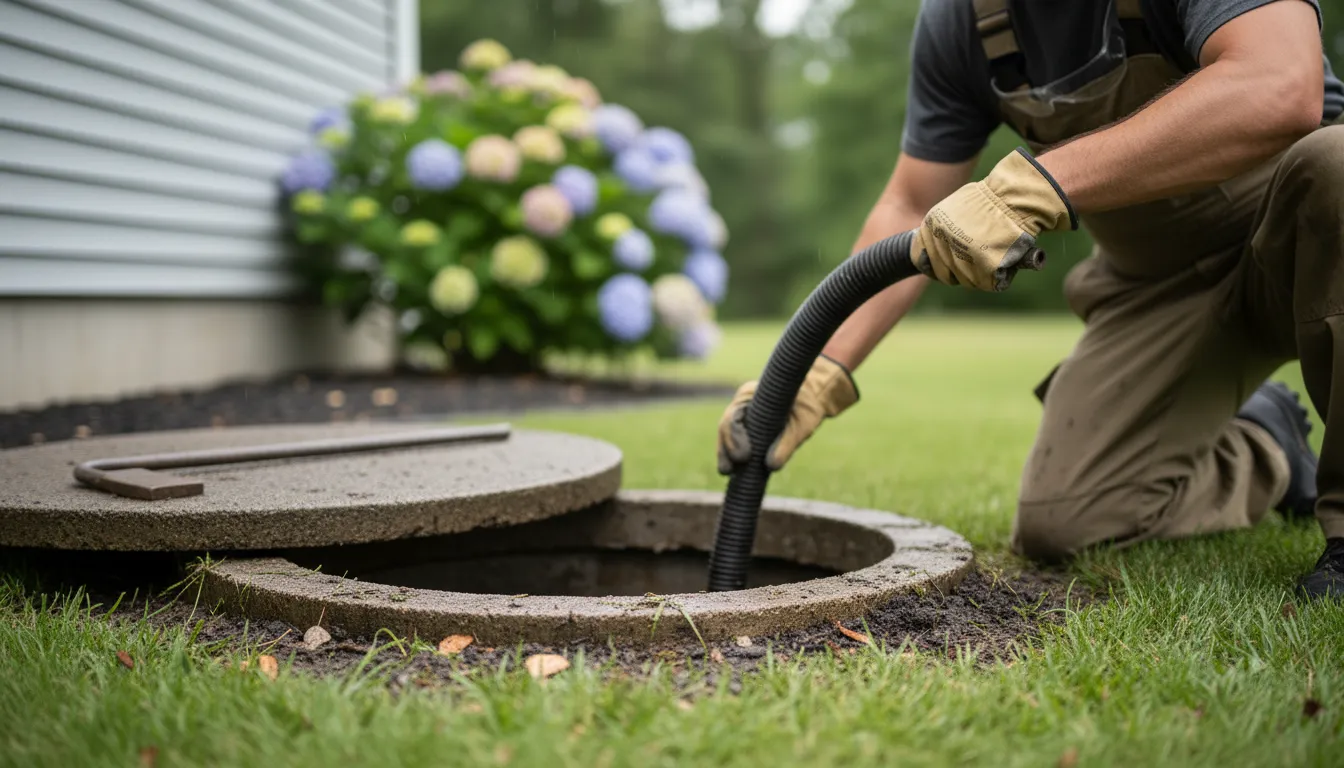
Find the Best Septic Tank Pumping Contractors for Your Business
No obligation • Fast responses • Nationwide coverage

Why you can trust Septic Spot
Septic Spot is a leading United States resource for understanding and comparing septic services. Our editors review providers using consistent criteria and verify key business details. Listings and scores are independent, and companies cannot pay to influence our content.
Search providers near you
Top Septic Tank Pumping Contractors in Glendale, Arizona Ranked
Maintaining a healthy septic system is a critical, yet often overlooked, responsibility for homeowners. Septic tank pumping is the essential service of removing accumulated solids and sludge from your tank to prevent system failure, environmental contamination, and costly repairs. For residents in Glendale and across Maricopa County, understanding local guidelines, costs, and warning signs is key to protecting your property. This guide provides the information you need to schedule timely maintenance and connect with qualified local professionals for this vital task.
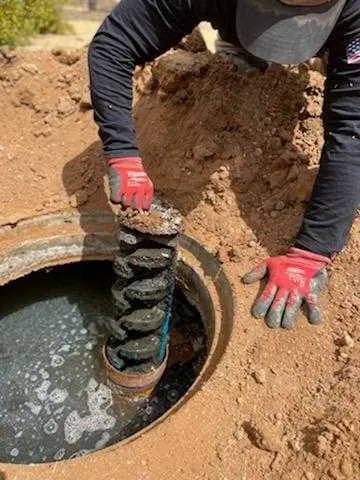
Macho Contracting
6424 E Greenway Pkwy #100, Scottsdale, AZ 85254
Macho Contracting is a family-owned plumbing and septic company serving Phoenix, AZ, and the surrounding Valley since 2016. They specialize in septic tank pumping, inspections, system repairs, and pump replacement services, with over 25 years of combined experience in onsite wastewater management. Their expertise includes handling underground systems, sewer line repairs, and complex septic system designs tailored to Arizona soil conditions. The company is fully licensed, NAWT-certified, and OSHA-trained, emphasizing safety and compliance in all projects.
Reddi Services
12268 92nd Dr, Peoria, AZ 85381
Reddi Services is a family-owned plumbing and HVAC company serving Phoenix, AZ, and the Kansas City metro areas. Since 1957, they have provided full-service plumbing, drain cleaning, cooling, and heating solutions for residential and commercial customers. Their services include septic tank pumping and inspection, along with comprehensive plumbing inspections to diagnose issues. Reddi Services maintains licensed and insured technicians and offers 24/7 emergency service without after-hours charges, ensuring help is available whenever needed.
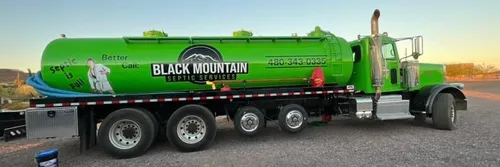
Black Mountain Septic & Drain Services
Phoenix, AZ
Black Mountain Septic & Drain Services is a septic tank pumping company based in Phoenix, AZ. They provide septic services across a wide area in Arizona, including Cave Creek, Desert Ridge, Rio Verde, Anthem, Paradise Valley, Carefree, New River, Desert Valley, Black Canyon City, North Scottsdale, North Phoenix, Fountain Hills, and Desert Hills. Their services focus on septic tank pumping and maintenance to support the diverse landscape of the region.
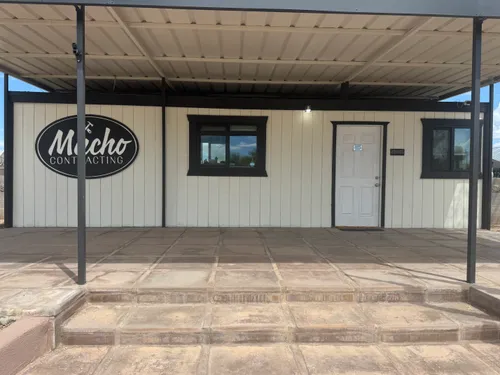
Macho Contracting
1974 E Deer Valley Dr, Phoenix, AZ 85024
Macho Contracting is a family-owned plumbing and septic company based in Phoenix, AZ, serving the Valley and surrounding areas. They specialize in septic tank pumping, inspections, system repairs, and pump replacements, with over 25 years of experience in onsite wastewater management. Their services include handling underground systems, sewer line repairs, and complex septic system designs tailored to Arizona soil conditions. Since 2016, Macho Contracting has provided licensed and certified plumbing and septic solutions, including pump and lift station services, with a focus on innovative and quality workmanship.
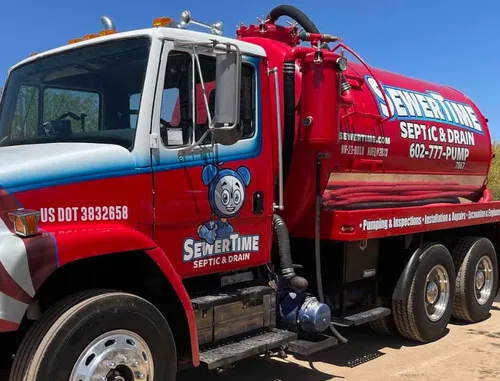
Sewer Time Septic & Drain
33645 N Cave Creek Rd, Cave Creek, AZ 85331
Sewer Time Septic & Drain is a licensed septic and plumbing contractor serving the Phoenix, AZ area. They provide a range of services including septic tank pumping, inspections, system repairs, and full installations for residential and commercial properties. Their certified technicians handle soil and percolation testing, system design, permitting, grease trap cleaning, and lift station maintenance. Sewer Time offers same-day service and 24/7 plumbing support for emergencies and new construction projects.
Why Regular Septic Pumping is Non-Negotiable
Your septic system is a self-contained wastewater treatment plant on your property. Every time a toilet flushes, a shower runs, or a sink drains, the wastewater flows into the septic tank. Here, solids settle to the bottom as sludge, and fats and oils float to the top as scum. The clarified liquid in the middle then flows out to the drain field. Over time, the sludge and scum layers build up. If they aren't removed via professional septic tank cleaning, they can overflow into the drain field, causing clogs, backups into your home, and soggy, foul-smelling patches in your yard. Regular pumping prevents this by removing these layers before they cause damage.
In Glendale's climate and soil conditions, a failing system isn't just an inconvenience-it's a public health concern that can contaminate groundwater. Proactive maintenance through scheduled septic service is the most effective way to ensure your system operates safely and efficiently for decades.
Recommended Pumping Frequency for Glendale Homes
How often you need to schedule septic tank emptying depends on several factors. Maricopa County Environmental Services provides a general guideline of inspecting your tank annually and pumping it every 3 to 5 years. However, this is a baseline, and your specific situation may require more frequent attention.
Key factors that influence pumping frequency include:
- Household Size: The number of people living in your home is the primary driver. A family of five or more generates significantly more wastewater and solids than a single occupant or couple.
- Tank Size: Older homes may have smaller tanks (e.g., 750-1,000 gallons) that fill up faster than modern 1,500-gallon systems.
- Overall Water Usage: Habits like running multiple laundry loads daily, taking long showers, or using a garbage disposal (which is not recommended for septic systems) increase the solids load entering the tank.
- Garbage Disposal Use: Using a garbage disposal significantly accelerates sludge buildup, as it introduces finely ground food waste that doesn't break down easily in the tank 1.
For larger households or those with high water usage, a more aggressive schedule of every 2 to 3 years is often advisable to prevent problems 2. The most reliable method is to have the sludge and scum levels measured during an annual inspection. When the combined depth of these layers reaches about one-third of the tank's liquid depth, it's time to pump.
Recognizing the Signs You Need Service Now
Don't wait for a disaster. Be alert for these warning signs that your septic tank is overdue for pumping or may be failing:
- Slow Drains: Sinks, tubs, and toilets that drain slowly throughout the house, especially when accompanied by gurgling sounds from pipes.
- Sewage Backups: The most severe sign-wastewater or sewage backing up into household drains.
- Unpleasant Odors: Foul smells emanating from drains, the toilet, or around the septic tank and drain field area outdoors.
- Lush or Soggy Lawn: Unusually green, lush grass or persistently soggy, spongy ground over the drain field, especially when it hasn't rained.
- Standing Water: Puddles of grey or black water around the tank or drain field.
If you notice any of these issues, it's crucial to contact a septic pumping professional in Glendale immediately to assess the situation and prevent further damage 3 4.
Understanding Costs for Pumping and Inspection
The cost to pump a septic tank in Glendale can vary based on tank size, accessibility, and the company you hire. Research indicates typical costs range from $300 to over $1,200, with an average often falling between $400 and $500 for a standard residential tank 5 6 7.
A general cost breakdown by tank size is:
- Up to 1,250 gallons: Approximately $400
- Up to 1,500 gallons: Approximately $500
- 2,000+ gallons: $700 to $1,000+
Many homeowners opt for a combined service package. A basic visual inspection alone may cost $200-$300, while a comprehensive inspection performed alongside a pumping typically costs between $400 and $650+ 8 9. This package is highly recommended, as the inspection can identify potential issues like baffle problems or early signs of drain field failure.
Find the perfect septic tank pumping contractors for your needs
Get personalized recommendations and expert advice
Special Considerations for Property Transfers
If you are buying or selling a home with a septic system in Arizona, be aware of state guidelines. The Arizona Department of Environmental Quality (ADEQ) often requires a "Report of Inspection" upon property transfer. This inspection generally mandates that the tank be pumped, unless the system was put into service less than 12 months prior or a qualified inspector verifies the sludge and scum levels are sufficiently low 10. Budgeting for this required pumping and inspection is a standard part of real estate transactions involving septic systems.
Choosing a Qualified Septic Service Provider
Not all pumping services are equal. For your safety and your system's longevity, it's essential to hire a licensed, professional company. A reputable provider will:
- Hold appropriate state and local licenses for septic work.
- Pump all compartments of the tank (if it's a dual-chamber design).
- Properly dispose of the septage at an approved treatment facility.
- Conduct a basic inspection of the tank's components, like inlet and outlet baffles, during the service.
- Provide a detailed report of the services performed and any observations.
Avoid "fly-by-night" operators who may offer a low price but only partially empty the tank or dispose of waste improperly.
Essential Maintenance Beyond Pumping
Pumping is the cornerstone of septic care, but other maintenance tasks help ensure optimal performance:
- Annual Inspections: Have a professional check sludge/scum levels and inspect system components each year.
- Effluent Filter Cleaning: If your system has an effluent filter (installed on the outlet pipe), it should be cleaned annually to prevent clogs 11.
- Water Conservation: Reducing overall water use decreases the hydraulic load on your system, helping it function better between pumpings.
- Mind What You Flush: Only human waste and toilet paper should go down the drain. Avoid flushing wipes (even "flushable" ones), feminine hygiene products, cooking grease, chemicals, and medications.
By following these guidelines and partnering with a trusted local professional for regular septic tank pumping and maintenance, you can protect your Glendale home investment and ensure your wastewater system operates safely and reliably for years to come.
Frequently asked questions
Sources
Footnotes
-
How Often to Pump Septic Tank: 2026 Maintenance Guide - https://dandhsepticservices.com/how-often-to-pump-septic-tank/ ↩
-
Maintaining Your Septic System in Arizona How Often Should ... - https://www.duckspumping.com/single-post/maintaining-your-septic-system-in-arizona-how-often-should-you-pump-your-tank-for-optimal-performanc ↩
-
Septic Tank Pumping Frequency: Crucial Maintenance Guide - https://septic911.com/septic-tank-pumping-frequency/ ↩
-
Smart Solutions for Optimizing Septic Tank Pumping Frequency - https://smartsepticpros.com/blog/septic-tank-pumping-frequency/ ↩
-
Septic Tank Pumping Cost: Guide & Pricing in 2025 - Splash Plumbing - https://www.splashplumbing.com/how-much-does-it-cost-to-pump-septic-tank-understanding-pricing-and-factors-involved/ ↩
-
Septic Tank Pumping Costs in Arizona | SewerTime Blog - https://sewertime.com/blog/septic-tank-pumping-costs/ ↩
-
How Often to Pump a Septic Tank 2026 - Clear River Environmental - https://clearriverenvironmental.com/how-often-to-pump-a-septic-tank/ ↩
-
Septic Pumping Cost by State: 2024 Complete Price Guide - https://wastedoor.com/article/septic-pumping-cost-by-state ↩
-
How Much Does a Septic Inspection Cost in Arizona? - https://www.advantageairmechanical.com/blog/septic-inspection-cost-arizona ↩
-
Comprehensive septic tank inspection program - https://legacy.azdeq.gov/environ/water/permits/download/septictank.pdf ↩
-
Operation & Maintenance Recommendations For an Onsite ... - https://www.maricopa.gov/DocumentCenter/View/7466/Operations-and-Maintenance-Recommendations-for-Septic-Systems-PDF ↩