Find the Best Septic Tank Pumping Contractors for Your Business
No obligation • Fast responses • Nationwide coverage

Why you can trust Septic Spot
Septic Spot is a leading United States resource for understanding and comparing septic services. Our editors review providers using consistent criteria and verify key business details. Listings and scores are independent, and companies cannot pay to influence our content.
Search providers near you
Top Septic Tank Pumping Contractors in East Hartford, Connecticut Ranked
Maintaining your septic system is a critical responsibility for any homeowner not connected to a municipal sewer line. Regular septic tank pumping is the cornerstone of this maintenance, essential for preventing system backups, costly repairs, and protecting local groundwater from contamination. This guide provides East Hartford residents with the key information needed to understand the importance of this service, local regulations, and how to find qualified professionals to keep their systems functioning properly for years to come.
Septicology
47 Plantation Rd Unit D, Broad Brook, CT 06016
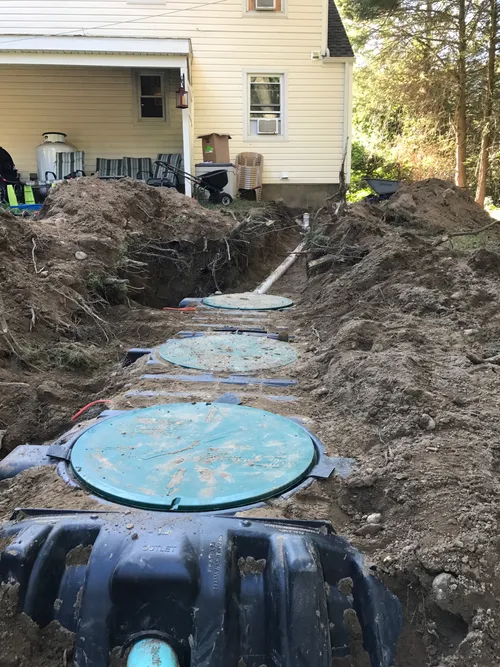
Septicology is a family-owned septic company serving Hartford, CT, and all towns across Connecticut. Since 2017, they have provided septic system inspections, repairs, installations, and pumping services throughout the state. Their inspection reports include detailed analyses, color photos, and system location drawings, offering clear insights into septic system conditions. Septicology emphasizes flexible scheduling to accommodate customer needs and maintains open communication throughout the service process.

Skips Wastewater Services
21 Courtney Dr, Ellington, CT 06029
Skips Wastewater Services provides septic tank pumping, inspection, repair, and installation services in Hartford, CT. They serve residential and commercial clients across multiple counties in Connecticut, including Hartford, Middlesex, New London, Tolland, Windham, and New Haven. The company operates with a large fleet of pump trucks and uses advanced technology to handle septic emergencies and routine maintenance efficiently. With over 60 years of experience, Skips Wastewater Services offers 24/7 emergency support to address issues like sewage backups and slow drains promptly.
Clean Septics Inc
252 West St, Ludlow, MA 01056
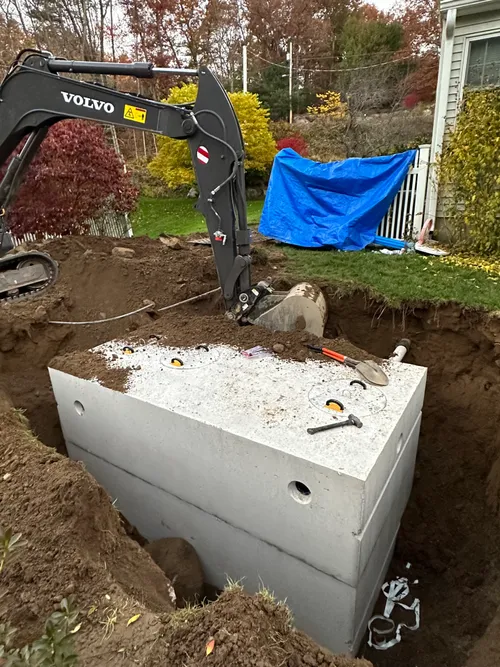
Clean Septics Inc is a septic tank pumping and inspection company based near Springfield, MA. They provide septic services for both residential and commercial properties throughout the Pioneer Valley, including many surrounding towns. The company also offers Title V inspections across Massachusetts, ensuring compliance with state regulations.
The Christopher Bryant Co. LLC
126 W Dudley Town Rd, Bloomfield, CT 06002
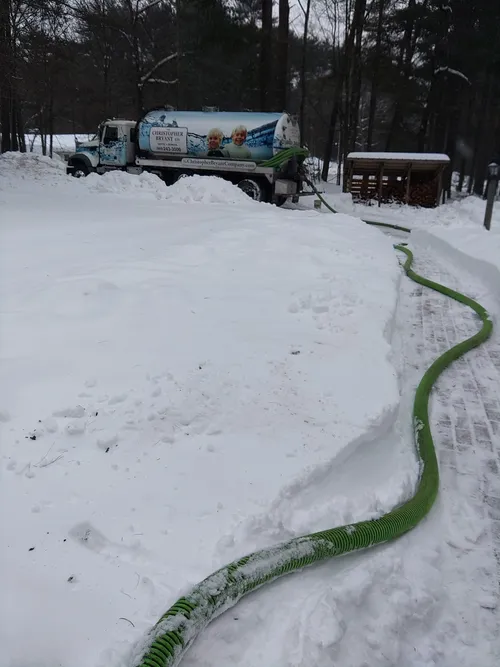
The Christopher Bryant Co. LLC is a family-owned septic service provider based in Hartford, CT, serving Hartford County and surrounding communities since 1995. They offer a full range of septic system services including pumping, inspection, repair, and installation. The company is known for its hands-on ownership and expertise in septic riser installation, which facilitates easier maintenance and inspection. With over 30 years in business, they provide 24/7 emergency service and same-day service options to address urgent septic needs.
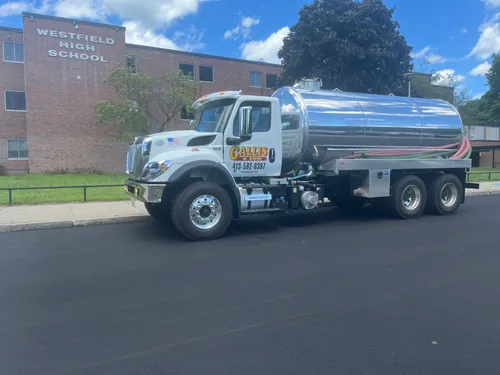
Gallis & Son, Inc
Springfield, MA
Gallis & Son, Inc is a septic contractor based in Springfield, MA, offering septic tank pumping, repairs, and installation services. They also provide excavation and dump truck services to support various site needs. Established in 1982, this family-owned business brings over 36 years of experience to their work, serving the local community with a range of septic and excavation solutions.
Why Regular Septic Maintenance is Non-Negotiable
A septic system is a self-contained wastewater treatment plant on your property. When it functions correctly, it safely processes all the water from your home's toilets, showers, sinks, and appliances. The septic tank is the first stop, where solids settle to form sludge, fats and oils float to create scum, and the clarified liquid (effluent) flows out to the drain field. Over time, the sludge and scum layers accumulate. If not removed via septic pumping, these layers can grow too thick, allowing solids to escape into the drain field. This can clog the soil, causing sewage to surface in your yard or back up into your home-a messy, unhealthy, and expensive problem to fix.
In East Hartford, this maintenance is more than just a good idea; it's a regulatory expectation. Septic systems are regulated under the Connecticut Public Health Code and local health department guidelines, which mandate regular upkeep to prevent system failure and groundwater contamination 1. The North Central District Health Department (NCDHD), which serves East Hartford, is the local authority overseeing these systems.
How Often Should You Pump Your Septic Tank in East Hartford?
There is no one-size-fits-all answer, but a general rule of thumb for most households is every 2 to 5 years. The NCDHD specifically recommends pumping and inspecting septic tanks every 2-3 years for most households. The exact frequency for your home depends on several key factors:
- Household Size: More people generate more wastewater and solid waste.
- Tank Size: A 1,000-gallon tank will fill faster than a 1,500-gallon tank.
- Total Wastewater Generated: High water usage from frequent laundry, long showers, or leaky fixtures accelerates accumulation.
- Garbage Disposal Use: Using a garbage disposal significantly increases the amount of solids entering the tank, necessitating more frequent septic service 2.
A professional contractor can assess the sludge and scum levels in your tank during an inspection. A common guideline is to schedule a pump-out if the scum layer is more than 2 inches thick or if the sludge layer is within 12 inches of the outlet baffle 3.
Find the perfect septic tank pumping contractors for your needs
Get personalized recommendations and expert advice
What to Expect During a Professional Pumping Service
Hiring a licensed contractor is crucial. In Connecticut, a proper septic tank cleaning involves more than just removing the waste. Here's what a comprehensive service should include:
- Locating and Uncovering Access Points: The contractor will locate the tank's manhole covers. It's the homeowner's responsibility to ensure these are accessible (ideally raised to within 6-12 inches of the surface).
- Pumping All Contents: Using a vacuum truck, the contractor will pump out all liquid and solid waste from the tank for proper disposal at a licensed facility.
- Inspecting the Tank: The NCDHD recommends inspecting and pumping simultaneously to check for cracks, leaks, and structural integrity. This is a critical step to catch small issues before they become major failures.
- Cleaning the Effluent Filter: Most modern systems have an outlet filter to prevent solids from leaving the tank. Connecticut regulations require contractors to remove and clean this filter as part of the service.
- System Check: The contractor should briefly check the drain field for any signs of surfacing effluent or soggy areas.
- Providing a Record: You will receive a receipt or service report. Keep these records. They are proof of maintenance, which is important for your own tracking and may be required during a property sale.
Understanding Costs for Septic Pumping in Connecticut
The cost to pump a septic tank in the East Hartford area depends primarily on tank size and accessibility. Average costs are generally in line with state-wide figures.
- Average Cost: Pumping a standard 1,000-gallon tank typically costs between $250 and $700 4.
- Smaller Tanks: A 750-gallon tank may range from $225 to $550.
- Larger Tanks: Pumping a 1,500-gallon tank can cost between $350 and $1,100 5.
- Additional Inspections: A formal, detailed inspection (often required for real estate transactions) is a separate service and can cost $250 or more 6.
Always get itemized estimates from licensed professionals. The lowest price may not include critical steps like filter cleaning or a basic inspection.
Local Regulations and Permits in East Hartford
East Hartford homeowners must be aware of local ordinances. According to Town Ordinance, any alteration, repair, or abandonment of a septic system requires a permit from the local Health Department 7 8. This means if your inspection reveals a problem needing repair, or if you are installing a new system, you must contact the NCDHD before any work begins.
For questions, you can reach the North Central District Health Department at 860-291-7324 or email health@easthartfordct.gov. Their website is also a valuable resource 9.
Essential Do's and Don'ts for Septic System Owners
Following these simple rules can extend the life of your system dramatically:
DO:
- DO pump your tank regularly based on professional advice.
- DO conserve water to reduce load on the system.
- DO keep detailed records of all pumping, inspections, and repairs.
- DO divert roof drains, sump pumps, and other clean water sources away from your drain field.
DON'T:
- DO NOT drive or park vehicles, or place heavy structures like sheds, over any part of your septic system (tank or drain field) 10.
- DO NOT flush anything besides human waste and toilet paper. Avoid wipes (even "flushable" ones), feminine hygiene products, dental floss, and cooking grease.
- DO NOT use chemical septic tank additives. The Connecticut Department of Public Health deems them unnecessary, and they can actually harm the biological balance of your system and contaminate groundwater 11 12.
- DO NOT ignore warning signs like slow drains, gurgling pipes, foul odors, or soggy green patches over the drain field.
Finding a Qualified Service Provider
When it's time for maintenance, choose a contractor licensed by the State of Connecticut to perform subsurface sewage work. Look for companies with good local reputations, proper insurance, and a willingness to provide references. A reputable provider will be familiar with NCDHD requirements, will pull necessary permits for any repair work, and will leave you with a clear service report. Regular maintenance by a trusted professional is the best investment you can make in your property's value and your family's health.
Frequently asked questions
Sources
Footnotes
-
Environmental Engineering - Subsurface Sewage - CT.gov - https://portal.ct.gov/dph/environmental-health/environmental-engineering/environmental-engineering----subsurface-sewage ↩
-
SEPTIC SYSTEMS - CT.gov - https://portal.ct.gov/-/media/Departments-and-Agencies/DPH/dph/environmental_health/environmental_engineering/pdf/SepticSystems101pdf.pdf ↩
-
Connecticut Septic Tank Requirements - https://www.ntotank.com/blog/connecticut-septic-tank-requirements ↩
-
How Often to Pump Septic Tank Family of 4 | Expert Guide 2025 - https://dillonseptic.com/how-often-to-pump-septic-tank-family-of-4/ ↩
-
How Much Does it Cost to Pump a Septic Tank? - https://rescueheroplumbing.com/how-much-does-it-cost-to-pump-a-septic-tank ↩
-
How Much Does It Cost to Pump a Septic Tank? [2026 Data] - https://www.angi.com/articles/how-much-does-septic-tank-pumping-cost.htm ↩
-
CHAPTER 17. SEWERS AND SEWAGE ARTICLE 1 ... - https://www.easthartfordct.gov/town-council/files/chapter-17 ↩
-
Building Inspection Procedures | New Hartford CT - https://www.newhartfordct.gov/building/pages/building-inspection-procedures ↩
-
Health Department | easthartfordct - https://www.easthartfordct.gov/health-and-human-services/health-department ↩
-
Septic Homeowners - North Central Distict Health Department - https://www.ncdhd.org/septic-homeowners ↩
-
Operation and Maintenance - CT.gov - https://portal.ct.gov/dph/environmental-health/environmental-engineering/operation-and-maintenance ↩
-
Living Responsibly with a Septic Tank Homeowner Record ... - https://conservect.org/eastern/wp-content/uploads/2021/02/SepticSystemFileFolder.pdf ↩