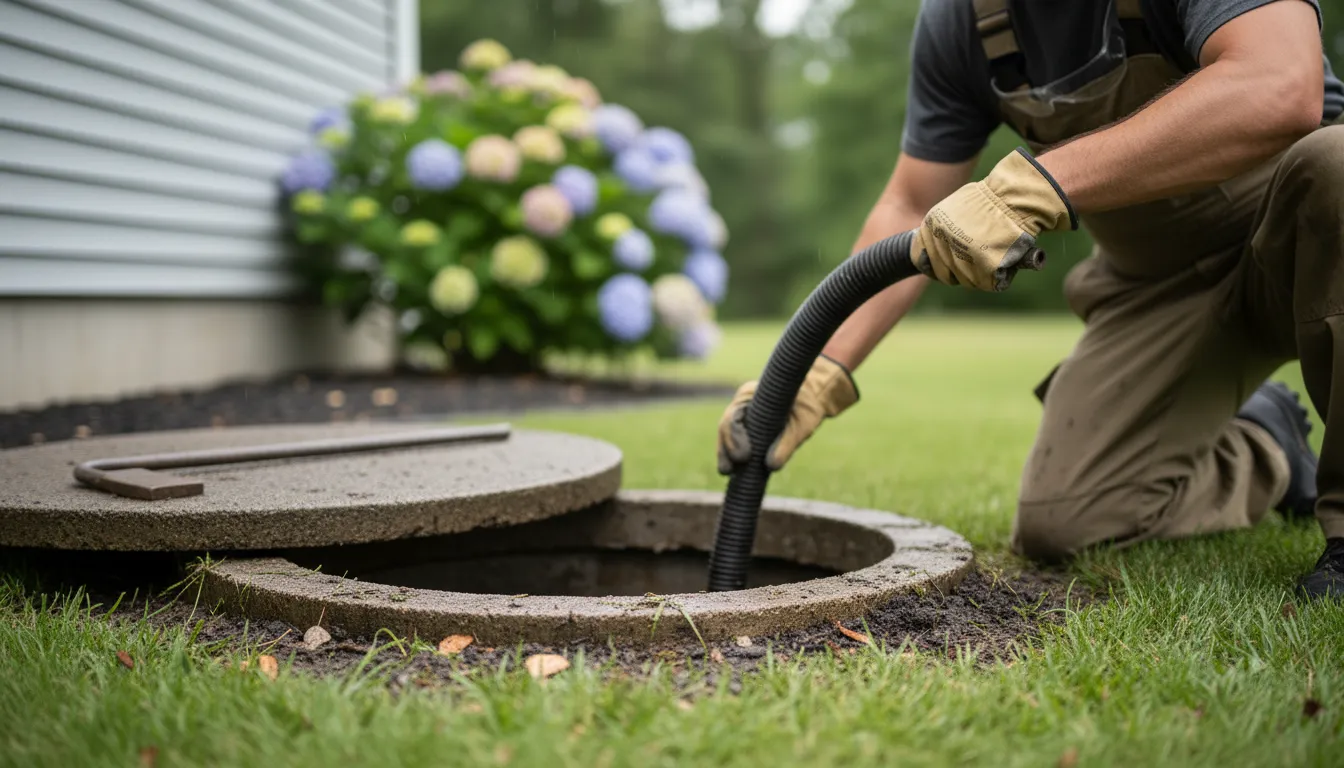
Find the Best Septic Tank Pumping Contractors for Your Business
No obligation • Fast responses • Nationwide coverage

Why you can trust Septic Spot
Septic Spot is a leading United States resource for understanding and comparing septic services. Our editors review providers using consistent criteria and verify key business details. Listings and scores are independent, and companies cannot pay to influence our content.
Search providers near you
Top Septic Tank Pumping Contractors in Stamford, Connecticut Ranked
Maintaining your septic system is a critical responsibility for any Stamford homeowner not connected to the municipal sewer. Regular septic tank pumping is the cornerstone of this maintenance, essential for preventing costly system failures and protecting your property and local environment. This guide explains why this service matters, how often you likely need it, and how to find qualified local professionals to ensure your system operates smoothly for years to come.
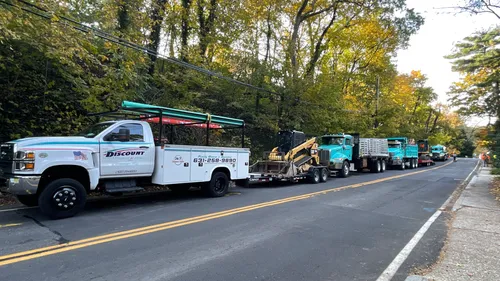
Discount Cesspool & Drain Inc.
240 Gibbs Rd, Islandia, NY 11749
Discount Cesspool & Drain Inc. is a septic tank pumping and installation company serving New York, NY, with a focus on Long Island. They specialize in new septic system installations, cesspool pumping, septic tank service, and full-scale cesspool cleaning. The company offers 24-hour emergency service and weekend and holiday availability. They provide eco-friendly solutions without subcontracting and cater to both residential and commercial clients across Suffolk and Nassau counties.
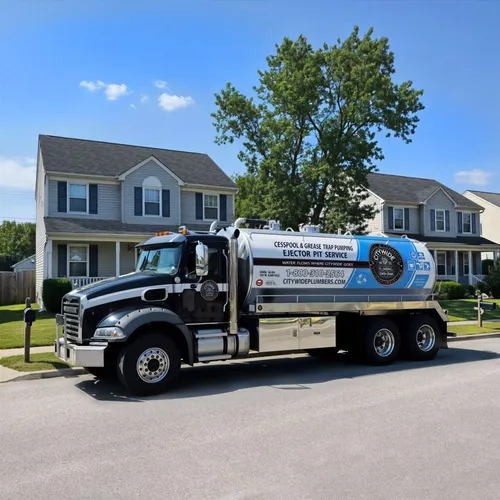
Citywide Grease Trap Maintenance | Cesspool Pumping Service Long Island
110 Voice Rd, Carle Place, NY 11514
Citywide Grease Trap Maintenance | Cesspool Pumping Service Long Island provides septic and cesspool pumping, inspection, repair, and installation services in New York, NY. Serving both residential and commercial clients, they offer comprehensive maintenance and cleaning to prevent system failures. Their skilled technicians use advanced equipment for installations and repairs, including grease trap pumping and sewage ejector pit services. With over 65 years of experience, Citywide operates 24/7 to address emergency needs promptly.
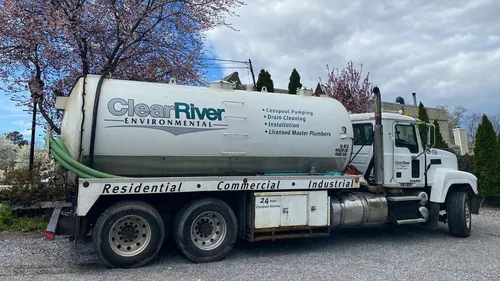
Clear River Environmental
847 11th St, Ronkonkoma, NY 11779
Clear River Environmental is a septic tank pumping, inspection, repair, and installation company serving New York, NY. They offer comprehensive environmental services including cesspool pumping, septic system maintenance, plumbing repairs, and emergency environmental remediation. The company has over 60 years of experience and uses advanced equipment such as camera inspection systems and leak detection technology. Clear River Environmental provides 24/7 emergency services to address urgent property issues promptly.
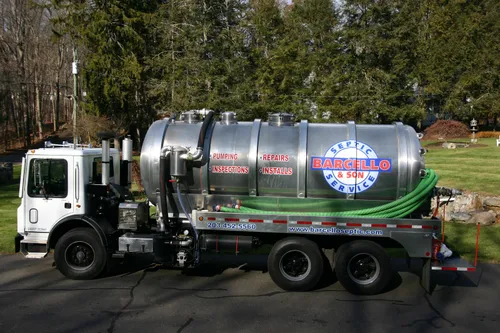
Barcello & Son Septic Service LLC
334 Wilson Rd, Easton, CT 06612
Barcello & Son Septic Service LLC is a family-owned business based in Easton, CT, serving the Bridgeport area with septic tank pumping, inspection, repair, design, and installation services. With over 20 years of experience in Fairfield County, they handle all sizes and types of septic systems using a proprietary 12-step pumping process and the latest equipment. Their expertise covers comprehensive septic system solutions, including real estate appraisal support and system design. The company emphasizes transparent pricing and guarantees their work. Barcello & Son Septic Service LLC is known for clear communication about service timing and procedures, aiming to provide a straightforward and reliable customer experience.
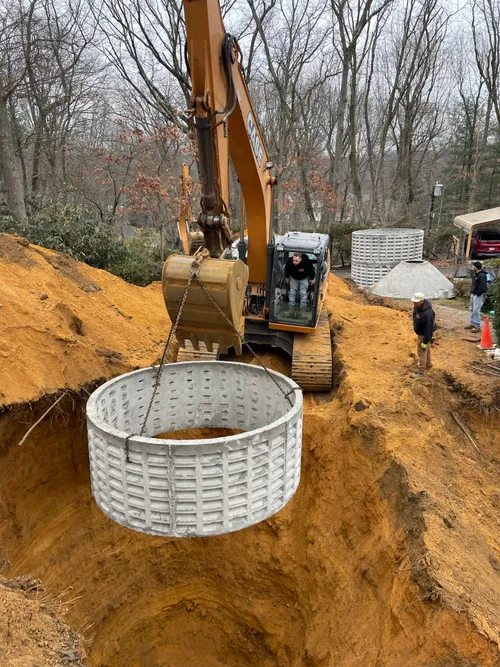
Cesspool Pros & Sewer and Drain Pros of Suffolk & Nassau County
55 Brook Ave, Deer Park, NY 11729
Cesspool Pros & Sewer and Drain Pros of Suffolk & Nassau County is a septic tank pumping company serving New York, NY, and the broader Long Island area. They specialize in residential and commercial septic and sewer system services, including locating septic systems and unclogging drains. The company is fully licensed, bonded, and insured, offering maintenance and emergency services with 24/7 availability. Their experience includes using electric devices to locate cesspools and providing detailed system mapping for customers.
Why Septic System Maintenance is Non-Negotiable
A septic system is a self-contained wastewater treatment plant on your property. When functioning correctly, it safely processes all the water from your home. Solids settle in the tank as sludge, while fats and oils float as scum. The clarified liquid in between flows out to the drain field for final filtration into the soil. Over time, the sludge and scum layers accumulate. If they aren't removed via regular septic tank cleaning, they can overflow into the drain field, clogging the soil and causing a complete system backup. A failed system can lead to raw sewage surfacing in your yard or backing up into your home, creating health hazards, environmental contamination, and repair bills that often exceed $10,000. Proactive pumping is a minor investment compared to the cost of a new drain field or full system replacement.
Recommended Pumping Frequency for Stamford Homes
How often you need to schedule septic tank service isn't a one-size-fits-all answer, but local and state guidelines provide a strong framework. The Connecticut Department of Public Health (CT DPH) recommends pumping septic tanks every 3-5 years to prevent system failure 1. However, for a typical 1,000-1,500 gallon tank serving a family of four, a more conservative and safer interval is every 2-3 years 2. This ensures the tank never reaches capacity, which is crucial for system longevity and reliability.
Several key factors can necessitate more frequent septic tank emptying:
- Household Size: More residents mean more wastewater and solids entering the tank daily.
- Tank Size: A smaller tank will fill with sludge more quickly.
- Water Usage: High-volume activities like frequent laundry, long showers, or running a dishwasher daily increase the hydraulic load on the system.
- Garbage Disposal Use: Disposals significantly increase the amount of solids entering the tank, accelerating sludge buildup.
- System Age: Older systems may be less efficient and require more vigilant maintenance.
The best practice is to start with the 2-3 year guideline and adjust based on professional inspection findings.
The Critical Role of Professional Inspections
While pumping removes accumulated waste, a thorough inspection identifies potential problems before they become emergencies. Experts recommend having your septic system inspected every 1-3 years 3. During a comprehensive septic system inspection, a licensed professional will:
- Locate and access the tank and drain field.
- Measure the levels of sludge and scum to determine pumping urgency.
- Check the structural integrity of the tank for cracks, leaks, or corrosion.
- Inspect inlet and outlet baffles (or tees) to ensure they are intact and functioning; damaged baffles can allow solids to escape into the drain field 4.
- Assess the drain field for signs of saturation or failure.
Many homeowners find it most efficient and cost-effective to schedule the inspection and septic tank pumping simultaneously. This one-two punch ensures the system is not only cleaned but also verified to be in sound working order.
Recognizing Warning Signs of a Failing System
Don't wait for your scheduled maintenance if you notice any of these red flags. Prompt action can mitigate damage and cost. Contact a professional immediately if you observe:
- Sewage Backups: Wastewater backing up into household drains, toilets, or showers is the most urgent sign of trouble.
- Slow Drains: Gurgling or persistently slow drains throughout the house, especially after rainfall, can indicate a full tank or blocked drain field.
- Unpleasant Odors: Foul smells emanating from drains, the yard, or near the tank location.
- Pooling Water or Mud: Soggy ground, standing water, or surfacing sewage in the yard, particularly around the tank or drain field area.
- Abnormally Lush Grass: While the rest of the lawn is dry, a patch of grass over the drain field that is strikingly green and fast-growing can signal a leak of nutrient-rich effluent 5.
Find the perfect septic tank pumping contractors for your needs
Get personalized recommendations and expert advice
Understanding the Cost of Septic Tank Pumping in Stamford
The cost for septic tank pumping in Stamford typically ranges from $300 to over $600 6. This variance depends on several key factors:
- Tank Size: Pumping a larger tank (e.g., 1,500 gallons) costs more than a standard 1,000-gallon tank due to increased labor and disposal fees.
- Tank Accessibility: Is the tank lid easily accessible at ground level, or does it require excavation? Tanks buried deep or under hardscapes (like patios or decks) will incur higher labor costs.
- Condition of Components: If the inspection reveals broken baffles, a damaged lid, or other issues, repair costs will be added to the pumping bill.
- Local Disposal Fees: Rates charged by the receiving wastewater treatment facility can affect the total price.
It's important to view this expense not as a burden but as essential preventative care. The few hundred dollars spent on regular septic tank cleaning pales in comparison to the $5,000 to $20,000+ often required to repair or replace a failed drain field 7. Regular maintenance is the most cost-effective strategy for septic system ownership.
Choosing a Qualified Stamford Septic Service Provider
Selecting the right professional is crucial. Look for a licensed, insured contractor with strong local references and a proven track record in Stamford. A reputable provider will:
- Be fully licensed by the state of Connecticut.
- Provide clear, upfront estimates that detail all potential costs.
- Use modern, well-maintained pumping equipment.
- Properly dispose of waste at approved facilities.
- Offer a detailed report of their findings after pumping and inspection.
Always verify specific regulations for your property by contacting the Stamford Health Department or consulting with a licensed local contractor, as zoning and system approvals can vary.
Long-Term Care for Your Septic System
Beyond pumping, you can extend your system's life through mindful daily habits:
- Conserve Water: Fix leaks, install low-flow fixtures, and spread out high-water-use activities (like laundry) over the week.
- Mind What You Flush: Only human waste and toilet paper should go down the drain. Avoid flushing wipes (even "flushable" ones), feminine hygiene products, diapers, paper towels, and chemicals.
- Protect the Drain Field: Never park vehicles or place heavy structures (like sheds) over the drain field. Direct rainwater drainage systems away from it.
Frequently asked questions
Sources
Footnotes
-
SEPTIC SYSTEMS - CT.gov - https://portal.ct.gov/-/media/Departments-and-Agencies/DPH/dph/environmental_health/environmental_engineering/pdf/SepticSystems101pdf.pdf ↩
-
How Often to Pump Your Septic Tank? 2025 Guide & Tips - https://www.splashplumbing.com/how-often-to-pump-septic-tank-for-a-family-of-4-essential-maintenance-guidelines/ ↩
-
Connecticut Septic Tank Requirements - https://www.ntotank.com/blog/connecticut-septic-tank-requirements ↩
-
How Often to Pump Your Septic Tank? Splash Plumbing's Guide - https://www.splashplumbing.com/how-often-should-septic-tank-be-pumped-for-optimal-maintenance-and-longevity/ ↩
-
Discover the Recommended Septic Tank Pumping Frequency: 5 Facts! - https://www.unitedsewerservice.com/recommended-septic-tank-pumping-frequency/ ↩
-
Understanding the Average Cost to Pump a Septic Tank - https://www.scorpionsepticservices.com/blog/understanding-the-average-cost-to-pump-a-septic-tank ↩
-
Septic Pumping Cost Guide - https://milnerseptic.com/septic-pumping-cost-guide ↩