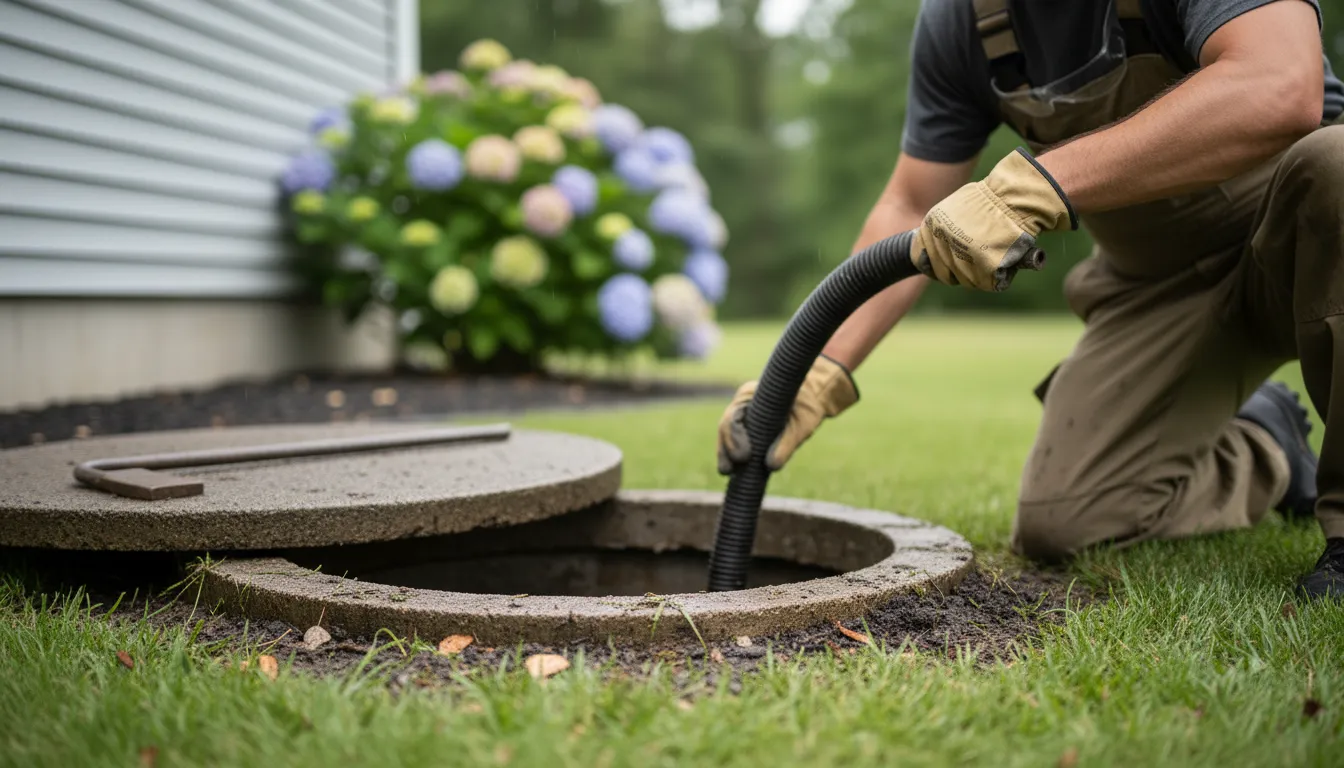
Find the Best Septic Tank Pumping Contractors for Your Business
No obligation • Fast responses • Nationwide coverage

Why you can trust Septic Spot
Septic Spot is a leading United States resource for understanding and comparing septic services. Our editors review providers using consistent criteria and verify key business details. Listings and scores are independent, and companies cannot pay to influence our content.
Search providers near you
Top Septic Tank Pumping Contractors in Hamden, Connecticut Ranked
Maintaining a healthy septic system is a critical responsibility for homeowners in Hamden. Septic tank pumping is the essential process of removing accumulated solids (sludge and scum) from your tank to prevent system failure, backups, and costly environmental damage. This service matters because a well-maintained system protects your property value, your family's health, and the local groundwater. The information here is designed to help you understand the local guidelines, recognize when service is needed, and connect with licensed professionals who can perform this vital maintenance.
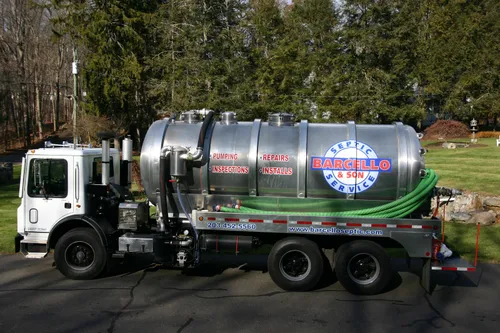
Barcello & Son Septic Service LLC
334 Wilson Rd, Easton, CT 06612
Barcello & Son Septic Service LLC is a family-owned business based in Easton, CT, serving the Bridgeport area with septic tank pumping, inspection, repair, design, and installation services. With over 20 years of experience in Fairfield County, they handle all sizes and types of septic systems using a proprietary 12-step pumping process and the latest equipment. Their expertise covers comprehensive septic system solutions, including real estate appraisal support and system design. The company emphasizes transparent pricing and guarantees their work. Barcello & Son Septic Service LLC is known for clear communication about service timing and procedures, aiming to provide a straightforward and reliable customer experience.
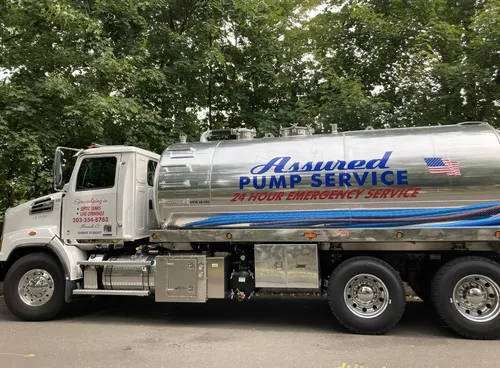
Assured Pump Services
Stamford, CT
Assured Pump Services is a septic tank pumping, inspection, and repair company based in Stamford, CT. Serving Fairfield County, they offer a full range of septic system services including pumping, drain clearing, and repairs. With over 25 years of experience, the company provides 24/7 emergency response to address urgent septic issues promptly. Their licensed technicians use state-of-the-art equipment to ensure thorough and reliable service.
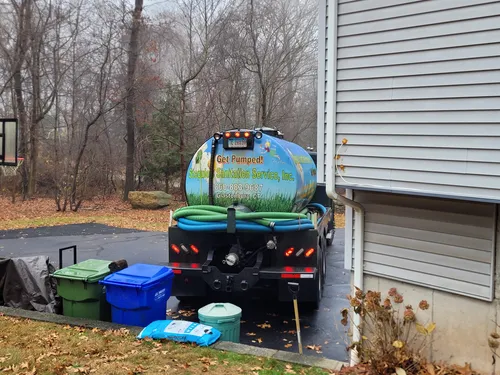
Stepule's Sanitation Service, Inc.
327 Forest Ln, Glastonbury, CT 06033
Stepule's Sanitation Service, Inc. is a septic tank pumping and installation company serving Hartford, CT. Since 1993, they have provided septic system installations and expanded their services in 2007 to include septic tank pumping. The company focuses on environmentally correct methods and technologically advanced processes to deliver efficient and complete septic services.
Team Sewer and Water
36 Zoar Ave, Oakville, CT 06779
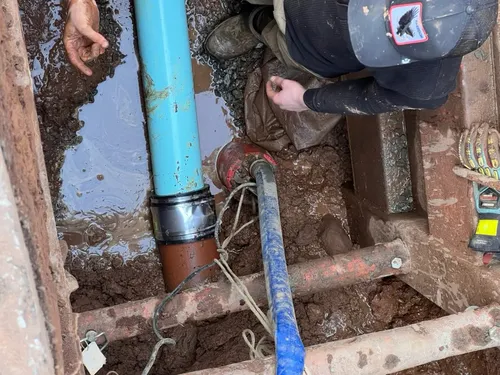
Team Sewer and Water is a septic tank pumping, inspection, repair, and installation company based in Waterbury, CT. They serve residential and commercial clients in Waterbury and surrounding areas, offering comprehensive water, sewer, and septic system services. With over 14 years of experience, their skilled technicians use the latest techniques and equipment to deliver durable results. They also handle sewer line repairs and water main replacements, ensuring compliance with local regulations.

Middlebury Septic LLC
9 Sandy Beach Rd, Middlebury, CT 06762
Middlebury Septic LLC is a septic tank pumping company serving Waterbury, CT. They provide septic services for both commercial and residential customers, handling systems of any size. Their trained specialists use top-of-the-line equipment and are qualified to pump any type of septic system while offering expert advice.
Why Regular Septic Pumping is Non-Negotiable
Your septic system is an on-site wastewater treatment plant. When functioning correctly, it safely processes all the water and waste from your home. Solids settle at the bottom as sludge, while fats and oils float to the top as scum. The clarified liquid in the middle (effluent) flows out to the drain field. Over time, the sludge and scum layers build up. If they aren't removed via septic tank cleaning, they can overflow into the drain field, causing clogs, sewage backups into your home, and contamination of the surrounding soil and water. Regular septic system pumping is the most effective preventative measure you can take.
Hamden's Recommended Pumping Schedule
For Hamden residents, the Connecticut Department of Public Health (DPH) provides clear guidance. The standard recommendation is to have your septic tank serviced every 3 to 5 years. This is a general rule, but your household's specific characteristics can significantly alter this timeline.
Factors That Require More Frequent Pumping
- Household Size: A home with 5 or more residents generates more wastewater and solids, necessitating more frequent tank emptying, potentially every 1-2 years 1.
- High Water Usage: Frequent laundry loads, long showers, and excessive water use fill the tank faster, reducing treatment time and accelerating sludge buildup.
- Use of a Garbage Disposal: Disposals grind food waste into fine particles that quickly contribute to the sludge layer, often cutting the time between pumpings in half.
- Tank Size: An older or undersized tank for your home will fill with solids more quickly.
Recognizing When Your Tank Needs Attention
Don't wait for a disaster. Beyond the calendar, watch for these signs that your system needs septic maintenance:
- Slow Drains: Sinks, showers, and toilets that drain slowly throughout the house.
- Sewage Odors: Unpleasant smells around the tank or drain field area.
- Lush, Green Grass: A patch of unusually green and spongy grass over the drain field, indicating effluent surfacing.
- Standing Water: Puddles or soggy soil in the yard near the system components.
- Gurgling Sounds: Noises from your plumbing fixtures.
According to technical standards, a professional inspection should check the scum and sludge levels. Pumping is required if the scum layer is two inches or more, or if sludge is within 12 inches of the outlet baffle 2.
Find the perfect septic tank pumping contractors for your needs
Get personalized recommendations and expert advice
What to Expect During Professional Septic Service
A comprehensive septic pumping service involves more than just removing waste. A reputable provider will follow a process that ensures your entire system is evaluated.
- Locating & Accessing the Tank: The technician will locate the tank's access lids. Keeping these accessible saves time and money.
- Inspecting the System: Before pumping, a visual inspection of the tank's structure, inlet, and outlet tees/baffles is crucial. They will also measure the scum and sludge layers to confirm the need for pumping.
- Pumping the Tank: Using a large vacuum truck, all solids and liquids are pumped from the tank. A thorough job ensures the tank is emptied completely.
- Effluent Filter Cleaning: Most modern systems have an effluent filter on the outlet to protect the drain field. This filter must be removed, cleaned, and reinserted 3.
- System Flush & Final Check: The technician may flush the system with water to check for leaks and ensure proper flow from the home to the tank and out to the drain field.
- Reporting: You should receive a report detailing the services performed, the condition of your system, and any recommendations for repairs or the next scheduled pumping.
Understanding Costs for Septic Pumping in Hamden
The cost for residential septic pumping in Hamden typically ranges from $300 to $600 4. Several factors influence the final price:
- Tank Size: Larger tanks (1,500+ gallons) cost more to pump than standard 1,000-gallon tanks.
- Accessibility: If the tank lids are buried deep, require digging to uncover, or are located far from where the truck can park, labor costs will increase.
- Condition of the Tank: Excessive sludge buildup or the presence of non-biodegradable materials can complicate the job.
- Additional Services: Costs for septic tank inspection, filter cleaning, or minor repairs will be added to the base pumping fee.
While this is an essential maintenance expense, it is far less costly than repairing or replacing a failed drain field, which can run into the tens of thousands of dollars.
Proactive Maintenance Beyond Pumping
Pumping is the cornerstone of care, but other habits extend your system's life.
- Conserve Water: Spread out laundry loads and fix leaky faucets to avoid overwhelming the system.
- Mind What You Flush: Only human waste and toilet paper should go down the toilet. Never flush wipes (even "flushable" ones), feminine hygiene products, dental floss, or chemicals.
- Use Additives Cautiously: Most experts, including Connecticut authorities, advise against routine use of chemical or biological additives, as they can sometimes harm the natural bacterial balance and mask problems 5 6.
- Protect the Drain Field: Never drive or park vehicles over the tank or drain field. Keep roof drains, sump pumps, and other surface water away from the area. Avoid planting trees nearby, as roots can infiltrate and damage pipes.
Local Resources and Regulations
Hamden falls under the jurisdiction of the Quinnipiack Valley Health District (QVHD). For specific site requirements, permitting questions, or to report issues, contacting the QVHD is recommended. They enforce the state codes that ensure systems are designed, installed, and maintained to protect public health 7 8.
Frequently asked questions
Sources
Footnotes
-
Optimizing Septic Tank Pumping Frequency for Households - https://www.unitedsewerservice.com/frequency-of-septic-tank-pumping-for-different-household-sizes/ ↩
-
SEPTIC SYSTEMS - CT.gov - https://portal.ct.gov/-/media/Departments-and-Agencies/DPH/dph/environmental_health/environmental_engineering/pdf/SepticSystems101pdf.pdf ↩
-
How Often to Pump a Septic Tank - Clear River Environmental - https://clearriverenvironmental.com/how-often-to-pump-a-septic-tank/ ↩
-
Understanding the Average Cost to Pump a Septic Tank - https://www.scorpionsepticservices.com/blog/understanding-the-average-cost-to-pump-a-septic-tank ↩
-
Septic Homeowners - North Central Distict Health Department - https://www.ncdhd.org/septic-homeowners ↩
-
How Often Should You Pump Your Septic Tank - https://seaboundseptic.com/septic-services/how-often-should-you-pump-your-septic-tank/ ↩
-
Operation and Maintenance - CT.gov - https://portal.ct.gov/dph/environmental-health/environmental-engineering/operation-and-maintenance ↩
-
Well and Septic Systems - https://mhschaefer.com/wells-septic/ ↩