Find the Best Septic Tank Pumping Contractors for Your Business
No obligation • Fast responses • Nationwide coverage

Why you can trust Septic Spot
Septic Spot is a leading United States resource for understanding and comparing septic services. Our editors review providers using consistent criteria and verify key business details. Listings and scores are independent, and companies cannot pay to influence our content.
Search providers near you
Top Septic Tank Pumping Contractors in Milford, Connecticut Ranked
Maintaining your septic system is a critical responsibility for any Milford homeowner not connected to the municipal sewer. Regular septic tank pumping is the cornerstone of this maintenance, preventing system failures, protecting public health, and preserving the value of your property. This guide explains the local regulations, recommended schedules, and best practices for septic system maintenance in Milford, helping you understand what's required and how to find qualified local professionals for this essential service.
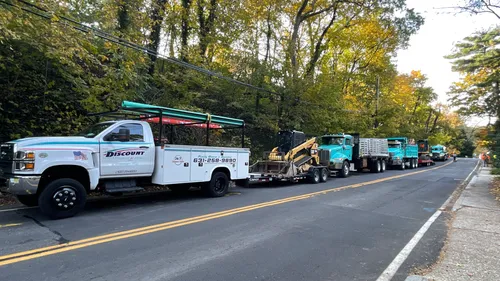
Discount Cesspool & Drain Inc.
240 Gibbs Rd, Islandia, NY 11749
Discount Cesspool & Drain Inc. is a septic tank pumping and installation company serving New York, NY, with a focus on Long Island. They specialize in new septic system installations, cesspool pumping, septic tank service, and full-scale cesspool cleaning. The company offers 24-hour emergency service and weekend and holiday availability. They provide eco-friendly solutions without subcontracting and cater to both residential and commercial clients across Suffolk and Nassau counties.
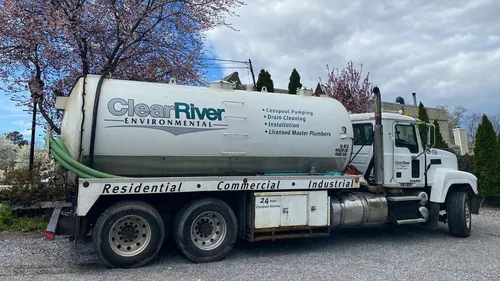
Clear River Environmental
847 11th St, Ronkonkoma, NY 11779
Clear River Environmental is a septic tank pumping, inspection, repair, and installation company serving New York, NY. They offer comprehensive environmental services including cesspool pumping, septic system maintenance, plumbing repairs, and emergency environmental remediation. The company has over 60 years of experience and uses advanced equipment such as camera inspection systems and leak detection technology. Clear River Environmental provides 24/7 emergency services to address urgent property issues promptly.
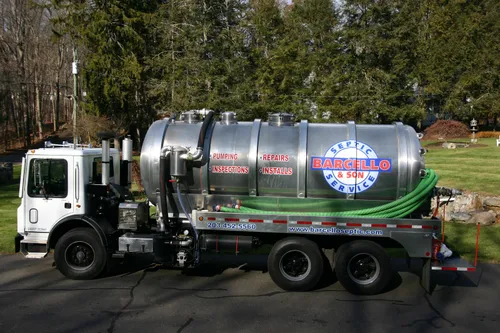
Barcello & Son Septic Service LLC
334 Wilson Rd, Easton, CT 06612
Barcello & Son Septic Service LLC is a family-owned business based in Easton, CT, serving the Bridgeport area with septic tank pumping, inspection, repair, design, and installation services. With over 20 years of experience in Fairfield County, they handle all sizes and types of septic systems using a proprietary 12-step pumping process and the latest equipment. Their expertise covers comprehensive septic system solutions, including real estate appraisal support and system design. The company emphasizes transparent pricing and guarantees their work. Barcello & Son Septic Service LLC is known for clear communication about service timing and procedures, aiming to provide a straightforward and reliable customer experience.
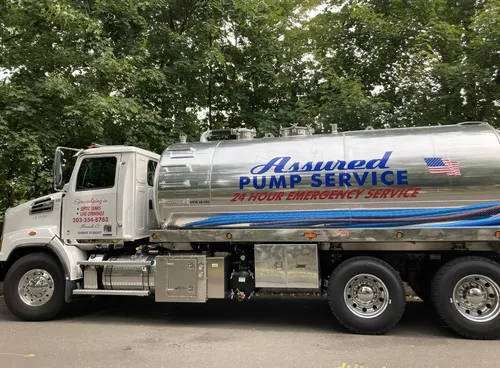
Assured Pump Services
Stamford, CT
Assured Pump Services is a septic tank pumping, inspection, and repair company based in Stamford, CT. Serving Fairfield County, they offer a full range of septic system services including pumping, drain clearing, and repairs. With over 25 years of experience, the company provides 24/7 emergency response to address urgent septic issues promptly. Their licensed technicians use state-of-the-art equipment to ensure thorough and reliable service.
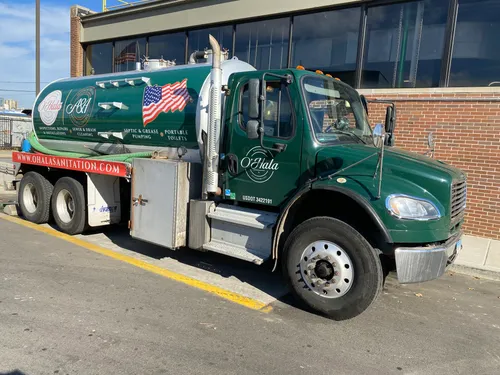
A & A Systems Control Inc
47 Larkin St Unit 5 A, Stamford, CT 06907
A & A Systems Control Inc is a family-owned septic and excavating services company based in Stamford, CT. They provide a full range of septic system services including pumping, inspections, repairs, installations, and drain cleaning for residential and commercial clients. Their expertise extends to excavation, drainage solutions, grease trap cleaning, and percolation testing, serving Stamford and nearby communities such as Greenwich, Darien, and New Canaan. The company offers 24/7 availability and emphasizes routine maintenance plans to minimize emergencies and system backups. With a background in utility construction, A & A Systems Control Inc combines technical knowledge with local service to support well-maintained septic systems.
Understanding Your Septic System and Why Pumping is Essential
A septic system is an on-site wastewater treatment structure, typically consisting of a tank and a soil absorption field (leach field). When wastewater from your home enters the tank, solids settle to the bottom as sludge, and fats and oils float to the top as scum. The clarified liquid in the middle, called effluent, flows out to the leach field for further treatment by the soil. Over time, the sludge and scum layers accumulate. If not removed through periodic pumping, these solids can flow into and clog the leach field, leading to a costly and unsanitary system failure. Regular septic cleaning is not just a recommendation; it's a necessity for environmental protection and compliance with Connecticut health codes 1 2.
How Often Should You Pump Your Septic Tank in Milford?
The frequency of septic system pumping depends on several household factors. While a general rule exists, your specific situation may require more frequent attention.
The Standard Recommendation For an average-sized household with a standard 1,000-gallon tank, the Connecticut Department of Public Health (CT DPH) and the EPA recommend pumping every 3 to 5 years. This interval is a baseline for systems under normal use.
Factors That Require More Frequent Pumping
- Household Size: More occupants generate more wastewater and solids.
- Garbage Disposal Use: Disposals significantly increase the amount of solids entering the tank.
- High Water Usage: Frequent laundry loads, long showers, and excessive water use fill the tank faster.
- Tank Size: A smaller tank relative to your household needs will fill more quickly.
Households with these conditions may need to schedule septic tank cleaning every 1 to 2 years to prevent problems 3.
Visual Inspection as a Guide During a professional pumping, the technician can measure the sludge and scum layers. A good rule of thumb is to pump the tank if the scum layer is more than 2 inches thick or if the sludge layer is within 12 inches of the outlet baffle 4 5. Another visual clue is if the grass over your tank or drain field is unusually lush and green; this can indicate a leak or an overfull tank 6 7.
Connecticut and Milford Regulations for Septic Maintenance
Homeowners in Milford must adhere to state and local health regulations designed to protect groundwater and public health.
Licensing is Required All septic tank pumping and inspection work must be performed by a Connecticut-licensed septic pumper or installer 8. Hiring a licensed professional ensures the work is done correctly and in compliance with the CT Public Health Code. They will also properly dispose of the septage at a licensed facility.
Inspection Requirements The EPA and state guidelines recommend having your entire system inspected by a professional every 1 to 3 years 9. Crucially, the CT DPH recommends a visual inspection every time the tank is pumped. This inspection should include:
- Checking the tank's structural integrity.
- Examining the inlet and outlet baffles (or tees) for blockages or damage.
- Cleaning and inspecting the effluent filter, which is required on systems installed after 2000 and prevents solids from leaving the tank 10.
Record Keeping It is highly advised that homeowners obtain and keep an "as-built" drawing of their septic system from the Milford City Health Department or town records 11. This diagram shows the exact location of your tank and leach field, which is invaluable for maintenance, repairs, and property improvements.
Find the perfect septic tank pumping contractors for your needs
Get personalized recommendations and expert advice
What to Expect: The Pumping Process and Associated Costs
Understanding the process and typical costs can help you plan for this important maintenance.
The Pumping Procedure A licensed pumper will:
- Locate and uncover the tank access lids (manholes). This may require digging if they are buried.
- Inspect the tank interior, baffles, and filter.
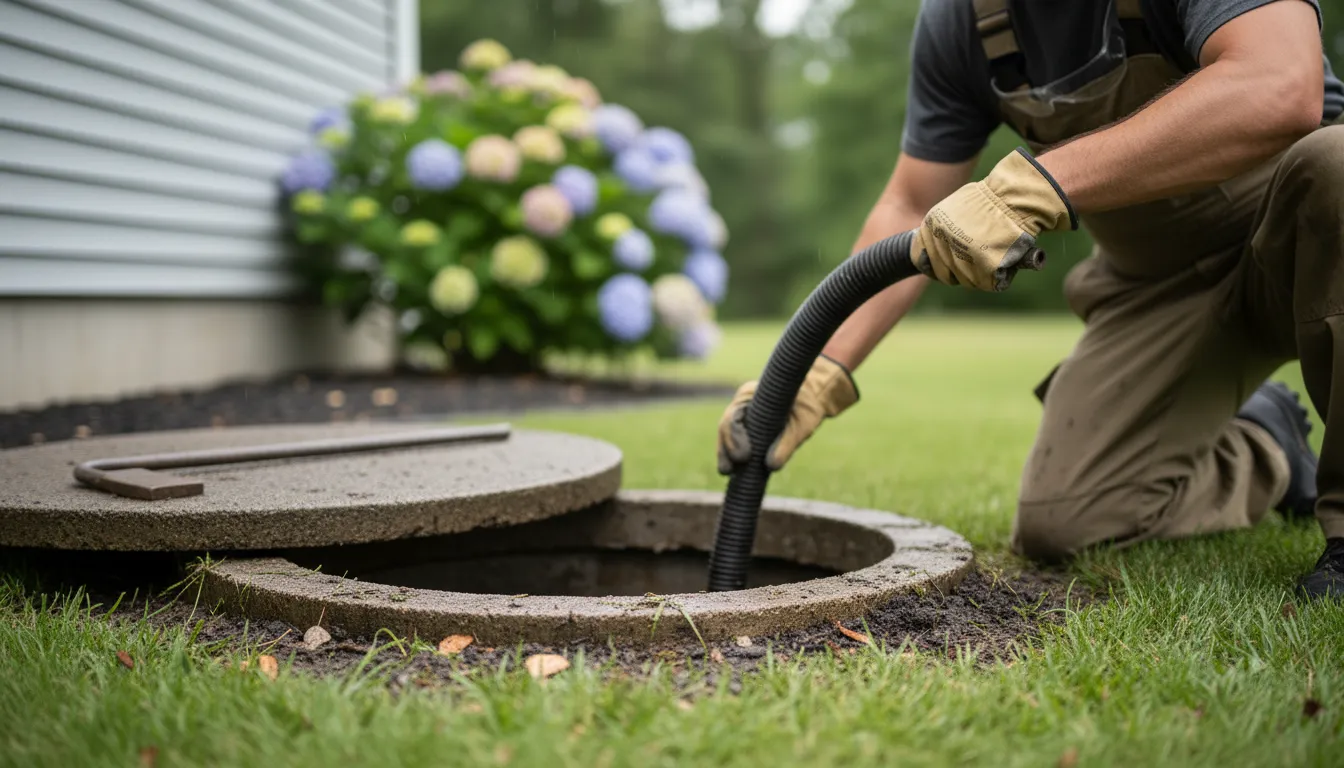
- Insert a large hose and vacuum all solids and liquids from the tank.
- Transport the waste for proper disposal.
- Note any issues or needed repairs for the homeowner.
Cost of Septic Tank Pumping in Milford Costs can vary based on tank size, accessibility, and the company you hire. For the Milford and greater Connecticut area in 2025/2026:
- The average cost for septic tank pumping ranges from $350 to $600.
- For a standard 1,000-gallon tank, the average reported cost is approximately $360 (typically ranging from $331 to $389) 12 13.
- Additional fees are common if the tank lids are buried and require hand-digging to expose, which can add roughly $25 per lid 14.
It's always wise to get a few estimates from licensed local providers. The lowest price may not include a thorough inspection or proper disposal.
Protecting Your Septic System Between Pumpings
Proper daily care extends the life of your system and helps maintain the recommended pumping interval.
Do:
- Conserve water to avoid hydraulically overloading the system.
- Direct all runoff from roof drains, sump pumps, and paved surfaces away from the drain field 15.
- Keep accurate records of pumping, inspections, repairs, and the system layout.
Don't:
- Drive or park vehicles or heavy equipment over the tank or leach field.
- Build structures like sheds, decks, or pools over the system.
- Flush anything besides human waste and toilet paper. Avoid chemicals, grease, diapers, wipes (even "flushable" ones), and feminine hygiene products.
- Use septic system additives as a substitute for pumping; they are not a proven solution and can sometimes harm the system 16.
Planning Repairs or Alterations Any repair, modification, or expansion of your septic system requires a permit from the Milford City Health Department 17 18. Always consult with them and a licensed installer before beginning any work.
Frequently asked questions
Sources
Footnotes
-
Septic Systems Explained - Connecticut's Conservation Districts - https://conservect.org/southwest/wp-content/uploads/2018/01/SepticBrochures2014Revision3.pdf ↩
-
SEPTIC SYSTEMS - CT.gov - https://portal.ct.gov/-/media/Departments-and-Agencies/DPH/dph/environmental_health/environmental_engineering/pdf/SepticSystems101pdf.pdf ↩
-
Clean Your Septic Every Two Years - New Milford Septic - https://newmilfordseptic.com/the-importance-of-septic-cleaning/ ↩
-
Living Responsibly with a Septic Tank Homeowner Record-Keeping ... - https://conservect.org/eastern/wp-content/uploads/2021/02/SepticSystemFileFolder.pdf ↩
-
Living Responsibly with a Septic Tank Homeowner Record-Keeping ... - https://conservect.org/eastern/wp-content/uploads/2021/02/SepticSystemFileFolder.pdf ↩
-
How Much Does Septic Tank Pumping Cost in 2025? - https://www.homeadvisor.com/cost/plumbing/clean-septic-tank/ ↩
-
Septic Tank Maintenance Tips in Connecticut - Finkeldey BMJ - https://finkeldeys.com/2023/07/01/essential-septic-tank-maintenance-tips-and-guidelines/ ↩
-
What Does Septic Tank Pumping Cost in 2025 - Hella Water - https://hellawater.com/septic-tank-pumping-cost-2025/ ↩
-
How to Care for Your Septic System | US EPA - https://www.epa.gov/septic/how-care-your-septic-system ↩
-
How often to inspect septic system New Milford, CT - https://westctplumbing.com/service/septic/how-often-to-inspect-septic-system/new-milford/connecticut ↩
-
Home Buyers Guide - CT.gov - https://portal.ct.gov/dph/environmental-health/environmental-engineering/home-buyers-guide ↩
-
Septic Tank Cleaning / Pumping in CT - https://www.andrewsperryconstruction.com/septic-cleaning-ct.html ↩
-
Connecticut Septic Systems Costs & Prices - ProMatcher.com - https://septic-systems.promatcher.com/cost/connecticut.aspx ↩
-
2025 Septic Pumping Costs - Wilson Services - https://wilsonservices.com/resources/2025-septic-pumping-costs/ ↩
-
Operation and Maintenance - CT.gov - https://portal.ct.gov/dph/environmental-health/environmental-engineering/operation-and-maintenance ↩
-
Frequent Questions on Septic Systems | US EPA - https://www.epa.gov/septic/frequent-questions-septic-systems ↩
-
Milford, CT - https://www.milfordct.us/DocumentCenter/View/820 ↩
-
Subsurface Sewage Disposal & Septic Systems - https://hvhdct.gov/environmental-health/subsurface-sewage-disposal-programs/ ↩