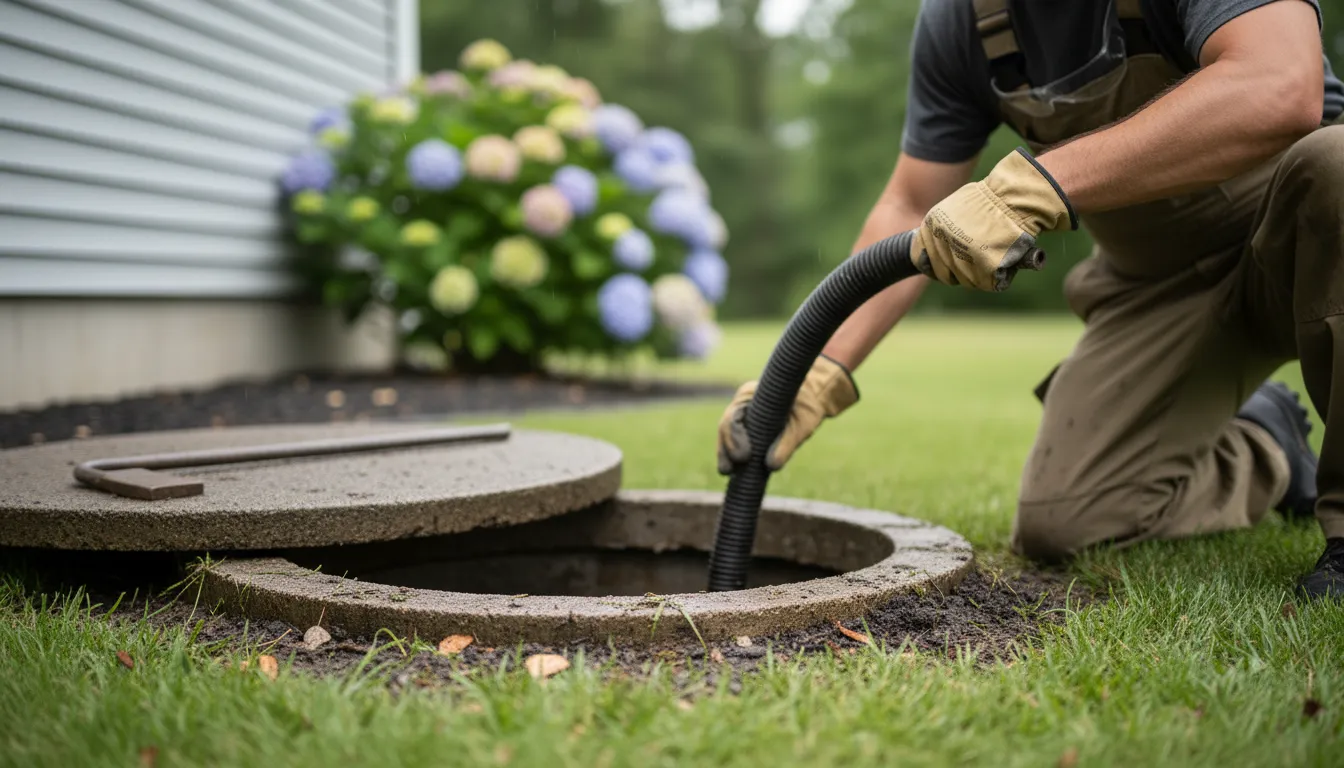
Find the Best Septic Tank Pumping Contractors for Your Business
No obligation • Fast responses • Nationwide coverage

Why you can trust Septic Spot
Septic Spot is a leading United States resource for understanding and comparing septic services. Our editors review providers using consistent criteria and verify key business details. Listings and scores are independent, and companies cannot pay to influence our content.
Search providers near you
Top Septic Tank Pumping Contractors in New Britain, Connecticut Ranked
Maintaining your septic system is a crucial responsibility for any homeowner not connected to a municipal sewer line. Regular septic tank pumping is the most important maintenance task you can perform to prevent system failure, protect your property value, and safeguard local groundwater. This guide provides essential information for New Britain residents on how, when, and why to schedule this vital service, helping you connect with qualified local professionals to keep your system functioning smoothly for years to come.
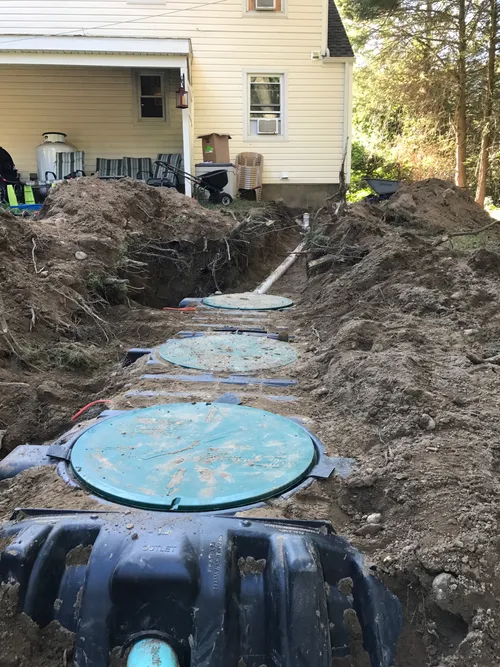
Septicology
47 Plantation Rd Unit D, Broad Brook, CT 06016
Septicology is a family-owned septic company serving Hartford, CT, and all towns across Connecticut. Since 2017, they have provided septic system inspections, repairs, installations, and pumping services throughout the state. Their inspection reports include detailed analyses, color photos, and system location drawings, offering clear insights into septic system conditions. Septicology emphasizes flexible scheduling to accommodate customer needs and maintains open communication throughout the service process.

Skips Wastewater Services
21 Courtney Dr, Ellington, CT 06029
Skips Wastewater Services provides septic tank pumping, inspection, repair, and installation services in Hartford, CT. They serve residential and commercial clients across multiple counties in Connecticut, including Hartford, Middlesex, New London, Tolland, Windham, and New Haven. The company operates with a large fleet of pump trucks and uses advanced technology to handle septic emergencies and routine maintenance efficiently. With over 60 years of experience, Skips Wastewater Services offers 24/7 emergency support to address issues like sewage backups and slow drains promptly.
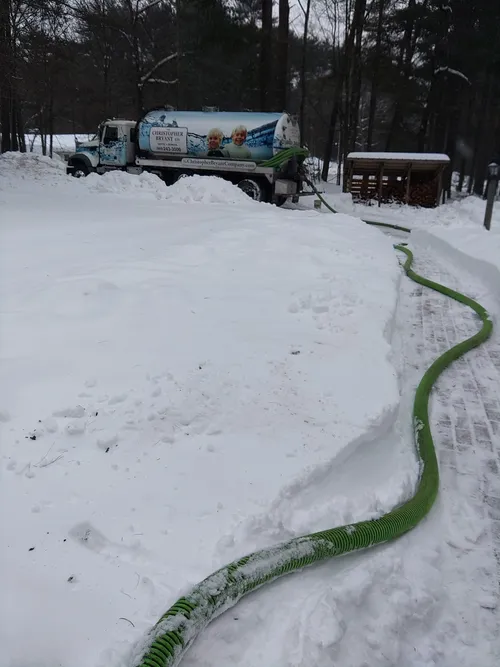
The Christopher Bryant Co. LLC
126 W Dudley Town Rd, Bloomfield, CT 06002
The Christopher Bryant Co. LLC is a family-owned septic service provider based in Hartford, CT, serving Hartford County and surrounding communities since 1995. They offer a full range of septic system services including pumping, inspection, repair, and installation. The company is known for its hands-on ownership and expertise in septic riser installation, which facilitates easier maintenance and inspection. With over 30 years in business, they provide 24/7 emergency service and same-day service options to address urgent septic needs.
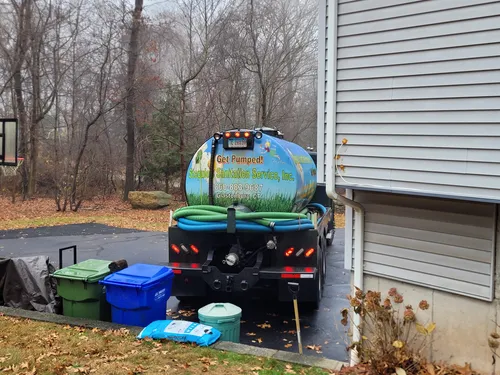
Stepule's Sanitation Service, Inc.
327 Forest Ln, Glastonbury, CT 06033
Stepule's Sanitation Service, Inc. is a septic tank pumping and installation company serving Hartford, CT. Since 1993, they have provided septic system installations and expanded their services in 2007 to include septic tank pumping. The company focuses on environmentally correct methods and technologically advanced processes to deliver efficient and complete septic services.
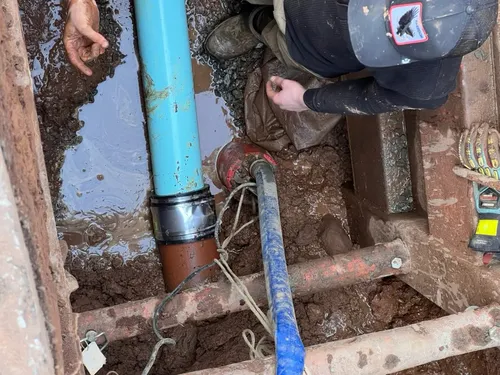
Team Sewer and Water
36 Zoar Ave, Oakville, CT 06779
Team Sewer and Water is a septic tank pumping, inspection, repair, and installation company based in Waterbury, CT. They serve residential and commercial clients in Waterbury and surrounding areas, offering comprehensive water, sewer, and septic system services. With over 14 years of experience, their skilled technicians use the latest techniques and equipment to deliver durable results. They also handle sewer line repairs and water main replacements, ensuring compliance with local regulations.
Why Regular Septic Pumping is Non-Negotiable
A septic system is not a "set it and forget it" piece of infrastructure. Every time water goes down a drain in your home, solids settle at the bottom of the tank as sludge, while lighter materials like grease and soap float to the top as scum. The liquid in the middle layer flows out to the drainfield. Over time, the sludge and scum layers accumulate. If they aren't removed through periodic septic tank cleaning, they can overflow into the drainfield, causing clogs, sewage backups into your home, and costly environmental contamination. A failed drainfield is the most expensive septic problem to fix, often requiring a complete replacement. Regular pumping removes these accumulated solids, giving your entire system a longer, healthier life 1 2.
Recommended Pumping Frequency for New Britain Homes
How often should you schedule septic system pumping? While a common rule of thumb is every 3 to 5 years, the right schedule for your home depends on several factors. Local health authorities, including the North Central District Health Department (NCDHD) and the Connecticut Department of Public Health, endorse the 3-5 year guideline as a solid starting point 3.
However, your household may need more frequent service. Consider pumping every 1-2 years if:
- Your household size is large (4 or more people).
- You have high water usage from frequent laundry, long showers, or many baths.
- You regularly use a garbage disposal, which significantly increases solid waste.
- Your septic tank is smaller than standard (typically 1,000-1,500 gallons).
- You generate more grease from cooking.
The only way to know for sure is through a professional inspection, which should be done annually or at least every 2 years 4. A licensed contractor can measure the sludge and scum levels to give you a precise recommendation.
What to Expect During a Professional Pumping Service
Hiring a licensed and insured septic contractor is essential. A professional septic service involves more than just vacuuming out the tank. Here's what a thorough job entails:
- Locating and Uncovering the Tank: The technician will locate your tank and dig to expose the manhole cover(s). Some companies charge an additional fee (around $25 per lid) for this digging service if the lids are buried deep.
- Inspecting the System: Before pumping, a good contractor will perform a basic inspection. This includes checking the inlet and outlet baffles (or tees) for blockages or damage, ensuring no solids are escaping into the drainfield, and looking for signs of leaks or structural problems.
- Pumping the Tank: Using a large truck-mounted vacuum hose, all liquid and solid waste is pumped from the tank. The goal is to remove nearly all contents, though a small amount of residual sludge is often left to restart the bacterial ecosystem.
- Post-Pumping Check: After pumping, the technician should check the empty tank for cracks, leaks, or compromised baffles. They will also clean or replace the effluent filter if your system has one-a critical step often performed during pumping.
- Proper Waste Disposal: The pumped waste, known as septage, is transported by the contractor to a licensed treatment facility, in compliance with Connecticut regulations.
Always request and keep a detailed receipt that notes the volume pumped, the condition of your tank, and any work performed. Maintaining a permanent file of all inspections and pumpings is highly recommended for your records and for future home sales 5.
Find the perfect septic tank pumping contractors for your needs
Get personalized recommendations and expert advice
Understanding Costs for Septic Pumping in New Britain
The cost for septic tank maintenance like pumping can vary. In the New Britain area and across Connecticut, homeowners can expect average costs to range from $340 to $480 for a standard residential pumping service 6 7. This typical price usually covers a standard 1,000-1,500 gallon tank with accessible lids.
Several factors can influence the final price:
- Tank Size and Accessibility: Larger tanks (over 1,500 gallons) cost more to pump. If your tank lids are buried deep or under hardscape, extra digging labor will add to the cost.
- Additional Services: If an inspection reveals a need for minor repairs, filter replacement, or baffle repair, these will be separate charges.
- System Condition: A severely neglected tank with excessive solids may require more time or special equipment.
- Travel Distance: Some companies may add a trip charge for locations outside their primary service area.
While price is a consideration, the contractor's reputation, licensing, and thoroughness are more important. The cheapest option can sometimes lead to incomplete service or missed problems, resulting in higher costs down the line.
Best Practices for Septic System Care Between Pumpings
Pumping is the cornerstone of maintenance, but daily habits greatly impact your system's health. Follow these guidelines to protect your investment:
- Conserve Water: Fix leaky faucets and toilets immediately. Stagger laundry loads throughout the week instead of doing many loads in one day. Install water-efficient fixtures.
- Mind What You Flush: Only human waste and toilet paper should go down the toilet. Never flush wipes (even "flushable" ones), feminine hygiene products, dental floss, diapers, or cat litter.
- Use the Sink and Drain Wisely: Avoid pouring cooking fats, oils, and grease down the drain. Minimize use of a garbage disposal, as it adds solids. Harsh chemicals like drain cleaners, bleach, and antibacterial soaps can kill the beneficial bacteria in your tank 8.
- Beware of Additives: The North Central District Health Department and other experts generally advise against using septic tank additives or "cleaners." Many are unnecessary, and some can actually harm your system by causing solids to flow into and clog the drainfield 9.
- Protect the Drainfield: Never drive or park vehicles, or place heavy structures like sheds or pools, over your septic tank or drainfield. This compacts the soil and can crush pipes. Keep roof drains and sump pump discharges away from the area. Plant only grass over the drainfield; tree and shrub roots can cause major damage.
When to Contact Local Authorities
As a New Britain resident, you have local resources. The New Britain Water Department's Stormwater Management Division can be a point of contact for questions about site plans or for reporting a suspected failing system that could be impacting stormwater or groundwater 10. For most maintenance and pumping needs, however, you will work directly with a private, licensed septic contractor.
Recognizing early warning signs of trouble can save you from a disaster. Contact a professional immediately if you notice:
- Sewage backups in your home's drains or toilets.
- Gurgling sounds in your plumbing.
- Slow drains throughout the house.
- Lush, green grass or standing water over the drainfield, especially during dry weather.
- Unpleasant odors around the tank or drainfield area.
Frequently asked questions
Sources
Footnotes
-
Septic Tanks - Preventative Routine Maintenance - https://des.sc.gov/permits-regulations/septic-tanks/homeowner-resources/septic-tanks-preventative-routine-maintenance ↩
-
Caring for Your Septic System | Mass.gov - https://www.mass.gov/guides/caring-for-your-septic-system ↩
-
Operation and Maintenance - CT.gov - https://portal.ct.gov/dph/environmental-health/environmental-engineering/operation-and-maintenance ↩
-
SEPTIC SYSTEMS - CT.gov - https://portal.ct.gov/-/media/Departments-and-Agencies/DPH/dph/environmental_health/environmental_engineering/pdf/SepticSystems101pdf.pdf ↩
-
Living Responsibly with a Septic Tank Homeowner Record-Keeping ... - https://conservect.org/eastern/wp-content/uploads/2021/02/SepticSystemFileFolder.pdf ↩
-
Septic Tank Cleaning / Pumping in CT - Andrews-Perry Construction - https://www.andrewsperryconstruction.com/septic-cleaning-ct.html ↩
-
How Much Does It Cost to Pump a Septic Tank? [2026 Data] | Angi - https://www.angi.com/articles/how-much-does-septic-tank-pumping-cost.htm ↩
-
Septic Systems Explained - Connecticut's Conservation Districts - https://conservect.org/southwest/wp-content/uploads/2018/01/SepticBrochures2014Revision3.pdf ↩
-
Septic Homeowners - North Central Distict Health Department - https://www.ncdhd.org/septic-homeowners ↩
-
Resources for Residents - City of New Britain - https://www.newbritainct.gov/services/water-department/stormwater-quality-management/resources-for-residents ↩