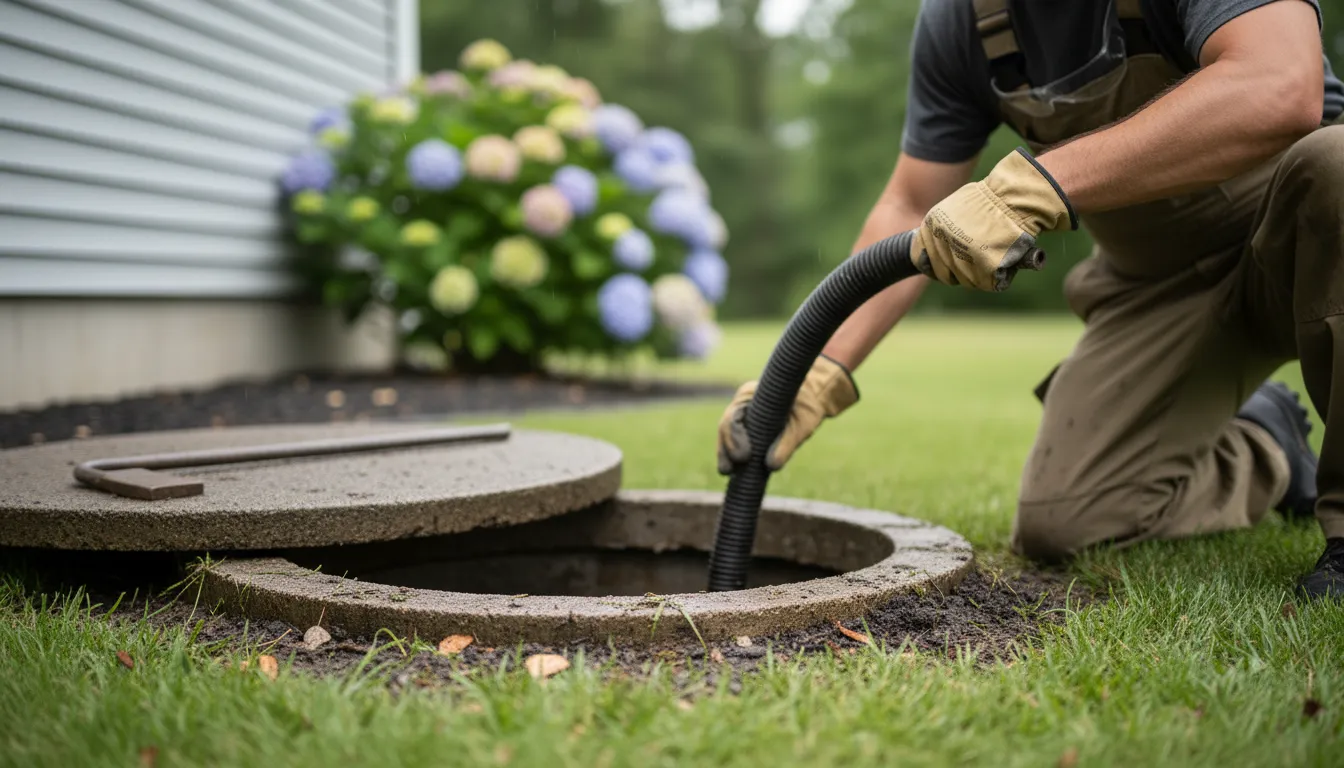
Find the Best Septic Tank Pumping Contractors for Your Business
No obligation • Fast responses • Nationwide coverage

Why you can trust Septic Spot
Septic Spot is a leading United States resource for understanding and comparing septic services. Our editors review providers using consistent criteria and verify key business details. Listings and scores are independent, and companies cannot pay to influence our content.
Search providers near you
Top Septic Tank Pumping Contractors in Stratford, Connecticut Ranked
Maintaining your septic system is a crucial, yet often overlooked, responsibility of homeownership. Septic tank pumping is the essential service of removing accumulated solids and sludge from your tank to prevent system failure, costly repairs, and environmental contamination. For Stratford residents, understanding local regulations, typical costs, and maintenance best practices is key to protecting your property and public health. This guide will help you navigate the process of finding qualified local professionals for septic cleaning and maintenance.
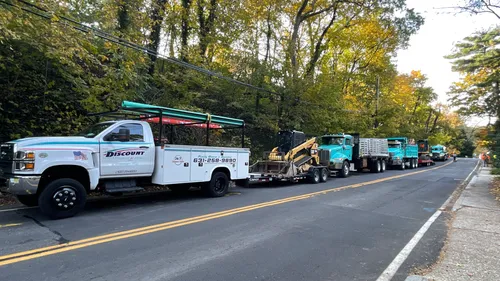
Discount Cesspool & Drain Inc.
240 Gibbs Rd, Islandia, NY 11749
Discount Cesspool & Drain Inc. is a septic tank pumping and installation company serving New York, NY, with a focus on Long Island. They specialize in new septic system installations, cesspool pumping, septic tank service, and full-scale cesspool cleaning. The company offers 24-hour emergency service and weekend and holiday availability. They provide eco-friendly solutions without subcontracting and cater to both residential and commercial clients across Suffolk and Nassau counties.
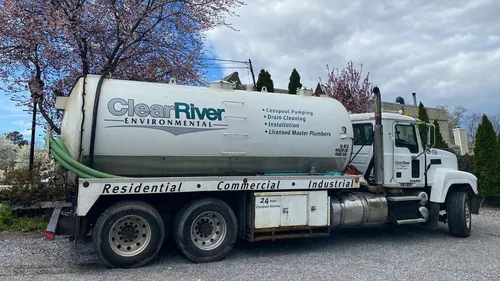
Clear River Environmental
847 11th St, Ronkonkoma, NY 11779
Clear River Environmental is a septic tank pumping, inspection, repair, and installation company serving New York, NY. They offer comprehensive environmental services including cesspool pumping, septic system maintenance, plumbing repairs, and emergency environmental remediation. The company has over 60 years of experience and uses advanced equipment such as camera inspection systems and leak detection technology. Clear River Environmental provides 24/7 emergency services to address urgent property issues promptly.
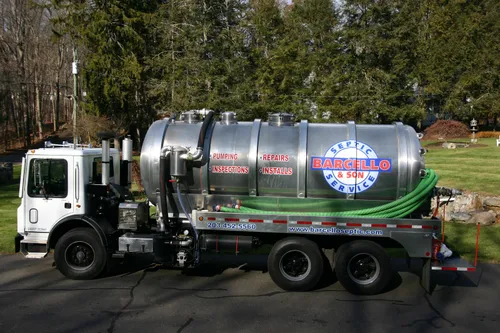
Barcello & Son Septic Service LLC
334 Wilson Rd, Easton, CT 06612
Barcello & Son Septic Service LLC is a family-owned business based in Easton, CT, serving the Bridgeport area with septic tank pumping, inspection, repair, design, and installation services. With over 20 years of experience in Fairfield County, they handle all sizes and types of septic systems using a proprietary 12-step pumping process and the latest equipment. Their expertise covers comprehensive septic system solutions, including real estate appraisal support and system design. The company emphasizes transparent pricing and guarantees their work. Barcello & Son Septic Service LLC is known for clear communication about service timing and procedures, aiming to provide a straightforward and reliable customer experience.
Assured Pump Services
Stamford, CT
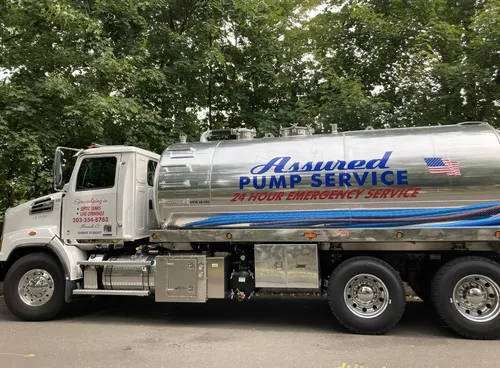
Assured Pump Services is a septic tank pumping, inspection, and repair company based in Stamford, CT. Serving Fairfield County, they offer a full range of septic system services including pumping, drain clearing, and repairs. With over 25 years of experience, the company provides 24/7 emergency response to address urgent septic issues promptly. Their licensed technicians use state-of-the-art equipment to ensure thorough and reliable service.
A & A Systems Control Inc
47 Larkin St Unit 5 A, Stamford, CT 06907
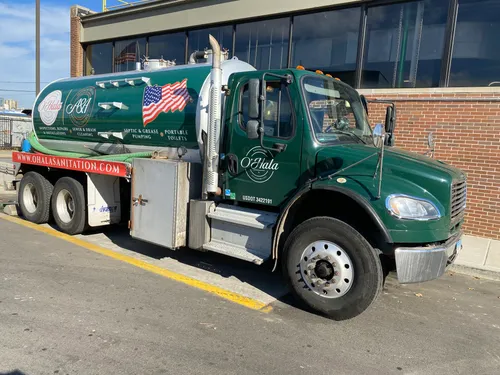
A & A Systems Control Inc is a family-owned septic and excavating services company based in Stamford, CT. They provide a full range of septic system services including pumping, inspections, repairs, installations, and drain cleaning for residential and commercial clients. Their expertise extends to excavation, drainage solutions, grease trap cleaning, and percolation testing, serving Stamford and nearby communities such as Greenwich, Darien, and New Canaan. The company offers 24/7 availability and emphasizes routine maintenance plans to minimize emergencies and system backups. With a background in utility construction, A & A Systems Control Inc combines technical knowledge with local service to support well-maintained septic systems.
Why Regular Septic Maintenance is Non-Negotiable in Stratford
A septic system is a self-contained wastewater treatment plant on your property. When functioning correctly, it safely processes household water from toilets, showers, sinks, and appliances. The tank itself separates solids from liquids; solids settle as sludge at the bottom, while fats and oils float as scum on top. Over time, these layers build up. If the sludge level gets too high, solids can flow into the drain field, clogging the soil and causing a complete system backup-a messy, unhealthy, and expensive disaster.
The Connecticut Department of Public Health (CT DPH) explicitly advises that failure to regularly remove sludge is a primary cause of system failure 1. In Stratford, with its mix of historic and newer homes, many properties rely on these on-site systems. Proactive maintenance through regular septic tank cleaning is far less costly than emergency repairs or a full drain field replacement, which can run into the tens of thousands of dollars.
Recommended Pumping Frequency for Stratford Homes
How often should you schedule septic pumping? A common rule of thumb is every 3 to 5 years for a typical household. However, this is a general guideline. The exact frequency for your Stratford home depends on several key factors:
- Household Size: More people generate more wastewater and solid waste, filling the tank faster.
- Tank Size: Older homes may have smaller tanks that require more frequent service.
- Total Wastewater Generated: The volume from laundry, long showers, and frequent toilet use directly impacts accumulation rates.
- Use of a Garbage Disposal: Disposals significantly increase the amount of solids entering the tank, often necessitating more frequent pumping.
- Amount of Solids: The type of waste matters.
A professional can assess your specific situation during an inspection. The critical maintenance action is to pump the tank before the sludge and scum layers reduce the tank's effective volume and start to escape into the drain field.
What to Expect During a Professional Pumping Service
A thorough septic tank pumping service in Stratford involves more than just vacuuming out the tank. Reputable providers follow a comprehensive process to ensure your entire system is evaluated.
- Locating & Accessing the Tank: The technician will locate the tank lids. If the lids are buried, manual digging is required, which typically incurs an additional labor charge (often around $25 per lid).
- Initial Inspection: Before pumping, they may note the inlet and outlet baffle conditions and observe the scum and sludge layers.
- Pumping: Using a large truck-mounted vacuum hose, all liquid and solid waste is pumped from the tank and legally transported for disposal.
- Critical System Inspection: This is the most important step. After the tank is empty, the technician should inspect:
- Baffles & Tees: Ensuring inlet/outlet baffles are intact to prevent solids from exiting.
- Scum Layer Thickness: A scum layer greater than 2 inches indicates the need for more frequent pumping.
- Sludge Layer Depth: The sludge should not be within 12 inches of the outlet baffle 2.
- Tank Structure: Checking for cracks, leaks, or root intrusion.
- Reporting: You should receive a report detailing the services performed, the condition of your tank, and any recommendations for repairs or future maintenance.
Skipping the inspection component is a missed opportunity to catch small problems before they become catastrophic.
Find the perfect septic tank pumping contractors for your needs
Get personalized recommendations and expert advice
Understanding Costs for Septic Tank Pumping in Connecticut
The cost for septic tank pumping in Stratford and surrounding areas is relatively consistent. Based on local data, homeowners can expect an average cost ranging from $340 to $480 for a standard residential pumping service. Several factors influence where your final bill lands within this range:
- Tank Size and Accessibility: Larger tanks cost more to pump. Tanks with buried or hard-to-access lids add labor for digging.
- Tank Condition: If the tank hasn't been pumped in many years, extra time and effort may be required to break up hardened sludge.
- Additional Services: The inspection itself is often part of the service. However, minor repairs (like replacing a baffle) or cleaning effluent filters will add to the cost.
- Travel & Market Factors: Some companies may include a travel fee for certain areas.
While it's possible to find prices as low as $300 or see higher-end quotes approaching $600 for complex jobs, the $340-$480 range is a reliable benchmark for budgeting this essential maintenance 3 4. Remember, this investment every few years protects you from repair bills that are orders of magnitude larger.
Local Regulations and Resources for Stratford Homeowners
Septic systems in Stratford are regulated under the Connecticut Public Health Code Section 19-13-B103. Compliance with this code is mandatory for system installation, repair, and proper operation. The local Stratford Health Department is your primary resource for:
- Answering specific questions about your property.
- Providing guidance on system maintenance requirements.
- Potentially having "as-built" records for your system on file, which detail the tank location and size 5.
Before undertaking any major repair or new installation, contacting the Health Department is a critical first step to understand permitting requirements. For routine maintenance like pumping, using a licensed and insured professional ensures the work meets state and local standards.
Proactive Maintenance Beyond Pumping
Pumping is the cornerstone of septic care, but other habits extend your system's life. Protect your drain field by avoiding parking or building structures over it. Do not plant trees or large shrubs nearby, as roots can infiltrate and damage pipes. Be mindful of what goes down your drains: avoid flushing anything besides human waste and toilet paper, and limit the use of harsh chemicals and excessive grease. Conserving water reduces the hydraulic load on your system, allowing it to treat wastewater more effectively. Implementing these practices between professional septic cleanings will keep your system healthy for decades.
Signs Your Stratford Septic Tank Needs Immediate Attention
Don't wait for the 3-year mark if you notice warning signs. Contact a septic pumping professional immediately if you observe:
- Slow Drains: Sinks, showers, and tubs that drain slowly, especially if multiple fixtures are affected.
- Gurgling Sounds: Noises coming from your plumbing.
- Sewage Odors: Unpleasant smells inside your home or near the tank/drain field area.
- Wet, Spongy Ground: Soggy patches or overly lush grass over the drain field, particularly when it hasn't rained.
- Sewage Backup: The most severe sign-wastewater backing up into household drains.
Any of these symptoms indicate that your tank is likely full or that a component has failed, requiring prompt professional intervention.
Frequently asked questions
Sources
Footnotes
-
SEPTIC SYSTEMS - CT.gov - https://portal.ct.gov/-/media/Departments-and-Agencies/DPH/dph/environmental_health/environmental_engineering/pdf/SepticSystems101pdf.pdf ↩
-
Operation and Maintenance - CT.gov - https://portal.ct.gov/dph/environmental-health/environmental-engineering/operation-and-maintenance ↩
-
Septic Tank Cleaning / Pumping in CT - Andrews-Perry Construction - https://www.andrewsperryconstruction.com/septic-cleaning-ct.html ↩
-
Understanding the Average Cost to Pump a Septic Tank - https://www.scorpionsepticservices.com/blog/understanding-the-average-cost-to-pump-a-septic-tank ↩
-
Environmental Engineering - Subsurface Sewage - CT.gov - https://portal.ct.gov/dph/environmental-health/environmental-engineering/environmental-engineering----subsurface-sewage ↩