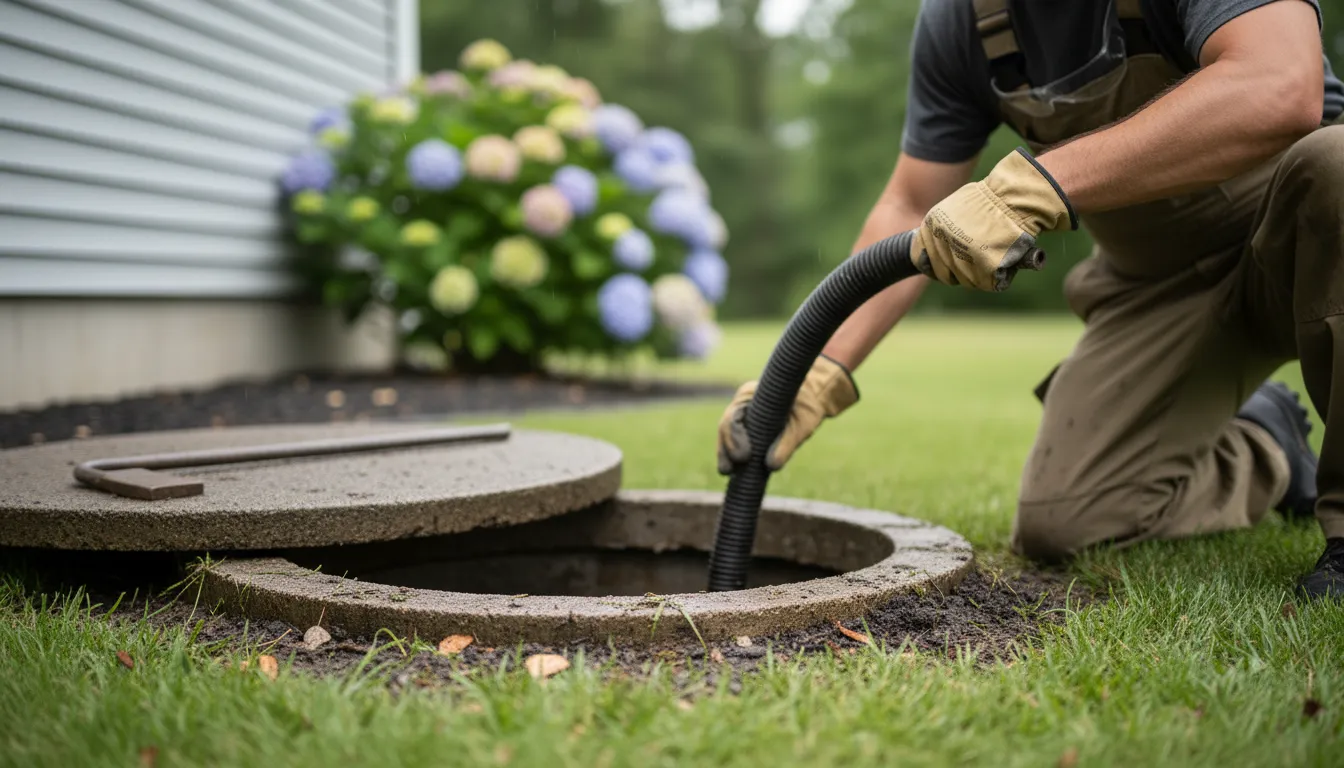
Find the Best Septic Tank Pumping Contractors for Your Business
No obligation • Fast responses • Nationwide coverage

Why you can trust Septic Spot
Septic Spot is a leading United States resource for understanding and comparing septic services. Our editors review providers using consistent criteria and verify key business details. Listings and scores are independent, and companies cannot pay to influence our content.
Search providers near you
Top Septic Tank Pumping Contractors in West Haven, Connecticut Ranked
Maintaining your septic system is a crucial responsibility for any homeowner in West Haven. Septic tank pumping is the essential process of removing accumulated sludge and scum from your tank to prevent system failure, costly repairs, and environmental contamination. This guide explains why regular septic maintenance matters for your property and public health, and helps you understand how to find qualified local professionals to keep your system functioning properly.
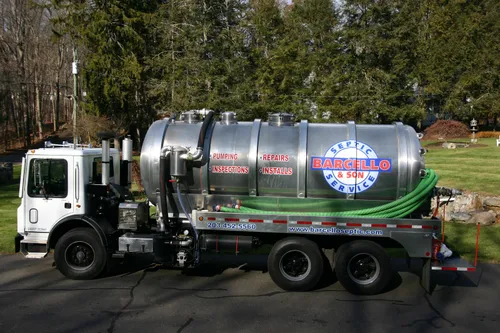
Barcello & Son Septic Service LLC
334 Wilson Rd, Easton, CT 06612
Barcello & Son Septic Service LLC is a family-owned business based in Easton, CT, serving the Bridgeport area with septic tank pumping, inspection, repair, design, and installation services. With over 20 years of experience in Fairfield County, they handle all sizes and types of septic systems using a proprietary 12-step pumping process and the latest equipment. Their expertise covers comprehensive septic system solutions, including real estate appraisal support and system design. The company emphasizes transparent pricing and guarantees their work. Barcello & Son Septic Service LLC is known for clear communication about service timing and procedures, aiming to provide a straightforward and reliable customer experience.
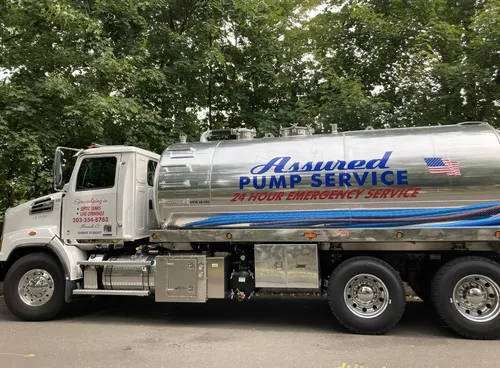
Assured Pump Services
Stamford, CT
Assured Pump Services is a septic tank pumping, inspection, and repair company based in Stamford, CT. Serving Fairfield County, they offer a full range of septic system services including pumping, drain clearing, and repairs. With over 25 years of experience, the company provides 24/7 emergency response to address urgent septic issues promptly. Their licensed technicians use state-of-the-art equipment to ensure thorough and reliable service.
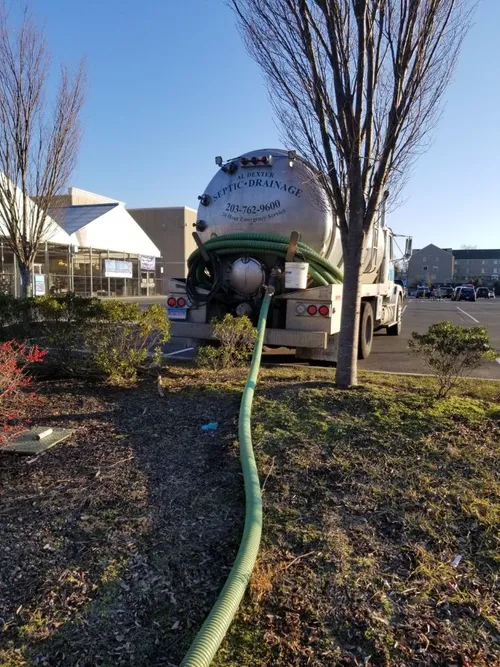
Al Dexter Septic & Drainage
New York, NY
Al Dexter Septic & Drainage is a septic service provider located in New York, NY. They offer a range of services including septic tank cleaning, installation, inspection, and repair. Their capabilities include jetting and snaking lines, camera inspections, odor testing, and pump repair or replacement. The company also handles grease trap cleaning and dry well pumping, providing comprehensive septic system maintenance and repair solutions.
Team Sewer and Water
36 Zoar Ave, Oakville, CT 06779
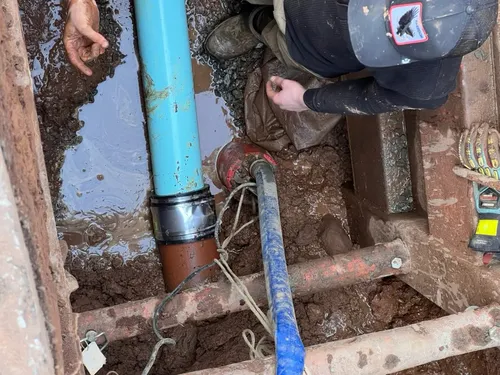
Team Sewer and Water is a septic tank pumping, inspection, repair, and installation company based in Waterbury, CT. They serve residential and commercial clients in Waterbury and surrounding areas, offering comprehensive water, sewer, and septic system services. With over 14 years of experience, their skilled technicians use the latest techniques and equipment to deliver durable results. They also handle sewer line repairs and water main replacements, ensuring compliance with local regulations.

Middlebury Septic LLC
9 Sandy Beach Rd, Middlebury, CT 06762
Middlebury Septic LLC is a septic tank pumping company serving Waterbury, CT. They provide septic services for both commercial and residential customers, handling systems of any size. Their trained specialists use top-of-the-line equipment and are qualified to pump any type of septic system while offering expert advice.
A properly functioning septic system is an unseen but vital part of your West Haven home. When this system fails, it can lead to sewage backups, foul odors, and contamination of local groundwater. Regular septic system pumping is the most effective way to prevent these issues. For a typical household in West Haven, the Connecticut Department of Public Health recommends having your septic tank pumped every 3 to 5 years. This service, performed by a licensed hauler, ensures that solids do not overflow into the drain field, which is the most common cause of system failure.
Why Regular Septic Maintenance is Non-Negotiable
Your septic tank is a living ecosystem where bacteria break down waste. Over time, solids that cannot be broken down (sludge) accumulate at the bottom, while lighter materials like fats and oils form a scum layer on top. If these layers become too thick, they can clog the outlet baffle, allowing solids to escape into the drain field. This can cause irreversible damage, leading to a complete system replacement that can cost tens of thousands of dollars. Regular pumping removes these layers, protecting your investment and the environment.
In West Haven, with its proximity to Long Island Sound, protecting groundwater is a community-wide priority. A failing septic system can leach nutrients and pathogens into the water table, posing risks to public health and local ecosystems. Proactive maintenance is not just a personal responsibility; it's a contribution to the community's environmental health.
Determining Your Optimal Pumping Schedule
While the general guideline is 3-5 years, your specific schedule depends on several household factors. The "average family of four" is the baseline for the 3-5 year recommendation. However, you may need more frequent service if your household fits certain profiles:
- High Water Usage: Large families or homes with frequent guests increase the tank's workload.
- Use of a Garbage Disposal: Disposals significantly increase the volume of solids entering the tank, accelerating sludge buildup.
- Smaller Tank Size: Older homes may have undersized tanks that fill more quickly.
- High Waste Production: Certain soaps, chemicals, and non-biodegradable items can hinder bacterial action.
For households with higher usage or a smaller tank, the pumping frequency should increase to every 1-3 years 1. The most reliable way to determine your schedule is through a professional inspection, which should accompany every pumping service.
What to Expect During a Professional Pumping Service
Hiring a state-licensed septic service professional in Connecticut is not just recommended-it's essential for proper and legal waste disposal. A comprehensive service involves more than just vacuuming out the tank.
- Locating & Accessing the Tank: The technician will locate your tank's access lids. Keeping these accessible saves time and money.
- Complete Evacuation: A professional will pump out all contents from both compartments of a dual-chamber tank, ensuring a thorough cleaning 2.
- Inspecting Critical Components: During pumping, the technician should inspect the tank's baffles (inlet and outlet), the structural integrity of the tank walls, and the condition of the effluent filter if your system has one. Cleaning the effluent filter is a key part of maintenance.
- Final Check: After pumping, they may run water to check for proper flow from the house to the tank and from the tank to the drain field, looking for any signs of blockage or backup.
A reputable provider will give you a report of their findings, noting the sludge and scum levels and recommending your next service date.
Find the perfect septic tank pumping contractors for your needs
Get personalized recommendations and expert advice
Understanding Costs for Septic Pumping in West Haven
The cost to pump a septic tank in the West Haven and greater New Haven County area varies based on a few key factors. On average, pumping a standard 1,000-gallon tank costs around $350, with a typical range of $320 to $380 3. However, the final price can be influenced by:
- Tank Size and Capacity: Larger tanks (1,500 gallons or more) cost more to pump due to increased time and disposal fees.
- Accessibility: If the tank lids are buried deep, require special equipment to uncover, or are located in a difficult-to-reach area of the yard, you may incur additional labor charges.
- Condition of the Tank: Extremely clogged tanks or those requiring extra time to break up hardened sludge may increase the price.
- Additional Services: Costs for inspections, filter cleaning, or minor repairs will be added to the base pumping fee.
While prices can range from $200 for a simple, accessible job to over $500 for complex situations, it's important to view this as a critical maintenance investment 4 5 6. Choosing a provider based solely on the lowest price can sometimes lead to incomplete service or missed problems.
The Critical Role of Inspections
Think of an inspection as a physical exam for your septic system. The Connecticut Department of Public Health suggests inspections every 2 to 5 years, often coordinated with your pumping schedule 7 8 9. A thorough inspection by a licensed professional can identify small issues before they become catastrophic failures. The inspector will evaluate:
- Sludge and Scum Depth: Measuring these layers determines how urgently you need pumping.
- Baffle and Tee Integrity: These components prevent solids from exiting the tank; if they are damaged, your drain field is at immediate risk.
- Tank Structure: Checking for cracks, leaks, or root intrusion.
- Drain Field Observation: Looking for signs of failure like surfacing sewage, overly lush grass, or standing water above the field.
Maintaining Your System Between Pumpings
Your daily habits directly impact your septic system's health and how often it needs pumping. Follow these best practices to extend time between services:
- Conserve Water: Fix leaks, install efficient fixtures, and spread out laundry loads to avoid overwhelming the system.
- Mind What You Flush: Only human waste and toilet paper should go down the drain. Never flush wipes (even "flushable" ones), feminine hygiene products, dental floss, diapers, or cat litter.
- Use Septic-Safe Products: Choose toilet paper that breaks down easily and use cleaning products in moderation. Avoid antibacterial soaps and harsh chemicals like bleach and drain cleaners, which can kill the beneficial bacteria in your tank.
- Protect the Drain Field: Never drive or park vehicles over the drain field, and avoid planting trees or shrubs with deep roots nearby. Direct rainwater drainage away from the area.
Finding and Working with a Local Provider
For specific records or regulatory inquiries, you can contact the West Haven Health Department or the Connecticut Department of Public Health's Environmental Engineering program 10. When selecting a service provider, ensure they are licensed by the state of Connecticut. Ask for proof of insurance, get detailed written estimates, and check online reviews or ask neighbors for referrals. A trustworthy professional will be happy to explain their process, show their license, and provide a clear invoice detailing all services performed.
Frequently asked questions
Sources
Footnotes
-
How Often Should You Pump Your Septic Tank - Hella Water - https://hellawater.com/how-often-should-you-schedule-septic-tank-pumping/ ↩
-
Ask the Septic Doctor - https://ctvalleysepticservices.com/ask-the-septic-doctor ↩
-
Optimizing Septic Tank Pumping Frequency for Households - https://www.unitedsewerservice.com/frequency-of-septic-tank-pumping-for-different-household-sizes/ ↩
-
New Haven Septic Systems Costs & Prices - ProMatcher Cost Report - https://septic-systems.promatcher.com/cost/new-haven-ct-septic-systems-costs-prices.aspx ↩
-
Septic Tank Pumping Cost: Guide & Pricing in 2025 - Splash Plumbing - https://www.splashplumbing.com/how-much-does-it-cost-to-pump-septic-tank-understanding-pricing-and-factors-involved/ ↩
-
Septic Tank Pumping Guide for Families - https://www.benjaminfranklinplumbing.com/league-city/blog/2025/march/how-often-to-pump-septic-tank-family-of-4-essential-maintenance-tips/ ↩
-
SEPTIC SYSTEMS - CT.gov - https://portal.ct.gov/-/media/Departments-and-Agencies/DPH/dph/environmental_health/environmental_engineering/pdf/SepticSystems101pdf.pdf ↩
-
Septic Systems Explained - Connecticut's Conservation Districts - https://conservect.org/southwest/wp-content/uploads/2018/01/SepticBrochures2014Revision3.pdf ↩
-
How Often Should You Pump Your Septic Tank | Pumping Frequency - https://seaboundseptic.com/septic-services/how-often-should-you-pump-your-septic-tank/ ↩
-
Local West Haven Water Quality Guide - https://www.homewater.com/water-quality/west-haven-ct ↩