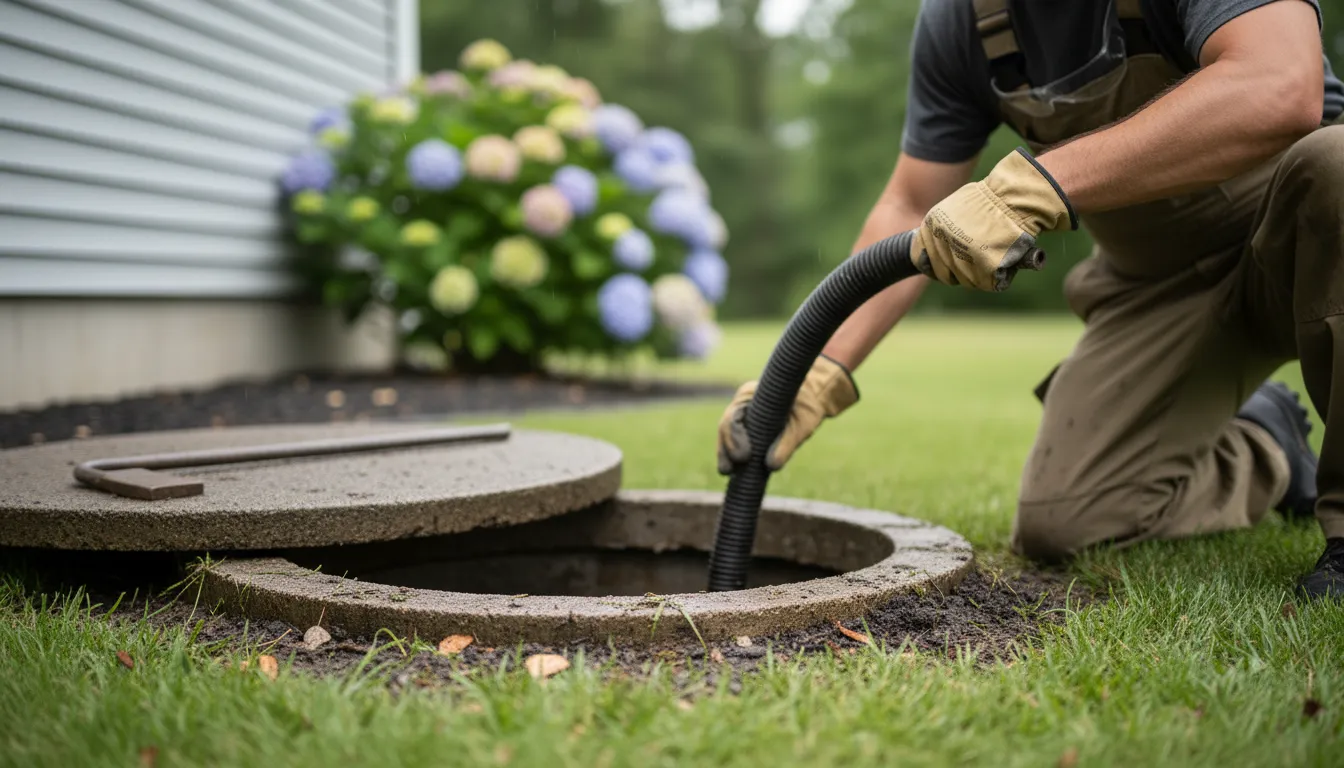
Find the Best Septic Tank Pumping Contractors for Your Business
No obligation • Fast responses • Nationwide coverage

Why you can trust Septic Spot
Septic Spot is a leading United States resource for understanding and comparing septic services. Our editors review providers using consistent criteria and verify key business details. Listings and scores are independent, and companies cannot pay to influence our content.
Search providers near you
Best Septic Tank Pumping Contractors in Hawaii Ranked
Maintaining your septic system is a critical responsibility for homeowners across the Hawaiian Islands. Regular septic tank pumping is essential to prevent system failures, protect the environment, and comply with state health regulations. This guide provides clear, practical information on septic system care in Hawaii, helping you understand local requirements, recognize warning signs, and connect with qualified professionals to keep your system functioning properly.
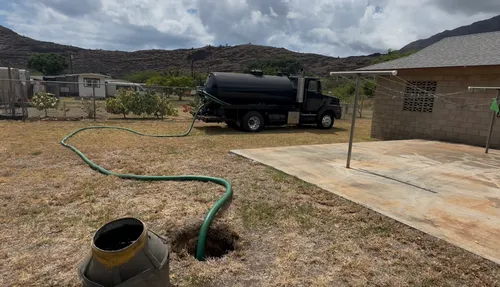
Pink Pumper Inc
Honolulu, HI
Pink Pumper Inc is a locally owned septic tank pumping company based in Honolulu, HI. They provide residential and commercial septic pumping services tailored to the needs of Hawaii homes and businesses. Their offerings include routine septic pumping on flexible schedules and waste holding tank rentals for locations without standard sewer access. The company also provides 24-hour emergency pumping services to address backups and system failures promptly.
First Quality Environmental
41-717 Kakaina St, Waimanalo, HI 96795
First Quality Environmental is a licensed wastewater contracting firm based in Honolulu, HI, specializing in septic tank installation, cesspool closures, grease interceptor installation, and septic tank pumping. Since 1991, they have provided tailored wastewater solutions for homeowners and industrial clients, ensuring systems meet Department of Health standards and protect Hawaii's environment. Their services include design, installation, soil percolation testing, and securing necessary approvals, with a focus on preserving the island's natural beauty.
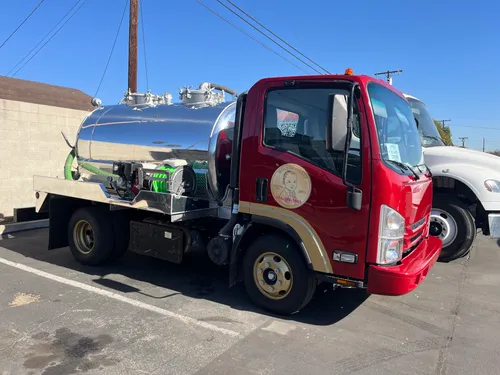
Golden Penny Sanitation Inc
Honolulu, HI
Golden Penny Sanitation Inc is a locally owned company providing sanitation services in Honolulu, HI. They serve residential homes, restaurants, and commercial properties with services including septic tank pumping, septic system installation and replacement, grease trap cleaning, restaurant waste oil recycling, sewer and drain cleaning, and sewer line repair. The company offers licensed, code-compliant septic system installations and uses advanced methods like hydro jetting for drain cleaning. With over 10 years of experience, Golden Penny Sanitation Inc also provides 24/7 sanitation support for emergency needs.
Gecko Enterprises
Honolulu, HI
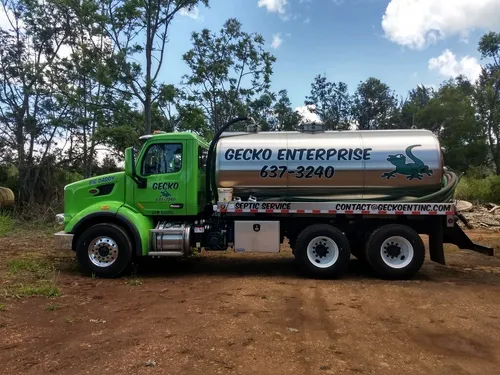
Gecko Enterprises is a septic services company based in Honolulu, HI, offering a range of services including septic tank pumping, inspections, repairs, and installations. They also handle cesspool cleaning, wastewater hauling, and leach field repair or replacement. The company is licensed, insured, certified, and approved by the Department of Health. Since 1989, Gecko Enterprises has provided wastewater treatment operations and maintenance for both residential and commercial clients, emphasizing education on septic system care.
Understanding Hawaii's Septic System Regulations
Septic system maintenance in Hawaii is overseen by the Hawaii Department of Health (DOH) Wastewater Branch. The state has specific guidelines to prevent groundwater contamination, which is a significant concern given the islands' unique geology and water resources. Homeowners are legally responsible for the operation, maintenance, and pumping of their individual wastewater systems 1.
A key statewide mandate is the cesspool upgrade requirement. Hawaii has over 80,000 cesspools, which are considered substandard and pose a threat to water quality. State law requires that all cesspools be upgraded, converted to a septic system, or closed by January 1, 2050. If your property still uses a cesspool, planning for this conversion is an urgent priority.
How Often Should You Pump Your Septic Tank in Hawaii?
The standard recommendation for septic tank pumping is every 3 to 5 years 2. However, several factors common in Hawaiian households can necessitate more frequent service:
- Household Size: More occupants mean more wastewater and solids, filling the tank faster.
- Garbage Disposal Use: Using a garbage disposal significantly increases the amount of solids entering the tank, potentially requiring pumping every 1-2 years 3.
- System Type: Systems with electrical components like pumps, floats, or switches need more frequent inspections, often annually, to ensure mechanical parts are working 4.
- Tank Size: Older or smaller tanks have less capacity and may need servicing sooner.
The Hawaii Department of Health recommends an annual inspection to check sludge and scum levels and identify any early signs of system failure 5 6. This proactive approach is far less costly than dealing with a complete drainfield failure.
Signs Your Hawaii Septic Tank Needs Pumping
Don't wait for a backup. Watch for these warning signs that your tank is full or your system is failing:
- Foul Odors: The smell of sewage or rotten eggs around the tank or drainfield area.
- Slow Drains: Sinks, showers, and toilets that drain slowly or gurgle.
- Sewage Backups: Wastewater backing up into household drains.
- Wet Spots or Lush Grass: Soggy ground or unusually green, lush vegetation over the leach field, even during dry weather 7.
- Standing Water: Puddles of grey or black water around the tank or in your yard.
If you notice any of these signs, contact a licensed pumping professional immediately to assess the situation.
The Cost of Septic Services in Hawaii
The cost for septic tank pumping and maintenance in Hawaii varies based on several factors:
- Island & Location: Accessibility and travel costs differ from Oahu to Maui to the Big Island.
- Tank Size & Accessibility: Larger tanks cost more to pump. Tanks that are buried deep or hard to reach may incur additional charges.
- Scope of Service: A simple pump-out is less expensive than a full inspection, cleaning, or minor repairs.
While specific statewide averages are not fixed, typical pumping services can cost several hundred dollars. It's important to budget for this essential maintenance. In contrast, the cost of neglecting your system is much higher-full septic system or drainfield replacement can easily exceed $25,0008 9. Regular pumping is a wise investment that protects your property value and avoids massive repair bills.
Find the perfect septic tank pumping contractors for your needs
Get personalized recommendations and expert advice
The Septic Tank Pumping Process: What to Expect
When you hire a professional, here's what a standard service visit entails:
- Locating & Uncovering: The technician will locate the tank access lids and excavate if necessary.
- Initial Inspection: The lids are opened to visually inspect the inlet and outlet baffles and the sludge/scum levels.
- Pumping: A large vacuum truck removes all liquids and solids from the tank.
- System Check: The technician may check the drainfield for proper flow and inspect components like the distribution box.
- Clean-up & Reporting: The site is cleaned, lids are securely replaced, and you should receive a service report for your records.
Always hire a licensed, insured professional. They will properly dispose of the septage at a designated treatment facility, as required by law.
Maintaining Your System Between Pumpings
Proper daily care extends the life of your system and stretches the time between necessary pumpings:
- Conserve Water: Fix leaks and spread out laundry loads to avoid overwhelming the system.
- Mind What You Flush: Only human waste and toilet paper should go down the toilet. Never flush wipes (even "flushable" ones), feminine hygiene products, dental floss, or chemicals.
- Use the Trash Can: Avoid using a garbage disposal if possible. Dispose of cooking grease, coffee grounds, and food scraps in the trash.
- Protect the Drainfield: Never park or drive over the leach field. Plant only grass over it; tree and shrub roots can cause severe damage.
Preparing for the Cesspool Conversion Deadline
If your property has a cesspool, the 2050 deadline may seem far off, but planning should begin now. Converting a cesspool to a septic system or connecting to a sewer line is a significant project involving permits, site evaluations, and professional installation. Start by contacting the Hawaii DOH Wastewater Branch or a licensed wastewater contractor to understand your options, costs, and potential financial assistance programs 10 11. Proactive conversion prevents last-minute rushes and potential non-compliance penalties.
Frequently asked questions
Sources
Footnotes
-
Wastewater Branch | General Info and FAQ - https://health.hawaii.gov/wastewater/home/general-info-and-faq/ ↩
-
How to Care for Your Septic System | US EPA - https://www.epa.gov/septic/how-care-your-septic-system ↩
-
Hawaii Septic Tank Requirements | Individual Wastewater ... - https://www.ntotank.com/blog/hawaii-septic-tank-requirements ↩
-
Septic System Maintenance | Big Island of Hawaii - https://www.abccesspoolandsepticpumping.com/septic-system-maintenance ↩
-
WASTEWATER FAQS | Kauai District Health Office - https://health.hawaii.gov/kauai/wastewater-faqs/ ↩
-
pdf - Hawaii State Department of Health - https://health.hawaii.gov/wastewater/files/2024/01/Pilot_Inspection_Report_Redacted-002.pdf ↩
-
Septic System Maintenance Kauai: Expert Care Tips - https://kauaiwastewatersolutions.com/blog/septic-system-maintenance-kauai-expert-care-tips/ ↩
-
Know Your S@!t - Maui Real Estate - https://mauirealestate.com/know-your-st/ ↩
-
Septic Systems - Valley Isle Pumping - https://valleyislepumping.com/information/septic-systems/ ↩
-
Cesspools in Hawaii | US EPA - https://www.epa.gov/uic/cesspools-hawaii ↩
-
Public Education for Septic Tank and Cesspool - Honolulu.gov - https://www.honolulu.gov/env/wp-content/uploads/sites/29/2023/10/wwm_SepticSystemsInformation.pdf ↩