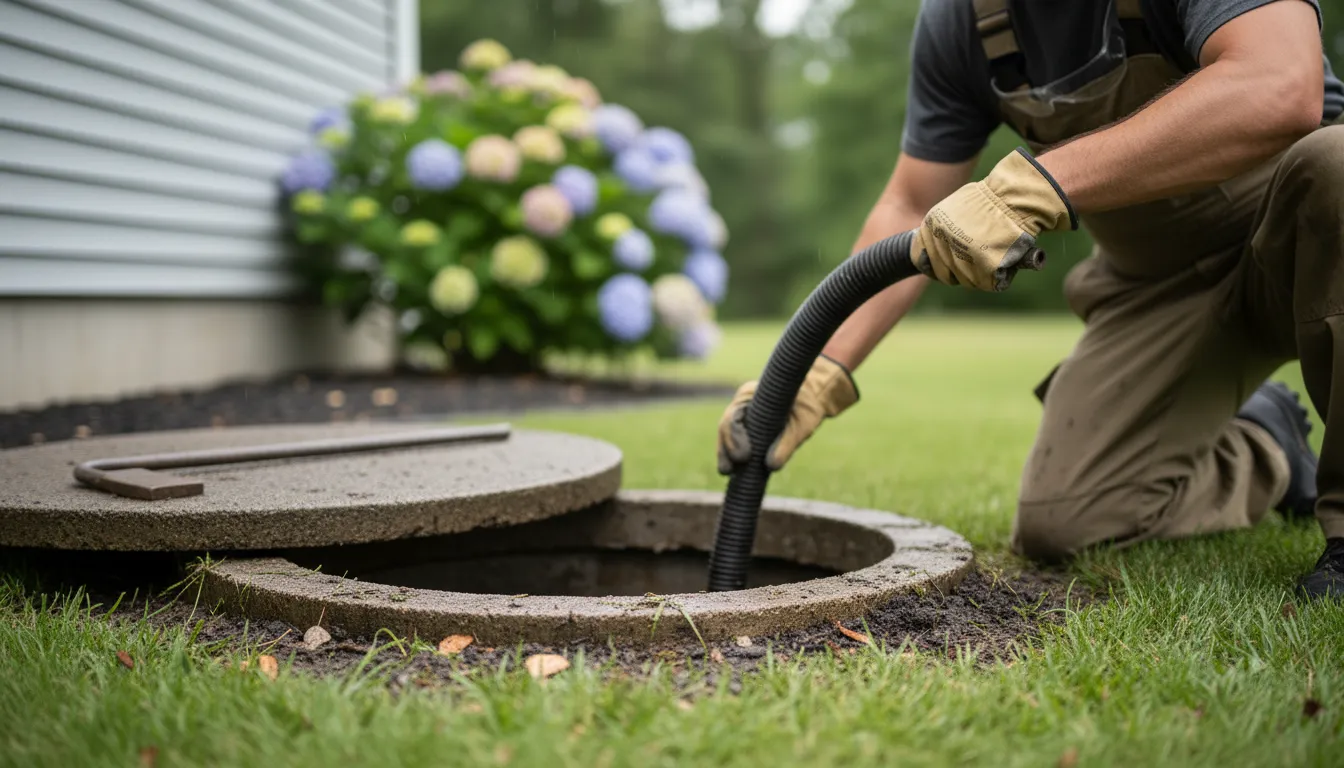
Find the Best Septic Tank Pumping Contractors for Your Business
No obligation • Fast responses • Nationwide coverage

Why you can trust Septic Spot
Septic Spot is a leading United States resource for understanding and comparing septic services. Our editors review providers using consistent criteria and verify key business details. Listings and scores are independent, and companies cannot pay to influence our content.
Search providers near you
Top Septic Tank Pumping Contractors in Honolulu, Hawaii Ranked
Maintaining a healthy septic system is a crucial responsibility for many homeowners in Honolulu. Septic tank pumping is the essential service of removing accumulated solids and scum from your tank to prevent backups, odors, and costly system failures. This guide explains why regular septic maintenance matters on Oahu, outlines local regulations and best practices, and helps you understand what to look for in a qualified local service provider.
Pink Pumper Inc
Honolulu, HI
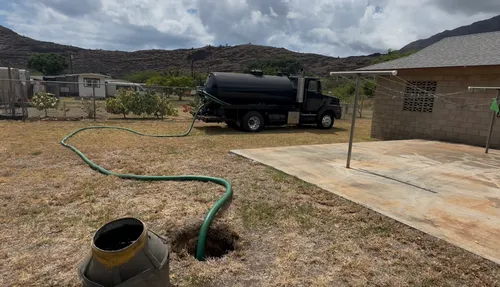
Pink Pumper Inc is a locally owned septic tank pumping company based in Honolulu, HI. They provide residential and commercial septic pumping services tailored to the needs of Hawaii homes and businesses. Their offerings include routine septic pumping on flexible schedules and waste holding tank rentals for locations without standard sewer access. The company also provides 24-hour emergency pumping services to address backups and system failures promptly.
First Quality Environmental
41-717 Kakaina St, Waimanalo, HI 96795
First Quality Environmental is a licensed wastewater contracting firm based in Honolulu, HI, specializing in septic tank installation, cesspool closures, grease interceptor installation, and septic tank pumping. Since 1991, they have provided tailored wastewater solutions for homeowners and industrial clients, ensuring systems meet Department of Health standards and protect Hawaii's environment. Their services include design, installation, soil percolation testing, and securing necessary approvals, with a focus on preserving the island's natural beauty.
Golden Penny Sanitation Inc
Honolulu, HI
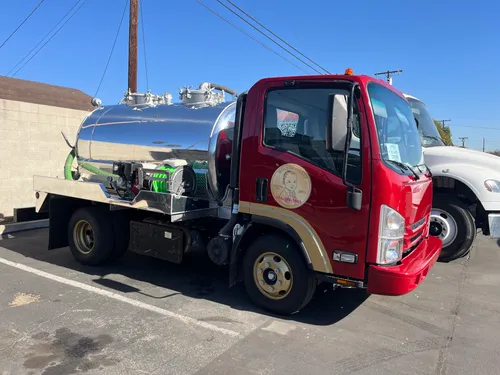
Golden Penny Sanitation Inc is a locally owned company providing sanitation services in Honolulu, HI. They serve residential homes, restaurants, and commercial properties with services including septic tank pumping, septic system installation and replacement, grease trap cleaning, restaurant waste oil recycling, sewer and drain cleaning, and sewer line repair. The company offers licensed, code-compliant septic system installations and uses advanced methods like hydro jetting for drain cleaning. With over 10 years of experience, Golden Penny Sanitation Inc also provides 24/7 sanitation support for emergency needs.
Gecko Enterprises
Honolulu, HI
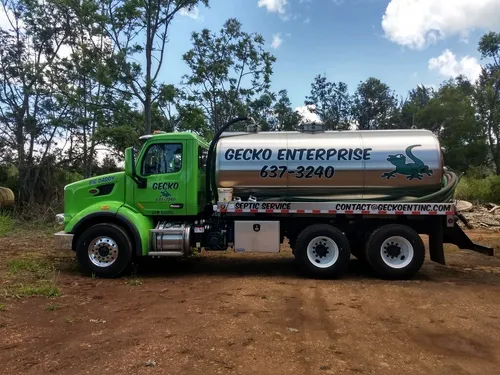
Gecko Enterprises is a septic services company based in Honolulu, HI, offering a range of services including septic tank pumping, inspections, repairs, and installations. They also handle cesspool cleaning, wastewater hauling, and leach field repair or replacement. The company is licensed, insured, certified, and approved by the Department of Health. Since 1989, Gecko Enterprises has provided wastewater treatment operations and maintenance for both residential and commercial clients, emphasizing education on septic system care.
Understanding Your Septic System in Honolulu
Unlike properties connected to the city's sewer lines, homes with septic systems treat wastewater on-site. A typical system includes a tank, where solids settle and decompose, and a drain field, where liquid effluent is dispersed into the soil. For this process to work safely and effectively, the tank must be pumped periodically to remove the sludge and scum that naturally accumulate over time. Neglecting this routine septic service can lead to solids clogging the drain field, which is the most expensive component to repair or replace.
In Honolulu's unique environment, proper wastewater management is especially important to protect groundwater and coastal waters. The Hawaii Department of Health (DOH) Wastewater Branch oversees regulations for individual wastewater systems, ensuring they are designed, installed, and maintained to protect public health and the environment. Regular pumping by a licensed professional is a core part of this required maintenance.
How Often Should You Schedule Septic Pumping?
The standard recommendation for septic tank pumping in Honolulu is every 3 to 5 years 1. However, this is a general guideline, and your household's specific needs may vary. Several key factors can necessitate more frequent service:
- Household Size: More people generate more wastewater and solids, filling the tank faster.
- Tank Size: Common residential tanks in Hawaii range from 1,000 to 1,250 gallons or more. A smaller tank serving a large family will need pumping more often.
- Usage Habits: Garbage disposals, excessive use of cleaning chemicals, and flushing non-biodegradable items can increase sludge buildup.
For larger households or those with smaller tanks, pumping every 1 to 2 years may be recommended to prevent system failure 2. The only way to know for sure is through a professional inspection, which should accompany every pumping service.
What to Expect During a Professional Pumping Service
A thorough septic cleaning involves more than just removing waste. When you hire a licensed contractor in Honolulu, a proper service should include:
- Locating & Accessing the Tank: The technician will locate the tank and access ports. Hawaii regulations require that manholes and covers be brought to grade for proper access.
- Comprehensive Inspection: Before pumping, the professional should inspect the tank's interior for structural cracks, check the baffles (which are crucial for separating solids), and measure the levels of sludge and scum. This inspection determines if pumping is needed and identifies any potential issues.
- Pumping & Waste Disposal: Using a vacuum truck, all contents are pumped out and transported to an approved wastewater treatment facility.
- Post-Service Check: After pumping, the tank should be rinsed (if possible) and the lids securely replaced. The technician should provide you with a report detailing the services performed, the condition of your system, and any recommendations.
This inspection component is vital. It turns a simple waste removal job into a proactive system health check, potentially saving you thousands of dollars in future repairs.
Costs of Septic Maintenance in Honolulu
The cost for septic tank pumping in Honolulu depends on several variables, including the size of your tank, its accessibility, and the service provider. For a standard 1,000-gallon tank, homeowners can expect estimated costs to typically range from $250 to over $500 3 4. While price is a consideration, the expertise, licensing, and thoroughness of the inspection are equally important. A slightly higher fee for a more comprehensive service that includes a detailed inspection and report often provides greater long-term value by ensuring your entire system is functioning correctly.
Find the perfect septic tank pumping contractors for your needs
Get personalized recommendations and expert advice
Protecting Your Drain Field and System Longevity
Pumping the tank is only one part of system care. Protecting your drain field is essential for long-term functionality. Follow these key practices:
- Avoid Overloading the System: Space out laundry loads and avoid excessive water use in short periods.
- Mind What You Flush: Only human waste and toilet paper should go down the drain. Never flush chemicals, grease, diapers, wipes (even "flushable" ones), or feminine hygiene products.
- Divert Water Away: Ensure roof drains, sump pumps, and other surface water are directed away from the drain field area.
- No Driving or Parking: Never drive or park vehicles, or place heavy structures like sheds, over the tank or drain field. The weight can compact the soil and crush pipes.
- Landscaping Care: Plant only grass over the drain field. Tree and shrub roots can infiltrate and damage the pipes.
Keeping detailed records of every pumping, inspection, and repair is also highly recommended. This log is valuable for troubleshooting issues, proving maintenance to potential buyers, and ensuring you adhere to a proper schedule 5 6.
Honolulu and Hawaii State Regulations
Homeowners in Honolulu are responsible for ensuring their septic systems comply with state and local rules. The City and County of Honolulu's Environmental Services department and the Hawaii DOH provide public education on system care 7. Key regulatory points include:
- Licensed Professionals: Pumping and inspection should always be performed by a licensed wastewater professional.
- Access Requirements: Tank covers must be accessible at ground level for inspection and maintenance 8.
- System Upgrades: When selling a property or making significant changes, you may be required to upgrade an older system to current standards.
For specific questions or to confirm a contractor's license, consulting the Hawaii Department of Health Wastewater Branch is a reliable step 9.
Signs Your Septic Tank Needs Immediate Attention
Don't wait for a complete failure. Contact a septic pumping professional if you notice any of these warning signs:
- Slow Drains: Sinks, showers, and toilets that drain slowly, especially if multiple fixtures are affected.
- Sewage Odors: Unpleasant smells around the tank or drain field area, or inside the home.
- Gurgling Sounds: Strange noises coming from your plumbing.
- Lush, Wet Ground: An unusually soggy or bright green patch of grass over the drain field, even in dry weather.
- Sewage Backup: The most serious sign, where wastewater backs up into household drains.
Addressing these issues promptly can often prevent a minor problem from becoming a major environmental hazard and a financial burden.
Frequently asked questions
Sources
Footnotes
-
Septic Tank Pumping Frequency Guidelines - https://www.beckertwpsherburnecomn.gov/sites/g/files/vyhlif16406/files/media/services/file/426/septic_tank_pumping_frequency_guidelines.pdf ↩
-
5 Factors for Septic Tank Pumping Frequency - https://www.wrenvironmental.com/blog/2025/november/5-key-factors-that-influence-septic-pumping-freq/ ↩
-
Septic Tank Pumping Cost: Guide & Pricing in 2025 - Splash Plumbing - https://www.splashplumbing.com/how-much-does-it-cost-to-pump-septic-tank-understanding-pricing-and-factors-involved/ ↩
-
Optimizing Septic Tank Pumping Frequency for Households - https://www.unitedsewerservice.com/frequency-of-septic-tank-pumping-for-different-household-sizes/ ↩
-
SEPTIC SYSTEMS EXPLAINED - CTAHR.hawaii.edu - https://www.ctahr.hawaii.edu/pigsinparadise/currentmgmt/mgmtexamples/ASPA%20Septic%20Sys.pdf ↩
-
How Often Should You Pump Your Septic Tank: 3 Factors Solved - https://www.frasiers.com/blog/sewage-tank-pump-frequency/ ↩
-
Public Education for Septic Tank and Cesspool - Honolulu.gov - https://www.honolulu.gov/env/wp-content/uploads/sites/29/2023/10/wwm_SepticSystemsInformation.pdf ↩
-
Haw. Code R. § 11-62-33.1 - Specific requirements for new ... - https://www.law.cornell.edu/regulations/hawaii/Haw-Code-R-SS-11-62-33-1 ↩
-
Hawaii Septic Tank Requirements | Individual Wastewater Systems - https://www.ntotank.com/blog/hawaii-septic-tank-requirements ↩