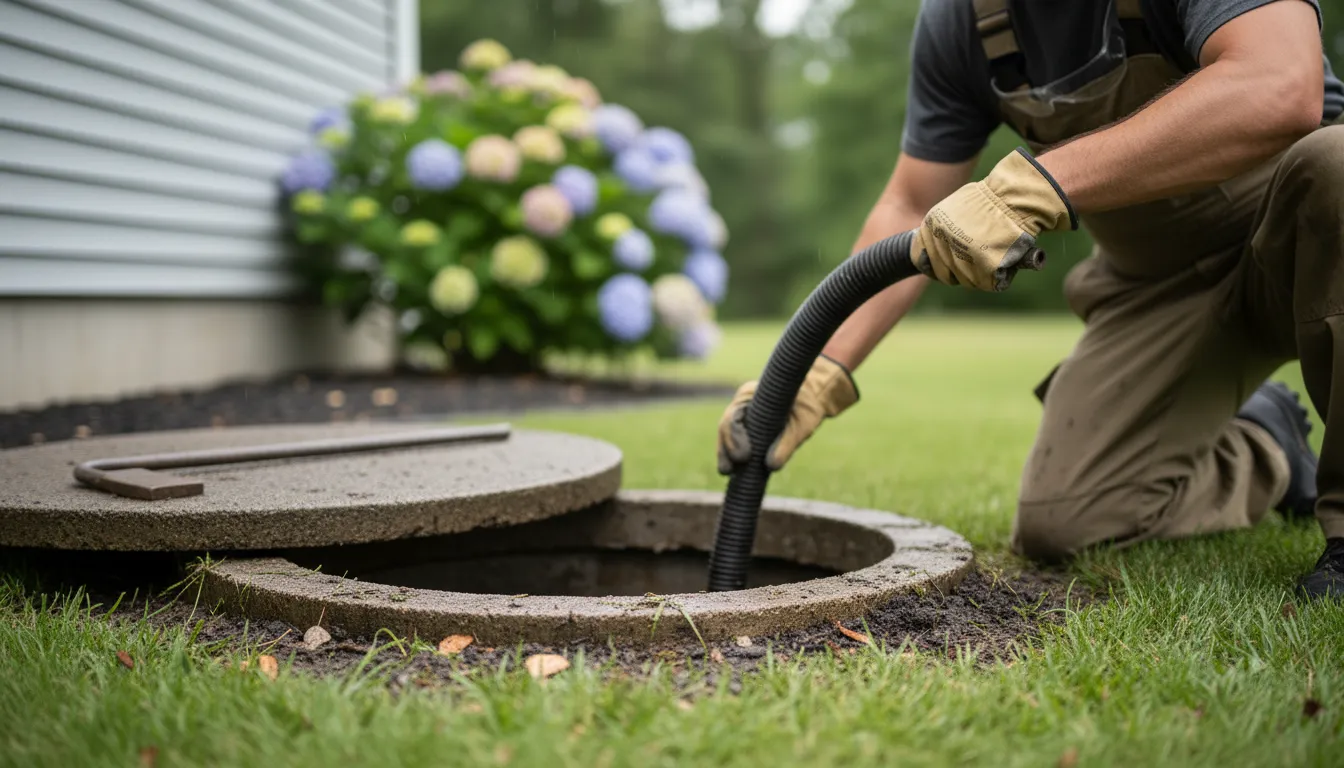
Find the Best Septic Tank Pumping Contractors for Your Business
No obligation • Fast responses • Nationwide coverage

Why you can trust Septic Spot
Septic Spot is a leading United States resource for understanding and comparing septic services. Our editors review providers using consistent criteria and verify key business details. Listings and scores are independent, and companies cannot pay to influence our content.
Search providers near you
Top Septic Tank Pumping Contractors in Council Bluffs, Iowa Ranked
Maintaining a healthy septic system is a critical responsibility for homeowners in Council Bluffs and across Pottawattamie County. Regular septic tank pumping is the cornerstone of this maintenance, preventing system failures, protecting your property value, and safeguarding local groundwater. This guide explains the essential regulations, recommended schedules, and best practices for septic system maintenance specific to our area, helping you connect with qualified, licensed professionals for this vital service.
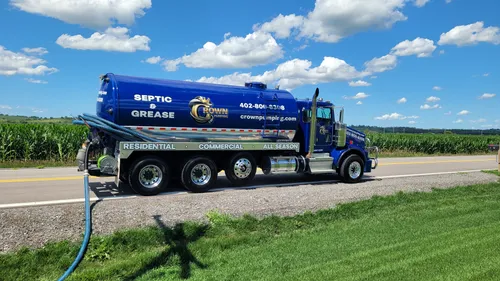
Crown Pumping
Omaha, NE
Crown Pumping is a septic tank pumping company based in Omaha, NE. They provide septic tank pumping and grease trap cleaning services to residential and commercial customers in Omaha, Iowa, and nearby communities. Their services focus on maintaining septic and plumbing systems to prevent costly issues and ensure smooth operation.

Norm's Pumping Service Inc
20418 Husker Ln, Council Bluffs, IA 51503
Norm's Pumping Service Inc provides septic system services including pumping, inspections, repairs, and installations in Omaha, NE. With over 70 years of experience since 1954, they serve both residential and commercial clients. Their capabilities include septic pump repairs and certified septic tank inspections, as well as grease trap maintenance to prevent sewer line clogs. Norm's offers emergency and routine septic pumping to help maintain system performance.
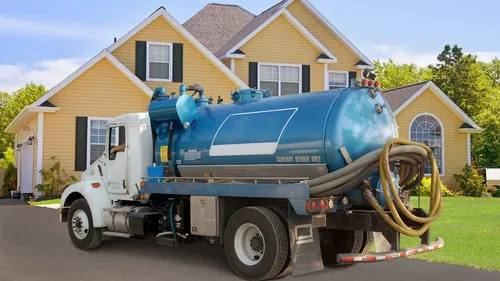
Midland Pumping Service
Omaha, NE
Midland Pumping Service is a septic tank pumping and inspection company based in Omaha, NE. With over 25 years of experience, they provide a variety of services including grease trap maintenance, septic tank inspections, pumping for residential and commercial properties, and hydro jetting to clear clogs and blockages. The company serves multiple areas in Douglas and Sarpy counties as well as Pottawattamie County, Iowa. Midland Pumping Service also offers 24/7 emergency services to address urgent septic and pumping needs.
Sewer Specialist LLC
Omaha, NE
Sewer Specialist LLC is a veteran-owned company providing septic tank pumping, inspection, and sewer services in Omaha, NE, and the surrounding areas including Council Bluffs and nearby towns. They offer a range of services such as drain cleaning, pipe lining, sewer line repair, and water line replacement. Their team uses advanced technology to diagnose and fix sewer and septic issues efficiently. The company is licensed and insured, offers 24/7 emergency service, and provides military and veteran discounts.
Understanding Septic System Regulations in Iowa
Septic systems in Council Bluffs are regulated by both state and local authorities to protect public health and the environment. The Iowa Department of Natural Resources (DNR) sets the overarching standards for private sewage disposal, while the Pottawattamie County Public Health Department enforces local rules and handles permitting 1.
A key state law is the "Time of Transfer" (ToT) inspection requirement. Before any property with a septic system can be sold or have its deed transferred, it must undergo a certified inspection 2. This inspection is generally valid for two years, but sellers are strongly advised-and sometimes locally required-to show proof that the tank was pumped within the three years prior to the sale 3 4 5. This underscores how integral routine septic tank cleaning is to the real estate process in Iowa.
How Often Should You Pump Your Septic Tank?
There is no one-size-fits-all answer, but a general rule is to schedule septic system pumping every 3 to 5 years 6. The exact frequency depends heavily on your household size and daily water usage. Here's a helpful guideline based on the number of people in your home:
Systems with additional components, like pumps, floats, or sand filters, require more attention. These alternative systems should be inspected by a professional at least once a year, even if pumping isn't needed. Furthermore, if your tank is equipped with an effluent filter (which prevents solids from entering the drain field), this filter should be cleaned during an annual inspection.
The Importance of Hiring a Licensed Professional
In Iowa, it is illegal for anyone other than a licensed commercial septic tank cleaner authorized by the DNR to pump your tank 9. Hiring a licensed professional ensures the job is done correctly, safely, and in compliance with state law. These contractors are trained to properly handle and dispose of septage (the waste pumped from the tank) at approved facilities, preventing environmental contamination.
A professional septic service will do more than just remove waste. They can perform a basic inspection, check for leaks or baffle damage, and advise you on the overall health of your system. Always ask for and keep a detailed record of the service, including the date, the volume of septage removed, and the contractor's name and license number.
Cost of Septic Maintenance vs. System Failure
Investing in routine maintenance is one of the most cost-effective decisions a homeowner can make. For a standard septic tank pumping service in the Council Bluffs area, homeowners can generally expect to pay around $500, though this can vary based on tank size, accessibility, and the service provider 10.
Find the perfect septic tank pumping contractors for your needs
Get personalized recommendations and expert advice
Contrast this with the cost of repairing or replacing a failed system. When a drain field becomes clogged with solids due to lack of pumping, or a tank structurally fails, the repair bills can be substantial. Complete system replacements in Iowa often range from $7,000 to $10,000 or more 11 12. If a Time of Transfer inspection reveals the need for a new system or major repair, homeowners must also factor in a permit fee, which is typically around $400 13. Regular pumping is a small price to pay to avoid these significant expenses.
Best Practices for Septic System Care
Pumping is essential, but what you do between services greatly impacts your system's longevity.
- Conserve Water: Spread out laundry loads and fix leaky faucets to avoid overloading the drain field.
- Mind What You Flush: Only human waste and toilet paper should go down the drain. Never flush baby wipes (even "flushable" ones), feminine hygiene products, dental floss, cigarette butts, or coffee grounds 14.
- Use Additives with Caution: Avoid chemical septic tank additives. The Iowa DNR and other experts note that these products do not eliminate the need for pumping and can actually harm the bacterial balance in your tank and contaminate groundwater 15.
- Protect Your Drain Field: Never park vehicles or build structures over the drain field. Keep roof drains, sump pumps, and other surface water away from the area.
- Ensure Easy Access: Install manway risers to bring the tank's access ports to the ground surface. This makes future septic tank cleaning and inspections much easier, safer, and less costly, as it prevents landscapers from having to dig up your yard each time 16.
Signs Your Septic Tank Needs Attention
Don't wait for a complete failure. Be alert for these warning signs that your tank may need to be pumped or that there is another problem:
- Slow drains or gurgling pipes throughout the house.
- Sewage odors in your yard or home.
- Water pooling or overly lush, green grass over the drain field.
- Sewage backing up into household drains.
If you notice any of these issues, contact a licensed septic service provider in Council Bluffs immediately for an inspection.
Frequently asked questions
Sources
Footnotes
-
Private Sewage Disposal and Septage - Iowa DNR - https://www.iowadnr.gov/environmental-protection/water-quality/private-sewage-disposal-and-septage ↩
-
IAC Chapter 567-68 - Iowa Administrative Code - https://www.legis.iowa.gov/docs/iac/chapter/567.68.pdf ↩
-
Wastewater and Disposal Systems Code - https://dmcountyboardofhealth.iowa.gov/files/county_ordinances/37_wastewater_systems_and_disposal_systems_978.pdf ↩
-
Frequently Asked Questions about Septic System Inspections - https://mononacountyiowa.gov/files/environmental_health_zoning/septic_system_inspections_faqs_idnr_17810.pdf ↩
-
Time of Transfer Information (PDF) - Muscatine County, Iowa - https://www.muscatinecountyiowa.gov/DocumentCenter/View/1334/Time-of-Transfer-Information-PDF ↩
-
How to Care for Your Septic System | US EPA - https://www.epa.gov/septic/how-care-your-septic-system ↩
-
Iowa Septic Tank Requirements | Private Sewage Disposal ... - https://www.ntotank.com/blog/iowa-septic-tank-requirements ↩
-
Septic Tank Pumping Frequency - https://advancedsepticservicesfl.com/septic-tank-pumping-frequency/ ↩
-
Septic Systems - Pottawattamie County Public Health - https://www.pottcounty-ia.gov/public_health/septic_systems/ ↩
-
Iowa Septic Tank Requirements | Private Sewage Disposal ... - https://www.ntotank.com/blog/iowa-septic-tank-requirements ↩
-
Septic System Maintenance Costs: Quad Cities | John Wulf - https://jwseptic.com/scott-county-walcott-iowa-report/ ↩
-
How Often to Pump Your Septic Tank - https://www.splashplumbing.com/how-often-should-septic-tank-be-pumped-for-optimal-maintenance-and-longevity/ ↩
-
Septic Tank Inspections | Council Bluffs, IA - Sewer - https://www.sewerspecialistllc.com/septic-tank-pumping ↩
-
GENERAL SEPTIC SYSTEM GUIDELINES - Butler County Iowa - https://butlercounty.iowa.gov/images/docs/departments/environmental-health/septic/GENERAL_SEPTIC_SYSTEM_GUIDELINES.pdf ↩
-
Septic Tank Cleaning | Department of Natural Resources - https://www.iowadnr.gov/environmental-protection/water-quality/private-sewage-disposal-and-septage/septic-tank-cleaning ↩
-
Iowa Septic Tank Requirements | Private Sewage Disposal ... - https://www.ntotank.com/blog/iowa-septic-tank-requirements ↩