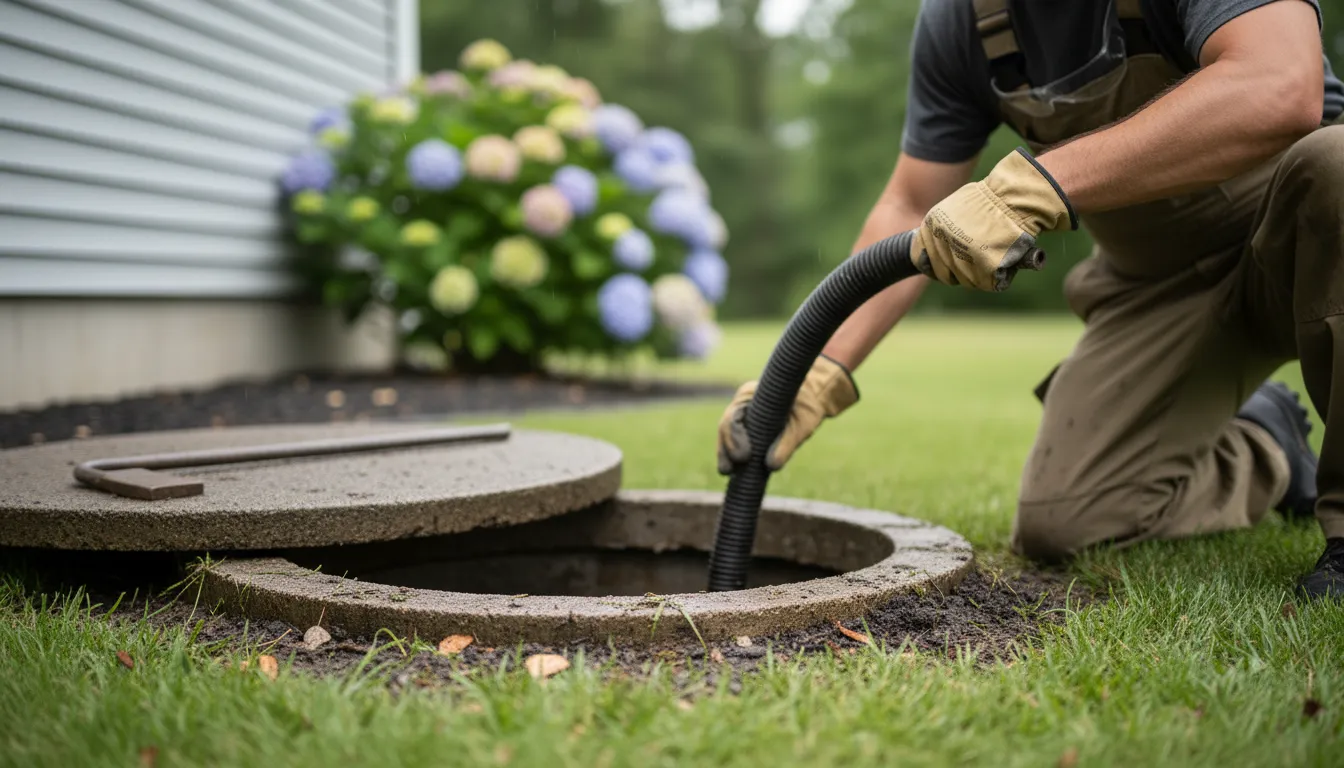
Find the Best Septic Tank Pumping Contractors for Your Business
No obligation • Fast responses • Nationwide coverage

Why you can trust Septic Spot
Septic Spot is a leading United States resource for understanding and comparing septic services. Our editors review providers using consistent criteria and verify key business details. Listings and scores are independent, and companies cannot pay to influence our content.
Search providers near you
Best Septic Tank Pumping Contractors in Kansas Ranked
Regular septic tank pumping is an essential part of homeownership for many Kansans. This maintenance service removes accumulated solids from your tank, preventing system failure, costly repairs, and environmental contamination. Understanding the recommended schedule, local regulations, and what to expect from a service can help you protect your property and comply with Kansas health codes. This guide provides the information you need to find qualified local professionals for this critical task.
Reddi Root'r Plumbing, Sewer & Drain
Wichita, KS
Reddi Root'r Plumbing, Sewer & Drain is a locally owned plumbing and septic tank pumping company serving Wichita, KS. With over 60 years of experience, they provide comprehensive residential and commercial plumbing services including drain cleaning, rooter service, trenchless pipe repair, water heater installation, and septic tank pumping. They use trenchless technology to repair underground pipes without damaging yards or driveways. Reddi Root'r offers 24/7 emergency service for plumbing and drain issues.
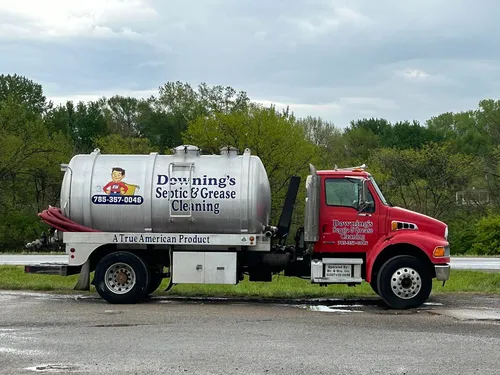
Downing Septic Tank Cleaning
2611 SW 17th St #105, Topeka, KS 66604
Downing Septic Tank Cleaning is a licensed and insured company serving Topeka, KS, and the surrounding northeast Kansas area, including Kansas City and Lawrence. With over 20 years of experience, they provide septic tank installation, pumping, and cleaning services for residential, commercial, and industrial clients. Their expertise includes inspection and repair of lateral fields, grease trap installation and cleaning, and holding tank pumping. The company offers 24/7 service, ensuring support for clients any day of the year.
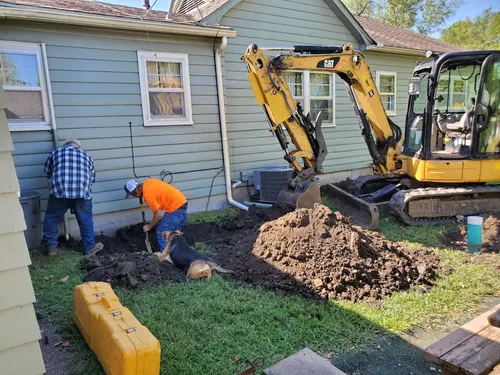
Hare Excavating Inc.
Topeka, KS
Hare Excavating Inc. is a septic tank and excavating contractor based in Topeka, KS. The company serves Shawnee and surrounding counties, providing septic tank pumping, inspection, repair, and installation services. With over 27 years in business, Hare Excavating Inc. offers expertise in sewage system maintenance and related excavation work, including basement waterlines.
Clutter-Case
1303 West 53rd St N, Wichita, KS 67204
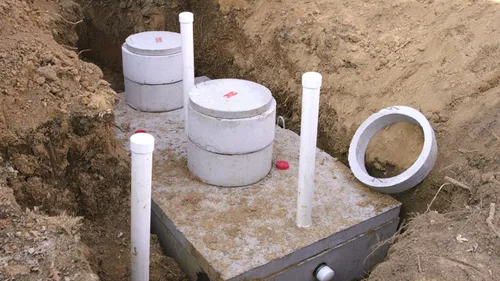
Clutter-Case is a family-owned septic tank company serving Wichita, KS. With 45 years of experience, they provide septic tank pumping, inspections, and installation services. The company also manufactures custom septic tanks and offers comprehensive system cleaning and maintenance to help keep septic systems functioning properly. Their owner has been in the business since 1970, bringing decades of expertise to their services.
Rooter-Man Plumbing, Water Cleanup, Septic Pumping, Septic Cleaning & Drain Cleaning
4015 SW 21st St Suite 310, Topeka, KS 66604
Rooter-Man Plumbing, Water Cleanup, Septic Pumping, Septic Cleaning & Drain Cleaning provides septic tank pumping and plumbing services in Topeka, KS. With over 50 years of experience, they offer a wide range of services including drain cleaning, sewer line repair, and septic maintenance. The company uses advanced techniques such as power drain snakes and high-pressure water jets to clear main drain lines and offers video inspections to identify pipe issues efficiently. Rooter-Man serves multiple locations across Kansas and provides emergency services, including weekends and holidays.
Why Regular Pumping is Essential in Kansas
A septic system is a private wastewater treatment plant for homes not connected to a municipal sewer. The tank separates solids from liquids; solids settle as sludge and scum. Over time, this layer builds up and must be physically removed via pumping. Neglecting this leads to solids flowing into the drain field, clogging the soil and causing system backups or surface failures.
In Kansas, where many rural and suburban homes rely on these on-site systems, proper maintenance is a homeowner's legal responsibility. A failed system can contaminate groundwater, create public health hazards, and result in expensive remediation orders from county health departments 1. Regular pumping is the most cost-effective way to avoid these problems and ensure your system lasts for decades.
Recommended Pumping Frequency for Kansas Homes
There is no one-size-fits-all schedule, as frequency depends on your household's specific characteristics. However, Kansas authorities and industry experts provide clear guidelines.
- General Rule: For a conventional septic tank, plan to pump every 3 to 5 years.
- High-Usage Households: If your home has 4 or more residents, uses a garbage disposal frequently, or has high overall water usage (e.g., frequent laundry, long showers), you should consider pumping every 1 to 2 years. Smaller tanks also require more frequent service.
- Property Transfer: Many Kansas counties require a certified septic system inspection, which includes checking sludge levels, when a property is sold or transferred.
The only way to know for sure is to have your tank inspected. A professional can measure the sludge and scum layers during a routine check and recommend a pumping schedule tailored to your system.
Signs Your Kansas Septic Tank Needs Pumping
Don't wait for a disaster. Be proactive and watch for these warning signs that your tank is reaching capacity:
- Slow Drains: Sinks, showers, and toilets that drain slowly, especially if multiple fixtures are affected.
- Sewage Odors: Unpleasant smells emanating from drains or in the yard near the tank or drain field.
- Gurgling Sounds: Strange noises coming from your plumbing.
- Wet Spots or Lush Grass: Soggy ground or unusually green, fast-growing grass over the drain field area, indicating effluent is surfacing.
- Sewage Backup: The most severe sign, where wastewater backs up into household drains.
If you notice any of these issues, contact a professional for an inspection immediately to prevent further damage 2.
Understanding Costs for Septic Pumping in Kansas
The cost of septic tank pumping in Kansas varies based on tank size, accessibility, and location. Having a clear idea of expected costs helps in budgeting and comparing service quotes.
- Average Pumping Cost: In the Kansas City metro and surrounding areas, homeowners can expect to pay between $275 and $611 for a standard pumping service, with an average cost around $445 3.
- What Influences Price: Tank size (e.g., 1,000-gallon vs. 1,500-gallon) is the primary factor. Additional costs may apply if the tank lids are buried and need to be located and dug up, or if the service is in a remote location.
- Cost of Neglect: Forgoing regular pumping is a false economy. Repairing a failed drain field or replacing a compromised tank can cost anywhere from $3,000 to $15,000 or more, far exceeding a lifetime of routine pumping fees 4.
Find the perfect septic tank pumping contractors for your needs
Get personalized recommendations and expert advice
Kansas Regulations and Homeowner Responsibilities
Septic system regulations in Kansas are primarily enforced at the county level, often through the local health department. While rules vary, several statewide principles apply.
- Tank Sizing: Kansas typically requires a minimum 1,000-gallon septic tank for a three-bedroom home. Required tank size is often calculated to be double the estimated daily wastewater flow 5.
- Homeowner Duties: As a system owner, you are responsible for:
- Scheduling regular inspections and pumping.
- Ensuring the tank is watertight and structurally sound.
- Protecting the drain field from compaction (no driving or building over it).
- Cleaning the effluent filter (if your system has one) during pumping 6.
- Prohibited Items: Never flush grease, oils, chemicals, paints, non-biodegradable wipes, or feminine hygiene products. These materials clog the system and disrupt the bacterial balance needed for waste breakdown 7.
What to Expect During a Professional Pumping Service
A reputable septic service provider will do more than just pump out the tank. A thorough job includes several key steps:
- Locating & Uncovering: The technician will locate the tank manholes and excavate if they are buried.
- Inspecting: Before pumping, they should inspect the inlet and outlet baffles or tees (which keep solids in the tank) for damage. They will also check for cracks, root intrusion, and the overall condition of the tank.
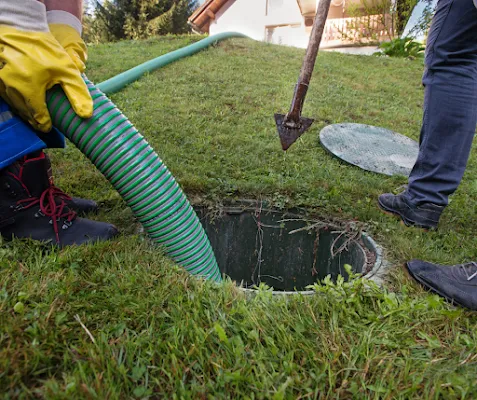
- Pumping: Using a large vacuum truck, all contents (sludge, scum, and liquid) are removed from the tank.
- Final Check & Advice: After pumping, the tank may be rinsed, and the technician should provide a report on the tank's condition, note any concerns, and recommend a date for your next service 8.
Proactive Maintenance Tips for Kansas Homeowners
Extend the life of your system and make future service easier with these smart practices:
- Install Riser Lids: Consider having risers installed. These are plastic or concrete tubes that bring the tank's access manholes up to within 12 inches of the ground surface. This makes future locating, inspection, and pumping much easier and cheaper 9.
- Keep Detailed Records: Maintain a file with all inspection reports, pumping receipts, repair records, and a diagram of your system's location. This is invaluable for troubleshooting, future service, and property transfers 10.
- Conserve Water: Spread out water use. Fix leaking faucets and toilets promptly, and use high-efficiency appliances to reduce the daily load on your system.
- Ask for a Callback List: Many companies offer to place you on a reminder list to contact you when your estimated next pumping date is approaching 11.
Finding a Qualified Service Provider in Kansas
When selecting a company for septic tank pumping or inspection, ensure they are licensed and insured. Look for providers with good local reputations who are familiar with your county's specific regulations. Ask for references, get detailed written estimates, and confirm what their service includes-specifically, whether a basic inspection of tank components is part of the pumping fee.
Frequently asked questions
Sources
Footnotes
-
Septic Tank Maintenance - Kansas Department of Health and Environment - https://www.kdhe.ks.gov/DocumentCenter/View/8952/Septic-Tank-Maintenance-Updated-PDF ↩
-
How Often to Pump Your Septic Tank? 2025 Guide & Tips - https://www.splashplumbing.com/how-often-to-pump-septic-tank-for-a-family-of-4-essential-maintenance-guidelines/ ↩
-
Septic Tank Pumping Frequency: Crucial Maintenance Guide - https://septic911.com/septic-tank-pumping-frequency/ ↩
-
How Much Does It Cost to Pump a Septic Tank in Kansas City, MO? - https://www.angi.com/articles/how-much-does-septic-tank-pumping-cost/mo/kansas-city ↩
-
Kansas Septic Tank Requirements | Guide to Installation and ... - https://www.ntotank.com/blog/kansas-septic-tank-requirements ↩
-
Septic Systems | Johnson County Kansas - https://www.jocogov.org/department/environment/septic-systems ↩
-
Smart Solutions for Optimizing Septic Tank Pumping Frequency - https://smartsepticpros.com/blog/septic-tank-pumping-frequency/ ↩
-
How Often Should You Pump Your Septic Tank? A Guide for Homeowners - https://downingseptic.com/how-often-should-you-pump-your-septic-tank-a-guide-for-homeowners/ ↩
-
Permitting & Inspection of On-Site Wastewater Disposal Systems - City of Wichita - https://www.wichita.gov/521/Septic-Systems---Permitting-Inspection-o ↩
-
Caring For Your Septic System | De Soto, KS - https://www.desotoks.us/266/Caring-For-Your-Septic-System ↩
-
Septic Tank Maintenance: A Key to Longer Septic System Life - Kansas State University - https://bookstore.ksre.ksu.edu/pubs/septic-tank-maintenance-a-key-to-longer-septic-system-life_MF947.pdf ↩