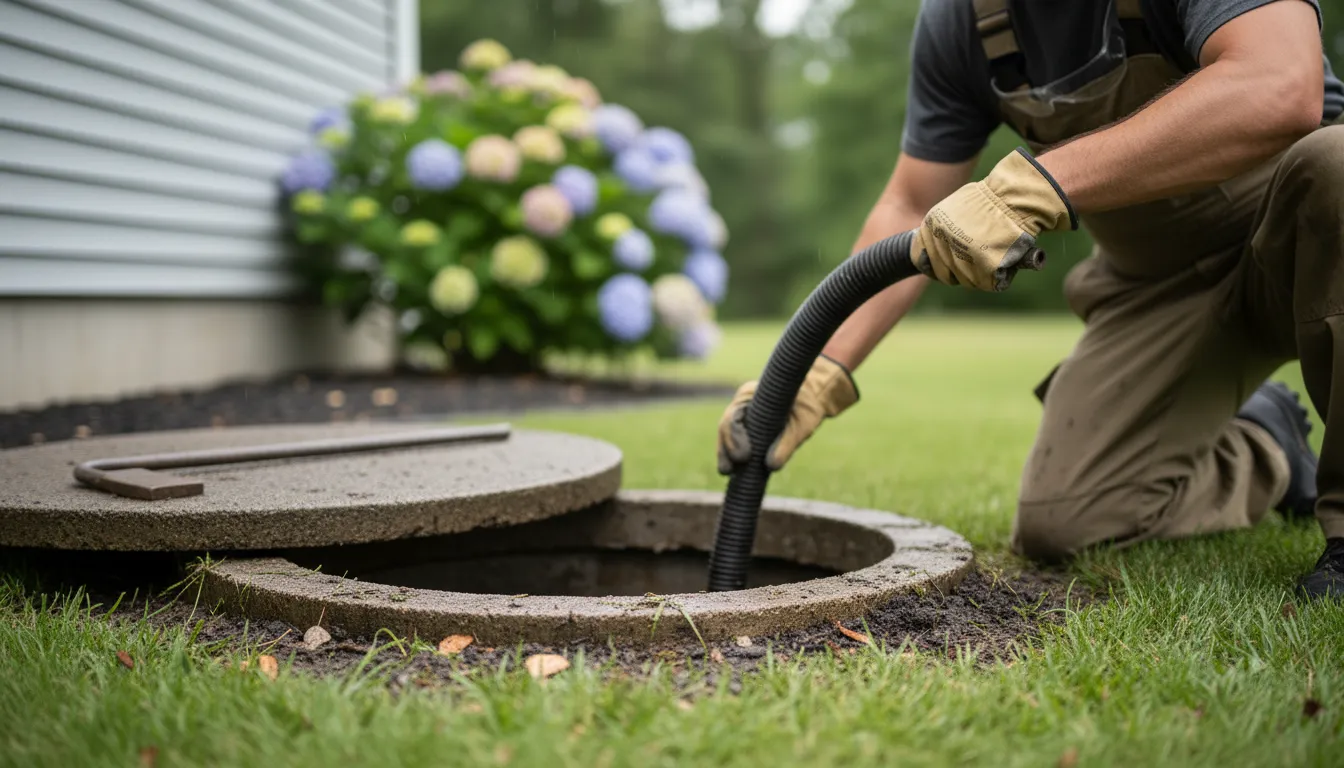
Find the Best Septic Tank Pumping Contractors for Your Business
No obligation • Fast responses • Nationwide coverage

Why you can trust Septic Spot
Septic Spot is a leading United States resource for understanding and comparing septic services. Our editors review providers using consistent criteria and verify key business details. Listings and scores are independent, and companies cannot pay to influence our content.
Search providers near you
Best Septic Tank Pumping Contractors in Kentucky Ranked
Maintaining your septic system is a crucial responsibility for Kentucky homeowners. Regular septic tank pumping removes accumulated solids, preventing system failure, environmental contamination, and costly repairs. This guide provides clear, practical information on Kentucky's regulations, recommended maintenance schedules, costs, and how to find qualified local professionals for this essential service.

Shelby Septic Service
24 Main St, Shelbyville, KY 40065
Shelby Septic Service is a family-owned company based near Louisville, KY, providing comprehensive septic system services including pumping, inspections, filter cleaning, riser and lid access, and filter installation. They serve residential and commercial customers across Anderson, Franklin, Henry, Jefferson, Oldham, Shelby, and Spencer Counties. The company is experienced in septic tank cleaning, maintenance, and problem-solving, with capabilities such as backflushing to remove solids buildup. Shelby Septic Service is recognized for their knowledgeable technicians and thorough inspections, offering detailed reports to assist with property purchases and maintenance decisions.
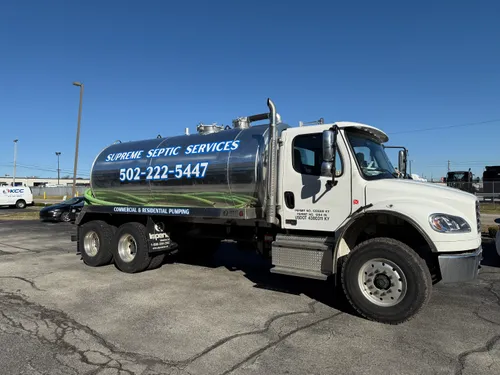
Supreme Septic Services (formerly known as Garrett's Septic Service)
Louisville, KY
Supreme Septic Services (formerly known as Garrett's Septic Service) is a locally owned company based in Louisville, KY, offering a range of septic and grease system services. They provide septic pumping, grease trap cleaning, system repairs, inspections, and installations for residential, commercial, and restaurant clients. Their team uses modern equipment to ensure efficient service and compliance with local standards. Supreme Septic Services focuses on proper system design and maintenance to extend system life and prevent backups.
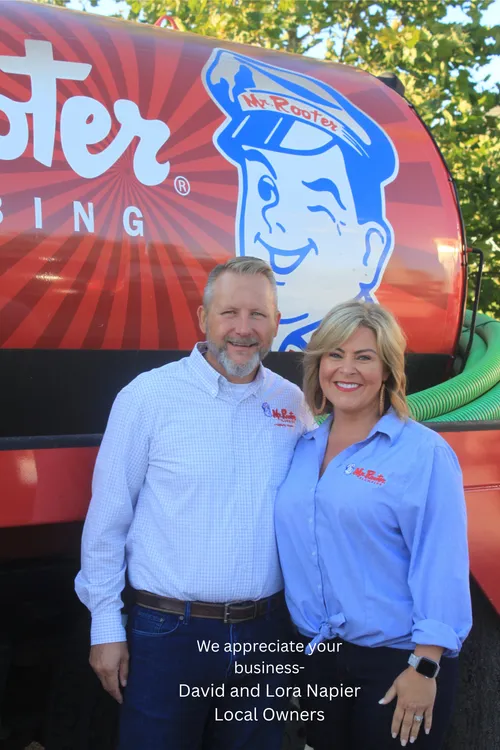
Mr Rooter Plumbing of Lexington KY
1099 S Broadway Ste 120, Lexington, KY 40504
Mr Rooter Plumbing of Lexington KY offers septic tank pumping and a wide range of plumbing services in Louisville, KY, and the surrounding Bluegrass region. Their licensed plumbers provide drain cleaning, sewer line repair, hydro jetting, video camera inspection, and emergency plumbing services. The company follows local plumbing codes and handles all necessary permits. They operate with upfront flat-rate pricing and back their work with the Neighborly Done Right Promise®. Emergency plumbing services are available 24/7 without overtime charges.

United Plumbing
Louisville, KY
United Plumbing is a septic tank pumping and inspection company serving Louisville, KY, and the surrounding areas. Established in 1984, the company offers a range of plumbing services including septic system maintenance and repairs. They combine local expertise with national brand support to provide reliable solutions for home plumbing needs. United Plumbing operates 24 hours a day, ensuring availability for urgent and routine service calls. Their team is licensed and certified, delivering professional care backed by the Service Experts Guarantee.

Hartman Septic
24 Old 7 Mile Pike, Shelbyville, KY 40065
Hartman Septic provides full-service septic solutions in Louisville, KY, and surrounding areas including Shelby County and Pewee Valley. The company offers residential and commercial septic tank pumping, inspection, repair, installation, and drain field repair or replacement. Hartman Septic is led by Kentucky's first Master Septic Installer, bringing expert knowledge to each project. They are experienced in managing complex septic system issues and work closely with local health authorities to ensure compliance and approved repairs. The company is known for handling excavation and septic challenges efficiently and professionally.
Understanding Your Septic System in Kentucky
A septic system is an on-site wastewater treatment system common in rural and suburban areas not served by municipal sewer lines. In Kentucky, these systems are regulated as Onsite Sewage Disposal Systems (OSDS). Your system typically consists of a septic tank, where solids settle and begin to decompose, and a drain field (or leach field), where the treated liquid effluent is dispersed into the soil for final purification. Proper maintenance, centered on timely pumping, is the key to a long-lasting and trouble-free system.
Kentucky Regulations and Homeowner Responsibilities
In Kentucky, the Cabinet for Health and Family Services (CHFS) and your local health department are the primary regulatory bodies for septic systems. State regulations (902 KAR 10:085) establish the standards for installation, inspection, and maintenance.
Key responsibilities for Kentucky homeowners include:
- System Maintenance: The property owner is solely responsible for the proper operation, maintenance, and pumping of their septic system 1. This includes ensuring the tank lid is accessible for service.
- Professional Installation: New systems must generally be installed by a certified Kentucky onsite septic installer. Homeowners may apply for a permit to install their own system, but this is subject to approval and requires demonstrating competency 2.
- Inspections: State regulations require systems to be inspected, particularly during property transfers or major renovations 3. Many local health departments mandate an inspection as part of a property sale.
How Often Should You Pump Your Septic Tank in Kentucky?
The standard recommendation for Kentucky is to pump your septic tank every 3 to 5 years. However, this is a general guideline. The exact frequency for your home depends on several factors:
- Household Size: More people generate more wastewater and solids.
- Total Water Usage: High water use from laundry, long showers, or leaking fixtures fills the tank faster.
- Tank Capacity: Most residential tanks hold between 1,000 and 2,000 gallons. Smaller tanks fill more quickly.
- Solid Accumulation: The definitive measure for needing a pump-out is the sludge and scum level inside the tank. A common rule is to pump when the sludge layer is within 12 inches of the outlet baffle or the scum layer is within 6 inches.
An annual inspection by a professional is highly recommended, especially for systems with pumps, alarms, or other mechanical components, to assess these levels and overall system health 4 5.
What Does Septic Tank Pumping Cost in Kentucky?
The cost for professional septic tank pumping in Kentucky typically ranges from $250 to $500 6. The final price can vary based on:
- Tank Size: Larger tanks cost more to pump.
- Tank Accessibility: Difficult access (e.g., overgrown area, deep burial) may increase the price.
- Location: Service calls in remote areas might have travel fees.
- Additional Services: A basic pumping service may not include an inspection. A comprehensive inspection, which is advisable, can cost an additional $200 to $600 7.
Always get a detailed estimate before work begins.
Find the perfect septic tank pumping contractors for your needs
Get personalized recommendations and expert advice
The Importance of Regular Inspections
While pumping removes solids, a professional inspection identifies potential problems before they become emergencies. During an inspection, a certified provider will:
- Locate and uncover the tank access lids.
- Measure sludge and scum layers to determine if pumping is needed.
- Check inlet and outlet baffles for blockages or damage.
- Inspect the drain field for signs of surfacing effluent or soggy ground.
- Test mechanical components like pumps and alarms (if present). Scheduling an inspection, particularly if you are unsure of your tank's history, is a wise investment.
Best Practices for Septic System Care
Pumping is essential, but daily habits protect your system between service visits.
What to Avoid:
- Non-Flushables: Never flush wipes (even "flushable" ones), diapers, feminine hygiene products, dental floss, or cigarette butts. These cause clogs.
- Grease and Fats: Cooking oils and grease solidify in pipes and the tank, leading to blockages.
- Harsh Chemicals: Avoid pouring paint, varnish, pesticides, or large amounts of household cleaners (like bleach) down the drain. They can kill the beneficial bacteria needed to break down waste 8 9.
- Excessive Water: Space out laundry loads and fix leaky toilets or faucets to prevent hydraulically overloading the system.
What to Do:
- Conserve Water: Use high-efficiency fixtures and water-saving appliances.
- Divert Runoff: Ensure roof drains and yard drainage are directed away from the drain field.
- Landscape Carefully: Do not park vehicles or place heavy structures on the drain field. Plant only grass over it; tree roots can cause damage.
Signs Your Kentucky Septic System Needs Attention
Don't wait for a complete failure. Watch for these warning signs:
- Slow Drains: Sinks, showers, and toilets that drain slowly, especially if multiple fixtures are affected.
- Unpleasant Odors: Sewage smells inside your home or near the tank/drain field outdoors.
- Soggy Lawn: Unusually wet, spongy, or bright green grass over the drain field, even in dry weather.
- Sewage Backup: The most severe sign-wastewater backing up into household drains. If you notice any of these, contact a professional immediately to assess the situation.
Choosing a Qualified Service Provider in Kentucky
Selecting the right professional is critical. Look for a provider who:
- Holds Proper Certification: Is licensed and insured to perform septic work in Kentucky.
- Has Local Experience: Understands Kentucky soil types, regulations, and common system designs.
- Provides Clear Communication: Offers a detailed written estimate, explains what services are included, and answers your questions thoroughly.
- Follows Best Practices: Properly disposes of septage at a licensed treatment facility and leaves your site clean.
Frequently asked questions
Sources
Footnotes
-
Onsite Sewage Disposal Systems Program - https://www.chfs.ky.gov/agencies/dph/dphps/emb/Pages/environmentmgmt.aspx ↩
-
902 KAR 10:085. Kentucky on-site sewage disposal systems - https://apps.legislature.ky.gov/law/kar/titles/902/010/085/ ↩
-
Septic Systems - Northern Kentucky Health Department - https://nkyhealth.org/septic/ ↩
-
A Kentucky Homeowner's Guide - https://bggreensource.org/wp-content/uploads/2021/11/1-KentuckyHomeownerGuide7-06_Updated-12.13.2019.pdf ↩
-
When Should You Schedule Septic Pumping in Richmond, KY? - https://www.majordukes.com/when-should-you-schedule-septic-pumping-in-richmond-ky ↩
-
How Much Does It Cost to Pump Septic Tank: A Detailed Pricing Guide - https://www.benjaminfranklinplumbing.com/league-city/blog/2025/march/how-much-does-it-cost-to-pump-septic-tank-a-detailed-pricing-guide/ ↩
-
Understanding Septic System Cost: A Complete Guide - https://ky-pd.com/blog/septic-system-cost-breakdown/ ↩
-
Homeowner Septic System Operation and Maintenance Guide - https://woodcountyhealth.org/wp-content/uploads/2021/04/Operation-and-Maintenance-Guide_2021.pdf ↩
-
Repairing Septic Systems: A Detailed Manual - https://ky-pd.com/blog/fixing-septic-system/ ↩