Find the Best Septic Tank Pumping Contractors for Your Business
No obligation • Fast responses • Nationwide coverage

Why you can trust Septic Spot
Septic Spot is a leading United States resource for understanding and comparing septic services. Our editors review providers using consistent criteria and verify key business details. Listings and scores are independent, and companies cannot pay to influence our content.
Search providers near you
Top Septic Tank Pumping Contractors in Louisville, Kentucky Ranked
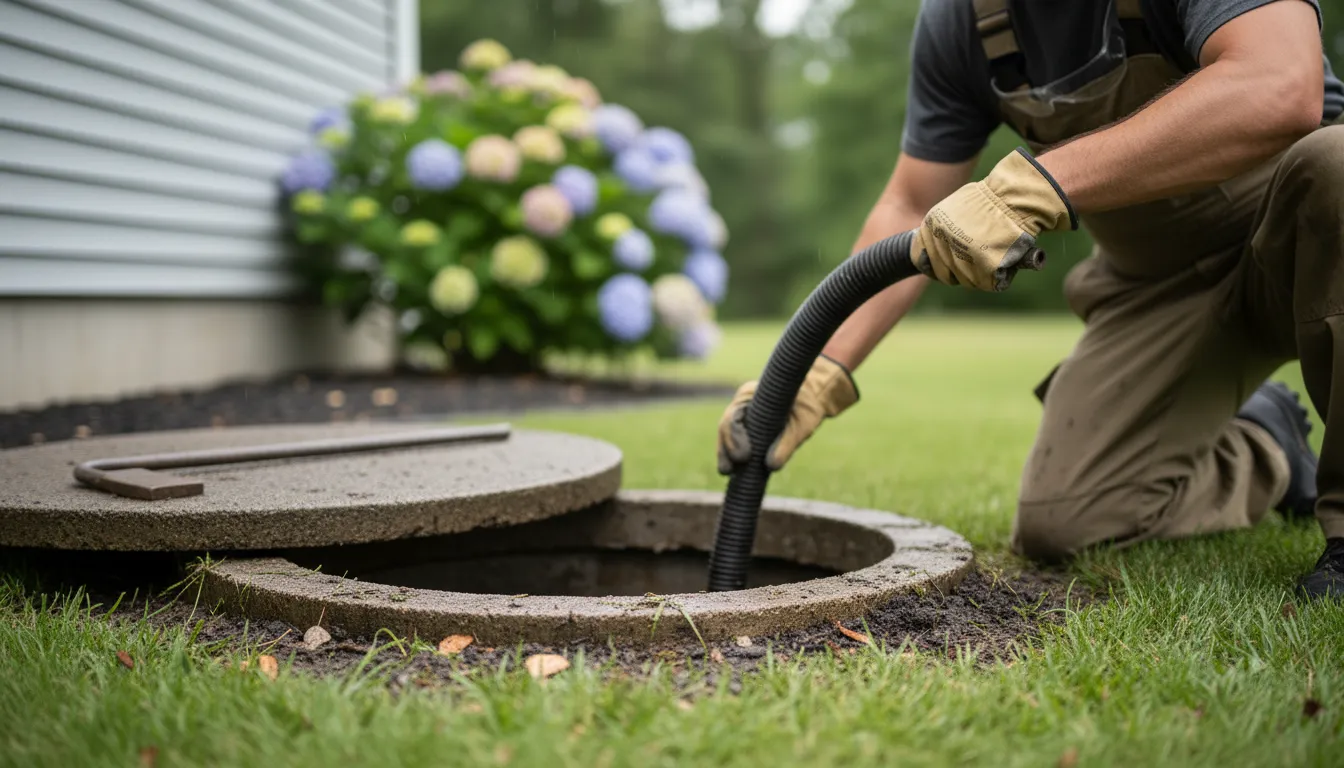
Maintaining your septic system is a crucial, yet often overlooked, responsibility of homeownership. Septic tank pumping is the essential service of removing accumulated solids from your tank to prevent system failure, environmental contamination, and costly repairs. For residents in Louisville, understanding local guidelines, costs, and reputable service providers is key to protecting your property and investment. This guide provides the information you need to schedule timely maintenance and find qualified professionals in the Louisville area.

Shelby Septic Service
24 Main St, Shelbyville, KY 40065
Shelby Septic Service is a family-owned company based near Louisville, KY, providing comprehensive septic system services including pumping, inspections, filter cleaning, riser and lid access, and filter installation. They serve residential and commercial customers across Anderson, Franklin, Henry, Jefferson, Oldham, Shelby, and Spencer Counties. The company is experienced in septic tank cleaning, maintenance, and problem-solving, with capabilities such as backflushing to remove solids buildup. Shelby Septic Service is recognized for their knowledgeable technicians and thorough inspections, offering detailed reports to assist with property purchases and maintenance decisions.
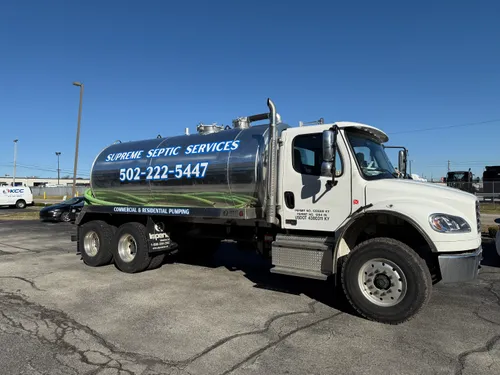
Supreme Septic Services (formerly known as Garrett's Septic Service)
Louisville, KY
Supreme Septic Services (formerly known as Garrett's Septic Service) is a locally owned company based in Louisville, KY, offering a range of septic and grease system services. They provide septic pumping, grease trap cleaning, system repairs, inspections, and installations for residential, commercial, and restaurant clients. Their team uses modern equipment to ensure efficient service and compliance with local standards. Supreme Septic Services focuses on proper system design and maintenance to extend system life and prevent backups.
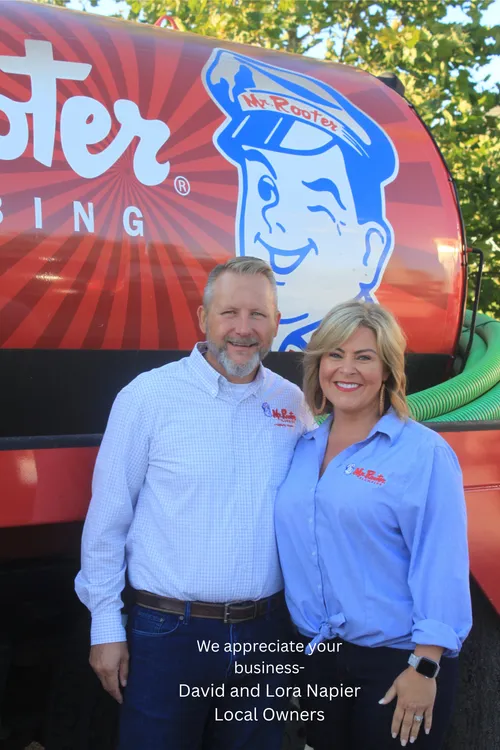
Mr Rooter Plumbing of Lexington KY
1099 S Broadway Ste 120, Lexington, KY 40504
Mr Rooter Plumbing of Lexington KY offers septic tank pumping and a wide range of plumbing services in Louisville, KY, and the surrounding Bluegrass region. Their licensed plumbers provide drain cleaning, sewer line repair, hydro jetting, video camera inspection, and emergency plumbing services. The company follows local plumbing codes and handles all necessary permits. They operate with upfront flat-rate pricing and back their work with the Neighborly Done Right Promise®. Emergency plumbing services are available 24/7 without overtime charges.

United Plumbing
Louisville, KY
United Plumbing is a septic tank pumping and inspection company serving Louisville, KY, and the surrounding areas. Established in 1984, the company offers a range of plumbing services including septic system maintenance and repairs. They combine local expertise with national brand support to provide reliable solutions for home plumbing needs. United Plumbing operates 24 hours a day, ensuring availability for urgent and routine service calls. Their team is licensed and certified, delivering professional care backed by the Service Experts Guarantee.
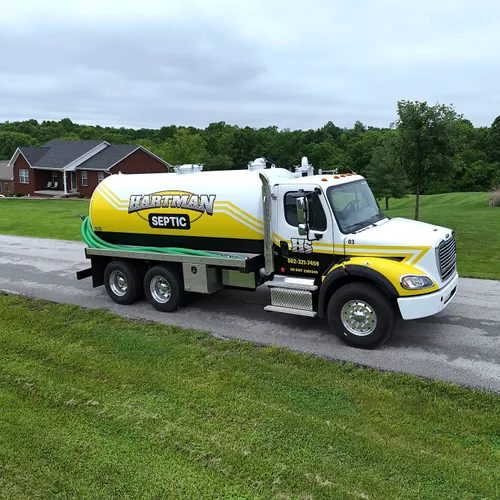
Hartman Septic
24 Old 7 Mile Pike, Shelbyville, KY 40065
Hartman Septic provides full-service septic solutions in Louisville, KY, and surrounding areas including Shelby County and Pewee Valley. The company offers residential and commercial septic tank pumping, inspection, repair, installation, and drain field repair or replacement. Hartman Septic is led by Kentucky's first Master Septic Installer, bringing expert knowledge to each project. They are experienced in managing complex septic system issues and work closely with local health authorities to ensure compliance and approved repairs. The company is known for handling excavation and septic challenges efficiently and professionally.
Why Regular Septic Pumping is Non-Negotiable
Your septic system is a mini wastewater treatment plant on your property. When everything works, it's out of sight and out of mind. However, neglecting routine septic tank cleaning can lead to disastrous consequences. Solids (sludge and scum) accumulate in the tank over time. If these layers are not pumped out, they can flow into the drain field, clogging the soil pores and causing sewage to back up into your home or bubble up in your yard. This is not only a health hazard but can also lead to a complete drain field failure, which is the most expensive part of the system to replace. Regular septic system maintenance, with pumping at its core, is the most cost-effective way to ensure decades of reliable service.
Recommended Pumping Frequency for Louisville Homes
How often should you schedule septic tank service? The general rule for Louisville, and most of Kentucky, is every 3 to 5 years. This is a standard baseline, but several factors can necessitate more frequent pumping:
- Household Size and Water Usage: A large family or a home with high water usage (frequent laundry, long showers, garbage disposals) will fill the tank faster.
- Tank Size: Smaller tanks require more frequent attention.
- Solids Accumulation: The definitive indicator is the level of solids in your tank. A professional inspection can measure this. Pumping is required when the sludge layer is within 12 inches of the outlet baffle or the scum layer is within 6 inches of the bottom of the outlet 1.
- Garbage Disposal Use: Using a garbage disposal significantly increases the amount of solids entering the tank, potentially shortening the pumping interval to every 2-3 years for high-use households 2.
Waiting for a problem to occur is the most expensive approach. Proactive scheduling based on these guidelines is always best.
What to Expect: The Cost of Septic Pumping in Kentucky
Budgeting for this essential home maintenance is straightforward. In Kentucky, the average cost for a standard residential septic tank pumping is approximately $355 3. Most homeowners can expect the price to fall within a typical range of $200 to $500 3 4.
The final price depends on a few key variables:
- Tank Size and Accessibility: Larger tanks (1,500+ gallons) cost more to pump than standard 1,000-gallon tanks. Easy access to the tank lid keeps costs down; if the provider has to dig to locate the manholes, labor costs will increase.
- Tank Condition: Extremely clogged tanks or those with hardened sludge may require additional time or techniques to clean thoroughly.
- Local Service Rates: Prices can vary slightly between different providers in the Louisville metro area.
When getting quotes, ensure they are all-inclusive, covering the pumping, proper waste disposal at a licensed facility, and a basic visual inspection of the tank's condition.
Find the perfect septic tank pumping contractors for your needs
Get personalized recommendations and expert advice
The Critical Role of Professional Inspections
While pumping removes the solids, an inspection tells you the health of the entire system. Think of it as a physical for your septic system. Although Kentucky does not have a statewide law mandating annual inspections for residential systems, they are strongly recommended by experts and health officials 5.
A thorough septic inspection should be conducted annually or at least during each pumping service. A qualified inspector will:
- Measure sludge and scum levels to determine pumping necessity.
- Check the tank's structural integrity for cracks, leaks, or corrosion.
- Inspect inlet and outlet baffles and tees for blockages or damage.
- Test mechanical components like pumps, floats, and alarm systems (if present).
- Look for signs of drain field failure, such as soggy ground or unpleasant odors.
Scheduling an inspection before buying a home with a septic system is especially critical in Kentucky 6. It can uncover hidden issues and save you from inheriting a massive repair bill.
Understanding Louisville Regulations and Permits
In Louisville, septic system oversight falls under Louisville Metro Public Health & Wellness (LMPHW). It's important to know when you need to involve them:
- New System Installation: All new septic system installations require a permit from LMPHW.
- Major Repairs or Alterations: Any significant repair, such as replacing a drain field or a damaged tank, requires a permit.
- System Additions: Connecting an additional bedroom or expanding the house typically requires a permit to ensure the existing system can handle the increased load.
For routine pumping and inspections, you generally do not need a permit. However, the service provider must be licensed to handle and transport septage. Always verify that your chosen professional is properly licensed. For specific, up-to-date permitting questions, contacting LMPHW directly is your best resource 7.
Key System Components and Requirements
Knowing the basics of your system helps you communicate effectively with service providers. In Kentucky, septic tanks are required to have certain features for safety and maintenance:
- Access Manholes: Tanks must have at least two manholes (one over the inlet and outlet baffles), typically 10 to 24 inches in diameter, to allow for proper inspection and pumping 8.
- Baffles or Tees: These are crucial internal components that prevent solids from exiting the tank and entering the drain field. Their condition is checked during an inspection.
- Drain Field: This is the final, underground area where treated liquid effluent is dispersed into the soil. Protecting it from compaction (no driving or building over it) and directing rainwater away from it is vital.
Choosing a Reliable Septic Service Provider in Louisville
Selecting the right company for your septic tank maintenance is important. Look for providers who:
- Are fully licensed and insured for work in Jefferson County.
- Offer both pumping and inspection services.
- Provide clear, detailed quotes and explain what their service includes.
- Have positive local reviews and a reputation for reliability.
- Can properly document the waste disposal at a licensed treatment facility.
Don't wait for an emergency. Establishing a relationship with a trusted local septic professional for regular maintenance is the smartest way to manage your system.
Frequently asked questions
Sources
Footnotes
-
Smart Solutions for Optimizing Septic Tank Pumping Frequency - https://smartsepticpros.com/blog/septic-tank-pumping-frequency/ ↩
-
Septic Tank Pumping Frequency: Crucial Maintenance Guide - https://septic911.com/septic-tank-pumping-frequency/ ↩
-
Septic Pumping Cost by State: 2024 Complete Price Guide - https://wastedoor.com/article/septic-pumping-cost-by-state ↩ ↩2
-
Residential Septic Tank Pricing | Homeowner's Guide to Costs - https://www.ntotank.com/blog/residential-septic-tank-pricing ↩
-
A Kentucky Homeowner's Guide - https://bggreensource.org/wp-content/uploads/2021/11/1-KentuckyHomeownerGuide7-06_Updated-12.13.2019.pdf ↩
-
Buying a Home with Septic? Inspection in Kentucky & Ohio - https://kentuckyinspectionservices.com/services/septic-inspection/ ↩
-
Onsite Septic System Program | LouisvilleKY.gov - https://louisvilleky.gov/government/health-wellness/onsite-septic-system-program ↩
-
Kentucky Septic Tank Requirements | Complete Overview Guide - https://www.ntotank.com/blog/kentucky-septic-tank-requirements ↩