Find the Best Septic Tank Pumping Contractors for Your Business
No obligation • Fast responses • Nationwide coverage

Why you can trust Septic Spot
Septic Spot is a leading United States resource for understanding and comparing septic services. Our editors review providers using consistent criteria and verify key business details. Listings and scores are independent, and companies cannot pay to influence our content.
Search providers near you
Top Septic Tank Pumping Contractors in Monroe, Louisiana Ranked
Maintaining your septic system is a critical responsibility for Louisiana homeowners. Proper septic tank pumping and regular inspections are essential to prevent system failures, protect local groundwater from contamination, and avoid costly repairs. This guide provides clear, practical information on Louisiana's regulations, recommended maintenance schedules, and what to expect from professional service. Use this resource to understand your system's needs and connect with qualified, licensed professionals in your area.
Understanding Louisiana's Septic System Regulations
In Louisiana, septic system maintenance is regulated by the Louisiana Department of Health to safeguard public health and the environment, particularly the state's vulnerable groundwater. The cornerstone of these regulations is the requirement that only licensed, registered sewage haulers perform pumping and major maintenance work. This ensures that waste is disposed of properly at approved facilities.
Homeowners are legally responsible for maintaining their onsite wastewater systems in perpetuity. This includes adhering to recommended inspection and pumping schedules, keeping detailed records, and ensuring the system is not damaged or misused. Local parish health departments often have additional guidelines, so it's wise to check with them for any specific local rules.
Recommended Pumping & Inspection Frequency
How often you need to pump your septic tank in Louisiana depends on several factors: the type of system, the size of your household, and your overall water usage. While state code provides a baseline, many professionals recommend more frequent service to ensure system longevity.
- Conventional Gravity Systems: The Louisiana Administrative Code recommends inspecting these common systems every 6 years and pumping at least every 8 years. However, based on household usage and to prevent backups, many local health guidelines and septic professionals suggest a more practical interval of every 3 to 5 years 1.
- Aerobic Treatment Units (ATUs) & Mechanical Systems: These advanced systems, which use mechanical components to treat wastewater, are common in areas with poor soil drainage. They require significantly more attention. Louisiana often mandates annual maintenance contracts for ATUs, which include regular inspections, servicing of mechanical parts, and more frequent pumping as needed.
- High-Usage Households: Families with more occupants, garbage disposals, or hot tubs will generate more wastewater and solid waste, filling the tank faster. In these cases, pumping every 2-4 years may be necessary.
- Abandoned Systems: If you are decommissioning an old septic tank, state law requires that it be pumped out by a licensed hauler and then either properly removed or filled with soil 2.
A professional inspection, which should accompany pumping, involves checking for leaks, measuring the scum and sludge layers, and assessing all components, including effluent filters and, for ATUs, pumps and aerators 3.
Find the perfect septic tank pumping contractors for your needs
Get personalized recommendations and expert advice
What to Expect: The Pumping Process & Costs
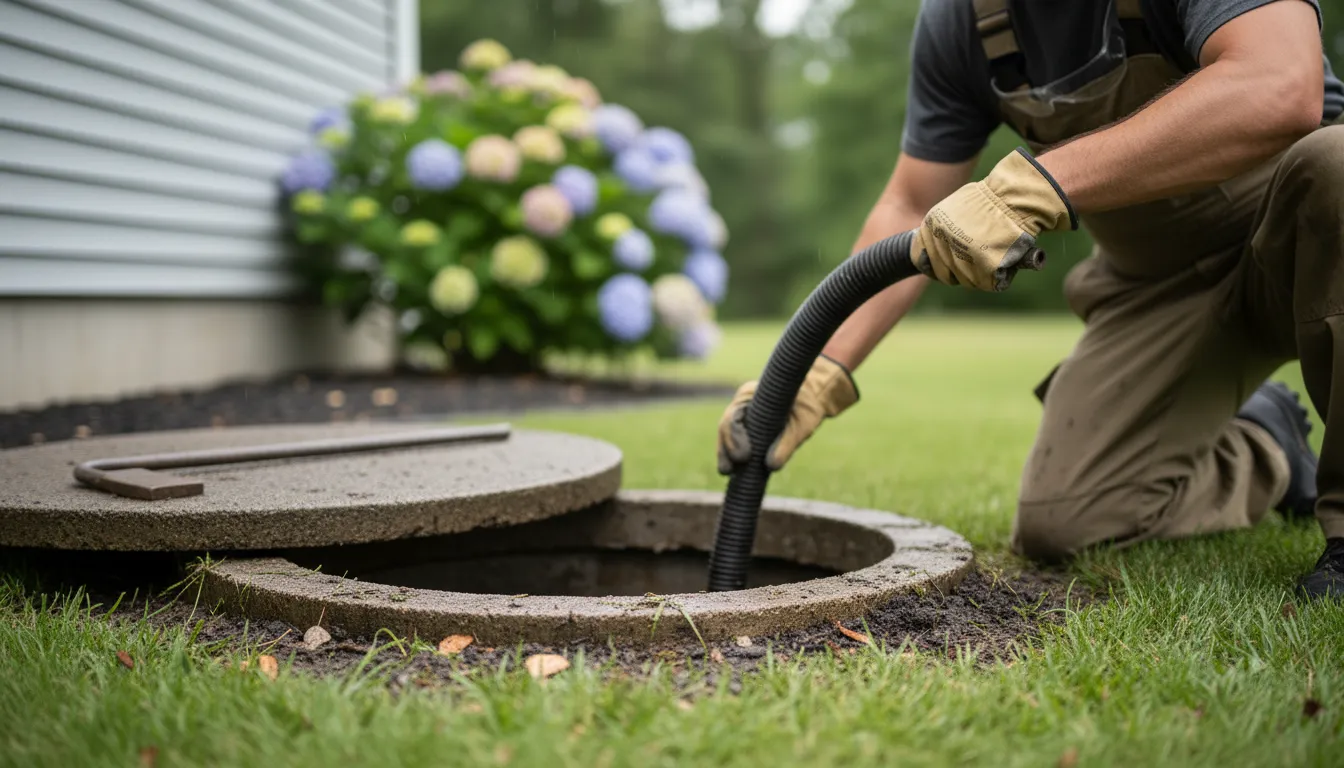
Understanding the service process can help you prepare and ensure you receive thorough work. A standard septic pumping service by a licensed professional typically includes locating and uncovering the tank access lids, inspecting the tank's interior and inlet/outlet baffles, pumping out all solids and liquids, and then conducting a basic inspection of the drain field for signs of failure.
In Louisiana, pumping costs are influenced by tank size, accessibility, and your location. Based on available industry data, you can expect the following general price ranges 4 5:
- Smaller Tanks (up to 1,000 gallons): $100 - $200
- Standard/Larger Tanks (1,500 - 2,000 gallons): $200 - $300
- Typical Service Range: Many complete services fall between $250 and $500.
Always get a detailed estimate beforehand. The lowest price may not include a full inspection or proper disposal fees. Hiring a licensed professional ensures the job is done correctly and in compliance with state law.
Essential Homeowner Maintenance Tips
Professional pumping is crucial, but day-to-day care protects your investment between service visits.
- Conserve Water: Spread out laundry loads and fix leaky faucets and toilets immediately. Overloading the system with water can push untreated waste into the drain field.
- Mind What You Flush: Only human waste and toilet paper should go down the drain. Never flush wipes (even "flushable" ones), feminine hygiene products, diapers, cat litter, or cigarettes 6.
- Avoid Chemicals & Grease: Do not pour cooking oils, grease, or harsh chemicals like paint thinner down the drain. These can kill the beneficial bacteria in your tank and clog pipes 7 8.
- Protect the System Area: Do not drive, park, or build structures over your septic tank or drain field. The pressure can damage pipes and compact the soil. Plant only grass over the area; tree and shrub roots can cause severe damage 9.
- Keep Detailed Records: Maintain a file with your system's design, inspection reports, pumping receipts, and any repair records. This is invaluable for troubleshooting and is a regulatory recommendation 10 11.
Signs Your Septic Tank Needs Attention
Don't wait for a scheduled inspection if you notice these warning signs. Contact a licensed professional promptly.
- Slow Drains: Sinks, showers, and toilets that drain slowly, especially throughout the house.
- Sewage Odors: Unpleasant smells indoors near drains or outdoors near the tank/drain field.
- Gurgling Sounds: Strange noises coming from your plumbing.
- Wet, Spongy Yard: Soggy ground, standing water, or unusually lush grass over the drain field area.
- Sewage Backup: The most severe sign-wastewater backing up into household drains.
Frequently asked questions
Sources
Footnotes
-
Septic Tank Pumping Tips for Louisiana Homes - https://louisiana-la-plumbers.netlify.app/blog/septic-tank-pumping-tips-for-louisiana-homes ↩
-
Louisiana Administrative Code - https://ldh.la.gov/assets/oph/Center-EH/sanitarian/onsitewastewater/8145.pdf ↩
-
Septic Tank Maintenance Guide: Essential Tips for San Antonio Homes in 2026 - https://www.vdwws.com/blog/septic-tank-maintenance ↩
-
How Much Does It Cost to Pump Septic Tank: A Detailed Pricing Guide - https://www.benjaminfranklinplumbing.com/league-city/blog/2025/march/how-much-does-it-cost-to-pump-septic-tank-a-detailed-pricing-guide/ ↩
-
Septic Pumping in Baton Rouge, LA - Costs 02 / 2026 - Homeyou - https://www.homeyou.com/la/septic-pumping-baton-rouge-costs ↩
-
Frequent Questions on Septic Systems | US EPA - https://www.epa.gov/septic/frequent-questions-septic-systems ↩
-
Homeowner's Guide to Septic Systems - https://marionhealth.org/wp-content/uploads/2024/02/EPA_Homeowner_Guide_Septic_Systems.pdf ↩
-
A Homeowner's Guide to Septic Tank Effluent Pumping (STEP) ... - https://www.crwwd.com/wp-content/uploads/bsk-pdf-manager/2019/11/Meadow_Glade_Step_Sys_UsersManual.pdf ↩
-
On-Site Sewage Disposal Systems and Water Quality Impacts in St. Tammany Parish, Louisiana - https://cms3.revize.com/revize/sttammanyparish/Documents/Department/Environmental%20Services/On%20Site%20Disposal%20Systems%20and%20Water%20Quality%20Impacts.pdf ↩
-
Onsite Wastewater Program - Louisiana Department of Health - https://ldh.la.gov/bureau-of-sanitarian-services/wastewater ↩
-
How to Care for Your Mechanical Sewer System - https://www.calcasieu.gov/services/planning-development/sewage-inspection-program/do-s-don-ts ↩