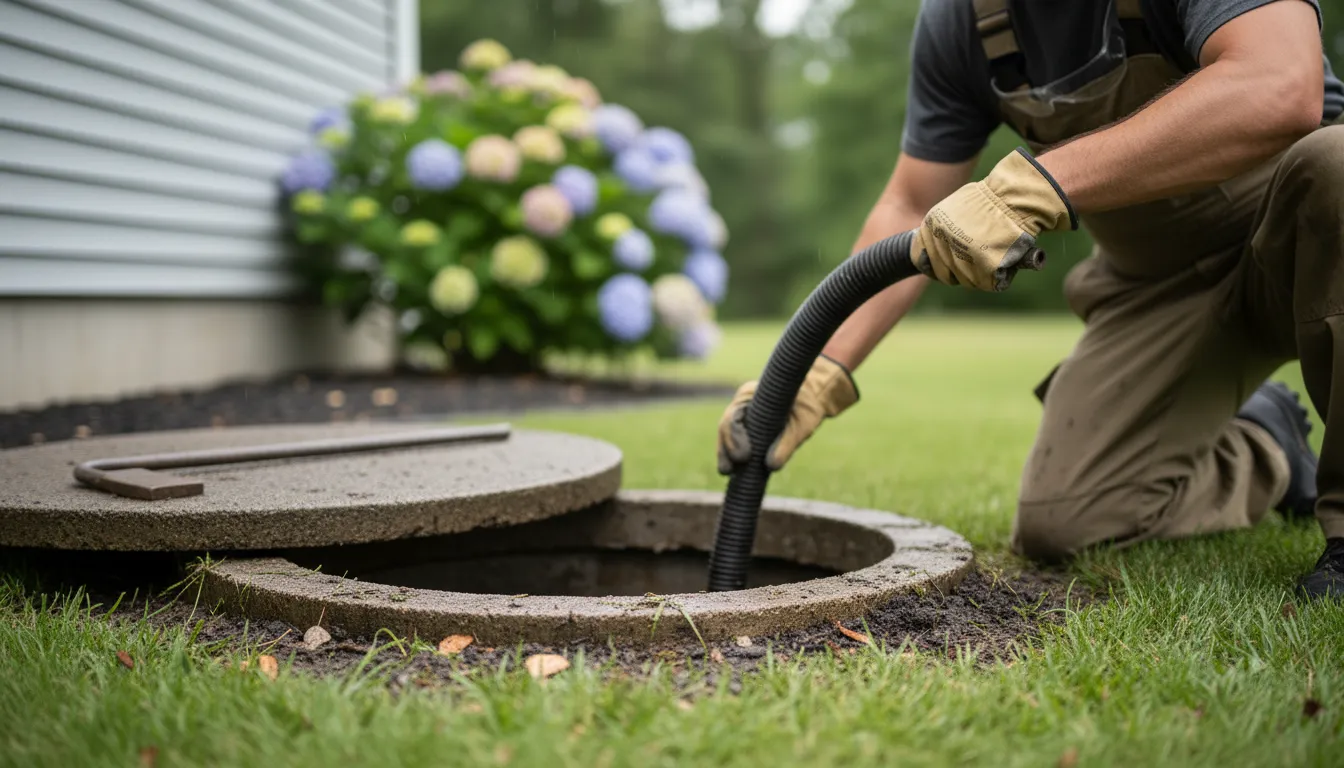
Find the Best Septic Tank Pumping Contractors for Your Business
No obligation • Fast responses • Nationwide coverage

Why you can trust Septic Spot
Septic Spot is a leading United States resource for understanding and comparing septic services. Our editors review providers using consistent criteria and verify key business details. Listings and scores are independent, and companies cannot pay to influence our content.
Search providers near you
Top Septic Tank Pumping Contractors in Concord, New Hampshire Ranked
Maintaining your septic system is a critical responsibility for New Hampshire homeowners. Regular septic tank pumping is the most effective way to prevent costly system failures, protect your property value, and safeguard the state's groundwater and lakes. This guide provides clear, practical information on New Hampshire's regulations, recommended maintenance schedules, and costs to help you find qualified local professionals for this essential service.
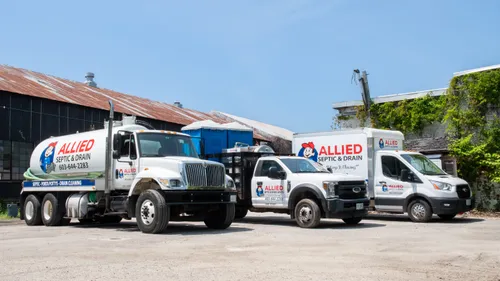
Allied Septic & Drain LLC
76 Maple St, Manchester, NH 03103
Allied Septic & Drain LLC is a septic tank pumping company based in Manchester, NH. They specialize in septic and grease system services, including pumping and maintenance to support on-site treatment. The company also addresses drain clogs and blockages and offers portable toilet rentals for events and construction sites. With over twenty years of experience, Allied Septic & Drain LLC provides a range of waste management solutions tailored to local needs.
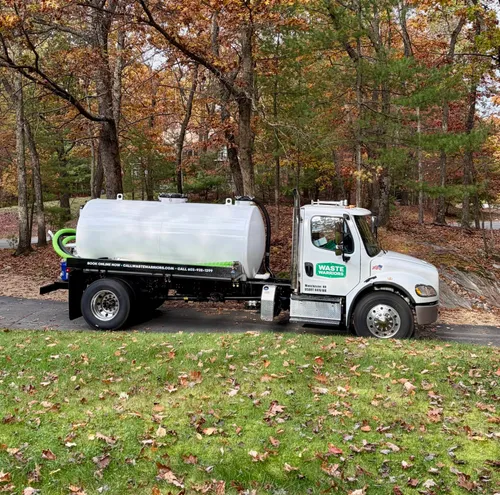
Waste Warriors
Manchester, NH
Waste Warriors is a septic tank pumping company based in Manchester, NH, serving both New Hampshire and Massachusetts. They specialize in septic tank pumping and emergency septic services. The company uses hydro jetting equipment to clear clogs and perform preventative maintenance, ensuring efficient septic system operation. Waste Warriors emphasizes cleanliness by using new protective suits for each job.
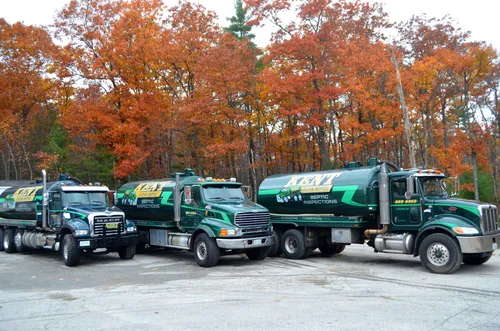
Kent Septic LLC
4 Crane Way # B, Hooksett, NH 03106
Kent Septic LLC is a septic tank pumping and inspection company serving Manchester, NH. They provide pump station installation and repair for private residences, housing complexes, and municipalities. Their services include septic inspections to help homeowners understand system conditions and maintenance tips. Kent Septic also offers jetting services to clean lines up to 300 feet and provides pumping services for homeowners and condo associations.
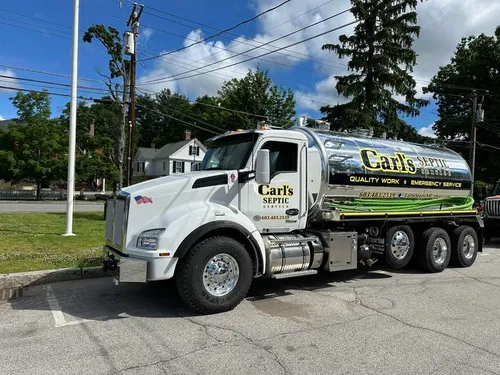
Carl's Septic Systems and Services in New Hampshire
320 Baker Rd, Candia, NH 03034
Carl's Septic Systems and Services in New Hampshire provides septic tank pumping, repair, and installation services in Manchester, NH. With over 40 years of experience, they serve both residential and commercial clients across New Hampshire. Their offerings include emergency septic services, routine maintenance, and commercial septic solutions, ensuring systems operate efficiently and meet regulatory standards. The company emphasizes reliable emergency response and comprehensive septic system care.
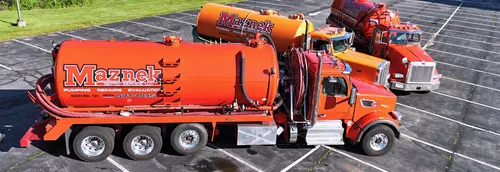
Maznek Septic Services LLC
41 Wendover Way, Bedford, NH 03110
Maznek Septic Services LLC provides comprehensive septic system services in Manchester, NH, and surrounding areas of central and southern New Hampshire. Their offerings include septic tank pumping, inspections by certified evaluators, septic system repairs, and drain field maintenance. The company is skilled in septic pump replacement and grease trap pumping for commercial clients such as restaurants and hospitals. Maznek Septic Services also performs system locating and camera scans to support real estate transactions and pre-construction planning. Their approach includes thorough septic tank cleaning and component checks to help prevent costly repairs and system failures.
Why Septic System Maintenance is Crucial in New Hampshire
New Hampshire's landscape, dotted with lakes, rivers, and sensitive watersheds, makes functional septic systems an environmental imperative. A failing system can contaminate drinking water wells, pollute surface waters, and create public health hazards. For homeowners, the financial stakes are high: while routine pumping is an affordable maintenance task, a full system replacement can cost between $5,000 and $20,000 or more 1. Proactive care is not just a recommendation; in many towns, it's a legal requirement tied to property transfers and watershed protection.
New Hampshire State Regulations and Local Ordinances
Understanding the rules governing septic systems is the first step in responsible ownership. State law provides a baseline, but many municipalities enforce stricter local ordinances.
State Inspection and Pumping Mandate: The New Hampshire Administrative Code (Env-Wq 1023.01) requires that septic tanks be inspected for sludge and scum accumulation and for the structural integrity of baffles2. The law mandates that a system must be pumped by a licensed hauler if the combined sludge and scum occupy one-third or more of the liquid depth of the tank 2.
Local Watershed Protections: Many towns, especially those in environmentally sensitive areas like the Lake Sunapee region or the Parsons Creek watershed in Rye, have adopted more frequent inspection and pumping schedules. For example, some ordinances require inspection and pumping every three years to protect local water quality3 4.
Property Transfer Inspections: While routine inspections may be voluntary in some areas, a septic system inspection is almost universally required during a real estate transaction in New Hampshire5 6. This protects both the buyer and seller and ensures the system is functioning properly before ownership changes hands.
Recommended Pumping Frequency
How often should you schedule septic tank pumping? The standard guideline for New Hampshire is every three to five years. However, this is a general rule, and your specific situation may demand more frequent service.
Factors Requiring More Frequent Pumping (Every 2-3 Years):
- Household Size: Homes with more than five occupants generate more wastewater and solids.
- High Water Usage: The use of garbage disposals, frequent laundry loads, and long showers can increase the tank's load.
- Smaller Tank Size: Older or smaller systems have less capacity and fill up faster.
- Heavy Use: Systems serving year-round residences typically need more attention than those for seasonal camps.
The New Hampshire Department of Environmental Services (NHDES) "Get Pumped!" program and industry professionals emphasize that an inspection is the only way to know for sure if pumping is needed7. Don't rely solely on a calendar; a professional can measure sludge levels and provide a precise recommendation.
What to Expect: The Pumping and Inspection Process
Hiring a licensed septic service provider ensures the job is done correctly and in compliance with state law. Here's what a standard service visit entails:
- Locating and Uncovering the Tank: The technician will locate the tank's access lids and excavate if necessary.
- Inspecting System Components: Before pumping, a thorough inspection is conducted. This includes checking inlet and outlet baffles (which are critical for preventing solids from entering the drainfield), looking for cracks or leaks in the tank, and assessing the general condition.
- Pumping the Tank: Using a vacuum truck, all solids and liquids are removed from the tank. A reputable provider will pump from both compartments of a two-compartment tank.
- Final Check and Reporting: After pumping, the technician may do a final inspection of the empty tank. They should provide you with a service report detailing what was done, the condition of your system, any issues found, and recommendations for future maintenance.
Find the perfect septic tank pumping contractors for your needs
Get personalized recommendations and expert advice
Understanding Costs for Septic Services in New Hampshire
The cost of septic tank pumping in New Hampshire is a wise investment in your property's health. Prices are influenced by several factors:
Average Pumping Cost: For a standard residential system, homeowners can expect to pay between $300 and $500 for a complete pump-out8 9. This is the typical range for a routine service call.
Factors That Influence Price:
- Tank Size and Capacity: Larger tanks cost more to pump.
- Tank Accessibility: If the tank is buried deep, requires extensive digging, or is far from where the truck can park, labor costs will increase.
- Sludge Volume: Tanks that are severely overdue for service may contain more solidified waste, requiring more time and effort.
- Additional Services: Costs will be higher if the service includes a comprehensive inspection, baffle repair, or other minor repairs.
Always request a detailed quote before work begins. While price is a consideration, ensure the provider is licensed and insured in New Hampshire.
Best Practices for Septic System Care
Pumping is essential, but day-to-day habits determine your system's long-term health. Follow these guidelines to extend the life of your septic system:
Do:
- Conserve Water: Spread out laundry loads and fix leaky faucets to avoid hydraulically overloading the system.
- Dispose of Waste Properly: Only flush human waste and toilet paper.
- Keep Records: Maintain a log of all pumping, inspections, and repairs.
- Protect the Drainfield: Keep the area over your leach field clear of trees, parked vehicles, and livestock. Only plant grass over it.
Don't:
- Flush Harmful Materials: Never flush chemicals, paints, grease, pharmaceuticals, coffee grounds, or "flushable" wipes. These can kill beneficial bacteria and clog the system 10.
- Use a Garbage Disposal Excessively: Disposals significantly increase the amount of solids entering the tank, leading to more frequent pumping needs11.
- Ignore Warning Signs: Slow drains, sewage odors, soggy ground over the drainfield, and unusually green grass over the tank are signs of impending failure. Address them immediately.
Finding a Qualified Service Provider in New Hampshire
When it's time for maintenance, choosing the right professional is key. Look for a provider who:
- Holds a current New Hampshire Subsurface Systems License.
- Provides detailed, written estimates and service reports.
- Has a good reputation with verified local reviews.
- Is willing to answer your questions and explain the process clearly.
- Follows all state and local regulations for waste disposal.
Regular maintenance by a trusted professional is the simplest way to ensure your septic system operates reliably for decades, protecting your home, your wallet, and New Hampshire's beautiful environment.
Frequently asked questions
Sources
Footnotes
-
Septic Tank Pumping Cost: Guide & Pricing in 2025 - https://www.splashplumbing.com/how-much-does-it-cost-to-pump-septic-tank-understanding-pricing-and-factors-involved/ ↩
-
N.H. Admin. Code § Env-Wq 1023.01 - Septic Tank Inspection and Pumping Requirements | State Regulations | US Law | LII / Legal Information Institute - https://www.law.cornell.edu/regulations/new-hampshire/N-H-Admin-Code-SS-Env-Wq-1023.01 ↩ ↩2
-
Protecting Water Quality with Septic System Rules | New Hampshire ... - https://www.nhmunicipal.org/town-city-magazine/new-hampshire-town-city-magazine-novemberdecember-2019/protecting-water-quality ↩
-
Septic System Rules to Protect Water Quality and Human Health - https://newlondon.nh.gov/vertical/sites/%7B26F9F697-D5BE-4423-95D7-E1EECBB7F549%7D/uploads/Septic_System_Rules_FAQs_for_website.pdf ↩
-
Navigating New Hampshire Septic System Laws - A.J. Foss - https://www.ajfoss.com/regulations-and-compliance/new-hampshire-septic-system-laws/ ↩
-
What Home Buyers and Sellers Should Know About Septic ... - https://www.lamacchiarealty.com/home-buyers-sellers-septic-systems-new-hampshire/ ↩
-
Get Pumped! New Hampshire | NH Department of Environmental Services - https://www.des.nh.gov/land/septic-systems/get-pumped-new-hampshire ↩
-
Average Cost of Septic Pumping in New Hampshire - https://bhcameron.com/2024/05/average-cost-of-septic-pumping-in-new-hampshire/ ↩
-
GET PUMPED! New Hampshire - Merrimack NH | - https://www.merrimacknh.gov/stormwater/files/get-pumped ↩
-
Septic System Guide - Hopkinton-NH.gov - https://www.hopkinton-nh.gov/health/pages/septic-system-guide ↩
-
A Homeowner's Guide to Septic Maintenance - North Hampton - https://www.northhampton-nh.gov/sites/g/files/vyhlif996/f/pages/outreachjune2022septic.pdf ↩