Find the Best Septic Tank Pumping Contractors for Your Business
No obligation • Fast responses • Nationwide coverage

Why you can trust Septic Spot
Septic Spot is a leading United States resource for understanding and comparing septic services. Our editors review providers using consistent criteria and verify key business details. Listings and scores are independent, and companies cannot pay to influence our content.
Search providers near you
Top Septic Tank Pumping Contractors in Manchester, New Hampshire Ranked
Maintaining your septic system is a crucial responsibility for any homeowner not connected to a municipal sewer line. Regular septic tank pumping is the most important preventative maintenance you can perform to avoid costly backups, system failures, and environmental contamination. This guide provides essential information for Manchester residents on how often to pump, what to expect from the process, local regulations, and how to find qualified local professionals to keep your system functioning smoothly for years to come.
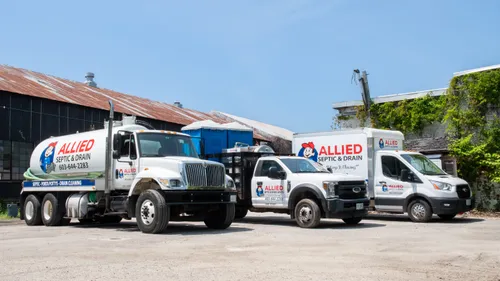
Allied Septic & Drain LLC
76 Maple St, Manchester, NH 03103
Allied Septic & Drain LLC is a septic tank pumping company based in Manchester, NH. They specialize in septic and grease system services, including pumping and maintenance to support on-site treatment. The company also addresses drain clogs and blockages and offers portable toilet rentals for events and construction sites. With over twenty years of experience, Allied Septic & Drain LLC provides a range of waste management solutions tailored to local needs.
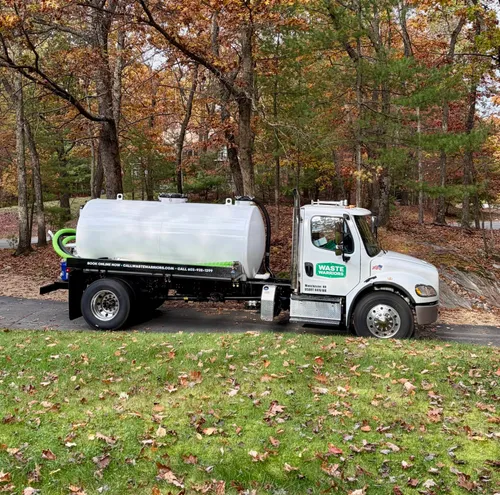
Waste Warriors
Manchester, NH
Waste Warriors is a septic tank pumping company based in Manchester, NH, serving both New Hampshire and Massachusetts. They specialize in septic tank pumping and emergency septic services. The company uses hydro jetting equipment to clear clogs and perform preventative maintenance, ensuring efficient septic system operation. Waste Warriors emphasizes cleanliness by using new protective suits for each job.
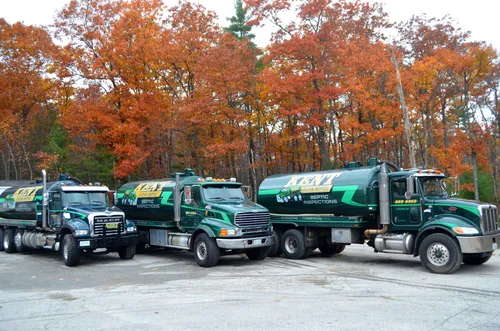
Kent Septic LLC
4 Crane Way # B, Hooksett, NH 03106
Kent Septic LLC is a septic tank pumping and inspection company serving Manchester, NH. They provide pump station installation and repair for private residences, housing complexes, and municipalities. Their services include septic inspections to help homeowners understand system conditions and maintenance tips. Kent Septic also offers jetting services to clean lines up to 300 feet and provides pumping services for homeowners and condo associations.
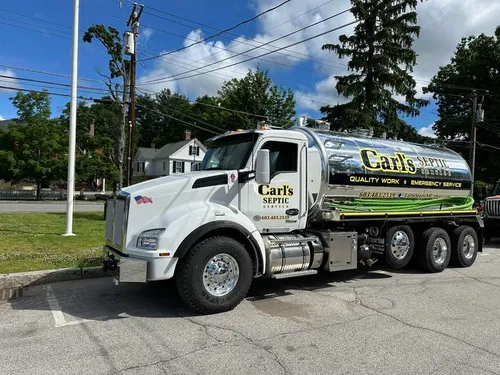
Carl's Septic Systems and Services in New Hampshire
320 Baker Rd, Candia, NH 03034
Carl's Septic Systems and Services in New Hampshire provides septic tank pumping, repair, and installation services in Manchester, NH. With over 40 years of experience, they serve both residential and commercial clients across New Hampshire. Their offerings include emergency septic services, routine maintenance, and commercial septic solutions, ensuring systems operate efficiently and meet regulatory standards. The company emphasizes reliable emergency response and comprehensive septic system care.

Maznek Septic Services LLC
41 Wendover Way, Bedford, NH 03110
Maznek Septic Services LLC provides comprehensive septic system services in Manchester, NH, and surrounding areas of central and southern New Hampshire. Their offerings include septic tank pumping, inspections by certified evaluators, septic system repairs, and drain field maintenance. The company is skilled in septic pump replacement and grease trap pumping for commercial clients such as restaurants and hospitals. Maznek Septic Services also performs system locating and camera scans to support real estate transactions and pre-construction planning. Their approach includes thorough septic tank cleaning and component checks to help prevent costly repairs and system failures.
Understanding Your Septic System and Why Pumping is Essential
A septic system is an on-site wastewater treatment structure, typically consisting of a tank and a drain field (or leach field). All the water from your home's toilets, showers, sinks, and appliances flows into the underground tank. Here, solids settle to the bottom as sludge, oils and grease float to the top as scum, and the relatively clear liquid in the middle (effluent) exits into the drain field for further filtration into the soil.
The septic tank pumping service, often called a pump-out, is the process of using a large vacuum truck to remove the accumulated sludge and scum from the tank. This is necessary because these materials do not break down completely. If they are not removed periodically, they can overflow into the drain field, clogging the soil and causing system failure. A failed system can lead to sewage backing up into your home or surfacing in your yard, creating health hazards and requiring very expensive repairs or complete replacement.
Recommended Pumping Frequency for Manchester Homes
How often you need to schedule septic tank cleaning is not a one-size-fits-all answer. It depends on several household factors. The Connecticut Department of Public Health (DPH) provides a standard baseline recommendation.
- Standard Recommendation: For an average-sized household (2-4 people) with a standard 1,000-gallon tank, pumping every 3 to 5 years is the typical guideline to ensure system longevity and proper function.
- High-Usage or Small Tank Households: If your household has 5 or more people, or if your septic tank is smaller (e.g., 750 gallons), the tank fills with solids more quickly. In these cases, a pumping schedule of every 2 to 3 years is often necessary to prevent problems 1.
- Other Influencing Factors: Using a garbage disposal frequently can increase the volume of solids by 30-50%, significantly shortening the time between necessary pump-outs 2. The amount of wastewater generated (long showers, frequent laundry) and what goes down the drain also play a role.
The most reliable method is to have your tank inspected annually by a licensed professional. They can measure the sludge and scum layers and give you a precise recommendation for your specific situation.
Warning Signs You Need Pumping or Service Immediately
Don't wait for a full-blown disaster. Be aware of these common signs that your septic tank may be overdue for service or that a problem is developing:
- Slow Drains: Sinks, showers, and toilets that drain slowly, especially throughout the entire house.
- Gurgling Sounds: Unusual gurgling noises coming from your plumbing when water is draining.
- Sewage Odors: Foul smells emanating from drains or around the drain field area in your yard.
- Wet, Spongy Yard: Soggy ground or standing water over the drain field, particularly when it hasn't rained.
- Unusually Green Grass: Patches of grass over the drain field that are much lusher and greener than the rest of the lawn.
- Sewage Backup: The most severe sign-wastewater or sewage backing up into household drains.
If you notice any of these signs, it's important to contact a septic service provider in Manchester as soon as possible to assess the situation 3 4.
Local Regulations and the Role of the North Central District Health Department
In Manchester and the surrounding region, septic systems are regulated to protect public health and groundwater. The North Central District Health Department (NCDHD) is the local authority that oversees these systems.
A critical regulation homeowners must know: Connecticut state law (Public Health Code) requires that only licensed septic system cleaners or installers can pump out and transport septic waste 5 6. This ensures that the material is disposed of legally and safely at approved treatment facilities. Hiring an unlicensed individual is illegal and poses environmental risks. Always verify that any company you contact holds a valid Connecticut license for septic system servicing.
Find the perfect septic tank pumping contractors for your needs
Get personalized recommendations and expert advice
What to Expect: The Septic Pumping Process and Costs
Understanding what happens during a pump-out can help you prepare. A standard service visit from a licensed professional typically includes:
- Locating & Uncovering: The technician will locate your tank lids and excavate the soil covering the access ports.
- Initial Inspection: They will often check the sludge and scum levels and inspect the tank's baffles and effluent filter (if present).
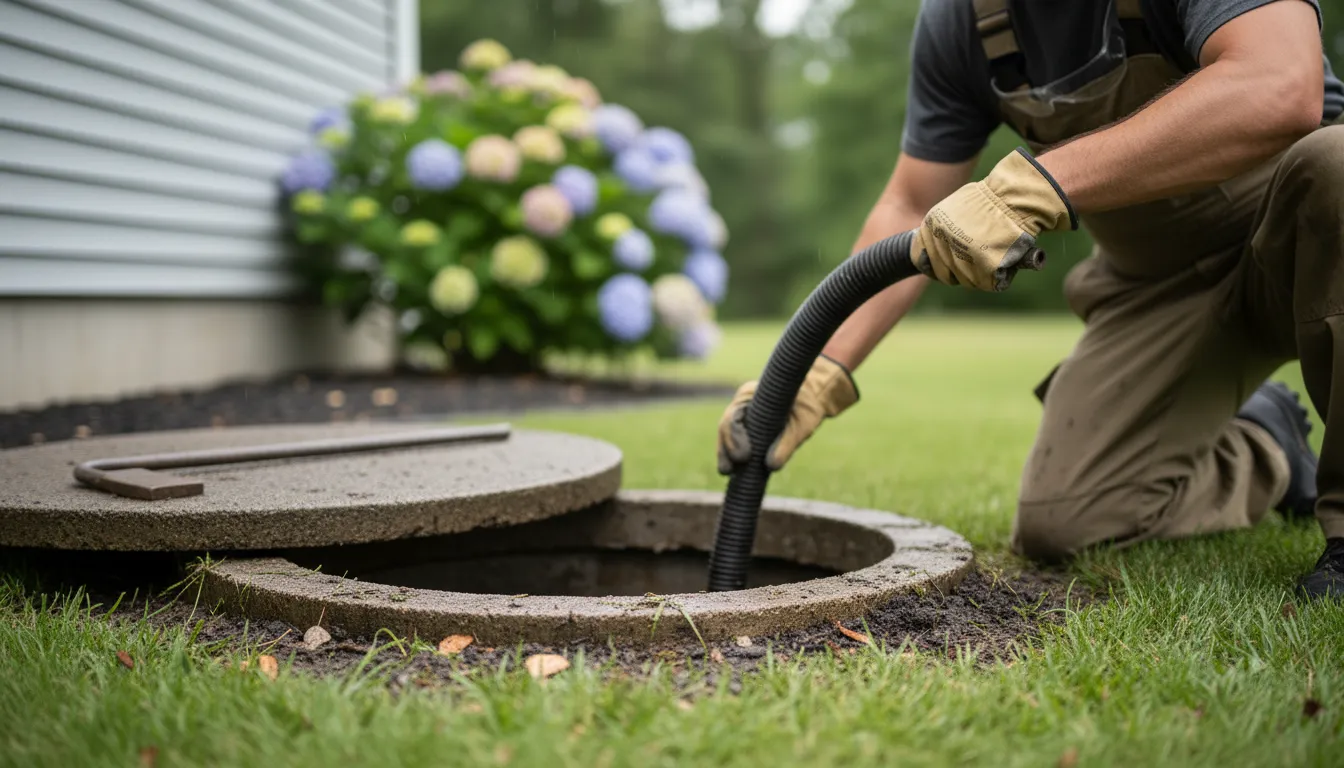
- Pumping: Using a large hose connected to a vacuum truck, all solid and liquid waste is pumped out of the tank.
- Final Inspection & Rinsing: After pumping, the tank interior may be rinsed to inspect for cracks or damage. The effluent filter is cleaned.
- System Check: The technician should check the drain field distribution box (if accessible) and ensure everything is functioning before closing up.
Cost of Septic Tank Pumping in Manchester
The price for this essential septic system maintenance varies based primarily on tank size and its condition. Based on recent industry data, homeowners in the Manchester area can expect the following cost ranges 7 8:
- 750-Gallon Tank: $250 - $550
- 1,000-Gallon Tank (most common): $250 - $700
- 1,500-Gallon Tank: $300 - $1,100
Additional factors that can increase cost:
- Difficulty Accessing the Tank: If the tank is deep, under a patio, or requires extensive digging.
- Overdue Pumping: Tanks that haven't been pumped in 7+ years may have hardened solids that require more labor, potentially adding $100-$200 to the bill 9 10.
- Emergency Service: Calls for backups or failures outside of normal business hours.
- Additional Repairs: Replacing a damaged baffle, filter, or lid discovered during the service.
It's always wise to get 2-3 detailed quotes from licensed local companies before scheduling service.
Protecting Your Investment: Septic System Care Tips
Regular pumping is the cornerstone of care, but daily habits also impact your system's health. Follow these tips to extend time between pump-outs and avoid issues:
- Conserve Water: Fix leaky faucets and toilets. Spread out laundry loads over the week instead of doing many in one day.
- Mind What You Flush: Only human waste and toilet paper should go down the toilet. Never flush wipes (even "flushable" ones), feminine hygiene products, dental floss, diapers, or paper towels.
- Use Garbage Disposals Sparingly: As mentioned, disposals significantly increase solids. Compost food scraps when possible.
- Properly Dispose of Chemicals: Avoid pouring paints, solvents, pesticides, or large amounts of bleach down the drain, as they can kill the beneficial bacteria in your tank.
- Protect the Drain Field: Never park vehicles or build structures on your leach field. Plant only grass over it; tree and shrub roots can clog and damage the pipes.
- Keep Records: Maintain a log of all pumping, inspections, and repairs for future reference and for potential home buyers.
Finding a Qualified Septic Service Provider in Manchester
When it's time for maintenance, choosing the right company is key. Look for providers who:
- Hold a current Connecticut license for septic system cleaning.
- Are insured and bonded for your protection.
- Have strong local references and reviews from Manchester area homeowners.
- Provide clear, written estimates detailing the scope of work and all costs.
- Offer a range of services, including inspection and repair, so they can address any issues they find.
A proactive approach to septic tank servicing is the best way to ensure peace of mind, protect your property value, and fulfill your environmental responsibility as a homeowner with a septic system.
Frequently asked questions
Sources
Footnotes
-
How Often to Pump a Septic Tank - Clear River Environmental - https://clearriverenvironmental.com/how-often-to-pump-a-septic-tank/ ↩
-
Septic Tank Maintenance Tips in Connecticut - Finkeldey BMJ - https://finkeldeys.com/2023/07/01/essential-septic-tank-maintenance-tips-and-guidelines/ ↩
-
Manchester CT Septic System Service - https://jlgsepticllc.com/service-areas/connecticut/manchester/ ↩
-
Septic Tank Pumping Frequency: Crucial Maintenance Guide - https://septic911.com/septic-tank-pumping-frequency/ ↩
-
SEPTIC SYSTEMS - CT.gov - https://portal.ct.gov/-/media/Departments-and-Agencies/DPH/dph/environmental_health/environmental_engineering/pdf/SepticSystems101pdf.pdf ↩
-
Septic Homeowners - North Central Distict Health Department - https://www.ncdhd.org/septic-homeowners ↩
-
Septic Pumping Cost by State: 2024 Complete Price Guide - https://wastedoor.com/article/septic-pumping-cost-by-state ↩
-
Septic Tank Pumping Cost: Guide & Pricing in 2025 - Splash Plumbing - https://www.splashplumbing.com/how-much-does-it-cost-to-pump-septic-tank-understanding-pricing-and-factors-involved/ ↩
-
How Much Does It Cost to Pump a Septic Tank? [2026 Data] | Angi - https://www.angi.com/articles/how-much-does-septic-tank-pumping-cost.htm ↩
-
Optimizing Septic Tank Pumping Frequency for Households - https://www.unitedsewerservice.com/frequency-of-septic-tank-pumping-for-different-household-sizes/ ↩