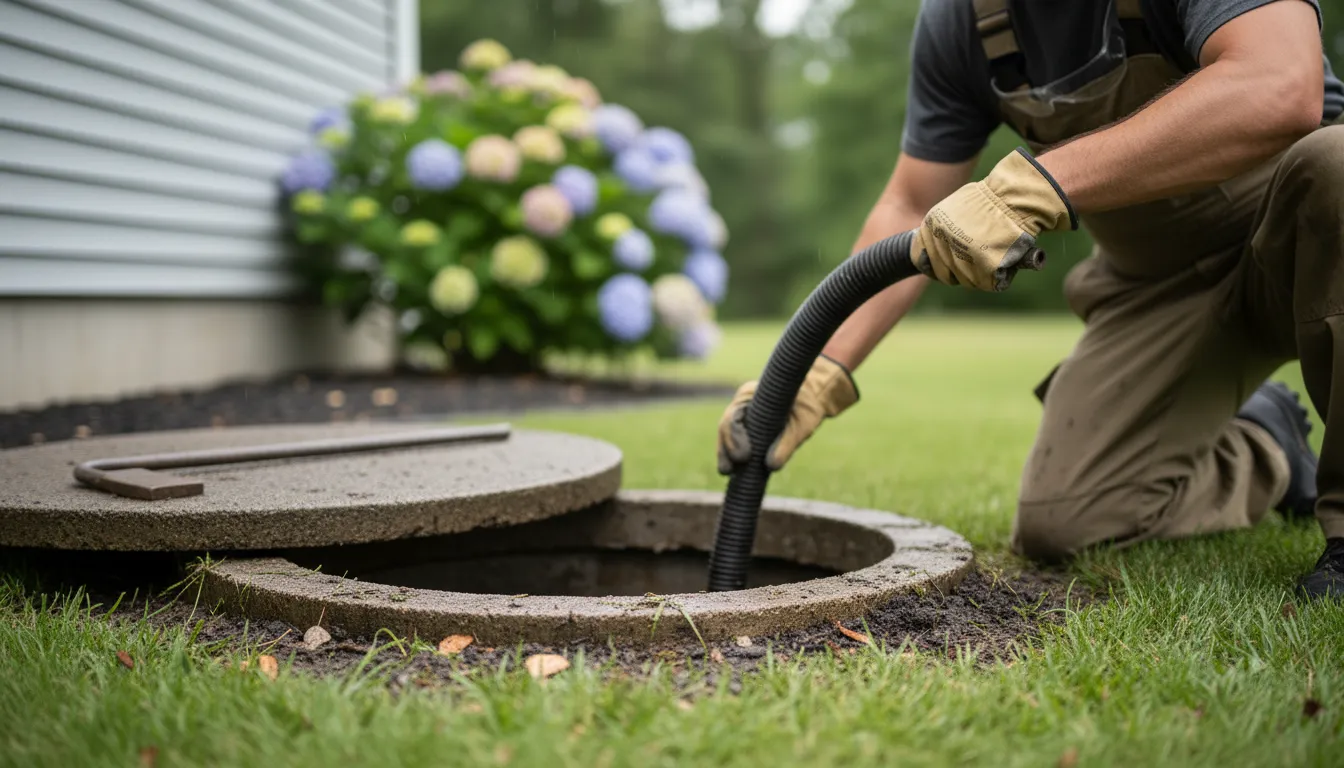
Find the Best Septic Tank Pumping Contractors for Your Business
No obligation • Fast responses • Nationwide coverage

Why you can trust Septic Spot
Septic Spot is a leading United States resource for understanding and comparing septic services. Our editors review providers using consistent criteria and verify key business details. Listings and scores are independent, and companies cannot pay to influence our content.
Search providers near you
Best Septic Tank Pumping Contractors in New Mexico Ranked
Regular septic tank pumping is a critical part of homeownership for many in New Mexico, protecting your property, your health, and the state's precious groundwater. This essential maintenance service involves removing the accumulated solids from your septic tank to keep the entire system functioning properly. Understanding New Mexico's specific regulations and best practices can help you schedule timely service, avoid costly emergencies, and find qualified local professionals to perform the work.
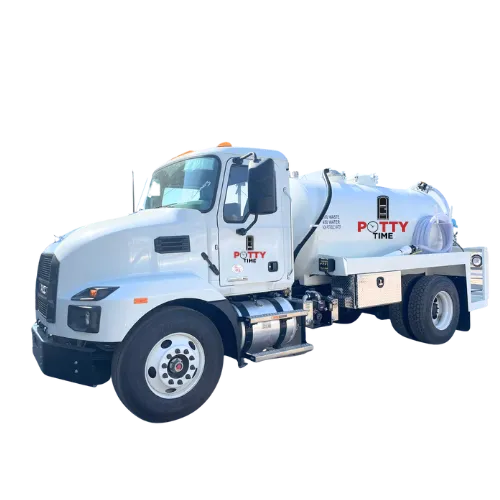
Potty Time Toilets & Septic Services
Las Cruces, NM
Potty Time Toilets & Septic Services is a family-owned company based in Las Cruces, NM, offering portable restroom rentals and septic pumping services. Established in 1994, they provide sanitation solutions for events, construction sites, and other projects across Las Cruces and nearby areas including Doña Ana, Organ, Mesquite, La Mesa, and Mesilla. Their offerings range from standard portable toilets to luxury trailer potties with heating and air conditioning, emphasizing eco-friendly and hygienic options.
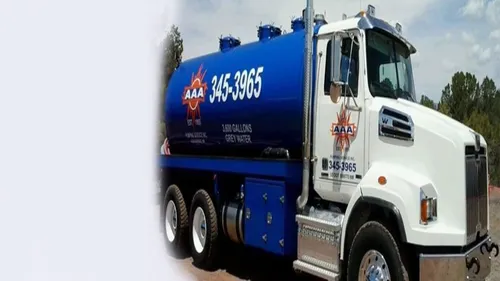
AAA Pumping Service
2855 2nd St SW, Albuquerque, NM 87102
AAA Pumping Service is a septic tank pumping company based in Albuquerque, NM. They offer a range of services including portable restrooms, luxury restroom trailers, septic tank pumping, grease trap pumping and processing, and sand trap pumping. The company is also a licensed installer of liquid waste systems. With over 30 years of experience, AAA Pumping Service is the only full-service company of its kind in New Mexico. They serve various clients including construction sites, weddings, corporate gatherings, and disaster sites.
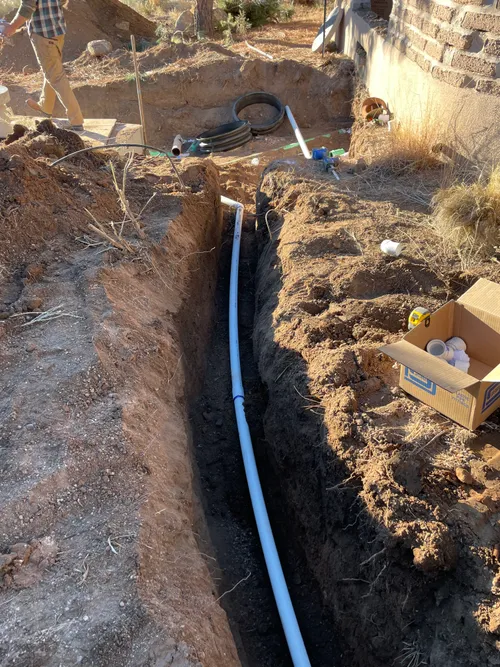
Rio Grande Septic Systems
210 Enterprise Rd NE, Rio Rancho, NM 87124
Rio Grande Septic Systems provides septic tank pumping and inspection services in Albuquerque, NM. They offer comprehensive septic maintenance including routine inspections, pumping, and waste management to help prevent system backups and extend the life of septic systems. Their team uses advanced equipment to deliver thorough cleaning and pumping services tailored to residential and commercial needs. The company also offers porta-potty rentals and emergency septic services for urgent situations.
RC Septic Installation & Repair
131 Bowers Rd SW, Albuquerque, NM 87105
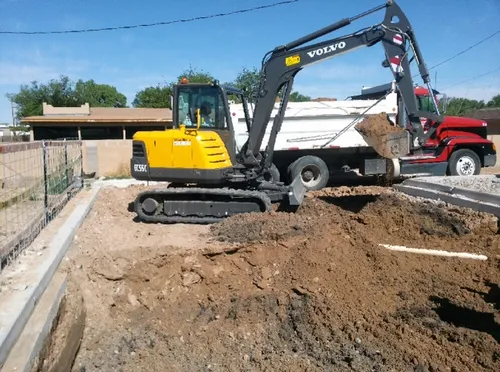
RC Septic Installation & Repair provides septic tank installation, repair, and pumping services in Albuquerque, NM. The company handles various septic system needs to help maintain proper function and avoid common issues. Their services include septic tank pumping and system repairs to ensure reliable operation.
EC Bassett Construction
34 NM-344, Edgewood, NM 87015
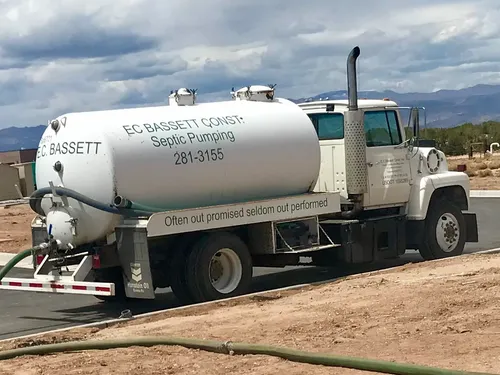
EC Bassett Construction is a locally owned septic system company serving Albuquerque, NM, and nearby areas. Established in 1982, the company offers a full range of septic services including tank pumping, cleaning, maintenance, installation, and repair. Their expertise includes custom septic system design, drain field installation, and emergency repairs, addressing both residential and commercial needs.
Understanding Your Septic System and New Mexico Regulations
A septic system is an on-site wastewater treatment system common in areas without centralized sewer service. It typically consists of a septic tank, where solids settle and begin to decompose, and a drain field (or leach field), where the treated liquid effluent is dispersed into the soil. For this process to work safely, the tank must be pumped out periodically before solids overflow into the drain field, causing system failure and environmental contamination.
In New Mexico, the New Mexico Environment Department (NMED) regulates septic systems to protect public health and groundwater quality. Homeowners are legally responsible for ensuring their system is maintained, watertight, and does not create a public health hazard. Key state-specific regulations include:
- Licensed Contractors: All septic tank inspections and pumping must be performed by a licensed septic tank cleaner or a contractor licensed by the New Mexico Construction Industries Division 1. This ensures the work meets state standards and is performed safely.
- Property Transfer Evaluation: A mandatory inspection is required upon the sale or transfer of property in New Mexico 2 3. This evaluation must be conducted by a qualified professional to assess the system's condition before the transaction can be completed.
- Permitting: Installing a new system or modifying an existing one requires a permit approved by the NMED.
- Setback Requirements: State rules specify minimum distances, such as requiring leach fields to be at least 100 feet from wells or streams, to prevent contamination 4 5.
How Often Should You Pump Your Septic Tank in New Mexico?
There is no one-size-fits-all schedule, as pumping frequency depends on several factors. The general guideline is to pump your septic tank every 3 to 5 years. However, this can vary significantly.
The most reliable method is to have your tank inspected regularly. A professional can measure the sludge and scum layers inside your tank. A common rule is that if the sludge depth equals one-third or more of the liquid depth, the tank needs to be pumped. Key factors influencing your pumping schedule include:
- Tank Size: A smaller tank fills up faster. For example, a 1,000-gallon tank may need pumping every 2.5 years for an average family, while a larger tank may go longer 6.
- Household Size: More people generate more wastewater and solids, accelerating the tank's fill rate.
- Water Usage: High water volume from frequent laundry, long showers, or leaky fixtures reduces the tank's settling time and can push solids out into the drain field.
- Solid Waste Habits: What you flush down the drain greatly impacts accumulation. Avoid non-biodegradable items, grease, and harsh chemicals.
The NMED and the EPA recommend having your system inspected at least every 1 to 3 years, with pumping occurring as needed based on that inspection 7 8. This proactive approach is far less expensive than dealing with a full system failure.
The Cost of Septic Tank Pumping in New Mexico
The price for septic pumping services in New Mexico can vary. On average, homeowners can expect costs to range from $300 to over $600 9 10. Several variables influence the final price:
- Tank Size and Condition: Larger tanks cost more to pump. Tanks with excessive solids may require back-flushing, which adds to the labor.
- Accessibility: If the tank lid is buried and requires digging to locate and expose, this will increase the cost. Installing permanent risers during a service call can save money and time in the future.
- Location: Service calls to remote or rural areas may incur higher travel fees.
- Additional Services: Costs will be higher if the visit includes a full inspection, cleaning of effluent filters, or minor repairs.
While this is an essential maintenance expense, it is minor compared to the cost of repairing or replacing a failed drain field, which can run into the tens of thousands of dollars.
Find the perfect septic tank pumping contractors for your needs
Get personalized recommendations and expert advice
Signs Your Septic System Needs Attention
Waiting for a problem to surface is risky. Be alert to these warning signs that your system may need pumping or repair:
- Slow Drains: Gurgling or slow-draining sinks, tubs, and toilets throughout the house.
- Sewage Odors: Unpleasant smells around the tank or drain field area, or even inside the home.
- Wet, Spongy Yard: Soggy ground or surfacing sewage in the area of the drain field, especially when it hasn't rained.
- Lush Grass: Patches of unusually green and fast-growing grass over the drain field may indicate a leak of nutrient-rich effluent.
- Backups: The most severe sign: sewage backing up into household drains.
If you notice any of these signs, contact a licensed professional immediately to assess the situation 11 12.
Choosing a Service Provider and The Pumping Process
Selecting the right contractor is crucial. Always verify that the provider holds a current New Mexico license for septic tank cleaning. You can ask for their license number and confirm it with the state. It's also wise to get written estimates from a few companies, ensuring they include all potential fees (e.g., for digging, disposal).
A standard pumping service involves:
- Locating and Uncovering the tank access lids.
- Inspecting the tank interior, inlet/outlet baffles, and the general condition.
- Pumping all solids and liquids from the tank using a vacuum truck.
- Proper Disposal of the waste at an approved treatment facility.
- A Final Check to ensure the tank is empty and the lids are securely replaced.
Never attempt to open or enter a septic tank yourself. Toxic gases can be instantly fatal 13.
Maintaining Your System Between Pumpings
Regular pumping is the cornerstone of maintenance, but daily habits determine how well your system functions between services.
Do:
- Conserve water to avoid overloading the system.
- Divert roof drains and surface water away from the drain field.
- Keep detailed records of pumping, inspections, and repairs.
Don't:
- Flush anything besides human waste and toilet paper (no wipes, feminine products, diapers, or paper towels).
- Pour cooking oils, grease, or harsh chemicals (paint, pesticides, solvents) down the drain.
- Drive or park vehicles on the drain field, as this compacts the soil.
- Plant trees or deep-rooted shrubs near the drain field or tank.
Following these guidelines and adhering to a regular inspection and pumping schedule is the most effective way to extend the life of your septic system for decades, protecting your investment and New Mexico's environment 14.
Frequently asked questions
Sources
Footnotes
-
New Mexico Septic License & Certification - ServiceTitan - https://www.servicetitan.com/licensing/septic/new-mexico ↩
-
Homeowners Information - https://www.env.nm.gov/septic/information-for-homeowners/ ↩
-
Property Transfer Evaluations - New Mexico Environment Department - https://www.env.nm.gov/septic/property-transfer-evaluations/ ↩
-
New Mexico Septic Regulations, A Guide For Homeowners - https://www.swanrealtyinc.com/blog/new-mexico-septic-regulations/ ↩
-
Untitled - https://www.aztecnm.gov/waterplant/SepticSystemCareGuide.pdf ↩
-
How Often Should You Pump Your Septic Tank: 3 Factors Solved - https://www.frasiers.com/blog/sewage-tank-pump-frequency/ ↩
-
Maintaining Your Septic System - A Guide for Homeowners - https://www.mohave.gov/departments/development-services/environmental-qualitywaste-disposal/documents/maintaining-your-septic-system-a-guide-for-homeowners/ ↩
-
Why Maintain Your Septic System | US EPA - https://www.epa.gov/septic/why-maintain-your-septic-system ↩
-
Septic System Inspections in New Mexico - Keep the Rio Grande - https://keeptheriogrand.org/wp-content/uploads/2021/10/inspect-a-septic-system.pdf ↩
-
The Importance of Regular Septic Tank Pumping to Avoid Costly Repairs - https://jtserviceco.com/regular-septic-tank-pumping-to-avoid-costly-repairs/ ↩
-
Homeowner's Guide to Septic Systems - https://marionhealth.org/wp-content/uploads/2024/02/EPA_Homeowner_Guide_Septic_Systems.pdf ↩
-
How Often Should You Pump Your Septic Tank? A Homeowner's ... - https://www.dandsportabletoilets.com/post/how-often-should-you-pump-your-septic-tank-a-homeowner-s-guide ↩
-
Caring for Your Septic System | Mass.gov - https://www.mass.gov/guides/caring-for-your-septic-system ↩
-
The Role of Regular Inspections in Extending the Life of Your Septic System - https://www.rosesepticservices.com/the-role-of-regular-inspections-in-extending-the-life-of-your-septic-system ↩