Find the Best Septic Tank Pumping Contractors for Your Business
No obligation • Fast responses • Nationwide coverage

Why you can trust Septic Spot
Septic Spot is a leading United States resource for understanding and comparing septic services. Our editors review providers using consistent criteria and verify key business details. Listings and scores are independent, and companies cannot pay to influence our content.
Search providers near you
Top Septic Tank Pumping Contractors in Las Cruces, New Mexico Ranked
Maintaining a healthy septic system is a critical responsibility for homeowners not connected to a municipal sewer line. Regular septic tank pumping and inspection are the cornerstones of this maintenance, preventing costly system failures, protecting your property value, and safeguarding local groundwater from contamination. This guide provides essential information on septic system care specific to Las Cruces, helping you understand local regulations, recommended service schedules, and how to connect with qualified professionals for your maintenance needs.
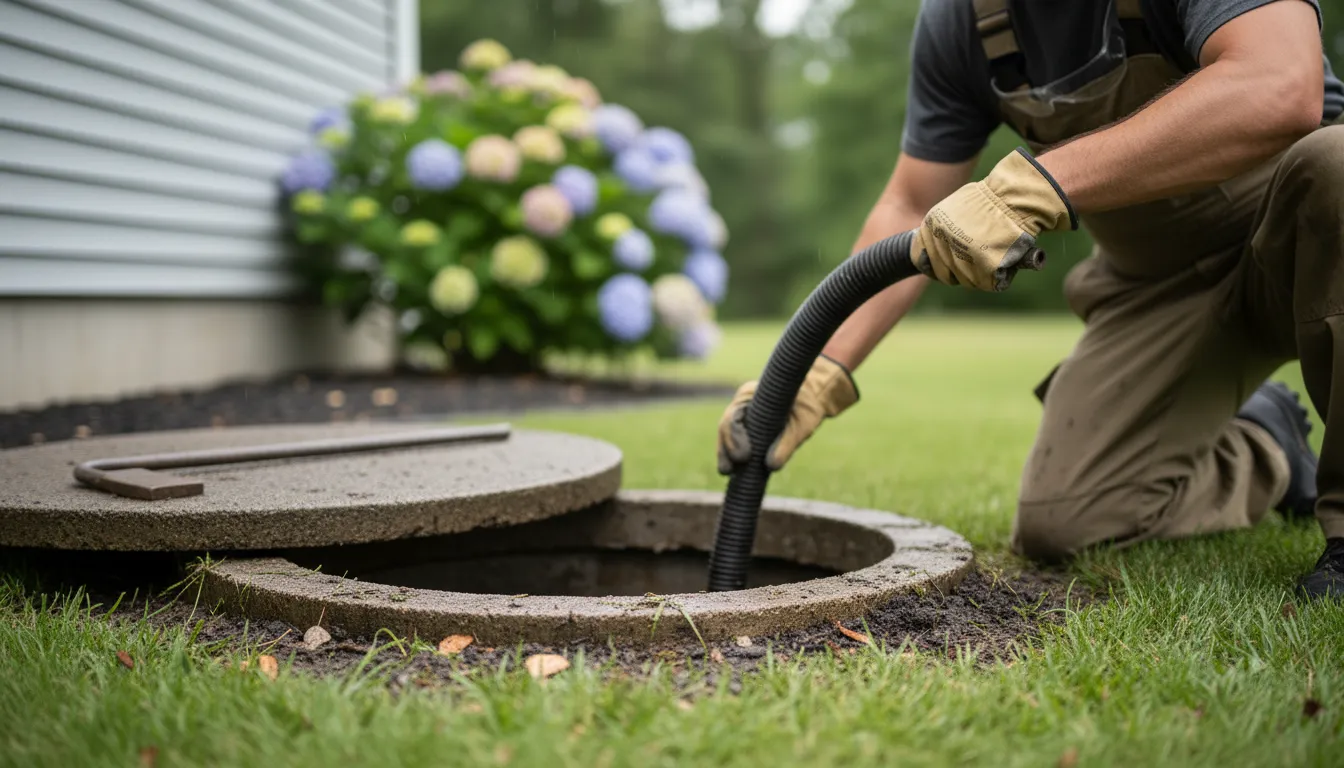
A septic system is a self-contained wastewater treatment solution for your property. When it functions correctly, it quietly and efficiently processes household water from toilets, showers, sinks, and appliances. The septic tank is the first stage, where solids settle to the bottom as sludge and fats float to the top as scum. The liquid effluent in the middle flows out to the drain field for further natural filtration. Over time, the sludge and scum layers accumulate, and if not removed, they can flow into and clog the drain field-a failure that is extremely expensive to repair. Regular septic tank cleaning is the primary defense against this scenario.
Understanding Your Septic System's Needs
The key to effective septic system maintenance is knowing when to schedule service. While general guidelines exist, the optimal schedule for septic tank servicing depends on several household-specific factors.
- Household Size & Water Usage: More people in a home generally means more wastewater, which fills the tank faster. High water usage from frequent laundry, long showers, or inefficient fixtures also accelerates accumulation.
- Tank Capacity: The physical size of your tank, measured in gallons, determines how much waste it can hold before needing to be emptied. Older or smaller tanks require more frequent pumping.
- Garbage Disposal Use: Using a garbage disposal significantly increases the amount of solids entering the tank, which can shorten the time between necessary pump-outs.
For a typical household in Las Cruces, the New Mexico Environment Department (NMED) and the EPA recommend an inspection every 1-2 years and pumping every 3-5 years 1. However, a family of six with a 1,000-gallon tank will need service much more often than a couple living in a home with a 1,500-gallon tank.
Recommended Maintenance Schedule for Las Cruces Homes
Adhering to a proactive maintenance schedule is far less costly than dealing with an emergency backup or a failed drain field. Here's a breakdown of what your maintenance should entail:
Annual to Biennial Inspections A professional inspection every 1-2 years is crucial. During an inspection, a technician will locate and open the tank's access ports to measure the levels of sludge and scum. They will also check the integrity of the tank, the condition of the inlet and outlet baffles (or tees), and the effluent filter if your system has one. This inspection can catch small issues before they become big, expensive problems 2.
Pumping Frequency Pumping, or septic tank emptying, is the physical removal of the accumulated solids from your tank. The 3-5 year guideline is a starting point. The only way to know for sure is through those regular inspections. The NMED notes that more frequent pumping is necessary for smaller tanks or larger households 3. Never wait until you have a problem to pump your tank; by then, damage may already have occurred.
Signs You Need Immediate Service While you should not rely on symptoms as your maintenance schedule, be aware of these warning signs that your system may be failing or full:
- Slow drains throughout the house, especially if plunging or drain cleaners don't help.
- Sewage odors near the septic tank, drain field, or inside the home.
- Gurgling sounds in your plumbing.
- Unusually lush, green grass or standing water over the drain field area.
- Wastewater backing up into household drains.
If you notice any of these signs, contact a septic service professional immediately.
Local Regulations and Permits in New Mexico
Septic systems in Doña Ana County are regulated by the New Mexico Environment Department (NMED). Understanding these rules is important for both maintenance and any new installation.
- New Installations & Major Repairs: All new septic system installations and significant modifications must be permitted and receive a final inspection from the NMED. It's advised to schedule this inspection 2-3 days in advance.
- System Design Standards: State regulations specify that conventional septic tank capacity must be at least 2.5 times the estimated daily wastewater flow. Holding tank requirements are even stricter, at 4 times the design flow.
- Advanced Treatment Systems: If your property uses an advanced treatment system (like an aerobic treatment unit), it likely comes with a mandatory maintenance contract and more frequent monitoring requirements to ensure it operates within its design specifications.
- Site Evaluations: Part of responsible ownership includes periodically checking the absorption field for ponding or signs of failure. A professional evaluation can assess the overall health of your entire system 4.
For detailed regulatory information, property owners are encouraged to contact the local NMED office or visit their official septic information page 5.
Find the perfect septic tank pumping contractors for your needs
Get personalized recommendations and expert advice
Cost of Septic Services in Las Cruces
The cost of septic tank maintenance can vary based on the size of your tank, its accessibility, and the scope of service. In Las Cruces, the average cost for a standard septic tank pumping is between $348 and $456 6. The overall price range for this service typically falls between $185 and $745, with the final cost depending on tank size (e.g., 1,000 gallon vs. 1,500 gallon) and how far the service company must travel 6.
For new system installations, permit fees are separate from construction costs. These NMED fees can range from approximately $225 for a conventional system to over $750 for more specialized or complex systems 7 8. When budgeting for septic care, remember that the relatively modest cost of routine pumping is an investment that protects you from the multi-thousand-dollar expense of drain field replacement.
Choosing a Service Provider
Selecting a reliable company for your septic system pumping is important. Look for providers who are licensed, insured, and familiar with local NMED regulations. A reputable professional will:
- Clearly explain what services are included in the pumping fee.
- Perform a basic inspection of your tank components during service.
- Properly dispose of the septage at a licensed facility.
- Be able to answer questions about your system and provide a record of the service, including sludge and scum levels measured.
Don't base your decision on price alone. The expertise and thoroughness of the technician are vital for the long-term health of your system.
Long-Term Care for Your System
Beyond pumping, you can extend the life of your septic system with smart household habits:
- Conserve water to reduce the hydraulic load on your system.
- Avoid flushing anything besides human waste and toilet paper. Never flush wipes (even "flushable" ones), feminine hygiene products, dental floss, or cooking grease.
- Use septic-safe cleaning products and avoid pouring harsh chemicals like bleach or drain cleaners down the drain.
- Keep vehicles and heavy equipment off the drain field area to prevent soil compaction and pipe damage.
- Direct rainwater drainage from roofs and driveways away from the drain field.
By combining regular professional septic tank cleaning with conscientious daily use, you can ensure your system operates reliably for decades.
Frequently asked questions
Sources
Footnotes
-
Why Maintain Your Septic System | US EPA - https://www.epa.gov/septic/why-maintain-your-septic-system ↩
-
Septic Tank Maintenance | New Mexico State University - https://pubs.nmsu.edu/_m/M113/index.html ↩
-
The care and feeding of your septic system - https://cloud.env.nm.gov/water/?r=5769&k=9125e55b41 ↩
-
FACTSHEET NEW MEXICAN LIQUID WASTE AND SEPTIC ... - https://www.amigosbravos.org/wp-content/uploads/2020/07/Fact-Sheet-Liquid-Waste-Septic-Tanks.pdf ↩
-
Homeowners Information - https://www.env.nm.gov/septic/information-for-homeowners/ ↩
-
Septic Tank Cleaning in Las Cruces, NM - Costs 03 / 2026 - Homeyou - https://www.homeyou.com/nm/septic-tank-cleaning-las-cruces-costs ↩ ↩2
-
How Often Should You Pump Your Septic Tank: 3 Factors Solved - https://www.frasiers.com/blog/sewage-tank-pump-frequency/ ↩
-
New Mexico Septic License & Certification - ServiceTitan - https://www.servicetitan.com/licensing/septic/new-mexico ↩