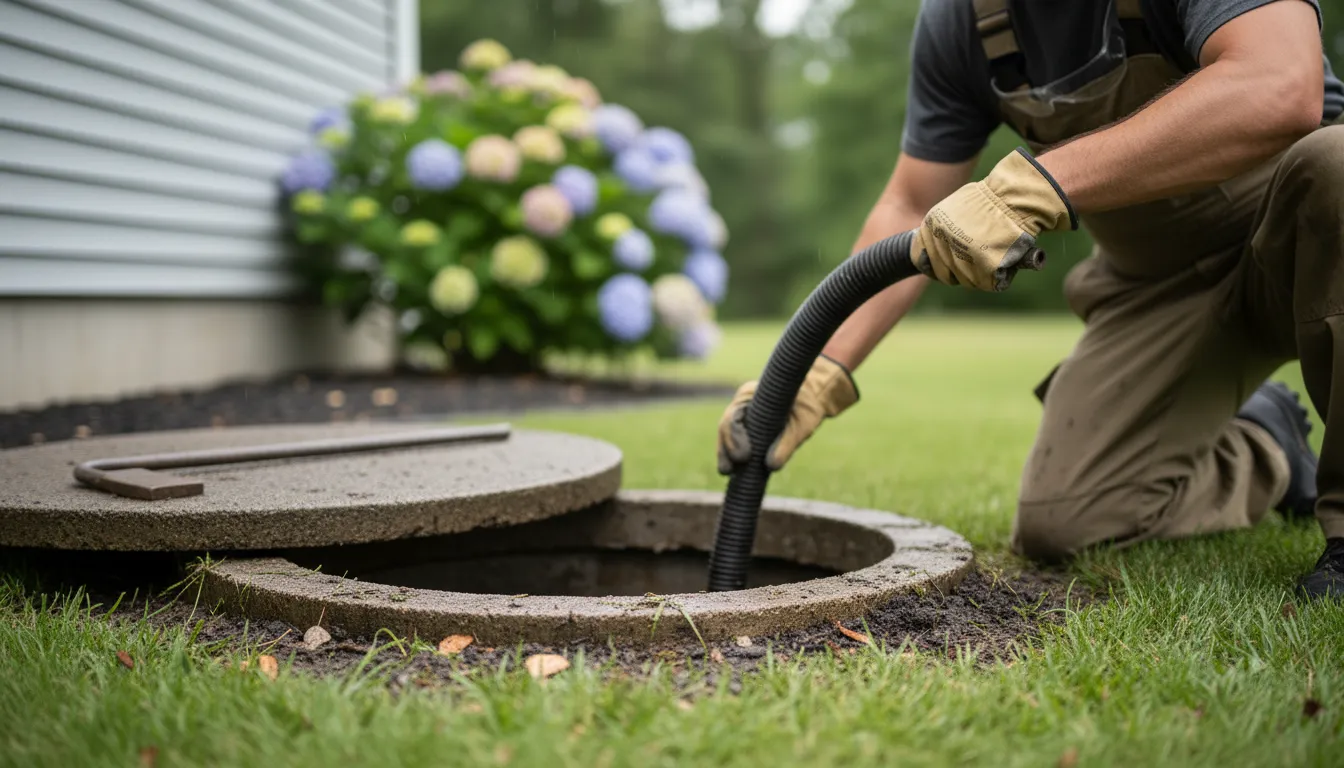
Find the Best Septic Tank Pumping Contractors for Your Business
No obligation • Fast responses • Nationwide coverage

Why you can trust Septic Spot
Septic Spot is a leading United States resource for understanding and comparing septic services. Our editors review providers using consistent criteria and verify key business details. Listings and scores are independent, and companies cannot pay to influence our content.
Search providers near you
Top Septic Tank Pumping Contractors in Portland, Oregon Ranked
Maintaining your septic system is a critical responsibility for any homeowner not connected to a municipal sewer line. Septic tank pumping is the essential process of removing accumulated sludge and scum from your tank to prevent system failure, environmental contamination, and costly repairs. This guide provides a detailed look at septic system maintenance, inspection, and pumping services specific to Portland, Oregon, helping you understand local regulations, costs, and best practices to keep your system functioning properly for years to come.
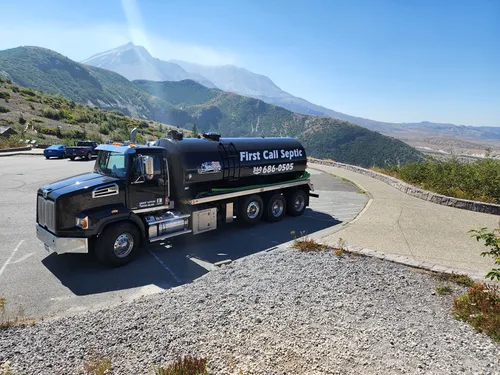
First Call Septic Service
7630 NE 219th St Suite A, Battle Ground, WA 98604
First Call Septic Service provides septic tank pumping, inspection, and cleaning services in Vancouver, WA. They serve multiple communities within Clark, Skamania, and Cowlitz counties, including Battle Ground, Camas, and Ridgefield. The company specializes in onsite sewage treatment and uses current tools and equipment to maintain septic systems effectively.
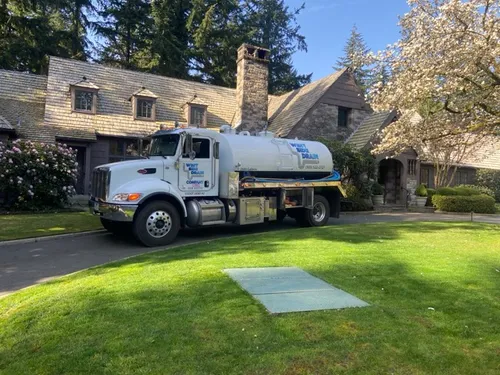
West Side Drain and Septic
Hillsboro, OR
West Side Drain and Septic is a septic tank pumping, inspection, repair, and pump replacement company serving Hillsboro, OR, and the greater Portland Metro Area. With over 16 years of experience, they provide comprehensive septic system services including 24-hour drain cleaning and emergency repairs. Their fully equipped trucks and trained technicians handle a wide range of septic and drain issues, ensuring thorough diagnosis and effective solutions. The company is family owned, licensed, and insured, with a focus on clear communication and quality workmanship.
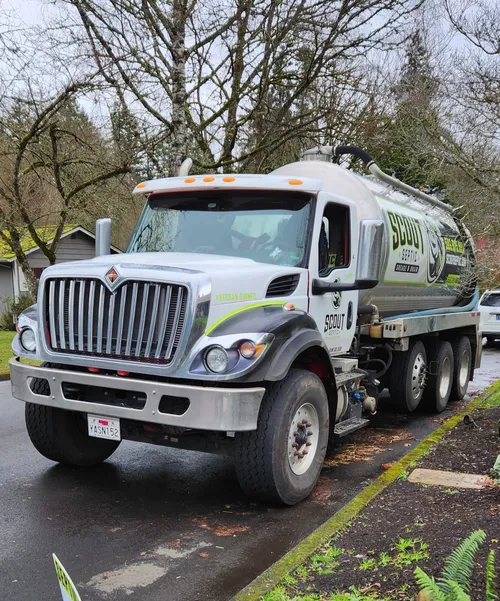
Scout Septic, Grease & Drain
15535 SE 287th Ave, Boring, OR 97009
Scout Septic, Grease & Drain provides septic tank pumping, inspection, repair, and installation services in Portland, OR. They also specialize in grease trap cleaning, pipe and drain cleaning including hydro jetting, as well as grading and excavation for residential and commercial properties. The company uses modern equipment and techniques to maintain and repair wastewater systems efficiently. Scout Septic offers 24/7 availability to address emergency needs and ensure continuous service.
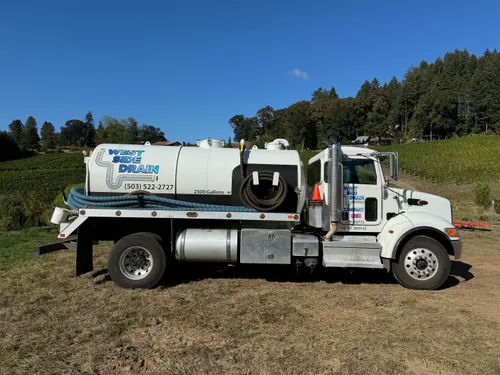
West Side Drain and Septic
9460 SW Tigard St STE 102 A, Tigard, OR 97223
West Side Drain and Septic is a septic tank pumping, inspection, and repair company serving Portland, OR, and the surrounding metro area. They provide comprehensive septic system services including maintenance, repairs, and emergency drain cleaning. The company is equipped with fully stocked service vehicles and uses advanced tools like cameras and drain scrubbing equipment to diagnose and resolve issues efficiently. With over 16 years of experience, West Side Drain and Septic offers 24-hour service to address urgent plumbing and septic needs.
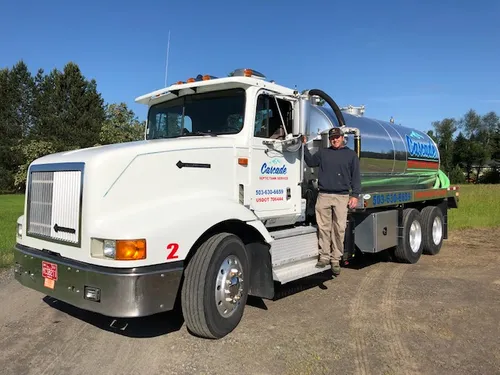
Cascade Septic Tank Service
Portland, OR
Cascade Septic Tank Service is a family-, veteran-, and woman-owned business serving Portland, OR, and Clackamas County with over 45 years of experience. They provide a range of septic services including pumping, inspection, repair, installation, and troubleshooting technical issues. The company is DEQ- and Orenco-certified, ensuring adherence to high standards of quality and environmental responsibility. Cascade Septic Tank Service is committed to environmentally friendly solutions and offers military and senior discounts.
Understanding Your Septic System
A septic system is an on-site wastewater treatment structure, commonly used in rural areas and properties outside city sewer lines. It consists of two main parts: the tank and the drain field (or leach field). All household wastewater flows into the septic tank, where solids settle to the bottom as sludge, and fats and oils float to the top as scum. The liquid effluent in the middle layer then exits the tank into the drain field, where it is filtered through the soil.
The key to a healthy system is regular maintenance, primarily through periodic septic tank cleaning. If the sludge and scum layers are not removed, they can build up until solids flow into and clog the drain field. A failed drain field is one of the most expensive and disruptive problems a homeowner can face, often requiring complete replacement.
How Often Should You Pump Your Septic Tank in Portland?
The frequency for septic tank service is not one-size-fits-all. It depends on your tank size, the number of people in your household, and your water usage habits. General guidelines for the Portland area suggest pumping every 3 to 5 years. However, the most reliable method is to have your tank inspected annually to measure the sludge and scum levels.
The Oregon Department of Environmental Quality (DEQ) provides more specific recommendations based on household size 1:
- 1-2 people: Pump every 5 years.
- 3-5 people: Pump every 3-4 years.
- 6+ people: Pump every 1-2 years.
Important Note: These are general guidelines. Systems with garbage disposals, which significantly increase solid waste, or older tanks (manufactured before 1979) may require more frequent pumping 2. The definitive indicator is the accumulation of solids. You should schedule a pump-out when the combined sludge and scum layers exceed 35-40% of your tank's total liquid volume 2 3.
The Importance of Regular Inspection
While pumping is done every few years, annual or biennial inspections are highly recommended. Many local service providers suggest a professional check every 1-2 years, which is more frequent than the DEQ's baseline suggestion of an inspection every 5-7 years for solids accumulation 4. A thorough inspection by a licensed professional does more than just measure sludge; it checks for leaks, inspects the baffles and tees, and assesses the condition of the drain field.
An inspection can catch small issues-like a damaged outlet filter or a minor leak-before they become catastrophic failures. Think of it as a routine physical for your home's wastewater system. Only a DEQ-licensed sewage disposal service pumper is authorized to perform these services in Oregon, ensuring they meet state standards for proper waste handling and environmental protection.
What Does Septic Tank Pumping Cost in Portland?
For homeowners in the Portland metro area, the average cost for a standard residential septic tank pumping ranges from $440 to $750. Several factors influence the final price:
- Tank Size: This is the primary cost driver. Pricing is often based on a per-gallon rate, typically between $0.45 and $1.29 per gallon. A standard 1,000-gallon tank will cost less to pump than a 1,500-gallon tank.
- Tank Accessibility: Is the tank lid easily accessible, or is it buried under several feet of soil? Does the pumper truck have clear, close access? Difficult access will increase labor time and cost.
- Condition of the Tank: If the tank has never been pumped or it's been many years, the solids may be heavily compacted, requiring more time and effort to remove.
- Additional Fees: Some companies may add fuel surcharges, environmental disposal fees, or fees for cleaning the effluent filter.
While this is a necessary expense, it pales in comparison to the cost of repairing or replacing a failed drain field, which can easily run from $3,000 to $7,000 or more 5 6 7. Regular pumping and inspection are investments in preventing these major expenditures.
Find the perfect septic tank pumping contractors for your needs
Get personalized recommendations and expert advice
Choosing a Licensed Professional in Portland
This is not a DIY project. Septic waste is a biohazard, and its disposal is strictly regulated. You must hire a professional who holds a current DEQ License for Sewage Disposal Service (Pumper). This license ensures the contractor is trained in proper, safe procedures and will transport and dispose of the septage at an approved treatment facility.
When evaluating local septic service companies, ask the following questions:
- "Can you provide your DEQ pumper license number?"
- "Do you include a basic inspection with the pumping service?"
- "What is included in your quoted price? Are there any potential additional fees?"
- "Will you locate and inspect the tank lid(s) if they are buried?"
- "Do you clean or rinse the tank after pumping?"
A reputable provider will be transparent, happy to answer these questions, and will provide a detailed invoice that outlines the services performed.
Common Maintenance Pitfalls to Avoid
Proper care extends beyond just scheduling a pump-out every few years. What you put into your system daily has a huge impact on its longevity.
Do Not Pump Too Frequently: While neglect is bad, over-pumping can also be detrimental. The beneficial bacteria in your tank that break down solids need time to establish colonies. Pumping too often can disrupt this biological process.
Mind What You Flush/Drain: Your septic system is designed for human waste and toilet paper only. Avoid flushing or draining:
- Chemicals: Harsh cleaners, paints, solvents, and pesticides can kill the essential bacteria in your tank.
- Grease, Fats, and Oils: These solidify into scum and can clog inlet and outlet pipes.
- Non-Biodegradables: "Flushable" wipes, feminine hygiene products, dental floss, and cigarette butts do not break down and will fill your tank with solids quickly.
- Heavy Solids: Food scraps from a garbage disposal add significant solid load, necessitating more frequent pumping 8 9.
Protect Your Drain Field: Never park vehicles or build structures over your drain field. Also, divert rainwater runoff from roofs and driveways away from this area, as saturation can prevent the soil from properly absorbing and treating the effluent.
Signs Your Septic Tank Needs Attention
Don't wait for a complete failure. Be alert for these warning signs that your system may need pumping or repair:
- Slow Drains: Sinks, showers, and toilets that drain slowly, especially if multiple fixtures are affected.
- Gurgling Sounds: Sounds coming from your plumbing when water is draining.
- Sewage Odors: Unpleasant smells inside your home or near the tank/drain field outdoors.
- Wet, Spongy Ground: Soggy patches or standing water over the drain field, particularly with a foul smell.
- Unusually Green Grass: Grass over the drain field that is much lusher and greener than the rest of the yard can indicate a leak of nutrient-rich effluent.
If you notice any of these signs, contact a licensed septic pumper for an inspection immediately. Early intervention can save you thousands of dollars.
Frequently asked questions
Sources
Footnotes
-
How Often to Pump a Septic Tank 2026 - Clear River Environmental - https://clearriverenvironmental.com/how-often-to-pump-a-septic-tank/ ↩
-
Septic Tank Maintenance - Oregon.gov - https://www.oregon.gov/deq/FilterDocs/septictankmaintFS.pdf ↩ ↩2
-
About Septic Systems : Residential Resources - Oregon.gov - https://www.oregon.gov/deq/residential/pages/onsite-about.aspx ↩
-
Septic Tanks - Preventative Routine Maintenance - https://des.sc.gov/permits-regulations/septic-tanks/homeowner-resources/septic-tanks-preventative-routine-maintenance ↩
-
What Does Septic Tank Pumping Cost in 2025 - Hella Water - https://hellawater.com/septic-tank-pumping-cost-2025/ ↩
-
Septic Tank Pumping Cost in Portland, OR (2026) - Price Ranges + What Affects Your Quote - https://westsidedrain.com/septic-tank-pumping-cost-in-portland-or-2026-price-ranges-what-affects-your-quote/ ↩
-
SEPTIC SYSTEM MAINTENANCE Homeowner's Guide - EWEB - https://www.eweb.org/documents/Customer%20Programs/source-protection/homeowners-guide-septic.pdf ↩
-
How Much Does It Cost to Pump a Septic Tank? - https://goodmanseptic.com/pumping/cost-to-pump-septic-tank/ ↩
-
INFORMATION FOR THE PROPERTY OWNER CONSIDERING AN AEROBIC "ATU" ON-SITE SEWAGE FACILITY - https://www.co.washington.tx.us/upload/page/0901/docs/Environmental/Info%20for%20Aerobic.pdf ↩