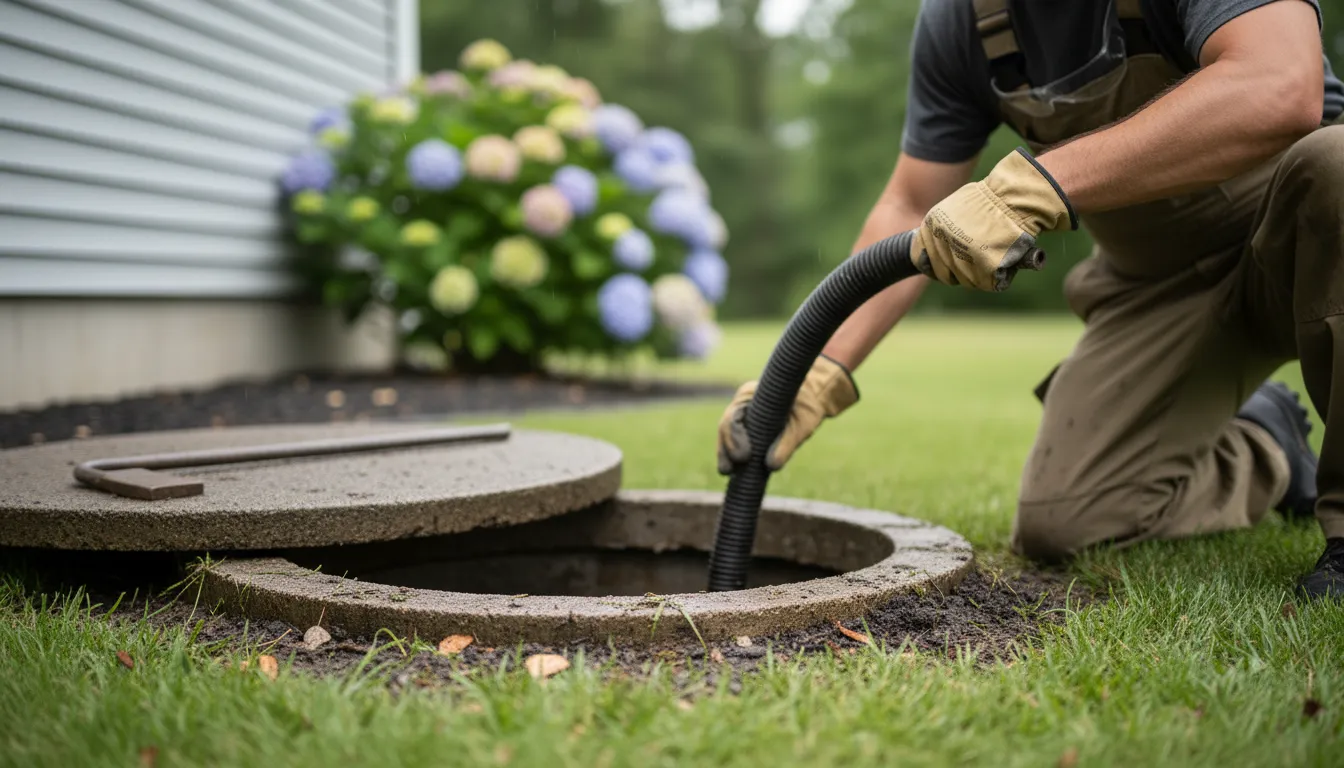
Find the Best Septic Tank Pumping Contractors for Your Business
No obligation • Fast responses • Nationwide coverage

Why you can trust Septic Spot
Septic Spot is a leading United States resource for understanding and comparing septic services. Our editors review providers using consistent criteria and verify key business details. Listings and scores are independent, and companies cannot pay to influence our content.
Search providers near you
Top Septic Tank Pumping Contractors in Tigard, Oregon Ranked
Maintaining your septic system is a crucial responsibility for any Tigard homeowner. Regular septic tank pumping is the most important preventative maintenance you can perform to protect your property, your health, and the local environment. This service involves a licensed professional removing the accumulated solids (sludge and scum) from your tank, preventing system failure and costly repairs. Understanding local regulations, recommended schedules, and best practices helps you make informed decisions to keep your system functioning smoothly for years to come.
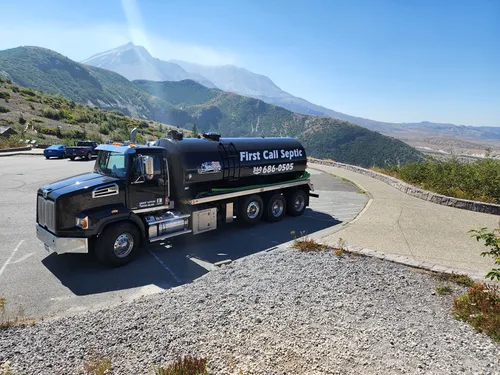
First Call Septic Service
7630 NE 219th St Suite A, Battle Ground, WA 98604
First Call Septic Service provides septic tank pumping, inspection, and cleaning services in Vancouver, WA. They serve multiple communities within Clark, Skamania, and Cowlitz counties, including Battle Ground, Camas, and Ridgefield. The company specializes in onsite sewage treatment and uses current tools and equipment to maintain septic systems effectively.
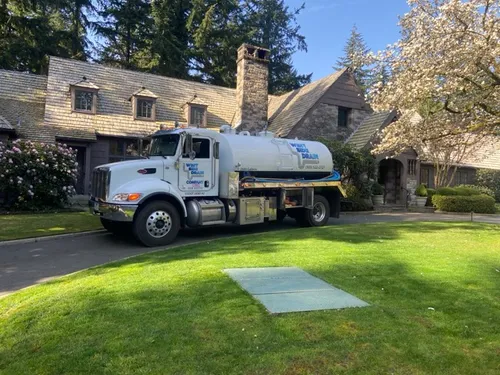
West Side Drain and Septic
Hillsboro, OR
West Side Drain and Septic is a septic tank pumping, inspection, repair, and pump replacement company serving Hillsboro, OR, and the greater Portland Metro Area. With over 16 years of experience, they provide comprehensive septic system services including 24-hour drain cleaning and emergency repairs. Their fully equipped trucks and trained technicians handle a wide range of septic and drain issues, ensuring thorough diagnosis and effective solutions. The company is family owned, licensed, and insured, with a focus on clear communication and quality workmanship.
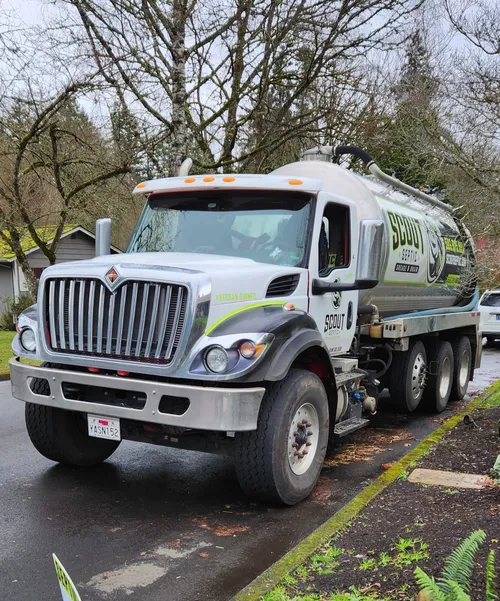
Scout Septic, Grease & Drain
15535 SE 287th Ave, Boring, OR 97009
Scout Septic, Grease & Drain provides septic tank pumping, inspection, repair, and installation services in Portland, OR. They also specialize in grease trap cleaning, pipe and drain cleaning including hydro jetting, as well as grading and excavation for residential and commercial properties. The company uses modern equipment and techniques to maintain and repair wastewater systems efficiently. Scout Septic offers 24/7 availability to address emergency needs and ensure continuous service.
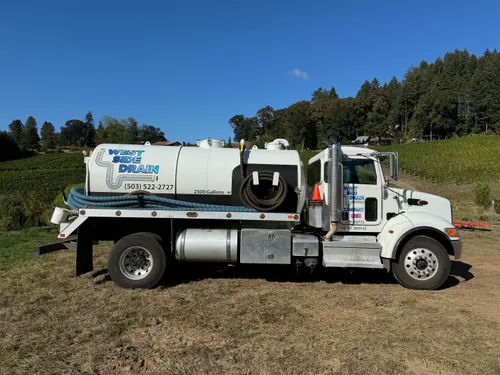
West Side Drain and Septic
9460 SW Tigard St STE 102 A, Tigard, OR 97223
West Side Drain and Septic is a septic tank pumping, inspection, and repair company serving Portland, OR, and the surrounding metro area. They provide comprehensive septic system services including maintenance, repairs, and emergency drain cleaning. The company is equipped with fully stocked service vehicles and uses advanced tools like cameras and drain scrubbing equipment to diagnose and resolve issues efficiently. With over 16 years of experience, West Side Drain and Septic offers 24-hour service to address urgent plumbing and septic needs.
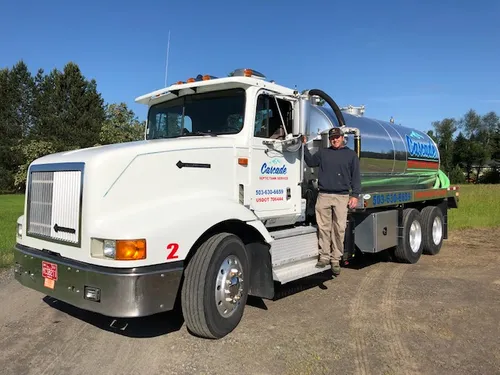
Cascade Septic Tank Service
Portland, OR
Cascade Septic Tank Service is a family-, veteran-, and woman-owned business serving Portland, OR, and Clackamas County with over 45 years of experience. They provide a range of septic services including pumping, inspection, repair, installation, and troubleshooting technical issues. The company is DEQ- and Orenco-certified, ensuring adherence to high standards of quality and environmental responsibility. Cascade Septic Tank Service is committed to environmentally friendly solutions and offers military and senior discounts.
Why Septic System Maintenance Matters in Tigard
Septic system management in Tigard falls under the jurisdiction of Washington County Environmental Health and the Oregon Department of Environmental Quality (DEQ) 1. These agencies set the standards for installation, inspection, and maintenance to protect groundwater and public health. A failing system is not just a private inconvenience; it can contaminate nearby streams, create public health hazards, and lead to significant fines for the property owner. Proactive care, starting with scheduled septic tank cleaning, is the best defense.
How Often Should You Pump Your Septic Tank?
There is no one-size-fits-all answer, but general guidelines provide a strong starting point. The DEQ and EPA recommend pumping your septic tank every 3 to 5 years 2. However, this frequency is heavily influenced by several household-specific factors:
- Household Size: More people generally mean more wastewater and solids. A standard 1,000-gallon tank serving a family of four will typically need pumping every 2.5 to 3 years 3.
- Tank Size and Usage: A 1,000-gallon system used by only two people may only require service every 6 years. Conversely, a smaller tank with the same number of residents will fill faster.
- Garbage Disposal Use: Frequent use of a garbage disposal significantly increases the amount of solids entering the tank, necessitating more frequent pumping 4.
- Sludge and Scum Levels: The most accurate method for determining pump-out need is a professional inspection. If the combined sludge and scum layers exceed 35-40% of the tank's liquid depth, pumping is required 5 6.
Waiting too long between septic tank services is the leading cause of system failure. When solids overflow into the drainfield, they can clog the soil, leading to backups, soggy ground, and an expensive repair or full replacement.
The Importance of Professional Inspections
While pumping removes accumulated waste, a thorough inspection ensures all components are working correctly. Experts recommend having your entire septic system inspected every 1 to 3 years 7. A qualified professional will:
- Measure sludge and scum levels to determine pumping need.
- Check the integrity of inlet and outlet baffles or tees.
- Inspect the effluent filter (if present) and clean it.
- Examine the drainfield for signs of failure, such as surfacing effluent or overly lush grass.
- Look for cracks or leaks in the tank itself.
In Oregon, both pumping and inspection must be performed by a DEQ-licensed sewage disposal service provider 8. Always ask for proof of licensing. Maintaining detailed records of all inspections, pumping dates, and any repairs is strongly advised for your own reference and for future property sales 9.
Find the perfect septic tank pumping contractors for your needs
Get personalized recommendations and expert advice
Understanding Costs for Septic Services
The cost of septic maintenance is an investment in protecting your property's value. While prices vary based on the provider, tank size, accessibility, and system complexity, you can expect the following general ranges in the Tigard area:
- Average Pumping Cost: A standard septic tank pumping typically costs between $300 and $700 10 11. Complex access or very large tanks may increase this price.
- Inspection Fees: A basic inspection is often included with a pumping service. However, a more detailed, standalone inspection or a inspection required for a real estate transaction may have a separate fee.
- The Cost of Neglect: Contrast these maintenance costs with the price of repairing or replacing a failed drainfield, which can run into the tens of thousands of dollars 12. Regular pumping is the most cost-effective strategy for long-term septic system health.
Best Practices for a Healthy Septic System
Pumping is essential, but what you do between service visits greatly impacts your system's longevity. Follow these DOs and DON'Ts to keep your system in top shape:
DO:
- Conserve Water: Spread out laundry loads and fix leaky faucets to avoid hydraulically overloading the system.
- Divert Rainwater: Ensure roof drains and surface runoff are directed away from the drainfield.
- Use Toilet Paper Wisely: Use only biodegradable, septic-safe toilet paper.
DON'T:
- Use Additives: Avoid septic tank additives or "cleaners." They are generally not needed and can actually damage the natural bacterial balance in your tank and clog the drainfield.
- Flush Harmful Items: Never flush "flushable" wipes, feminine hygiene products, diapers, cigarette butts, coffee grounds, or cat litter. These do not break down and will quickly fill your tank.
- Pour Grease or Chemicals: Cooking grease, oils, paints, solvents, and harsh household cleaners can kill beneficial bacteria and contaminate groundwater.
- Drive or Build on the Drainfield: Compacting the soil over your drainfield with vehicles, sheds, or patios can crush pipes and ruin the system 13.
Accessing Your System's History in Washington County
If you're a new homeowner or have lost your maintenance records, you can contact the Washington County Onsite Sewage Program for specific records related to your property's septic system 14. They may have information on the system's design, installation permit, and past inspection reports, which can be invaluable for planning future maintenance.
Frequently asked questions
Sources
Footnotes
-
Septic Systems Oregon Coast Guide for Homeowners - https://audrascoasthomes.com/blog/septic-systems-and-sewer-lines-what-every-oregon-coast-homeowner-should-know ↩
-
About Septic Systems : Residential Resources - Oregon.gov - https://www.oregon.gov/deq/residential/pages/onsite-about.aspx ↩
-
When to Pump Your Septic Tank | Roto-Rooter - https://www.rotorooter.com/blog/outdoor-plumbing/5-signs-its-time-to-call-your-septic-pumping-service/ ↩
-
Septic tank maintenance | OSU Extension Service - https://extension.oregonstate.edu/catalog/ec-1343-septic-tank-maintenance ↩
-
SEPTIC SYSTEM MAINTENANCE Homeowner's Guide - EWEB - https://www.eweb.org/documents/Customer%20Programs/source-protection/homeowners-guide-septic.pdf ↩
-
Septic Tank Maintenance - Oregon.gov - https://www.oregon.gov/deq/FilterDocs/septictankmaintFS.pdf ↩
-
Frequent Questions on Septic Systems | US EPA - https://www.epa.gov/septic/frequent-questions-septic-systems ↩
-
How Often to Pump a Septic Tank - Clear River Environmental - https://clearriverenvironmental.com/how-often-to-pump-a-septic-tank/ ↩
-
When should I pump my septic tank? - OSU Extension Service - https://extension.oregonstate.edu/ask-extension/featured/when-should-i-pump-my-septic-tank ↩
-
How Often to Pump Septic Tank: 2026 Maintenance Guide - https://dandhsepticservices.com/how-often-to-pump-septic-tank/ ↩
-
How Much Does Septic Tank Pumping Cost? (2026) - https://todayshomeowner.com/plumbing/cost/septic-tank-pumping-cost/ ↩
-
How Often to Pump Septic Tank: 2026 Maintenance Guide - https://dandhsepticservices.com/how-often-to-pump-septic-tank/ ↩
-
Septic System DO's and DON'Ts - Oregon.gov - https://www.oregon.gov/deq/FilterDocs/SepticDoDont.pdf ↩
-
Onsite Sewage | Washington County, OR - https://www.washingtoncountyor.gov/environmental-health/onsite-sewage ↩