Find the Best Septic Tank Pumping Contractors for Your Business
No obligation • Fast responses • Nationwide coverage

Why you can trust Septic Spot
Septic Spot is a leading United States resource for understanding and comparing septic services. Our editors review providers using consistent criteria and verify key business details. Listings and scores are independent, and companies cannot pay to influence our content.
Search providers near you
Best Septic Tank Pumping Contractors in Pennsylvania Ranked
Maintaining your septic system is a critical responsibility for Pennsylvania homeowners. Regular septic tank pumping is not just a recommendation; it's often a legal requirement mandated by local municipalities to protect public health and the state's water resources. This essential service removes accumulated solids from your tank, preventing system failures, costly repairs, and environmental contamination. Finding a licensed, reliable professional for this job is key to staying compliant and protecting your property's value.
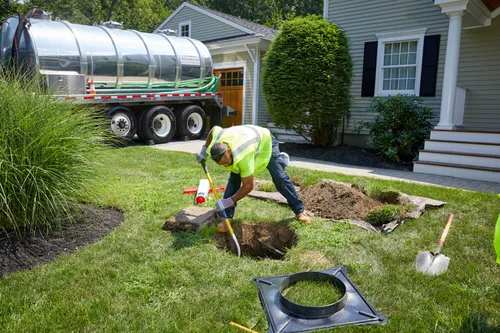
Wind River Environmental of Swedesboro, NJ
701 2nd St, Swedesboro, NJ 08085
Wind River Environmental of Swedesboro, NJ provides septic tank pumping, grease trap cleaning, and drain services to residential, commercial, and municipal clients in Philadelphia, PA. The company offers comprehensive septic system maintenance, including sewer jetting and repairs, with a focus on compliance with local regulations. Established in 1946, Wind River Environmental combines decades of industry experience with modern technology to deliver effective solutions. They also provide 24/7 emergency services to address urgent septic system needs.
EcoFlow Septic
Philadelphia, PA
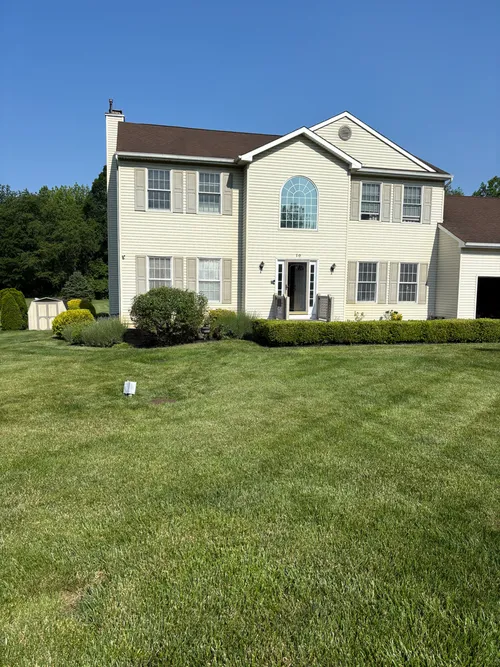
EcoFlow Septic is a veteran-owned company providing residential septic and sewer services in Philadelphia, PA. They offer septic tank pumping, inspections, and repairs with a focus on detailed, code-compliant work. The company emphasizes clear communication and practical solutions to help homeowners and realtors manage septic system maintenance and real estate inspections with confidence. EcoFlow Septic aims to protect homes, investments, and the environment through honest and professional service.
Septix
455 Texas Rd, Easton, PA 18042
Septix is a septic tank pumping, inspection, repair, and installation company based in Allentown, PA. They offer comprehensive septic system services, including emergency response for alarms and backups. Septix provides 24/7 emergency services to address urgent septic problems promptly. Customers can schedule consultations to diagnose issues and receive repair or replacement solutions.
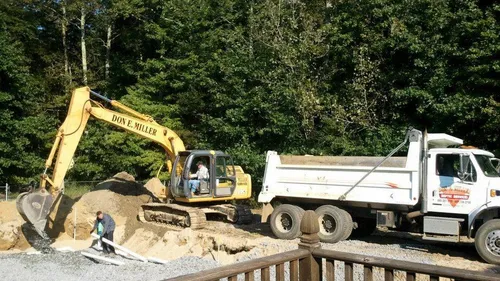
Don E Miller Septic Service Inc & Donny's Potty's
362 Meany Rd, North Hanover, NJ 08562
Don E Miller Septic Service Inc & Donny's Potty's is a family-owned septic service provider based near Philadelphia, PA. They offer a wide range of septic system services including pumping, inspections, repairs, and installations, as well as portable toilet rentals for residential, commercial, and municipal customers. The company has been serving the North Hanover Township area and surroundings since 1963, providing expertise in maintaining and installing various septic system components such as dosing pumps, grease traps, and effluent filters.
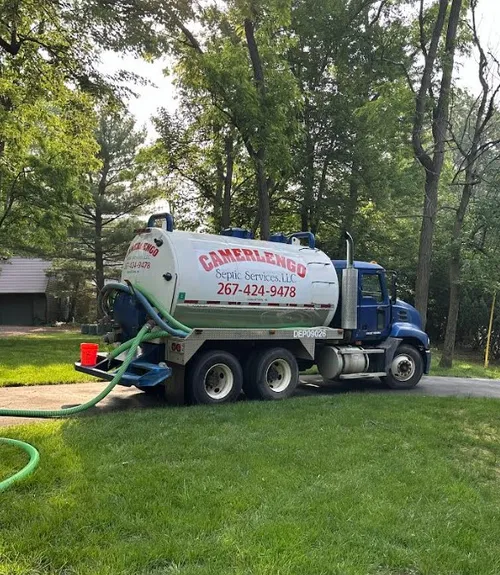
Camerlengo Septic Services LLC
1069 Old School Rd, Quakertown, PA 18951
Camerlengo Septic Services LLC provides septic tank pumping and septic system repair services in Allentown, PA, and the surrounding Bucks and Montgomery counties. The company offers 24/7 emergency septic service, including fast response for septic backups, pump failures, and holding tank overflows. Their licensed and insured team is PSMA-certified and equipped to diagnose and repair septic system issues efficiently. Camerlengo Septic Services is locally owned and operated, with expertise in the specific soil conditions and regulations of Southeastern Pennsylvania.
Understanding Pennsylvania's Pumping Requirements
In Pennsylvania, the operation and maintenance of on-lot sewage systems are governed by a combination of state regulations from the Department of Environmental Protection (PA DEP) and local municipal ordinances. Most townships and boroughs have enacted mandatory pumping ordinances that require homeowners to have their septic tanks pumped at regular intervals and to provide proof of service.
The most common mandated interval is every three years. However, some municipalities may allow for a longer period-typically up to five years-if a professional conducts a sludge and scum inspection and certifies that the tank is less than one-third full 1. It is your responsibility as a homeowner to know and follow the specific rules set by your local Sewage Enforcement Officer (SEO) or township office.
Failing to comply with these ordinances can result in warnings, fines, and even legal action. More importantly, neglect can lead to a system failure, which poses serious health risks and can cost tens of thousands of dollars to remediate.
The Homeowner's Role in System Maintenance
Proactive maintenance goes beyond just scheduling a pump-out when you get a notice. As a system owner, you have several key responsibilities:
- Know Your System: Locate your tank, distribution box, and drainfield. Keep a sketch or diagram for future reference.
- Provide Access: Ensure the pumper can easily access the tank lids. If lids are buried, you may be responsible for uncovering them before the service technician arrives to avoid additional labor charges.
- Hire a Licensed Professional: Always use a DEP-licensed septic hauler. These professionals are trained, insured, and authorized to transport and dispose of septage properly2 3.
- Keep Records: File every pumping receipt, inspection report, and permit. You will need to submit this proof of compliance to your local municipality4.
- Practice Good Habits: Avoid pouring grease, chemicals, or non-biodegradable items down the drain. Conserve water and divert roof drains away from the drainfield.
Factors Influencing Pumping Frequency
While the three-year rule is a safe baseline, several factors can necessitate more frequent septic tank service.
- Household Size: The number of people living in your home is the primary driver of wastewater volume. A large family will fill the tank with solids much faster than a single occupant, potentially requiring annual or biennial pumping.
- Tank Size: Older homes may have smaller tanks. A 500-gallon tank serving a family of four will need pumping far more often than a 1,500-gallon tank serving the same family. A typical 3-bedroom home in PA often has a 900-1,000 gallon tank5.
- Garbage Disposal Use: Using a garbage disposal significantly increases the amount of solids entering the tank, shortening the time between necessary pumpings.
- Overall Water Usage: High-efficiency appliances reduce water flow, which is beneficial. Conversely, excessive water use from leaks, long showers, or frequent laundry loads can overwhelm the system.
Find the perfect septic tank pumping contractors for your needs
Get personalized recommendations and expert advice
What to Expect: The Pumping Process and Costs
When you hire a licensed professional for septic tank pumping in Pennsylvania, the standard service involves using a vacuum truck to remove all liquid and solid waste from the tank. The technician may also briefly inspect the baffles and inlet/outlet pipes for obvious damage.
Typical costs for a standard residential pump-out range from $250 to $4006 7. Several variables can increase this price:
- Tank Size and Condition: Larger tanks or those that are severely overdue for service cost more.
- Accessibility: If the tank lids are buried deep or located under a structure, the pumper may charge extra for the labor to excavate them8.
- Location: Travel distance to your property and local disposal fees can affect the final price.
- Additional Services: A full inspection, camera scan of lines, or minor repairs will be added to the base pumping charge.
Always get a detailed written estimate before work begins.
Recognizing Signs of Trouble
Don't wait for a mandatory notice or a complete failure. Be alert for these warning signs that your system needs immediate attention:
- Slow Drains: Sinks, showers, and toilets that drain slowly, especially after heavy rain.
- Sewage Backups: Wastewater backing up into household drains or toilets.
- Unpleasant Odors: Foul smells around the tank or drainfield area, either indoors or outside.
- Drainfield Issues: Spongy, mushy, or overly lush green grass over the drainfield, even during dry weather.
- Standing Water: Puddles or soggy soil in the yard near the system components.
If you observe any of these signs, contact a licensed professional immediately. You should also notify your local Sewage Enforcement Officer (SEO) if you suspect a system failure9.
Beyond Pumping: The Importance of Inspections
While pumping removes solids, a comprehensive annual inspection is crucial for catching problems early. A good inspection should check:
- Mechanical Components: The function of pumps, alarms, and electrical floats (if present).
- Structural Integrity: The condition of the tank, lids, and baffles.
- Drainfield Function: An assessment of the absorption area for signs of failure.
Many municipalities require an inspection report in conjunction with the pumping receipt. Regular inspections can extend the life of your drainfield, which is the most expensive component to replace.
Choosing the Right Service Provider in Pennsylvania
Selecting a qualified contractor is essential. Look for a company that:
- Holds a current PA DEP Hauler License.
- Provides clear, written estimates and detailed service reports.
- Has positive reviews and a good reputation in your community.
- Is willing to explain the process and answer your questions.
- Offers both pumping and inspection services.
A reliable professional is your partner in maintaining a healthy, compliant septic system for years to come.
Frequently asked questions
Sources
Footnotes
-
Article IV: Pumping of On-Lot Sewage Disposal Septic Tanks - eCode360 ↩
-
Onlot System Operation and Maintenance - Pennsylvania Department of Environmental Protection ↩
-
PUMP It Out! - Chester County Regional Planning Commission ↩
-
Local Township Pumping Guidelines & Requirements - John Kline Septic ↩
-
The Ins and Outs of Septic Systems in Pennsylvania - East Vincent Township ↩