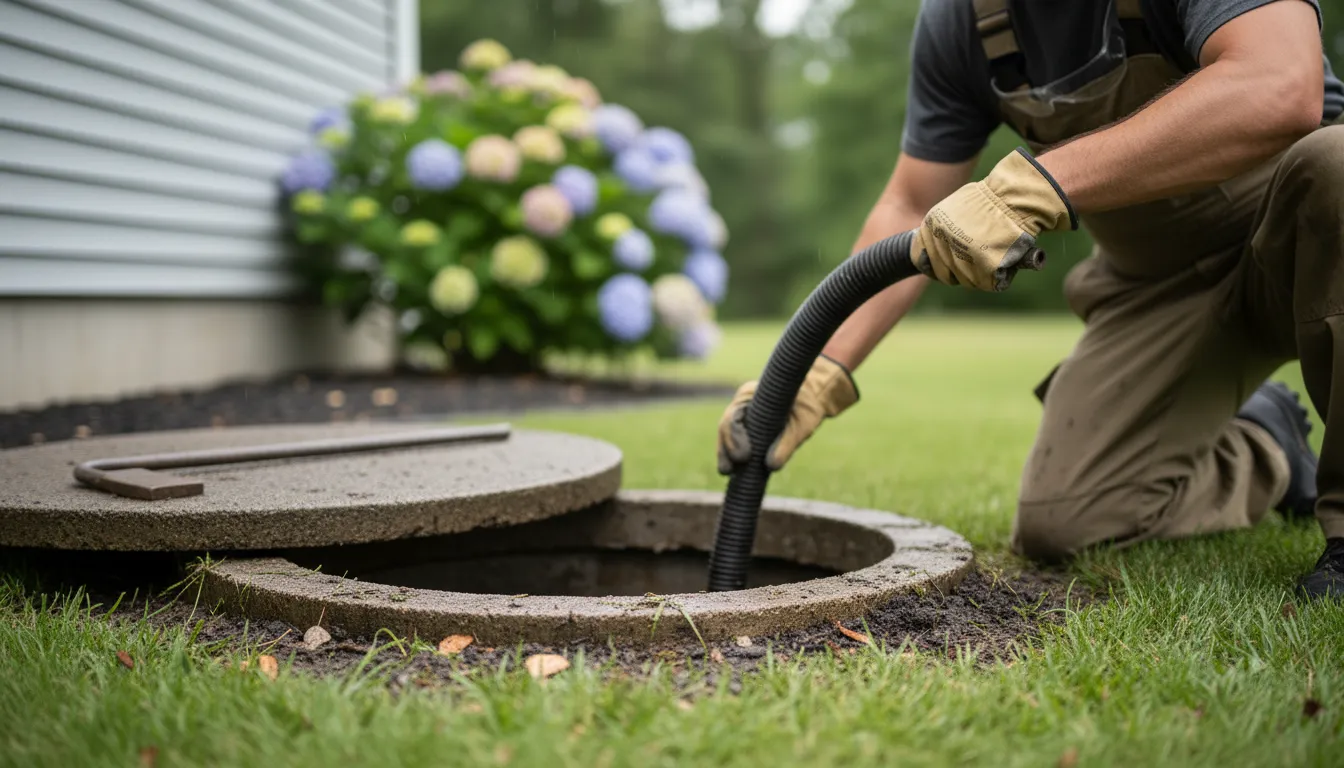
Find the Best Septic Tank Pumping Contractors for Your Business
No obligation • Fast responses • Nationwide coverage

Why you can trust Septic Spot
Septic Spot is a leading United States resource for understanding and comparing septic services. Our editors review providers using consistent criteria and verify key business details. Listings and scores are independent, and companies cannot pay to influence our content.
Search providers near you
Top Septic Tank Pumping Contractors in Philadelphia, Pennsylvania Ranked
Maintaining a healthy septic system is a critical responsibility for homeowners not connected to a municipal sewer line. Regular septic tank pumping is the cornerstone of this maintenance, preventing costly backups, environmental contamination, and system failure. This guide provides essential information on septic system service in Philadelphia, helping you understand the recommended schedule, costs, and how to find qualified local professionals to handle this vital task.
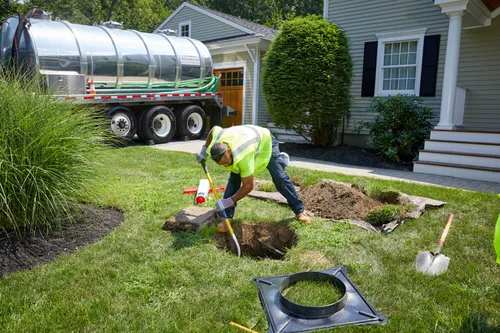
Wind River Environmental of Swedesboro, NJ
701 2nd St, Swedesboro, NJ 08085
Wind River Environmental of Swedesboro, NJ provides septic tank pumping, grease trap cleaning, and drain services to residential, commercial, and municipal clients in Philadelphia, PA. The company offers comprehensive septic system maintenance, including sewer jetting and repairs, with a focus on compliance with local regulations. Established in 1946, Wind River Environmental combines decades of industry experience with modern technology to deliver effective solutions. They also provide 24/7 emergency services to address urgent septic system needs.
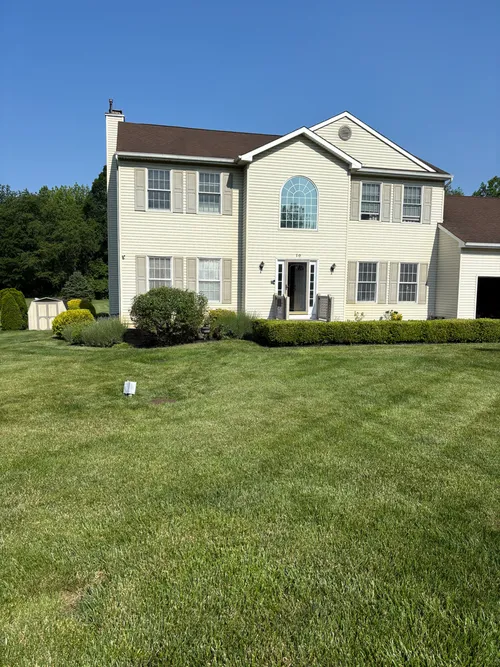
EcoFlow Septic
Philadelphia, PA
EcoFlow Septic is a veteran-owned company providing residential septic and sewer services in Philadelphia, PA. They offer septic tank pumping, inspections, and repairs with a focus on detailed, code-compliant work. The company emphasizes clear communication and practical solutions to help homeowners and realtors manage septic system maintenance and real estate inspections with confidence. EcoFlow Septic aims to protect homes, investments, and the environment through honest and professional service.
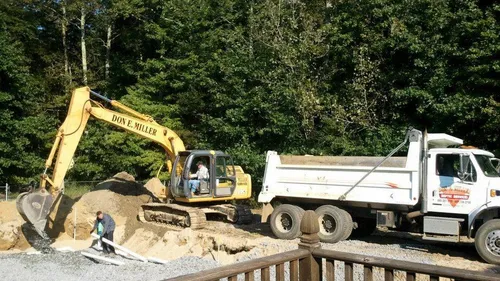
Don E Miller Septic Service Inc & Donny's Potty's
362 Meany Rd, North Hanover, NJ 08562
Don E Miller Septic Service Inc & Donny's Potty's is a family-owned septic service provider based near Philadelphia, PA. They offer a wide range of septic system services including pumping, inspections, repairs, and installations, as well as portable toilet rentals for residential, commercial, and municipal customers. The company has been serving the North Hanover Township area and surroundings since 1963, providing expertise in maintaining and installing various septic system components such as dosing pumps, grease traps, and effluent filters.

Decker Septic
29 Constitution Dr, Vincentown, NJ 08088
Decker Septic is a septic system service provider based near Philadelphia, PA. They offer a range of services including septic tank pumping, inspections, repairs, installations, and drain field replacement. The company is experienced in handling septic pump repairs and replacements, as well as managing system components like collars and manhole covers to prevent flooding issues. Customers have noted their thorough approach to septic system replacement and maintenance, including assistance with engineering and county approvals. Decker Septic is known for working within tight timelines and maintaining property condition during their work.
Professional Plus Services Inc
55 N Schuylkill Ave, Norristown, PA 19403
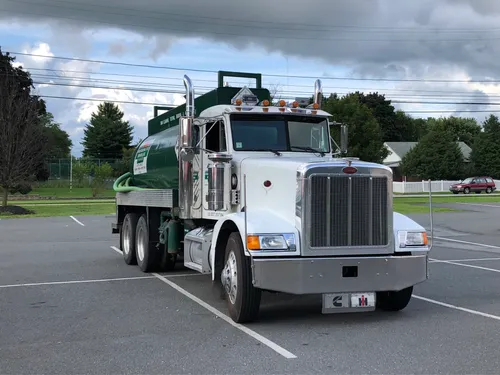
Professional Plus Services Inc is a family-owned and operated company based near Philadelphia, PA, specializing in septic tank pumping and portable toilet rentals. They provide septic pumping services for yearly system maintenance and quarterly holding tank pumping. The company also offers a variety of portable toilet options, including standard units and a 4-stall toilet trailer, available for short or long-term rental. With years of experience, they focus on cleanliness and reliable sanitation solutions.
Why Regular Septic Pumping is Essential
A septic system is an on-site wastewater treatment plant for your home. All the water from your toilets, showers, sinks, and washing machine flows into an underground septic tank. Inside, solids settle to the bottom as sludge, and fats float to the top as scum. The liquid effluent in the middle layer then flows out to a drain field for further filtration into the soil.
The pumping process removes the accumulated sludge and scum that cannot be broken down by bacteria. If these layers become too thick, they can flow into and clog the drain field, leading to sewage backups in your home or soggy, foul-smelling patches in your yard-a complete and very expensive system failure. Regular septic cleaning is a preventative measure that protects your property, your health, and the local groundwater.
Recommended Pumping Frequency for Philadelphia Homes
A common rule of thumb is to have your septic tank pumped every 3 to 5 years. However, this is a general guideline. The Pennsylvania Department of Environmental Protection (PA DEP) emphasizes that the actual frequency for your home depends on several key factors:
- Household Size: More people generate more wastewater and solids. A 1-2 person household might extend service intervals to 5+ years, while a family of 5 or more will likely need pumping more frequently, perhaps every 2-3 years 1 2.
- Tank Size: A larger tank has a greater capacity and can hold more solids before needing service.
- Total Wastewater Generated: High water usage from frequent laundry, long showers, or garbage disposals accelerates the fill rate of your tank.
The most reliable method is to have your system inspected regularly. PA guidelines often recommend inspections every 1 to 3 years 3. During an inspection, a professional will measure the sludge and scum layers. A critical rule is that a tank must be pumped if the solids or scum fill more than one-third of the tank's liquid depth 4. Relying on inspections rather than a fixed calendar date ensures you pump only when necessary, saving money and optimizing system health.
What to Expect: The Septic Pumping Process
Understanding what happens during a pump-out can help you prepare and ensure the job is done correctly.
- Locating and Accessing the Tank: The service technician will first locate your tank's access lids, which are typically buried underground. You may need to mark these lids beforehand. If they are not easily accessible, some digging may be required, which can add to the labor time and cost.
- Pumping and Removal: Using a large truck with a powerful vacuum hose, the technician will pump out all the contents of the tank-sludge, scum, and liquid. This waste is then transported to a licensed treatment facility.
- Basic Inspection: A thorough service often includes a basic inspection. The technician may check for cracks in the tank, look at the inlet and outlet baffles for blockages, and note the overall condition. They should inform you of any immediate concerns.
- System Rinsing and Closing: The tank is typically rinsed with water to help break up remaining solids, and the lids are securely replaced and reburied.
It's crucial to hire a PA DEP-licensed pumper for this job. Licensed professionals understand state and local regulations, ensure proper waste disposal, and are trained to identify potential problems.
Cost of Septic Tank Pumping in Philadelphia
The cost for septic tank pumping in the Philadelphia area typically ranges from $280 to $520, with an average cost falling between $380 and $423 for a standard residential tank 5 6 7. Several factors influence the final price:
- Tank Size and Volume: Larger tanks cost more to pump.
- Tank Accessibility: If the lids are buried deep or located in a hard-to-reach area (behind a fence, under a deck), extra labor for digging and access will increase the price 8 9.
- Condition of the Tank: If the tank has not been pumped in many years and is overly full or has hardened sludge, it may require more time and effort.
- Additional Services: A full inspection, filter cleaning, or minor repairs will add to the base pumping cost.
Always get detailed estimates from a few licensed providers. The lowest price isn't always the best value; ensure the quote includes all necessary labor for access and a thorough job.
Find the perfect septic tank pumping contractors for your needs
Get personalized recommendations and expert advice
Beyond Pumping: Comprehensive Septic System Care
Pumping is the most critical service, but overall septic system maintenance involves more.
- Annual Inspections: Even in years you don't pump, a professional inspection can catch small issues like a failing effluent filter, a damaged baffle, or early signs of drain field problems 10 11. This proactive approach can prevent catastrophic failures.
- Water Conservation: Reducing water flow into the tank is one of the best things you can do. Fix leaky faucets and toilets, install water-efficient fixtures, and spread out laundry loads over the week 12. Less water means slower accumulation of solids and less strain on the drain field.
- Mind What You Flush: Your septic system is designed for human waste and toilet paper. Never flush wipes (even "flushable" ones), feminine hygiene products, dental floss, cooking grease, or chemicals. These materials clog systems and kill the essential bacteria that break down waste.
- Protect Your Drain Field: Never park vehicles or build structures over your drain field. Keep roof drains and sump pump discharges away from the area to prevent saturation.
Keeping Records and Knowing Regulations
Pennsylvania's Act 537 governs sewage management, and local municipalities may have specific ordinances 13. It is your responsibility as a homeowner to know and follow these rules. Keep detailed records of every pumping and inspection service, including dates, the company name, what was done, and any observations 14. This log proves compliance if ever questioned and provides a valuable history for future service providers.
If you are buying or selling a home with a septic system in Philadelphia, a thorough inspection and certification of the system's functionality is often required. Using licensed, experienced professionals for this certification is non-negotiable.
Finding a Reliable Service Provider
Start your search for septic services by looking for companies that are explicitly licensed by the PA DEP. Check online reviews and ask neighbors for recommendations. A reputable company will be happy to provide proof of licensing and insurance, offer a clear written estimate, and explain the process. They should also be willing to discuss your system's history and recommend a personalized maintenance schedule based on your household's needs.
Frequently asked questions
Sources
Footnotes
-
How Often to Pump a Septic Tank 2026 - Clear River Environmental - https://clearriverenvironmental.com/how-often-to-pump-a-septic-tank/ ↩
-
How to Properly Care for Your Septic Tank System in NEPA - https://mountaintovalleyhomeinspections.com/how-to-properly-care-for-your-septic-tank-system-in-nepa/ ↩
-
Septic System Basics - Penn State Extension - https://extension.psu.edu/septic-system-basics ↩
-
The Ins and Outs of Septic Systems in Pennsylvania - https://www.eastvincent.org/vertical/sites/%7B5B8F1E55-6CA8-450E-BB40-12A8385B1313%7D/uploads/septicsystems%281%29.pdf ↩
-
Septic Tank Pumping Cost: Guide & Pricing in 2025 - Splash Plumbing - https://www.splashplumbing.com/how-much-does-it-cost-to-pump-septic-tank-understanding-pricing-and-factors-involved/ ↩
-
Septic Pumping in Philadelphia, PA - Costs 03 / 2026 - Homeyou - https://www.homeyou.com/pa/septic-pumping-philadelphia-costs ↩
-
What is the average cost of septic pumping in Penn 15675? - https://www.facebook.com/groups/accesswestmoreland/posts/7771630379621024/ ↩
-
PUMP It Out! - https://www.crcog.net/vertical/sites/%7B6AD7E2DC-ECE4-41CD-B8E1-BAC6A6336348%7D/uploads/Sewer_Brochure%281%29.pdf ↩
-
Optimizing Septic Tank Pumping Frequency for Households - https://www.unitedsewerservice.com/frequency-of-septic-tank-pumping-for-different-household-sizes/ ↩
-
Septic Tanks - Preventative Routine Maintenance - https://des.sc.gov/permits-regulations/septic-tanks/homeowner-resources/septic-tanks-preventative-routine-maintenance ↩
-
minimum operation and maintenance needs for onlot sewage ... - https://greenport.pa.gov/elibrary/PDFProvider.ashx?action=PDFStream&docID=9121643&chksum=&revision=0&docName=COMPONENT+2M+%28SEWAGE+MANAGEMENT+PROGRAM%29+MINIMUM+O+%26amp%3B+M+NEEDS&nativeExt=pdf&PromptToSave=False&Size=202513&ViewerMode=2&overlay=0 ↩
-
4.5 Cisterns - Development Services - Philadelphia Water Department - https://water.phila.gov/development/stormwater-plan-review/manual/chapter-4/4-5-cisterns/ ↩
-
ACT 537: SEWAGE MANAGEMENT PROGRAMS Treatment ... - https://greenport.pa.gov/elibrary/PDFProvider.ashx?action=PDFStream&docID=6866&chksum=&revision=2&docName=ACT+537%3A+SEWAGE+MANAGEMENT+PROGRAMS+-+TREATMENT+TANK+PUMPING+IS+FUNDAMENTAL&nativeExt=pdf&PromptToSave=False&Size=240364&ViewerMode=2&overlay=0 ↩
-
Septic Systems | Department of Environmental Protection | Commonwealth of Pennsylvania - https://www.pa.gov/agencies/dep/residents/my-water/septic-systems ↩