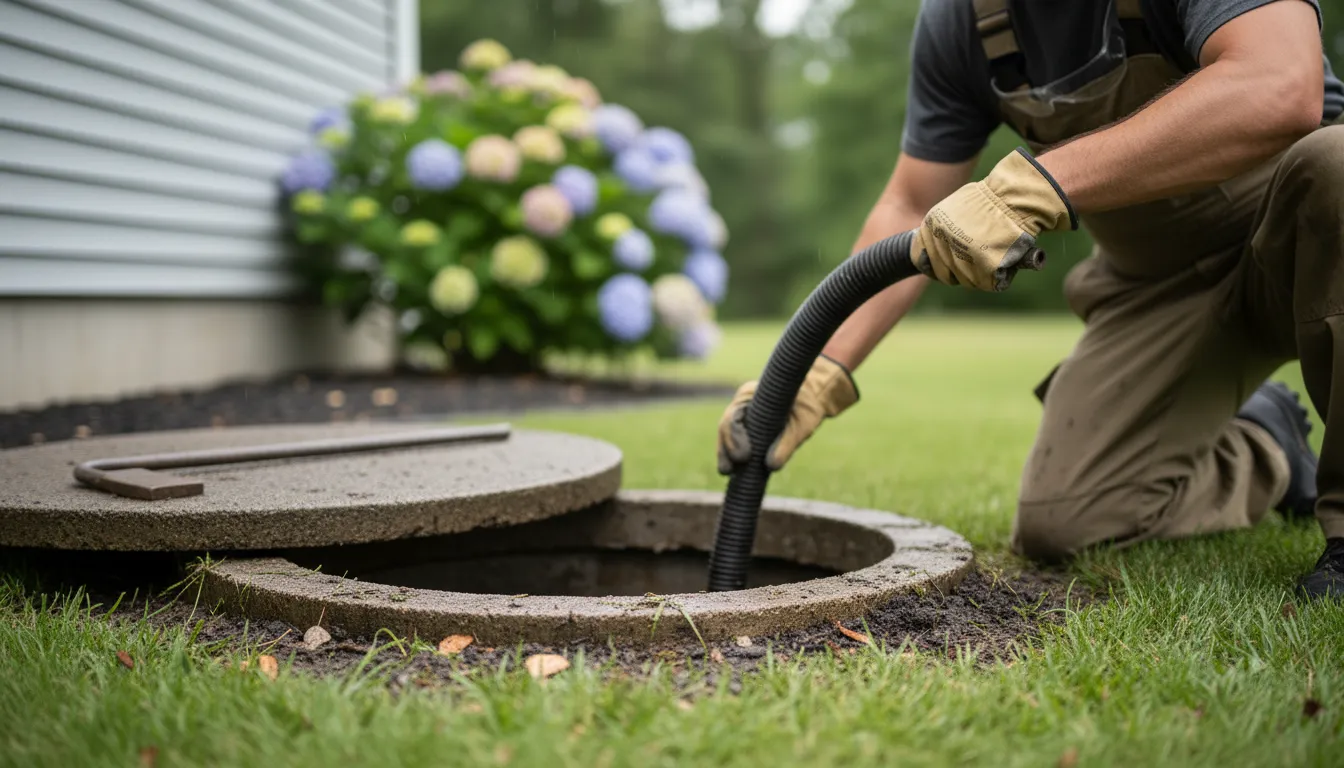
Find the Best Septic Tank Pumping Contractors for Your Business
No obligation • Fast responses • Nationwide coverage

Why you can trust Septic Spot
Septic Spot is a leading United States resource for understanding and comparing septic services. Our editors review providers using consistent criteria and verify key business details. Listings and scores are independent, and companies cannot pay to influence our content.
Search providers near you
Best Septic Tank Pumping Contractors in South Carolina Ranked
Maintaining your septic system is a critical responsibility for South Carolina homeowners. Regular septic tank pumping removes accumulated solids, preventing system backups, drain field failure, and environmental contamination. This guide provides clear, state-specific information on regulations, schedules, costs, and best practices to help you find qualified local professionals for this essential service.

Superior Vac & Septic LLC
109 Hollow Tree Ct, Lugoff, SC 29078
Superior Vac & Septic LLC is a veteran-owned business based near Columbia, SC, offering septic tank pumping, inspections, and system repairs. They serve Kershaw County and surrounding areas with services including septic tank cleaning, mainline hydro-jetting for clog and root removal, pump replacement, lift station cleaning, and camera inspections. The company operates 24/7 to provide continuous support for septic system needs.
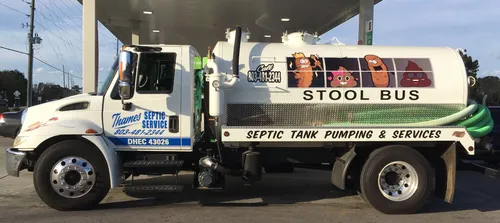
Thames Lawn Care, Pressure Washing, & Septic Service
870 Twin Lakes Dr, Sumter, SC 29154
Thames Lawn Care, Pressure Washing, & Septic Service is located in Columbia, SC, offering a variety of outdoor and septic services. They provide septic tank pumping, septic tank installation, and drain line installation alongside lawn care and pressure washing. Their septic services include routine and emergency pumping to maintain system function. Thames Lawn Care also handles landscaping projects such as sod installation, irrigation systems, and pest control.
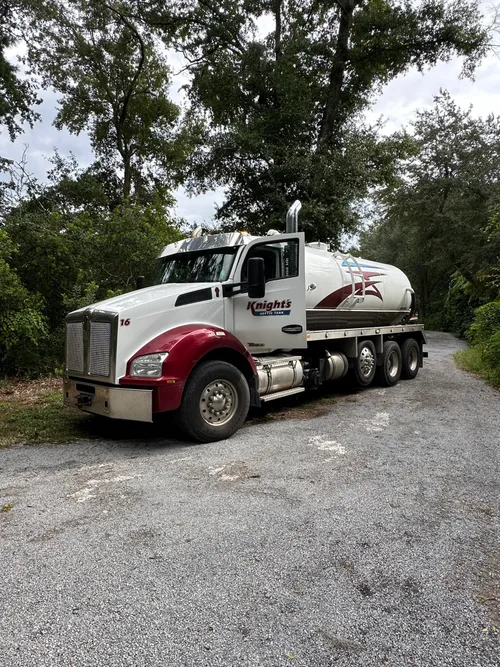
Knights Septic Tank Services
288 Hodge Rd, Summerville, SC 29483
Knights Septic Tank Services has been serving Charleston, SC, and the surrounding Lowcountry area since 1969. The company offers a full range of septic services including pumping, inspection, installation, and repair for both residential and commercial clients. They also manufacture precast concrete septic tanks and grease traps through their specialized divisions. Their licensed engineers and technicians bring over 30 years of combined experience to each project. Knights Septic Tank Services operates pump trucks seven days a week by appointment to accommodate customer needs.
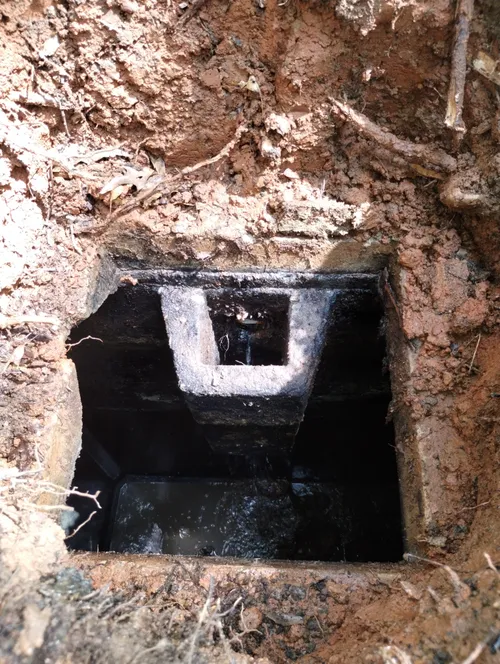
Turd burglars
218 London Pride Rd, Irmo, SC 29063
Turd Burglars is a septic tank pumping and repair company serving Columbia, SC, and the Midlands area. They provide septic system pumping, maintenance, and repair services to help keep septic systems functioning properly. With over 15 years of experience, they handle septic tank emptying and waste disposal with care. The company offers free estimates and military discounts.
FJ Rabon Construction
250 Kinard Rd, Lugoff, SC 29078
FJ Rabon Construction is a family-owned business based near Columbia, SC, offering septic tank installation, repair, and pumping services. With over 40 years of experience, they serve residents in Kershaw and Richland counties, providing septic system maintenance and portable toilet rentals. The company is fully licensed and bonded, equipped to handle projects of various sizes with proper expertise and equipment.
Understanding Your Septic System in South Carolina
A septic system is an on-site wastewater treatment structure, common in areas without centralized sewer service. It consists of a septic tank and a drain field (or leach field). Wastewater from your home flows into the tank, where solids settle as sludge, and fats and oils float as scum. The liquid effluent then exits into the drain field, where it is filtered through the soil. When sludge and scum accumulate too much, they can flow into and clog the drain field, leading to system failure. In South Carolina, the proper function of these systems is vital for protecting groundwater and public health.
South Carolina Regulations and Homeowner Responsibility
The South Carolina Department of Environmental Services (SCDES), formerly known as DHEC, is the state agency that regulates septic systems 1. SCDES issues permits for the installation, repair, or alteration of any septic system. It is crucial to understand that maintenance of an existing system is entirely the homeowner's legal responsibility.
Neglecting this duty can have serious consequences:
- System Failure: A clogged drain field can cause sewage to back up into your home or pool on your lawn.
- Environmental Contamination: Untreated wastewater can contaminate groundwater, nearby wells, and surface water, posing health risks.
- Costly Repairs: Replacing a failed drain field is extremely expensive, often costing thousands of dollars-far more than the price of routine pumping 2 3.
Recommended Pumping and Inspection Schedule
Following a consistent maintenance schedule is the most effective way to protect your investment and avoid emergencies.
How Often to Inspect
SCDES and local health officials recommend having your septic tank inspected every 1 to 2 years. A professional inspection checks the levels of sludge and scum, assesses the tank's structural integrity, and looks for signs of leaks or blockages.
How Often to Pump
Pumping frequency is not one-size-fits-all. The general guideline for South Carolina is every 3 to 5 years, but it depends heavily on your household size and tank capacity.
- Household of 2-3 people: Pump every 4-5 years.
- Household of 4-5 people: Pump every 3 years.
- Household of 6+ people: Pump every 2 years 4.
Other factors requiring more frequent service:
- Smaller tank size (less than 1,000 gallons).
- High water usage from excessive laundry, long showers, or frequent use of a garbage disposal.
- Use of additives that claim to eliminate pumping (these are generally not recommended by professionals).
Find the perfect septic tank pumping contractors for your needs
Get personalized recommendations and expert advice
What to Expect: The Pumping Process and Costs
Knowing what happens during a pumping service and the associated costs helps you plan effectively.
The Pumping Procedure
A licensed professional will:
- Locate and uncover the tank's access lids.
- Inspect the tank's interior and inlet/outlet baffles.
- Insert a large hose to vacuum all contents (sludge, scum, and liquid) into a truck.
- Properly dispose of the waste at a designated treatment facility.
- Provide a report on the tank's condition and note if any repairs are needed.
Cost of Pumping in South Carolina
The average cost for septic tank pumping in South Carolina ranges from $300 to $600+5 6. Several variables influence the final price:
- Tank Size: The most significant factor. Pumping a standard 1,000-gallon tank costs less than a 1,500 or 2,000-gallon tank 7 8.
- Accessibility: If the tank lids are buried deep or under obstacles, extra labor will increase the cost.
- Sludge Level: Tanks that are severely overdue for service may require more time and effort.
- Location: Service calls in remote or difficult-to-access areas may incur travel fees.
While price is a consideration, choosing a reputable, licensed provider with proper insurance is paramount for a job done correctly and safely.
Best Practices for Septic System Care
Your daily habits directly impact your system's health. Follow these tips to extend its lifespan:
- Conserve Water: Fix leaks, install efficient fixtures, and spread out laundry loads to avoid overwhelming the system.
- Mind What You Flush: Only human waste and toilet paper should go down the toilet. Never flush diapers, wipes (even "flushable" ones), feminine hygiene products, dental floss, cat litter, cigarettes, or chemicals 9.
- Use the Trash Can: Avoid using your garbage disposal frequently, as it adds excessive solids. Dispose of cooking grease and oils in the trash, not down the drain 10.
- Protect the Drain Field: Never drive or park vehicles over it. Keep roof drains, sump pumps, and other surface water away from the area. Plant only grass over the drain field; tree roots can cause severe damage.
Signs Your System Needs Immediate Attention
Don't wait for your scheduled inspection if you notice any of these red flags:
- Slow drains or gurgling pipes throughout the house.
- Sewage backups in toilets, showers, or sinks.
- Unpleasant odors around the tank or drain field.
- Unusually lush, green grass or soggy, wet spots over the drain field.
- Standing water or surfacing sewage in your yard.
If you observe any of these signs, contact a professional septic service provider immediately to assess the situation.
Frequently asked questions
Sources
Footnotes
-
Septic Tanks - Residential, Single Home Builder - https://des.sc.gov/permits-regulations/septic-tanks/permits-licenses/septic-tanks-residential-single-home-builder ↩
-
Septic Maintenance Cross Hill: DHEC Schedule & Costs - https://greenwoodscrealestate.com/blog/a-maintenance-plan-for-cross-hill-septic-systems ↩
-
The Importance of Regular Septic Tank Pumping to Avoid Costly Repairs - https://jtserviceco.com/regular-septic-tank-pumping-to-avoid-costly-repairs/ ↩
-
Be Septic Safe - https://www.clemson.edu/extension/water/resources/be-septic-safe.html ↩
-
Septic Tanks - Preventative Routine Maintenance | South Carolina Department of Environmental Services - https://des.sc.gov/permits-regulations/septic-tanks/homeowner-resources/septic-tanks-preventative-routine-maintenance ↩
-
How Often Should You Pump Your Septic Tank in South ... - https://moreheadsepticservices.com/how-often-should-you-pump-your-septic-tank-south-carolina/ ↩
-
How Often Should You Pump Your Septic Tank: 3 Factors Solved - https://www.frasiers.com/blog/sewage-tank-pump-frequency/ ↩
-
How Much Does It Cost to Pump a Septic Tank? A Comprehensive Guide - https://www.bridgewaterenviro.com/how-much-does-it-cost-to-pump-a-septic-tank/ ↩
-
Homeowner Resources - https://des.sc.gov/permits-regulations/septic-tanks/homeowner-resources ↩
-
Proper Maintenance of Septic Systems | York, SC - https://www.yorkcountygov.com/412/Septic-Systems ↩