Find the Best Septic Tank Pumping Contractors for Your Business
No obligation • Fast responses • Nationwide coverage

Why you can trust Septic Spot
Septic Spot is a leading United States resource for understanding and comparing septic services. Our editors review providers using consistent criteria and verify key business details. Listings and scores are independent, and companies cannot pay to influence our content.
Search providers near you
Top Septic Tank Pumping Contractors in Charleston, South Carolina Ranked
Maintaining your septic system is a critical responsibility for any homeowner not connected to a municipal sewer line. Septic tank pumping is the essential process of removing accumulated solids and sludge from your tank to keep your entire wastewater treatment system functioning properly. In a historic city like Charleston, with its unique environmental conditions, staying on top of this maintenance is key to preventing costly backups, protecting local waterways, and ensuring the longevity of your system. This guide will help you understand the local requirements, recognize when service is needed, and connect with qualified, licensed professionals in the Charleston area.
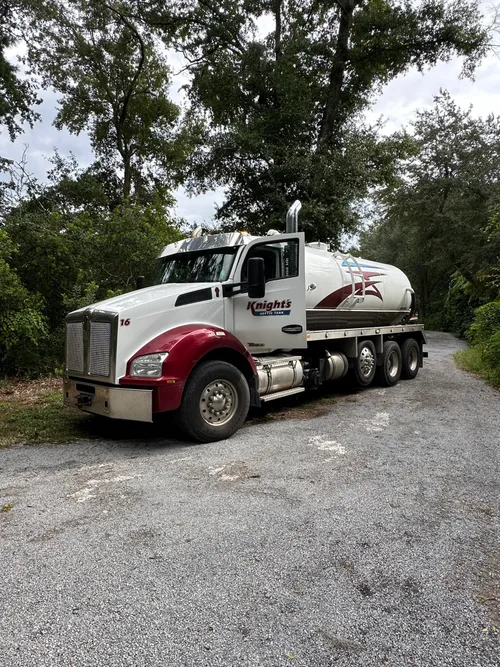
Knights Septic Tank Services
288 Hodge Rd, Summerville, SC 29483
Knights Septic Tank Services has been serving Charleston, SC, and the surrounding Lowcountry area since 1969. The company offers a full range of septic services including pumping, inspection, installation, and repair for both residential and commercial clients. They also manufacture precast concrete septic tanks and grease traps through their specialized divisions. Their licensed engineers and technicians bring over 30 years of combined experience to each project. Knights Septic Tank Services operates pump trucks seven days a week by appointment to accommodate customer needs.

Anderson Plumbing & Industrial Inc.
Charleston, SC
Anderson Plumbing & Industrial Inc. is a family-owned company serving Charleston, SC, and surrounding areas with industrial, commercial, and residential plumbing services. They specialize in complex plumbing system repairs, septic tank pumping and repair, and trenchless pipe rehabilitation using advanced technologies such as robotic camera inspection and UV curing. With decades of experience, Anderson Plumbing & Industrial offers emergency services and a workmanship guarantee to address urgent and routine plumbing needs efficiently.
A-1 Septic Tank Service
1717 Pineview Rd, Charleston, SC 29407
A-1 Septic Tank Service provides septic tank pumping, installation, and repair services in Charleston, SC. The company offers tailored septic solutions with a focus on professional installation and maintenance. With years of experience, A-1 Septic Tank Service is equipped to handle various septic system needs to support residential and commercial properties.
Understanding Your Septic System and Why Pumping is Vital
A septic system is an on-site wastewater treatment plant for your home. When everything works correctly, it's out of sight and out of mind. Wastewater from your home flows into an underground septic tank, where solids settle to the bottom as sludge, and oils and grease float to the top as scum. The liquid effluent in the middle then flows out into a drain field, where it is filtered through the soil. Over time, the sludge and scum layers build up. If they aren't removed via regular septic tank cleaning, they can overflow into the drain field, causing clogs, sewage backups into your home, and environmental contamination.
Regular septic system pumping is the most important preventative measure you can take. It's far more economical to schedule routine maintenance than to deal with the expense and mess of a failed drain field or major repair 1. For Charleston residents, this is especially crucial due to the region's high water table, frequent rainfall, and varied soil types.
South Carolina and Charleston-Area Pumping Guidelines
The South Carolina Department of Environmental Services (SCDES) provides clear guidelines for septic system maintenance. They recommend having your tank inspected every 1 to 2 years and pumped every 3 to 5 years for a typical household.
However, several factors common in the Lowcountry can necessitate more frequent septic service:
- Soil Type: Heavy clay soils, which drain poorly, are found in many parts of the Charleston area. In these conditions, SCDES advises pumping every 2 to 3 years to ensure proper system function 2.
- Tank Size and Household Size: A smaller tank or a home with more occupants will fill with solids faster.
- Water Usage: High water consumption from large families, frequent laundry, or excessive use of garbage disposals can accelerate sludge buildup.
A licensed professional will measure the sludge and scum layers during an inspection to give you a precise recommendation for your next septic tank pumping date 3 4.
Signs Your Charleston Home Needs Septic Service
Don't wait for a disaster. Be proactive and watch for these warning signs that your tank may be reaching capacity or that there is a problem with your system:
- Slow Drains: Sinks, showers, and tubs that drain slowly, especially if multiple fixtures are affected.
- Gurgling Sounds: Gurgling noises coming from your toilets or drains.
- Unpleasant Odors: Sewage smells inside your home or around the drain field in your yard.
- Wet Spots: Soggy, mushy, or unusually green and lush patches of grass over the drain field, even in dry weather 5.
- Sewage Backup: The most severe sign-wastewater backing up into household drains.
If you notice any of these issues, it's time to contact a local septic pumping company for an inspection immediately.
The Importance of Using a Licensed Professional
In South Carolina, it is not just a recommendation-it's a legal requirement. Only contractors licensed by SCDES are permitted to transport and dispose of septic waste. Hiring a licensed pumper ensures:
- Proper Disposal: Waste is taken to an approved treatment facility, protecting public health and the environment.
- Expertise: They understand local regulations, soil conditions, and can identify potential system issues during service.
- Compliance: You receive the necessary documentation for your records, which may be required for a home sale.
Always verify a company's SCDES license before scheduling your septic tank cleaning.
What to Expect: The Pumping Process and Costs
A standard residential septic pumping service in Charleston typically involves:
- Locating and uncovering the tank access lids.
- Inspecting the tank interior, baffles, and inlet/outlet pipes.
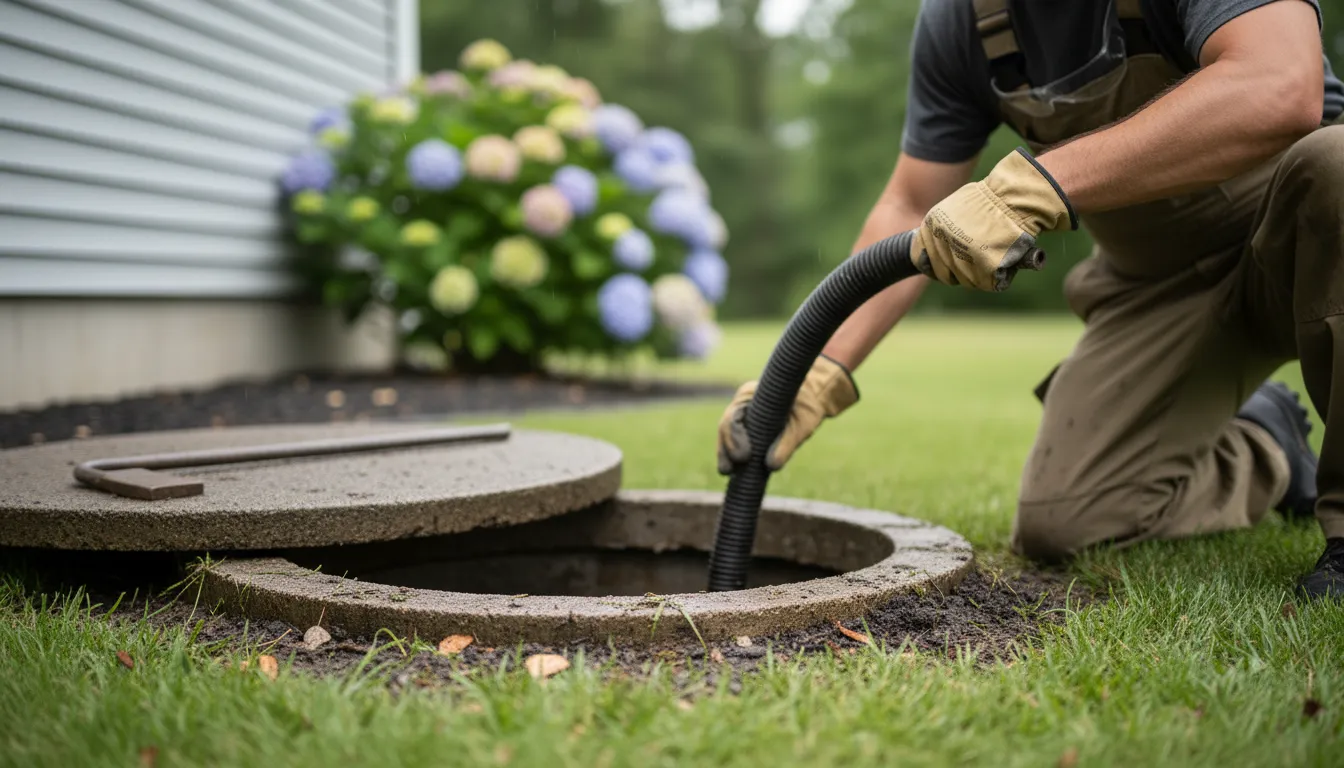
- Using a vacuum truck to pump out all solids and liquids from the tank.
- Properly disposing of the waste at a licensed facility.
- Providing a report on the tank's condition and any concerns.
Costs for septic tank pumping in the Charleston region can vary based on several factors, but you can generally expect a range. The primary cost drivers are the size of your tank (e.g., 1,000 gallon vs. 1,500 gallon) and its accessibility. Tanks that are buried deep, under landscaping, or hard to reach will cost more to service. On average, for a standard residential pumping, costs often range from roughly $300 to over $600 6 7. Many local companies bundle an inspection with the pumping service, providing good value and a comprehensive look at your system's health 8 9.
Find the perfect septic tank pumping contractors for your needs
Get personalized recommendations and expert advice
Protecting Your System Between Pumpings: Best Practices for Charleston Homes
Regular pumping is essential, but what you do between services matters greatly. Follow these tips to extend the life of your septic system:
- Conserve Water: Fix leaks, install efficient fixtures, and spread out laundry loads to avoid overwhelming the system.
- Watch What You Flush: Only human waste and toilet paper should go down the toilet. Never flush wipes (even "flushable" ones), feminine hygiene products, paper towels, or diapers.
- Mind the Kitchen: Avoid pouring cooking grease, oils, or coffee grounds down the drain. Use a sink strainer to catch food scraps and consider composting.
- Be Careful with Chemicals: Harsh cleaners, bleach, and antibacterial soaps can kill the beneficial bacteria in your tank that break down waste.
- Protect the Drain Field: Never park vehicles or place heavy structures on it. Direct rainwater drainage away from the area.
Special Considerations for Charleston's Environment
Charleston's climate and geography present unique challenges for septic systems:
- High Water Table & Flooding: During periods of heavy rain or flooding, a saturated drain field cannot absorb effluent. If your yard is flooded, avoid using your septic system as much as possible. Do not pump the tank while the ground is saturated, as this can cause the empty tank to float and damage plumbing lines 10 11 12. Wait for the water table to recede.
- Storm Preparedness: Before a major storm, it's wise to ensure your tank is not near full capacity to minimize the risk of backups during flood conditions.
Frequently asked questions
Sources
Footnotes
-
The Importance of Regular Septic Tank Pumping to Avoid Costly Repairs - https://jtserviceco.com/regular-septic-tank-pumping-to-avoid-costly-repairs/ ↩
-
How Often Should You Pump Your Septic Tank in South ... - https://moreheadsepticservices.com/how-often-should-you-pump-your-septic-tank-south-carolina/ ↩
-
Septic Tanks - Frequently Asked Questions | South Carolina Department of Environmental Services - https://des.sc.gov/permits-regulations/septic-tanks/homeowner-resources/septic-tanks-frequently-asked-questions ↩
-
When to Pump Your Septic Tank | Roto-Rooter - https://www.rotorooter.com/blog/outdoor-plumbing/5-signs-its-time-to-call-your-septic-pumping-service/ ↩
-
How Often to Pump a Septic Tank - Clear River Environmental - https://clearriverenvironmental.com/how-often-to-pump-a-septic-tank/ ↩
-
Septic Tank Pumping Cost Factors - Dr. Flush Inc. - https://www.drflushgreersc.com/septic-tank-pumping-cost-factors-dr-flush ↩
-
Septic Tank Pumping Frequency: Crucial Maintenance Guide - https://septic911.com/septic-tank-pumping-frequency/ ↩
-
Septic System Inspections in Charleston, SC | SewerMan - https://sewerman.com/charleston-sc/services/oil-to-gas-conversions/ ↩
-
How Frequent Septic Tank Pumping Benefits DuPage County Homeowners - https://suburbanplumbingexperts.com/how-frequent-septic-tank-pumping-benefits-dupage-county-homeowners/ ↩
-
Septic Tanks - Preventative Routine Maintenance | South Carolina Department of Environmental Services - https://des.sc.gov/permits-regulations/septic-tanks/homeowner-resources/septic-tanks-preventative-routine-maintenance ↩
-
Effective Grey Water Disposal in Charleston: What You Need to Know - https://trashgurl.com/are-you-in-compliance-local-regulations-on-septic-grey-water-disposal/ ↩
-
Septic - South Carolina Department of Environmental Services - https://des.sc.gov/taxonomy/term/561 ↩