Find the Best Septic Tank Pumping Contractors for Your Business
No obligation • Fast responses • Nationwide coverage

Why you can trust Septic Spot
Septic Spot is a leading United States resource for understanding and comparing septic services. Our editors review providers using consistent criteria and verify key business details. Listings and scores are independent, and companies cannot pay to influence our content.
Search providers near you
Top Septic Tank Pumping Contractors in Chattanooga, Tennessee Ranked
Keeping your septic system functioning properly is a key part of homeownership for many in the Chattanooga area. Regular septic tank pumping is an essential maintenance task that removes accumulated solids, preventing system failure, costly repairs, and environmental contamination. This guide provides local homeowners with expert information on service frequency, costs, and what to expect from professional septic cleaning in Chattanooga, helping you make informed decisions for your property's health.
Poop Dudes
2715 Forest Rd, Chattanooga, TN 37406
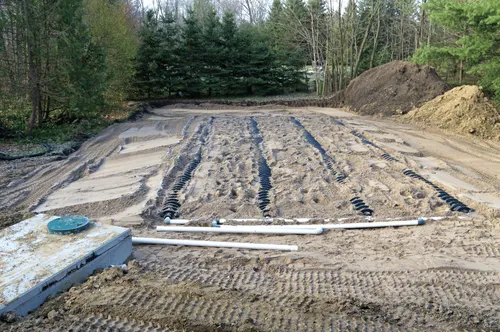
Poop Dudes is a family-owned septic service company based in Chattanooga, TN, serving the greater Chattanooga area and north Georgia. With over 20 years of experience, they provide a full range of septic services including tank pumping, inspections, repairs, and installations. Their licensed technicians handle various septic systems such as standard, low pressure pipe, mound, and drip systems. Poop Dudes also offers 24-hour emergency septic services to address urgent needs promptly.
Flush Fellas Septic and Excavating - Chattanooga
Chattanooga, TN
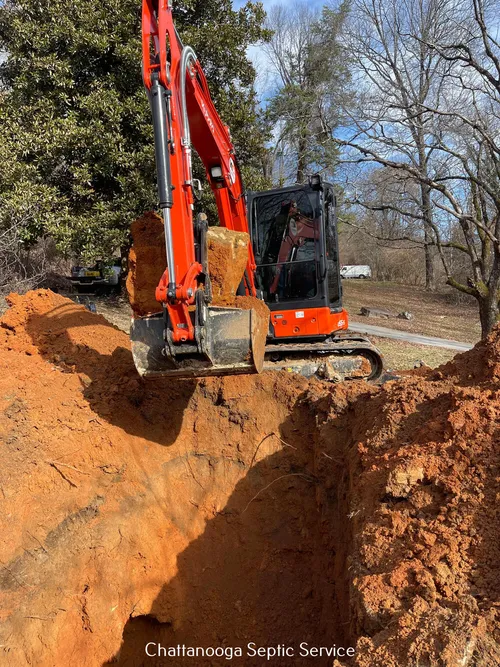
Flush Fellas Septic and Excavating - Chattanooga is a veteran-owned septic service company based in Chattanooga, TN. They provide residential and commercial septic tank pumping, installation, inspection, and repair services, including drain field repair and septic pump replacement. The company uses video scoping technology to diagnose septic issues and offers detailed post-service reports with maintenance recommendations. Licensed in Tennessee and Georgia, Flush Fellas serves the Chattanooga area and North Georgia metro region. They also provide 24/7 emergency septic services for urgent repairs and pump issues.
Rapid Rooter Septic Services
Chattanooga, TN
Rapid Rooter Septic Services is a family-owned company serving Chattanooga, TN, and north Georgia with over 20 years of experience in septic system services. They offer a wide range of services including septic tank pumping, inspections, repairs, installations, and drain field repairs. The company is licensed to work on all types of septic systems in Tennessee and provides 24-hour emergency service for urgent septic needs. Their team is skilled in handling everything from routine maintenance to complex repairs and new system installations.
Roto Rooter Plumbing Drain and Septic Services
Chattanooga, TN
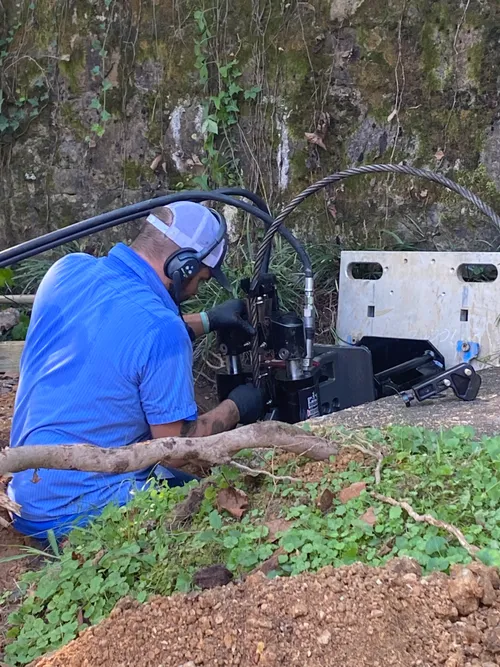
Roto Rooter Plumbing Drain and Septic Services provides septic tank pumping, inspection, and repair services in Chattanooga, TN. Serving the entire Chattanooga metro area, they offer full-service plumbing and drain cleaning with a focus on emergency and same-day service. Established in 1935, the company uses state-of-the-art equipment and is licensed and insured. They operate 24/7 without extra charges for nights, weekends, or holidays.
Same Day Septic
125 Destiny Ln, Ringgold, GA 30736
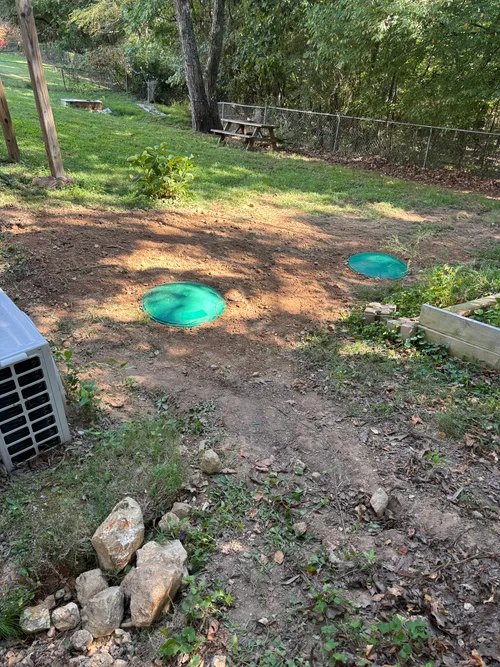
Same Day Septic is a family-owned and locally operated septic service provider based in Chattanooga, TN. They offer a wide range of services including septic tank pumping, system repair, installation, and drain field repair for residential, commercial, and industrial clients. Their team is licensed, insured, and certified, with OSHA and erosion certifications, ensuring compliance with safety standards. They provide 24/7 availability and same-day response to address urgent septic needs efficiently. With over two decades of experience, Same Day Septic serves Chattanooga and North Georgia, delivering reliable septic solutions including grease trap pumping and installation as well as land clearing services.
Why Regular Septic Maintenance is Critical
A septic system is an on-site wastewater treatment plant for your home. When it works well, you hardly think about it. When it fails, it can lead to sewage backups in your home, foul odors in your yard, and contamination of local groundwater. The core of preventative maintenance is the periodic removal of sludge and scum through septic tank pumping. Neglecting this service is the primary cause of system failure, which can result in drain field replacement costing tens of thousands of dollars. For Chattanooga residents, adhering to a regular pumping schedule protects your investment, your family's health, and the local environment, including our cherished waterways 1.
Recommended Pumping Frequency for Chattanooga Homes
A common rule of thumb is to have your septic tank cleaned every 3 to 5 years. However, this is a general guideline, and the ideal schedule for your home depends on several factors. The U.S. Environmental Protection Agency (EPA) recommends having your entire system inspected by a professional at least every three years, who can then advise on the necessary pumping interval based on sludge and scum levels 2.
- Household Size: More people generate more wastewater and solids, filling the tank faster. A family of six will likely need more frequent septic service than a single occupant.
- Tank Size: A 1,000-gallon tank will fill up quicker than a 1,500-gallon tank under the same usage.
- Wastewater Volume: Garbage disposals, frequent laundry loads, and long showers increase the water flow into the tank.
- Solids Input: What goes down your drains matters. Avoid flushing non-biodegradable items and pouring grease down sinks.
In practice, a 750-gallon tank serving one or two people might only require pumping every 5 to 7 years, while a large family using a smaller tank may need annual service 3. The Hamilton County Wastewater Treatment Authority (WWTA) provides specific guidance for STEP (Septic Tank Effluent Pump) systems, which are common in the county, recommending solids removal every 5 to 10 years.
Signs Your Chattanooga Septic Tank Needs Pumping
Don't wait for a disaster. Be proactive and watch for these warning signs that your tank is reaching capacity and needs immediate attention:
- Slow Drains: Sinks, showers, and toilets that drain slowly, especially if multiple fixtures are affected.
- Sewage Backups: Wastewater or sewage backing up into household drains is a severe sign of a full or blocked system.
- Foul Odors: Unpleasant sewage smells in your yard, particularly near the drain field or tank lid.
- Lush, Green Grass: While the rest of your lawn is dry, an unusually green and lush patch over the drain field can indicate a sewage leak fertilizing the grass 4.
- Gurgling Sounds: Strange gurgling noises coming from your plumbing.
- Standing Water: Puddles or soggy soil around the septic tank or drain field area.
If you notice any of these signs, it's time to contact a licensed local professional for an inspection and likely a septic tank clean-out.
What to Expect from Professional Septic Pumping Service
Hiring a licensed, insured professional is non-negotiable for septic system pumping. Here's what a proper service entails:
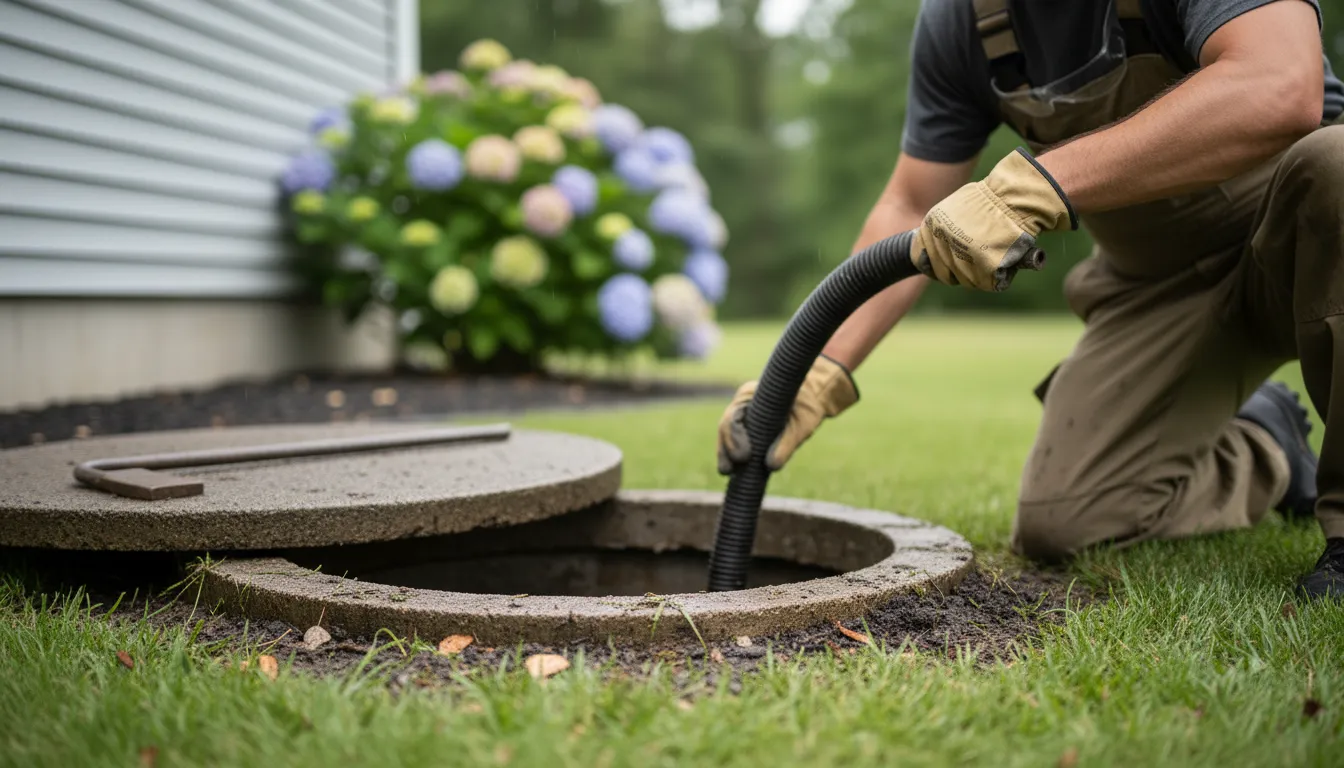
- Locating & Accessing the Tank: The technician will locate the tank and access ports. Proper service requires removing the lid or inspection port; professionals should never break holes in the tank to pump it 5.
- Inspecting the System: A thorough service includes a visual inspection of the tank's inlet and outlet baffles, checking for cracks or leaks, and often measuring the sludge and scum layers to determine if pumping is needed.
- Pumping the Tank: Using a large vacuum truck, all liquid and solid waste is pumped from the tank. A reputable company will transport this waste to an approved treatment facility.
- System Check: For systems with pumps, the pump and alarm float should be tested during the service. The technician may also offer observations about the condition of your drain field.
- Cleanup & Restoration: The area should be left clean, and the tank lid securely replaced.
Find the perfect septic tank pumping contractors for your needs
Get personalized recommendations and expert advice
Understanding Costs for Septic Pumping in Chattanooga
The cost to pump your septic tank in Chattanooga can vary based on tank size, accessibility, and the extent of service required. Based on local and national data, here is a general pricing framework 6 7:
- Small Tank / Simple Job: For a smaller tank (e.g., 750-900 gallons) with easy access, prices may range from approximately $250 to $300.
- Medium / Standard Tank: For a typical 1,000-1,250 gallon tank, which is common for many homes, homeowners can expect to pay between $325 and $700.
- Large Tank / Extensive Service: Pumping a large tank (1,500+ gallons), dealing with difficult access, or requiring additional cleanup can cost $700 to $800 or more.
These are estimates, and it's always wise to get quotes from a few licensed local contractors. The final price can be influenced by travel distance, the need for an initial inspection, and the tank's condition. Remember, while cost is a factor, the expertise and reliability of the septic contractor are paramount for a job done correctly.
Maintaining Your System Between Pumpings
Professional pumping is the cornerstone of care, but daily habits extend your system's life:
- Conserve Water: Fix leaky faucets and toilets. Spread out laundry loads over the week instead of doing many in one day.
- Mind What You Flush: Only human waste and toilet paper should go down the toilet. Never flush wipes (even "flushable" ones), feminine hygiene products, dental floss, or chemicals.
- Use the Trash Can: Avoid using your garbage disposal excessively, as it adds solids to your tank. Dispose of cooking oils and grease in the trash, not the sink.
- Protect Your Drain Field: Never park or drive heavy vehicles over the drain field. Keep roof drains, sump pumps, and other surface water away from the area. Plant only grass over and near the drain field; tree and shrub roots can cause severe damage.
Special Considerations for Hamilton County STEP Systems
Many homes in Hamilton County are served by STEP (Septic Tank Effluent Pump) systems. These systems use a septic tank for primary treatment, but the liquid effluent is then pumped to a centralized community treatment system. Maintenance for STEP systems is crucial and has specific requirements outlined by the Hamilton County WWTA.
Homeowners with STEP systems are responsible for maintaining the septic tank and pump chamber on their property. This includes ensuring the electrical components, pump, and alarm are functioning. The WWTA guidelines recommend inspecting the tank annually and pumping solids from the tank every 5 to 10 years, depending on use 8. Always hire a professional familiar with local WWTA regulations to service a STEP system.
Frequently asked questions
Sources
Footnotes
-
How To Care For Your Septic Tank Pumping | Chattanooga, TN - https://metropha.com/blog/how-to-care-for-your-septic-tank-pumping-chattanooga-tn/ ↩
-
Discover the Recommended Septic Tank Pumping Frequency: 5 Facts! - https://www.unitedsewerservice.com/recommended-septic-tank-pumping-frequency/ ↩
-
Factors Affecting Pumping Frequency: Septic 101 Proven Guide - https://www.unitedsewerservice.com/factors-affecting-pumping-frequency/ ↩
-
How Often Should You Pump Your Septic Tank? - https://tlsepticpumper.com/septic-system-education/how-often-pump-septic-tank/ ↩
-
Pumping Your Septic Tank - Northwest Georgia Public Health - https://nwgapublichealth.org/wp-content/uploads/2019/08/Pumping-your-Tank-brochure.pdf ↩
-
Understanding the Average Cost to Pump a Septic Tank - https://www.scorpionsepticservices.com/blog/understanding-the-average-cost-to-pump-a-septic-tank ↩
-
How Much Does Septic Tank Pumping Cost in 2025? - HomeAdvisor - https://www.homeadvisor.com/cost/plumbing/clean-septic-tank/ ↩
-
STEP Owner Guidelines (PDF) - Hamilton County WWTA, TN - https://wwta.hamiltontn.gov/DocumentCenter/View/728/STEP-Owner-Guidelines-PDF ↩