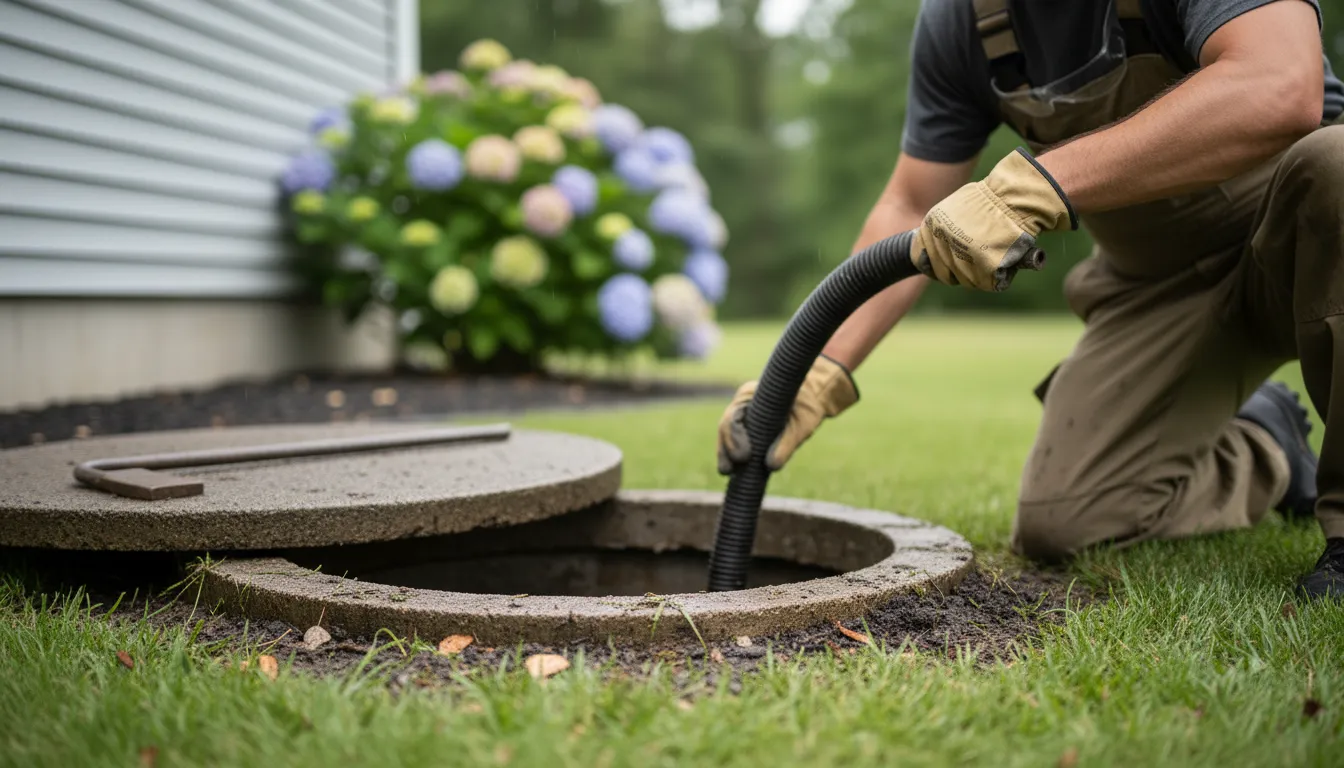
Find the Best Septic Tank Pumping Contractors for Your Business
No obligation • Fast responses • Nationwide coverage

Why you can trust Septic Spot
Septic Spot is a leading United States resource for understanding and comparing septic services. Our editors review providers using consistent criteria and verify key business details. Listings and scores are independent, and companies cannot pay to influence our content.
Search providers near you
Top Septic Tank Pumping Contractors in Cleveland, Tennessee Ranked
Maintaining your septic system is a critical responsibility for Tennessee homeowners. Regular septic tank pumping removes accumulated solids, preventing system failure, environmental contamination, and costly repairs. This guide provides clear, actionable information on Tennessee's regulations, recommended maintenance schedules, and how to find qualified local professionals for this essential service.
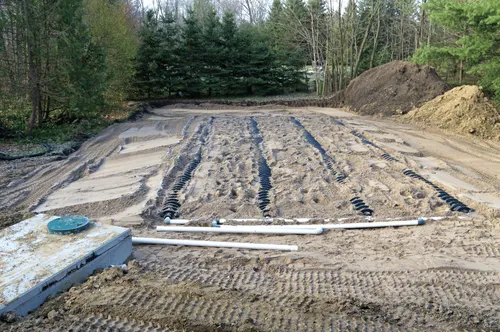
Poop Dudes
2715 Forest Rd, Chattanooga, TN 37406
Poop Dudes is a family-owned septic service company based in Chattanooga, TN, serving the greater Chattanooga area and north Georgia. With over 20 years of experience, they provide a full range of septic services including tank pumping, inspections, repairs, and installations. Their licensed technicians handle various septic systems such as standard, low pressure pipe, mound, and drip systems. Poop Dudes also offers 24-hour emergency septic services to address urgent needs promptly.
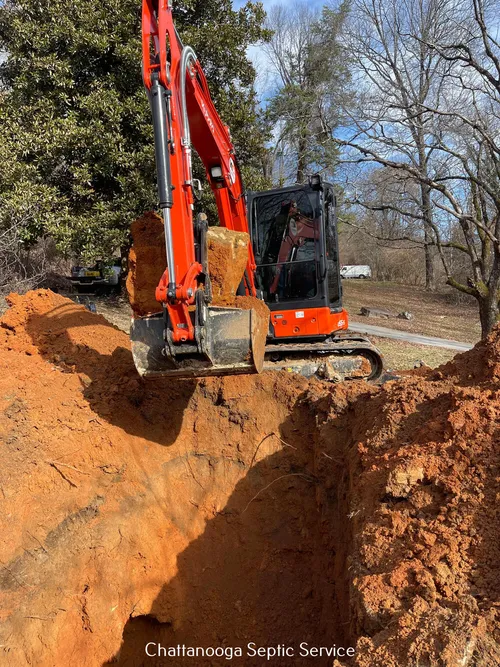
Flush Fellas Septic and Excavating - Chattanooga
Chattanooga, TN
Flush Fellas Septic and Excavating - Chattanooga is a veteran-owned septic service company based in Chattanooga, TN. They provide residential and commercial septic tank pumping, installation, inspection, and repair services, including drain field repair and septic pump replacement. The company uses video scoping technology to diagnose septic issues and offers detailed post-service reports with maintenance recommendations. Licensed in Tennessee and Georgia, Flush Fellas serves the Chattanooga area and North Georgia metro region. They also provide 24/7 emergency septic services for urgent repairs and pump issues.
Rapid Rooter Septic Services
Chattanooga, TN
Rapid Rooter Septic Services is a family-owned company serving Chattanooga, TN, and north Georgia with over 20 years of experience in septic system services. They offer a wide range of services including septic tank pumping, inspections, repairs, installations, and drain field repairs. The company is licensed to work on all types of septic systems in Tennessee and provides 24-hour emergency service for urgent septic needs. Their team is skilled in handling everything from routine maintenance to complex repairs and new system installations.
Same Day Septic
125 Destiny Ln, Ringgold, GA 30736
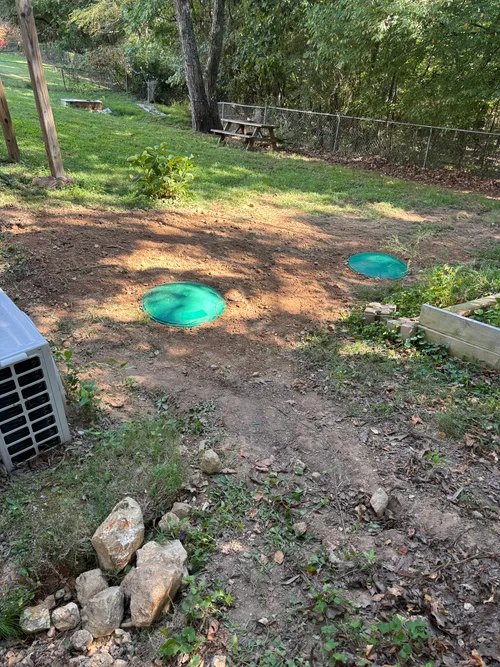
Same Day Septic is a family-owned and locally operated septic service provider based in Chattanooga, TN. They offer a wide range of services including septic tank pumping, system repair, installation, and drain field repair for residential, commercial, and industrial clients. Their team is licensed, insured, and certified, with OSHA and erosion certifications, ensuring compliance with safety standards. They provide 24/7 availability and same-day response to address urgent septic needs efficiently. With over two decades of experience, Same Day Septic serves Chattanooga and North Georgia, delivering reliable septic solutions including grease trap pumping and installation as well as land clearing services.
Rooter-Man
Chattanooga, TN
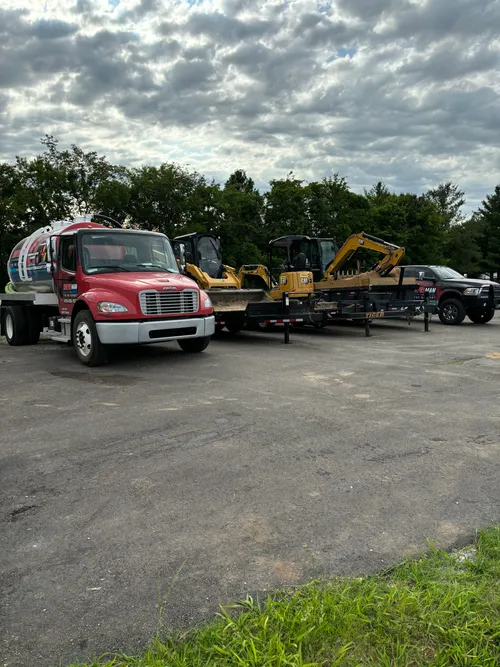
Rooter-Man is a septic tank pumping, inspection, repair, and installation company serving Chattanooga, TN, and surrounding areas in Tennessee and Georgia. With over 50 years of experience since 1970, they provide comprehensive septic and plumbing services, including owning their own digging equipment for efficient job completion. Rooter-Man offers 24/7 availability for emergency and same-day service, ensuring timely support for urgent plumbing and septic needs.
Understanding Your Septic System and Tennessee Regulations
A septic system is an on-site wastewater treatment structure common in areas without centralized sewer service. In Tennessee, these systems are regulated to protect public health and groundwater quality. The Tennessee Department of Environment and Conservation (TDEC) sets the standards for system installation, maintenance, and the contractors who service them.
A key regulation homeowners must know is Tennessee Code Annotated 0400-48-01-.20. This rule mandates that any contractor who pumps, removes, or disposes of septage (the waste from septic tanks) must hold an annual permit from TDEC. This certification ensures the contractor is trained in proper, safe disposal methods. Always verify that your chosen service provider holds this current state permit.
Ultimately, the homeowner is legally responsible for ensuring their septic system functions properly. This includes arranging for regular inspections and pumping by a certified professional. Keeping detailed records of all inspections, pump-outs, and repairs is not just good practice-it's often required and is invaluable if you sell your property.
How Often Should You Pump Your Septic Tank in Tennessee?
The standard recommendation for septic tank pumping is every 3 to 5 years. However, this is a general guideline. The exact frequency for your home depends on several factors, and an inspection is the best way to determine need.
- Tank Size and Household Size: A smaller tank (e.g., 1,000 gallons) serving a large family will fill with solids much faster than a larger tank serving one or two people. High-usage households may need pumping every 2-3 years1.
- System Type: Alternative systems with electrical components, pumps, or advanced treatment units typically require more frequent service, often needing an inspection annually.
- The 30% Rule: A common technical guideline is to pump the tank when the sludge layer (solid waste at the bottom) fills about 30% of the tank's volume2. A professional inspection will measure this.
Skipping regular maintenance is a gamble. Sludge can overflow into the drainfield, clogging the soil and causing a complete system failure. An inspection every 1-3 years is the smartest way to monitor your system's health and schedule pumping only when necessary.
Warning Signs Your Tennessee Septic Tank Needs Attention
Don't wait for a disaster. If you notice any of the following signs, contact a certified septic pumping contractor promptly:
- Slow Drains and Gurgling Pipes: Sinks, showers, and toilets that drain slowly or make gurgling sounds can indicate a full tank.
- Foul Odors: Unpleasant sewage smells inside your home or around the yard near the tank or drainfield.
- Wet, Spongy, or Lush Yard: Unusually soggy ground or grass that is greener and grows faster over the drainfield area signals wastewater surfacing.
- Sewage Backups: The most severe sign, where wastewater backs up into household drains.
Critical Safety Note: A septic tank contains toxic gases and poses a severe drowning risk. Homeowners should never attempt to open or enter a septic tank3. All inspection and maintenance must be performed by trained professionals.
Find the perfect septic tank pumping contractors for your needs
Get personalized recommendations and expert advice
The Cost of Septic Tank Pumping in Tennessee
Investing in routine maintenance is far more economical than dealing with a failed system. In Tennessee, the typical cost for a standard septic tank pumping service ranges from $250 to $500 4. This price can vary based on:
- Tank Size and Capacity: Larger tanks cost more to pump.
- Tank Accessibility: If the tank lid is buried deep or the pump truck cannot get close, the job will take more labor.
- Location: Prices may vary slightly by region within the state.
Compare this preventative cost to the price of repairing or replacing a failed drainfield or entire system, which can easily range from $5,000 to $15,000 or more5. Regular pumping is one of the most cost-effective forms of home maintenance you can perform.
Best Practices for Septic System Care in Tennessee
Pumping is just one part of a comprehensive maintenance routine. Follow these guidelines to extend the life of your system:
- Conserve Water: Reducing water flow into the tank prevents overloading. Fix leaks, install efficient fixtures, and spread out laundry loads6.
- Protect the Drainfield: Never drive, park, or build structures (like sheds or patios) over the drainfield. Also, avoid planting trees or deep-rooted shrubs nearby, as roots can clog and damage pipes7.
- Mind What You Flush: Only human waste and toilet paper should go down the drain. Avoid flushing wipes (even "flushable" ones), feminine hygiene products, diapers, coffee grounds, grease, and chemicals.
- Be Wary of Additives: Avoid commercial septic tank additives or "cleaners." The U.S. Environmental Protection Agency and Tennessee officials state they are unnecessary and can sometimes harm the bacterial balance in your tank or contaminate groundwater8 9.
- Keep Detailed Records: Maintain a file with your system's design (the "as-built" diagram), inspection reports, pumping receipts, and repair records.
Finding a Certified Septic Service Provider in Tennessee
When you need service, choosing the right contractor is crucial. Look for a company that:
- Holds a current TDEC Septage Pumping Contractor permit10 11.
- Provides clear, written estimates.
- Has positive reviews and a good local reputation.
- Can explain the process and answer your questions thoroughly.
- Disposes of septage at a TDEC-approved facility.
A qualified professional will not only pump your tank but can also perform a basic inspection and advise you on your specific maintenance schedule.
Frequently asked questions
Sources
Footnotes
-
How Often Should You Pump Your Septic Tank: 3 Factors Solved - https://www.frasiers.com/blog/sewage-tank-pump-frequency/ ↩
-
Septic Tank Pumping Frequency: Crucial Maintenance Guide - https://septic911.com/septic-tank-pumping-frequency/ ↩
-
Onsite Wastewater Treatment Systems "Septic Systems" - https://www.tn.gov/health/cedep/environmental/healthy-homes/hh/onsite-wastewater-treatment-systems.html ↩
-
How Much Does It Cost to Pump Septic Tank: A Detailed Pricing Guide - https://www.benjaminfranklinplumbing.com/league-city/blog/2025/march/how-much-does-it-cost-to-pump-septic-tank-a-detailed-pricing-guide/ ↩
-
Why Maintain Your Septic System | US EPA - https://www.epa.gov/septic/why-maintain-your-septic-system ↩
-
How to Care for Your Septic System | US EPA - https://www.epa.gov/septic/how-care-your-septic-system ↩
-
Frequent Questions on Septic Systems | US EPA - https://www.epa.gov/septic/frequent-questions-septic-systems ↩
-
Homeowner's Guide to Septic Systems - Lebanon, TN - https://www.lebanontn.org/DocumentCenter/View/273/Detailed-Septic-Information-PDF ↩
-
Septic Tank Pumping Schedule for Trouble Free Drains - https://myplumbertn.com/septic-tank-pumping/ ↩
-
Tenn. Comp. R. & Regs. 0400-48-01-.20 - SEPTIC TANK PUMPING CONTRACTOR - https://www.law.cornell.edu/regulations/tennessee/Tenn-Comp-R-Regs-0400-48-01-.20 ↩
-
Tennessee Septic License & Certification | 2024 Contractor Guide - https://www.servicetitan.com/licensing/septic/tennessee ↩